
Bleed Out (2018): Cast, Ratings & Plot
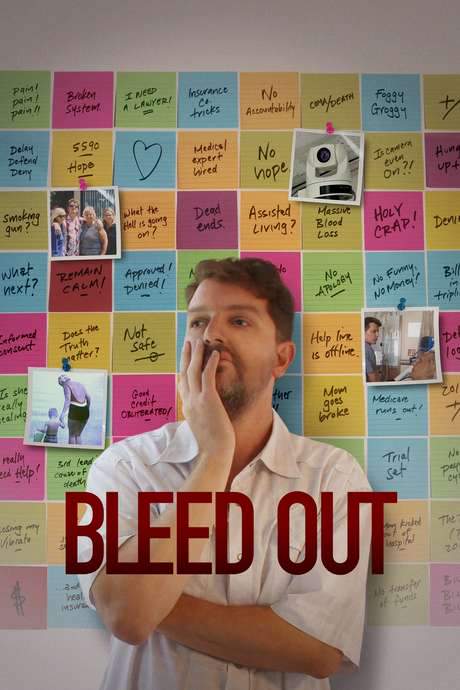
Bleed Out is a 2018 documentary starring Stephen Burrows and Judith Burrows. It runs 1 hour 27 minutes. Its Echo Score is 70/100.
- Released
- Runtime
- 1h 27m (87 min)
- Genre
- Documentary
- Original language
-
 English
 - Studio
- HBO Documentary Films
- After the credits
- No No extra scene
What Is Bleed Out About?
The premise of Bleed Out without spoilers. The whole story is in the plot summary further down.
Following a routine hip replacement operation that leaves his mother in a coma with permanent brain damage, a filmmaker begins documenting his experiences. What starts as a personal video diary evolves into a broader investigation of the American healthcare system and its potential flaws. Through his journey, he seeks to understand the complexities of medical care and its impact on individuals and families.
Bleed Out Themes & Keywords
· 23 tags- reenactment
- war story
- healthcare
- aurora
- hospital
- corporate greed
- justice
- revenge
- mayo clinic
- wisconsin
- medicaid
- medicare
+11 more Show fewer
- lawyer
- malpractice
- trial
- rage
- cautionary tale
- call to action
- medical thriller
- dramady
- legal thriller
- milwaukee wisconsin
- legal
Bleed Out Cast
Stephen Burrows leads the cast, with Judith Burrows.
- Stephen Burrows as themselves
- Judith Burrows
Bleed Out Reviews & Ratings
Our Echo Score gives it 70/100, strongest in character & emotion (88) and weakest in art & craft (45).
Bleed Out Echo Score Breakdown
Bleed Out delivers a powerful indictment of the U.S. healthcare system, resonating strongly with viewers through its personal narrative and urgent messaging. Critics acknowledge the film’s compelling story while noting modest artistic execution, and audiences consistently praise its emotional weight and relevance. The documentary’s informative approach and stark revelations generate significant impact despite occasional structural weaknesses. Consequently, the film stands as a noteworthy, thought‑provoking work that succeeds in raising awareness and prompting discussion.
Our own 0–100 rating, built from five aspects: art, character, story, the sensory experience and how well a film rewatches.
- Art & Craft 45
ART: The documentary’s visual craftsmanship is uneven, with limited cinematography and occasional lapses such as a non‑functional camera during critical moments. Critics point out that the film does not achieve artistic distinction, and some viewers note a lack of polished editing. Nonetheless, the raw aesthetic aligns with its investigative intent, resulting in a modest but functional artistic presentation.
- Character & Emotion 88
CHARACTER: Performances and personal testimonies drive the film’s emotional core, delivering nuanced and heartfelt portrayals of the family’s ordeal. Reviewers highlight the director’s intimate access and the poignant depiction of the patient’s suffering, noting it elicits strong empathy. This depth of character work amplifies the documentary’s impact, making the human experience its most compelling element.
- Story & Flow 65
STORY: The narrative presents a compelling account of systemic failures, maintaining audience engagement through a clear chronological progression of events. Critics commend the film’s rallying call, while some viewers cite confusing moments and perceived one‑sidedness that detract from coherence. Overall, the story balances urgency with occasional structural lapses, delivering an informative yet imperfect tale.
- Sensory Experience 48
SENSORY: Audio and visual elements receive mixed feedback, with praise for the unsettling tone but criticism for limited cinematographic polish. Viewers note the absence of a compelling soundtrack and occasional reliance on static shots, which reduces immersive quality. Consequently, the sensory experience supports the documentary’s grim subject matter without achieving strong aesthetic resonance.
- Rewatch Factor 86
REWATCH: The film’s exposé of healthcare malpractice grants it high rewatch value, as audiences find enduring relevance in its cautionary lessons. Critics and users alike recommend it as essential viewing for those confronting medical systems, emphasizing its informative depth. This lasting appeal ensures the documentary remains worthwhile for repeated viewings.
Bleed Out Plot Summary
What happens in Bleed Out from start to finish, spoilers included, with a timeline of 14 key events. The opening is below; the full summary is a 5-minute read.
Spoilers ahead
Bleed Out opens by introducing Judith Burrows, the mother of the comedy director Stephen Burrows, portrayed as an independent, globe-trotting, retired schoolteacher who loved to travel. The film then shifts to June 2009, when Judith is rushed to a hospital in Milwaukee, Wisconsin after a fall from her bike leaves her with a hip fracture. She undergoes hip surgery and a period of rehabilitation, returning home only to endure a slow, grueling recovery despite physical therapy.
Full summary
The whole story of Bleed Out, scene by scene
How Well Do You Know Bleed Out?
10 questions about the story, each with a hint if you get stuck. Pick an answer to see whether you were right.
Question 1 of 10
- Question 1: not answered
- Question 2: not answered
- Question 3: not answered
- Question 4: not answered
- Question 5: not answered
- Question 6: not answered
- Question 7: not answered
- Question 8: not answered
- Question 9: not answered
- Question 10: not answered
What was Judith Burrows' profession before she retired?
Bleed Out Also Known As
2 alternative titles: “블리드 아웃” and “Kanamak”.
- Also known as
-
- 블리드 아웃
- Kanamak
Seen Bleed Out?
Movies Like Bleed Out
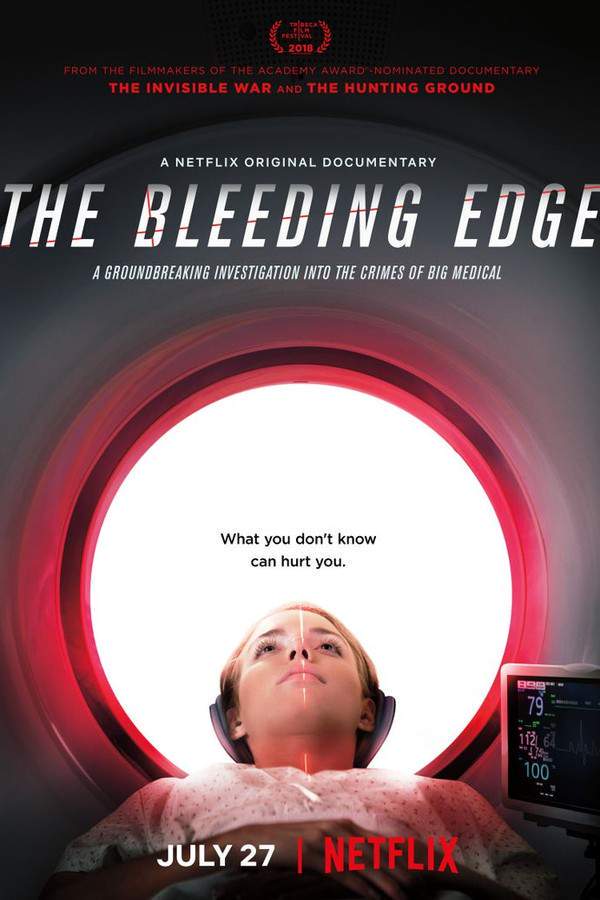
Films with a similar story, tone or audience, including The Bleeding Edge, Bleeder and Bleed for This.



Bleed Out FAQ: Cast, Runtime & Release Date
Runtime, release date, cast and post-credit scenes of Bleed Out, each answered in a sentence.
How long is Bleed Out?
Bleed Out runs 1 hour 27 minutes (87 minutes).
When was Bleed Out released?
Bleed Out was released on November 13, 2018.
Who is in the cast of Bleed Out?
Bleed Out stars Stephen Burrows and Judith Burrows.
Does Bleed Out have a post-credit scene?
No. Bleed Out has no extra scene during or after the credits.
Coming soon to your phone
The Plot Explained Movie Summary App
From blockbusters to hidden gems: plot summaries, endings explained and timelines on your phone. Save your favorites and never miss a twist again.
Be the first to know when it launches. Your email stays private, always. Learn more about the app
