Black Belt 2007


In 1932, as Japanese militarism spreads following the creation of the Manchukuo colony in northeast China, three karate students—Choei, Taikan and Giryu—train under their aging master in a secluded Kyushu forest dojo. Their peace is shattered when kempeitai troops arrive to seize the dojo for a military base.


Does Black Belt have end credit scenes?
No!
Black Belt does not have end credit scenes. You can leave when the credits roll.
Meet the Full Cast and Actors of Black Belt
Explore the complete cast of Black Belt, including both lead and supporting actors. Learn who plays each character, discover their past roles and achievements, and find out what makes this ensemble cast stand out in the world of film and television.
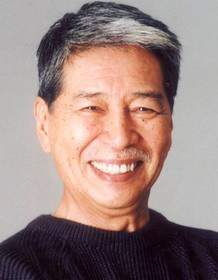

External Links and Streaming Options
Discover where to watch Black Belt online, including streaming platforms, rental options, and official sources. Compare reviews, ratings, and in-depth movie information across sites like IMDb, TMDb, Wikipedia or Rotten Tomatoes.






Take the Ultimate Black Belt Movie Quiz
Challenge your knowledge of Black Belt with this fun and interactive movie quiz. Test yourself on key plot points, iconic characters, hidden details, and memorable moments to see how well you really know the film.
Black Belt (2007) Quiz: Test your knowledge of the 2007 Japanese martial‑arts film "Black Belt", covering its characters, plot events, and themes.
Which dojo does the Japanese army attempt to take over at the start of the film?
Full Plot Summary and Ending Explained for Black Belt
Read the complete plot summary of Black Belt, including all major events, twists, and the full ending explained in detail. Explore key characters, themes, hidden meanings, and everything you need to understand the story from beginning to end.
Japanese-occupied Manchuria, 1932, provides a stark backdrop for a story about tradition, power, and the weight of martial honor. The corrupt elements within the Japanese army are determined to seize control of every karate dojo to serve their own agendas, and the Shibahara dojo becomes a focal point in this struggle. A Japanese military detachment arrives at the dojo and orders it vacated, insisting that it now belongs to the army. The master Eiken Shibahara, Yôsuke Natsuki, dies before he can pass on the black belt to a chosen successor, leaving his legacy in the hands of his closest students. The three pupils—Taikan, Giryu, and Choei—face a heavy, painful choice about who should carry forward the master’s teaching.
Taikan, Tatsuya Naka, a formidable seven-dan Shotokan practitioner, Giryu, Akihito Yagi, a fierce yet measured fighter, and Choei, Yū Kamio, a stubborn idealist, find their paths diverging as the realities of occupation press in. The detachment’s pressure grows, and the trio must navigate not only the external threat of soldiers but also the internal test of what their master’s karate truly means in a world bent on exploitation. Yet the encounter that truly tests them comes when they confront the detachment in a series of duels, driving the soldiers away and showing the strength and discipline that their teacher instilled in them.
After the immediate danger has passed, the three pupils must decide what happens next. They are compelled to bury their master and, in the wake of that loss, are forced to abandon the Shibahara dojo to accompany the invading army. Their journeys split them apart, pushing each toward different understandings of karate and duty, but the bonds forged under their master’s watch endure as they head toward a common purpose: to resist corruption and uphold the tradition that Eiken Shibahara embodied.
On the road toward the army camp, they are confronted by the children of Captain Kiichi Tanihara, a figure tied to the regime’s brutality. The captain’s son, a boy named Kenta, and his elder sister Hana, along with their father Kenkichi, become intertwined with Giryu’s fate when the fighter is stabbed and later saved by the boy, who, with Hana and Kenkichi, offers shelter and aid. The family’s struggle—harassment from a local gang that seeks to take Hana away for a life of exploitation—draws Giryu into a deeper conflict between mercy and necessity. At first, Giryu hesitates to fight back, but the pleas of Kenta push him toward action, and a tense confrontation unfolds as he tracks down the gang’s hideout. The rescue finally comes when Kenta’s safety becomes a focal point and Taikan rushes to Giryu’s side, reinforcing the resolve that violence may be needed to safeguard the innocent.
The story intensifies as Taikan and Choei train new recruits for the occupying forces, a grim reminder that power can corrupt even those who once sought justice. The tension peaks when Taikan confronts a formidable karate master, Takaomi Togo, a clash that ends with Taikan killing Togo—an act that Choei chastises as a misstep born of flawed judgment rather than pure discipline. The rift between the two friends grows as they navigate the moral gray areas that arise when honor is tested by violence and coercion.
As the empire’s grip tightens, Giryu is branded a criminal by the occupying authorities, and General Hidehisa Goda issues orders for his arrest. The pursuit intensifies, and the pressure builds toward a final, decisive confrontation. In a field of open possibility, Taikan and Giryu converge for a climactic duel. Goda’s threats to shoot Giryu are met with Taikan’s timely intervention, as he knocks Goda unconscious and throws himself into a last, grueling exchange with his rival. The two fighters push one another to the edge, trading blows until exhaustion forces a brutal hammer-fist conclusion. In a quiet, almost solemn moment amid the dust and the fading light, Taikan apologizes for his earlier actions, recognizing at last the true meaning of their late master’s karate—the belt they both seek now belongs truly to Giryu.
The story closes with a sense of resilience and renewal. In the aftermath, Giryu, with the help of Choei, opens his own karate dojo, a testament to the living tradition that Eiken Shibahara cherished. Taikan, remembered by those who knew him, remains a guiding memory as they all seek to honor the master’s legacy. The final image captures the two men moving through kata, a quiet vow that their art will endure even as they face a world that seeks to co-opt it for power.
- Eiken Shibahara, Yôsuke Natsuki
- Taikan, Tatsuya Naka
- Giryu, Akihito Yagi
- Choei, Yū Kamio
- Kenta, Arashi Fukasawa
- Hana, Atsuko Nakamura
- Kenkichi, Kenji Anan
- Captain Kiichi Tanihara, Hakuryu
- Ohmoji, Takayasu Komiya
Together, their journey threads discipline with compassion, ambition with humility, and tradition with change, painting a panoramic portrait of karate as a living, enduring discipline under pressure.

Coming soon on iOS and Android
The Plot Explained Mobile App
From blockbusters to hidden gems — dive into movie stories anytime, anywhere. Save your favorites, discover plots faster, and never miss a twist again.
Sign up to be the first to know when we launch. Your email stays private — always.
Explore the mobile appWatch Trailers, Clips & Behind-the-Scenes for Black Belt
Watch official trailers, exclusive clips, cast interviews, and behind-the-scenes footage from Black Belt. Dive deeper into the making of the film, its standout moments, and key production insights.
Black Belt Themes and Keywords
Discover the central themes, ideas, and keywords that define the movie’s story, tone, and message. Analyze the film’s deeper meanings, genre influences, and recurring concepts.
Black Belt Other Names and Titles
Explore the various alternative titles, translations, and other names used for Black Belt across different regions and languages. Understand how the film is marketed and recognized worldwide.
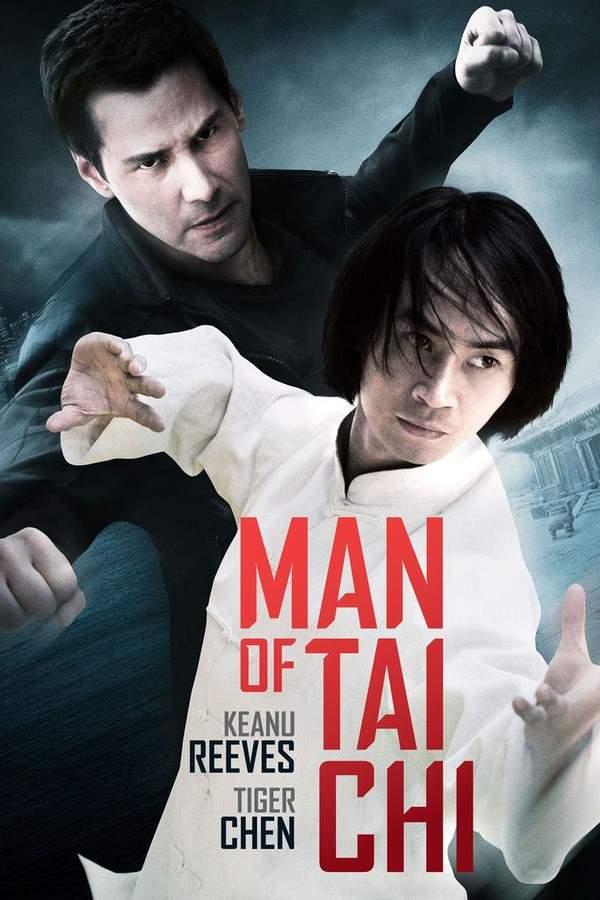
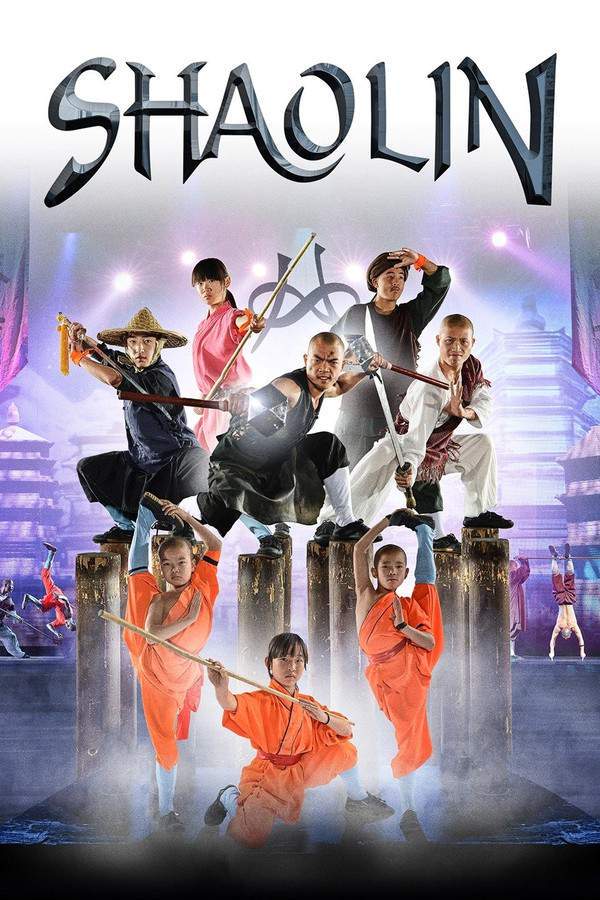
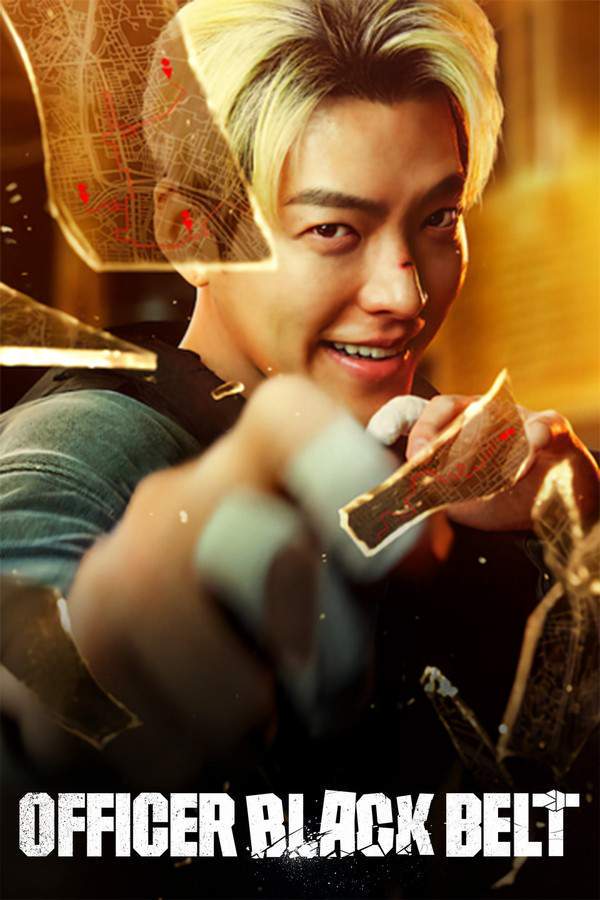
Similar Movies To Black Belt You Should Know About
Browse a curated list of movies similar in genre, tone, characters, or story structure. Discover new titles like the one you're watching, perfect for fans of related plots, vibes, or cinematic styles.






Quick Links: Summary, Cast, Ratings, More

What's After the Movie?
Not sure whether to stay after the credits? Find out!
Check out our other apps:

SAT Sphere
Build confidence for the Digital SAT.

Mori Atlas
Discover wild places worth protecting.

Luntero
Search smarter for a home in Amsterdam.

Plot Explained
Unravel movie endings and hidden clues.

Pokechamp
Dive into Pokémon data and battle logic.

Driving Theory
Get ready for your European theory test.

Movie Dust
Plan your next cinema trip with ease.

Musemap
Find art and culture as you travel.

Selkobase
Compare credentials before committing.

Local Manual
Turn an unfamiliar country into practical next steps.

Lernavi
Compare school systems before your next move.

GymRoam
Find a workout stop wherever your plans take you.
Explore Our Movie Platform
New Movie Releases (2026)
Famous Movie Actors
Top Film Production Studios
Movie Plot Summaries & Endings
Major Movie Awards & Winners
Best Concert Films & Music Documentaries
Movie Collections and Curated Lists
© 2026 What's After the Movie. All rights reserved.
Privacy Policy