Angels of Iron 1981


Set against the 1948‑49 Berlin blockade, the drama follows 17‑year‑old hoodlum Gladow, who partners with a sophisticated white‑collar crook to plunder the city nightly. As his gang terrorizes civilians, Soviet forces tighten the blockade, while the looming future foreshadows the Cold‑War divisions.

Does Angels of Iron have end credit scenes?
No!
Angels of Iron does not have end credit scenes. You can leave when the credits roll.
Meet the Full Cast and Actors of Angels of Iron
Explore the complete cast of Angels of Iron, including both lead and supporting actors. Learn who plays each character, discover their past roles and achievements, and find out what makes this ensemble cast stand out in the world of film and television.

Hanns Zischler
Ridzinski

Katharina Thalbach
Lisa Gabler

Klaus Pohl
Gabler
Anna Thalbach
Thomas Brasch
Werner Lustig
Karin Baal
Frau Lucie Gladow
Kurt Raab
Chauffeur
Jürgen Flimm
Westkommissar
Urs Hefti
Ilse Pagé
Frau Gerti Völpel
Hermann Killmeyer
Ulrich Wesselmann
Gladow
Hilmar Thate
Gustav Völpel
Peter Brombacher
Schäfer
Horst Laube
Herr Gladow
Michael Danisch
Karl-Heinz Grewe
Jo Bolling
Frank Schendler
Horst Schultheis
Peter Mühlenhaupt
Gerhard Giesecke
Rudolf Unger
Norbert Schwarz
External Links and Streaming Options
Discover where to watch Angels of Iron online, including streaming platforms, rental options, and official sources. Compare reviews, ratings, and in-depth movie information across sites like IMDb, TMDb, Wikipedia or Letterboxd.




Full Plot Summary and Ending Explained for Angels of Iron
Read the complete plot summary of Angels of Iron, including all major events, twists, and the full ending explained in detail. Explore key characters, themes, hidden meanings, and everything you need to understand the story from beginning to end.
This stark black-and-white drama chronicles the true story of a Berlin gang of thieves led by juvenile Werner Gladow during the Berlin Blockade and Airlift. The film uses a sharp, documentary-like lens to draw a line from Occupied Germany to a rough parallel with the Prohibition-era United States, portraying a society in flux where ordinary rules have been suspended and crime can take root.
Directed and written by Brasch, the movie offers a careful, almost sympathetic portrait of organized crime born out of demoralization, lawlessness, and a sense of looming anarchy. The narrative centers on the partnership between Gladow and his fellow conspirator, Gustav Völpel, a man who, in a previous life under Allied occupation, helped hang Nazi war criminals. This pair moves through a landscape where authority is fragile and loyalties are volatile.
As East and West Germany take shape in 1949, the old “forces of order”—a term echoed by Völpel—reappear to reclaim control in both states. The return of these authorities signals a crackdown on the Gladow Gang, which had thrived on the range of freedoms and upheaval left by war and occupation.
Gladow himself meets a grave fate, sentenced to death for murder and executed by East Germany in 1950 at the age of 18. Meanwhile, Völpel faces a stark choice: ex-Nazis offer him a job in the new West German police if he flees to West Berlin, yet he chooses to remain in East German custody, where he stays until his death in 1959. The film suggests that, for him, prison can feel freer than any ordered society, a sentiment that echoes his wartime refusal to fight for the Nazis.

Coming soon on iOS and Android
The Plot Explained Mobile App
From blockbusters to hidden gems — dive into movie stories anytime, anywhere. Save your favorites, discover plots faster, and never miss a twist again.
Sign up to be the first to know when we launch. Your email stays private — always.
Explore the mobile appDiscover Film Music Concerts Near You – Live Orchestras Performing Iconic Movie Soundtracks
Immerse yourself in the magic of cinema with live orchestral performances of your favorite film scores. From sweeping Hollywood blockbusters and animated classics to epic fantasy soundtracks, our curated listings connect you to upcoming film music events worldwide.
Explore concert film screenings paired with full orchestra concerts, read detailed event information, and secure your tickets for unforgettable evenings celebrating legendary composers like John Williams, Hans Zimmer, and more.


Angels of Iron Themes and Keywords
Discover the central themes, ideas, and keywords that define the movie’s story, tone, and message. Analyze the film’s deeper meanings, genre influences, and recurring concepts.
Angels of Iron Other Names and Titles
Explore the various alternative titles, translations, and other names used for Angels of Iron across different regions and languages. Understand how the film is marketed and recognized worldwide.
Similar Movies To Angels of Iron You Should Know About
Browse a curated list of movies similar in genre, tone, characters, or story structure. Discover new titles like the one you're watching, perfect for fans of related plots, vibes, or cinematic styles.

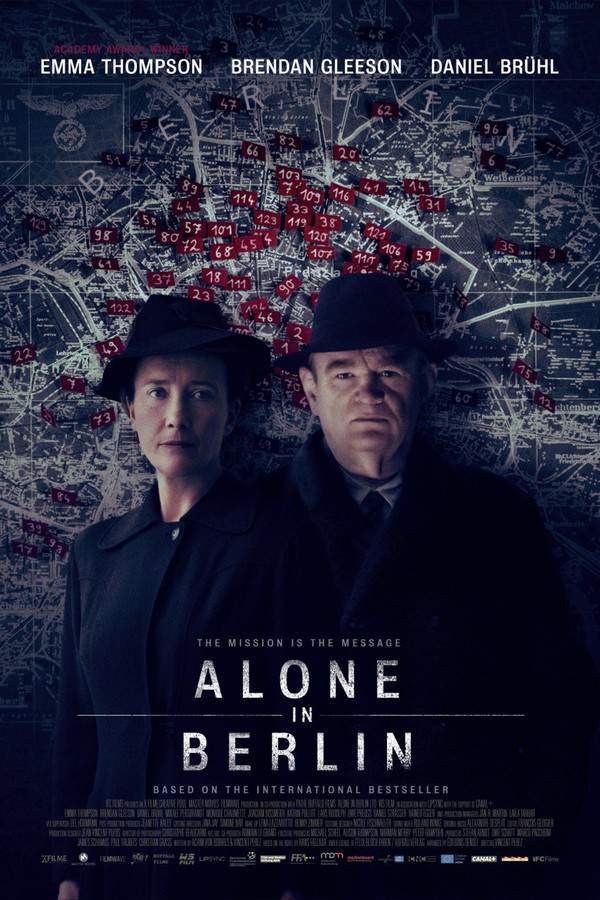


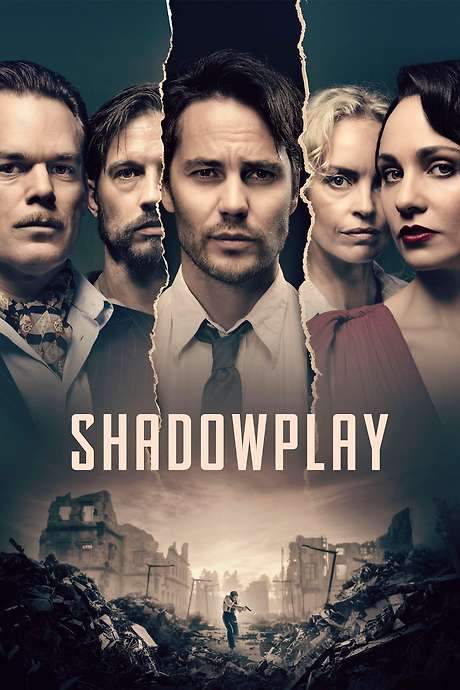


Quick Links: Summary, Cast, Ratings, More

What's After the Movie?
Not sure whether to stay after the credits? Find out!
Check out our other apps:

SAT Sphere
Build confidence for the Digital SAT.

Mori Atlas
Discover wild places worth protecting.

Luntero
Search smarter for a home in Amsterdam.

Plot Explained
Unravel movie endings and hidden clues.

Pokechamp
Dive into Pokémon data and battle logic.

Driving Theory
Get ready for your European theory test.

Movie Dust
Plan your next cinema trip with ease.

Musemap
Find art and culture as you travel.

Selkobase
Compare credentials before committing.

Local Manual
Turn an unfamiliar country into practical next steps.

Lernavi
Compare school systems before your next move.

GymRoam
Find a workout stop wherever your plans take you.
Explore Our Movie Platform
New Movie Releases (2026)
Famous Movie Actors
Top Film Production Studios
Movie Plot Summaries & Endings
Major Movie Awards & Winners
Best Concert Films & Music Documentaries
Movie Collections and Curated Lists
© 2026 What's After the Movie. All rights reserved.
Privacy Policy