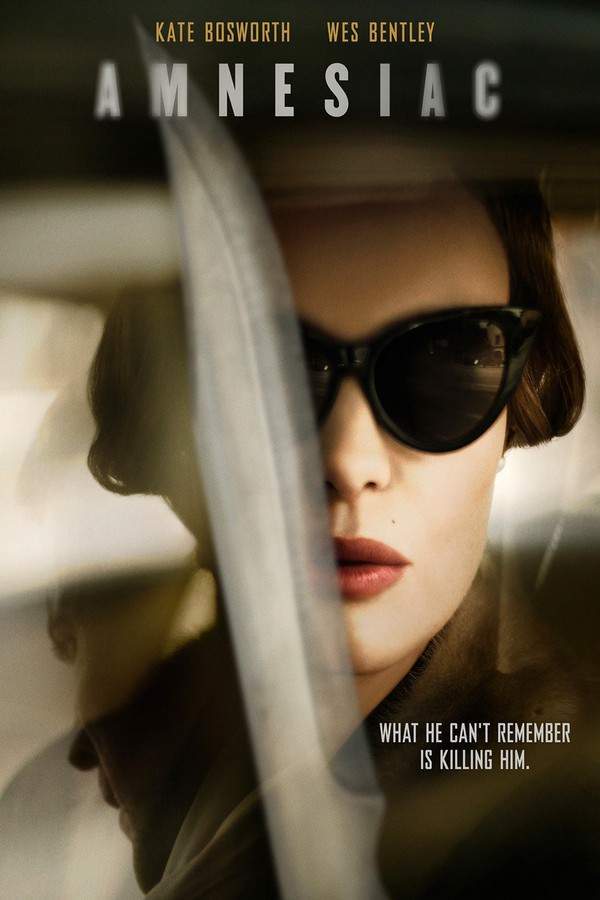
Plagued by amnesia, a man struggles with confusion and a growing sense of dread, questioning the identities of those closest to him. He begins to suspect his wife, whose devotion seems questionable, and wonders if she is involved in a dangerous scheme. As his memories remain elusive, he must unravel the truth before it’s too late.
Does Amnesiac have end credit scenes?
No!
Amnesiac does not have end credit scenes. You can leave when the credits roll.
Explore the complete cast of Amnesiac, including both lead and supporting actors. Learn who plays each character, discover their past roles and achievements, and find out what makes this ensemble cast stand out in the world of film and television.
No actors found
Discover where to watch Amnesiac online, including streaming platforms, rental options, and official sources. Compare reviews, ratings, and in-depth movie information across sites like IMDb, TMDb, Wikipedia or Rotten Tomatoes.
See how Amnesiac is rated across major platforms like IMDb, Metacritic, and TMDb. Compare audience scores and critic reviews to understand where Amnesiac stands among top-rated movies in its genre.
33
Metascore
4.3
User Score
29%
TOMATOMETER
13%
User Score
2.3 /10
IMDb Rating
46
%
User Score
2.0
From 1 fan rating
2.33/5
From 3 fan ratings
Challenge your knowledge of Amnesiac with this fun and interactive movie quiz. Test yourself on key plot points, iconic characters, hidden details, and memorable moments to see how well you really know the film.
Which actor portrays the male protagonist who awakens restrained in a bed?
Wes Bentley
Jared Padalecki
Michael Fassbender
John Cusack
Show hint
Read the complete plot summary of Amnesiac, including all major events, twists, and the full ending explained in detail. Explore key characters, themes, hidden meanings, and everything you need to understand the story from beginning to end.
The film opens with a tense, roadside journey: a family of three speeds along a highway as a child’s scream cuts through the air. Soon after, the scene shifts to a stark contrastful image of the man lying in a hospital bed within a large room, connected to medical equipment. A woman, dressed in formal business attire that repeatedly recurs throughout the story, visits him. Her appearance signals a chilling blend of normalcy and control, hinting at the unsettling dynamic at the heart of what follows.
From the moment the man begins to question the woman’s story about being his wife, a creeping sense of unease takes hold. The couple’s relationship is fenced with mystery and suspicion. When the woman steps out to run errands, the man seizes a chance to explore the house for any clues about his identity and why he ended up injured and bedridden. His search leads him to a hidden chamber of oddities: a film projector, a collection of medical tools, anatomy charts, and a cabinet concealing a corpse. The discovery is as chilling as it is revealing, and it escalates the tension as the man confronts the woman upon her return. She offers an explanation—that the corpse is her first husband—before striking him unconscious and drugging him, tightening her grip on the situation.
The next phase intensifies the sense of entrapment. The man awakens to find himself strapped to a bed, and the woman has effectively become his captor, administering shock treatment and insisting that he provide a family for her if he wants the ordeal to end. The power imbalance is stark: the man’s struggle to understand why he is being kept there collides with the woman’s insistence on proceeding with her plan. A critical thread in the tension is the couple’s interaction over a photo album; the man notices its gaps—no pictures of the woman, no images of her late husband—which fuels suspicion and pushes the confrontation into broader danger. Their physical confrontation grows more brutal: the man attempts to subdue her, but the woman wields force of her own, striking him with a vase and reasserting control even as he momentarily escapes.
As the house becomes a site of atrocity, a new crime unfurls: a postman, who appears to be a visiting casualty, is killed by the woman when he comes to the door. She pushes the body into the basement, a grim action that signals the scale of danger now encircling the entire residence. A detective assigns an officer to investigate a report of a missing man—the mailman—adding an external thread of investigation that will return to the house and raise the stakes even further. In the basement, the woman continues her horrifying work by dismembering the postman, a moment that underscores the ruthlessness with which she pursues her goals.
The stakes rise again with the arrival of a female officer who comes to the front door, only to be killed by the woman before she can be admitted. The male detective assigned to the case takes a direct hand and begins his own inquiry of the premises, moving the story toward a more active confrontation between the outside world and the house’s claustrophobic interior.
In the man’s memories, a fleeting image of a little girl surfaces, prompting a crucial question about the family he cannot presently remember. The woman reveals a disturbing detail: a little girl, kept in a cage and named Audrey. When Audrey is released, she grabs a knife and lunges at the woman, but the captor overpowers her, rendering the child unconscious and placing her in a bathtub. The existence of Audrey becomes a key piece of the puzzle—and a potential lever in the power struggle between the captor and the captive.
The tension peaks as the detective finally arrives at the front door while the woman prepares to perform what would amount to a lobotomy on the man. The detective’s interruption triggers a rapid turn of events: the woman withdraws, but she promptly shifts her plan toward drowning Audrey in the bathtub. The man, driven by a mix of desperation and determination, breaks free and uses the lid of a toilet as a weapon, knocking the captor unconscious. The struggle concludes with the man collapsing from exhaustion as the young girl seizes the moment to escape the house.
The world outside the house becomes the frame for a hospital scene, where the man is shown waking in a hospital bed and being questioned by the detective. The drama of Audrey’s existence expands as it is revealed that the girl is not the couple’s daughter but the daughter of Mason Williams. In a startling reversal, it is disclosed that both the man and the woman abducted Audrey hoping to claim a ransom that would fund the woman’s fertility treatments. The man’s insistence that the woman killed all the people found in the house is countered by the detective’s assertion that the woman herself was never found, leaving the full truth unresolved.
In a final, chilling turn, the woman reemerges cloaked as a nurse in the hospital and performs an act of euthanasia on the man, sealing the twisted cycle of manipulation and murder that began on the highway and culminated in a hospital bed. The visitor who seemed to be searching for certainty ends up enmeshed in a storyline of deception, coercion, and tragic exploitation, leaving a haunting impression of the fragility of identity and the perilous lure of dangerous intimacy.
Overall, the film crafts a claustrophobic, slow-burn thriller atmosphere built on deception, control, and the unsettling collapse of familiar relationships under extreme coercion. The narrative threads—memory gaps, strained trust, and the dire consequences of ransom-driven schemes—coalesce into a stark portrait of how far a person might go when their longing for a desired future collides with a chilling, calculated reality. The final act ties together the haunting motifs of medicalism, captivity, and the blurring of professional roles with personal danger, leaving viewers to ponder the true cost of attempting to manufacture a family under coercive, violent means.
Uncover the Details: Timeline, Characters, Themes, and Beyond!

Coming soon on iOS and Android
From blockbusters to hidden gems — dive into movie stories anytime, anywhere. Save your favorites, discover plots faster, and never miss a twist again.
Sign up to be the first to know when we launch. Your email stays private — always.
Watch official trailers, exclusive clips, cast interviews, and behind-the-scenes footage from Amnesiac. Dive deeper into the making of the film, its standout moments, and key production insights.
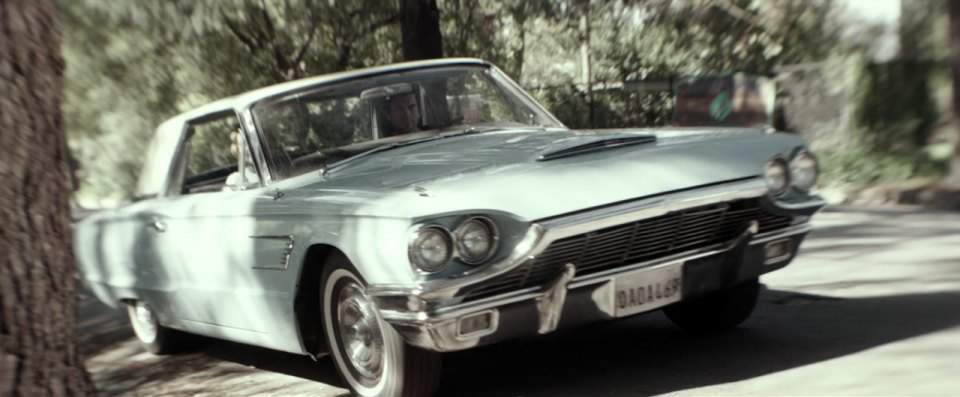
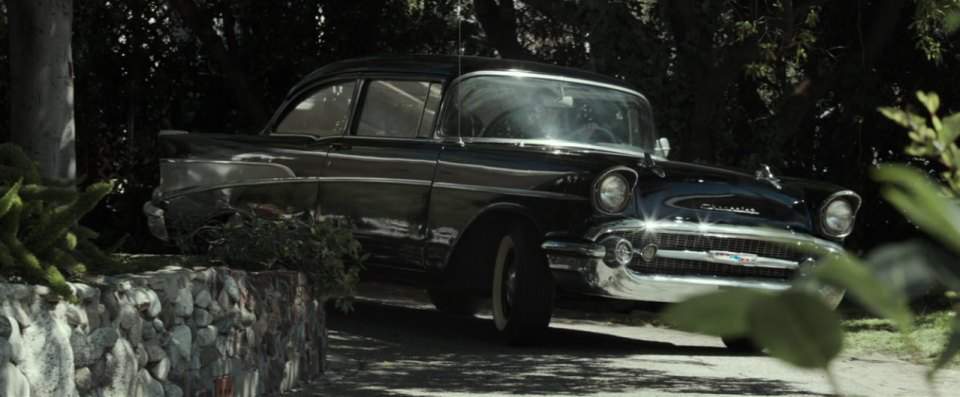
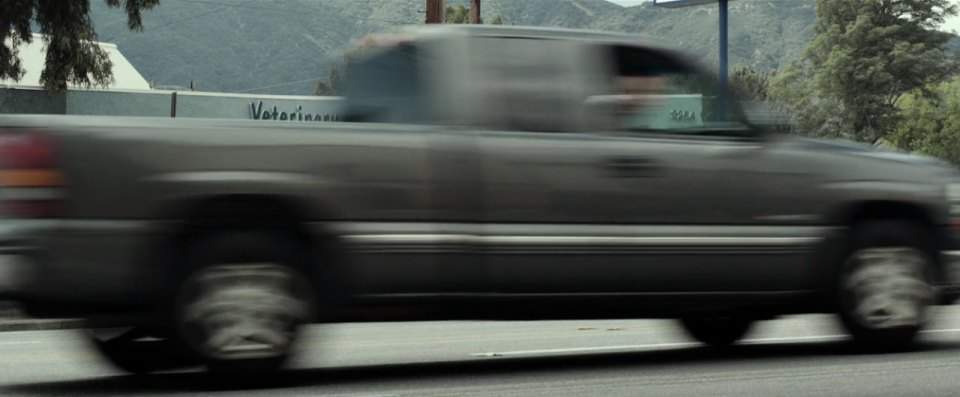
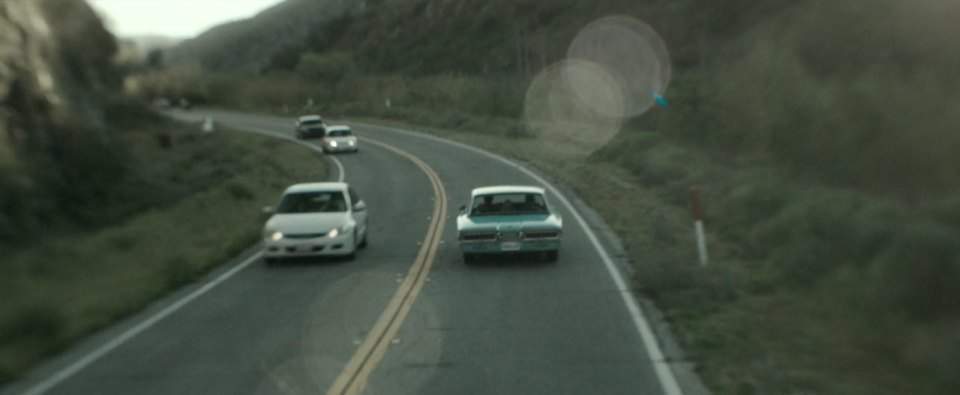
Explore all cars featured in Amnesiac, including their makes, models, scenes they appear in, and their significance to the plot. A must-read for car enthusiasts and movie buffs alike.
Discover the central themes, ideas, and keywords that define the movie’s story, tone, and message. Analyze the film’s deeper meanings, genre influences, and recurring concepts.
Explore the various alternative titles, translations, and other names used for Amnesiac across different regions and languages. Understand how the film is marketed and recognized worldwide.
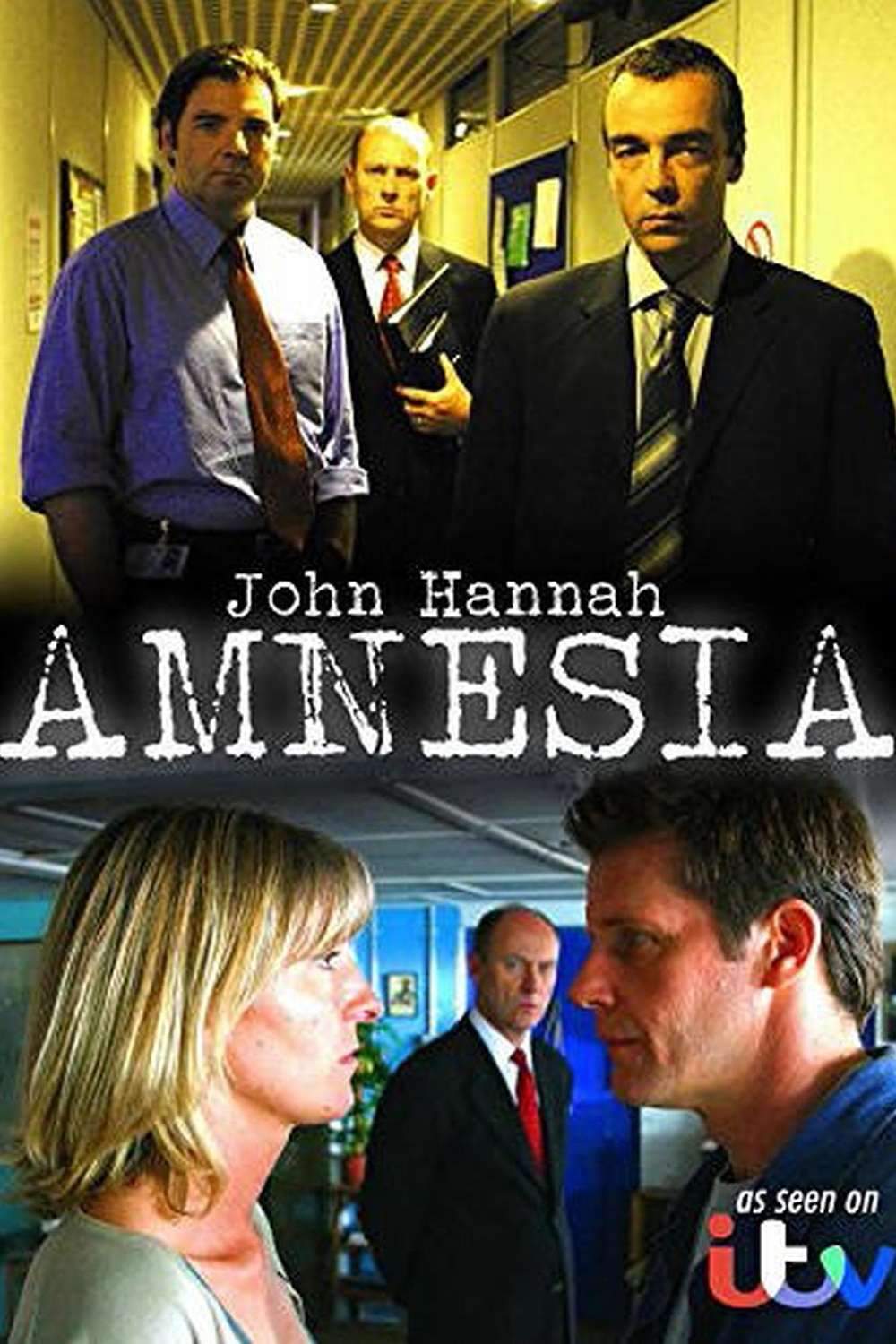
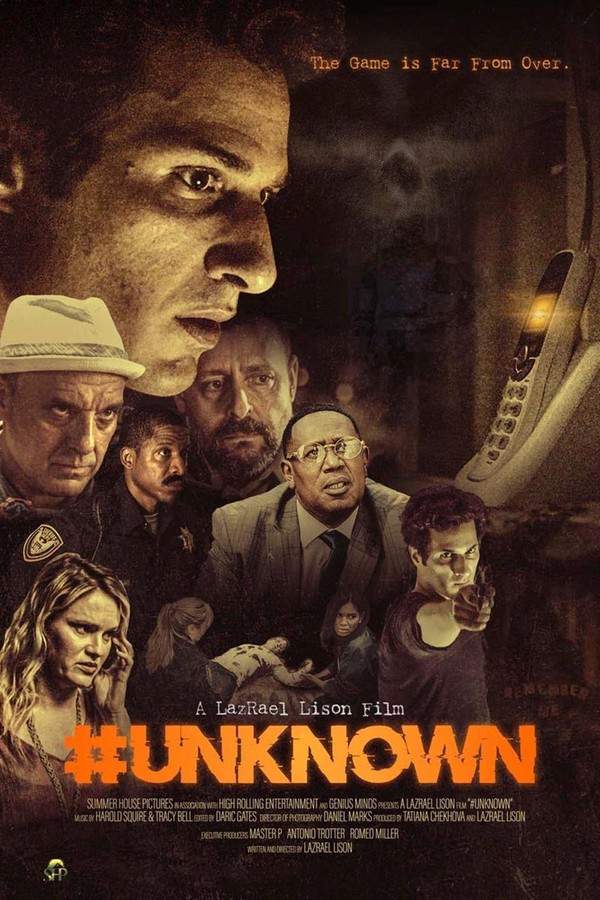
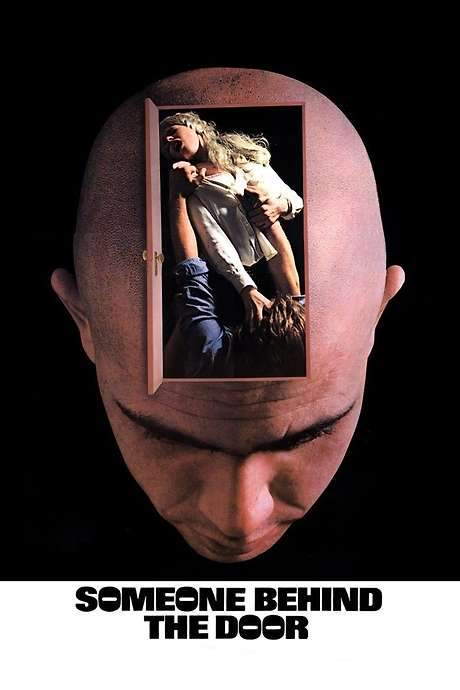
Browse a curated list of movies similar in genre, tone, characters, or story structure. Discover new titles like the one you're watching, perfect for fans of related plots, vibes, or cinematic styles.
What's After the Movie?
Not sure whether to stay after the credits? Find out!
Explore Our Movie Platform
New Movie Releases (2025)
Famous Movie Actors
Top Film Production Studios
Movie Plot Summaries & Endings
Major Movie Awards & Winners
Best Concert Films & Music Documentaries
Movie Collections and Curated Lists
© 2025 What's After the Movie. All rights reserved.