American Pastime 2007

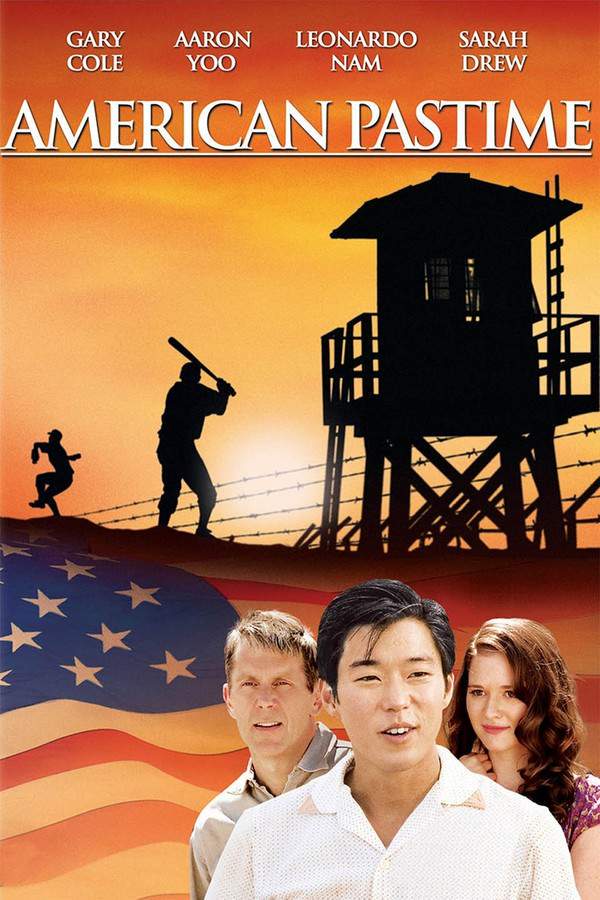
During World War II, Japanese American families are uprooted and unjustly confined to internment camps. Facing profound uncertainty and prejudice, they discover strength and camaraderie through baseball. The sport becomes a powerful symbol of hope and resilience as they navigate the challenges of their situation and seek to demonstrate their unwavering loyalty to their country.


Does American Pastime have end credit scenes?
No!
American Pastime does not have end credit scenes. You can leave when the credits roll.
Where to Watch American Pastime
See current US streaming, rental, and purchase options for American Pastime (2007) via JustWatch.

Streaming availability powered by 
Meet the Full Cast and Actors of American Pastime
Explore the complete cast of American Pastime, including both lead and supporting actors. Learn who plays each character, discover their past roles and achievements, and find out what makes this ensemble cast stand out in the world of film and television.
No actors found
External Links and Streaming Options
Discover where to watch American Pastime online, including streaming platforms, rental options, and official sources. Compare reviews, ratings, and in-depth movie information across sites like IMDb, TMDb, Wikipedia or Rotten Tomatoes.









Ratings and Reviews for American Pastime
See how American Pastime is rated across major platforms like IMDb, Metacritic, and TMDb. Compare audience scores and critic reviews to understand where American Pastime stands among top-rated movies in its genre.


33%
TOMATOMETER

69%
User Score

6.5 /10
IMDb Rating

65
%
User Score
Take the Ultimate American Pastime Movie Quiz
Challenge your knowledge of American Pastime with this fun and interactive movie quiz. Test yourself on key plot points, iconic characters, hidden details, and memorable moments to see how well you really know the film.
American Pastime Quiz: Test your knowledge of the historical film 'American Pastime' and its themes surrounding Japanese American internment during World War II.
What does Executive Order 9066 lead to for the Nomura family?
Full Plot Summary and Ending Explained for American Pastime
Read the complete plot summary of American Pastime, including all major events, twists, and the full ending explained in detail. Explore key characters, themes, hidden meanings, and everything you need to understand the story from beginning to end.
The film opens with a poignant depiction of the Nomura family, a quintessential American family of Japanese heritage living in 1941. This family consists of Japanese-born parents and their two American-born sons, Lane and Lyle. Their lives take a dramatic turn when they are compelled to vacate their Los Angeles home due to the infamous Executive Order 9066, enacted by President Franklin Delano Roosevelt. This decree permitted the forced removal of Japanese Americans from the West Coast, and the film showcases real historical footage illustrating the harrowing roundup of families, many of whom, like the Nomura siblings, were American citizens by birth.
The Nomuras find themselves relocated to a desolate and dusty desert camp, vividly portrayed with actual footage from the Topaz War Relocation Center, expertly captured by Dave Tatsuno using a secretly smuggled camera. The patriarch of the Nomura family, once a celebrated professional baseball player, quickly organizes an in-camp baseball league. Among the guards is Billy Burrell, played by Gary Cole, a minor-league baseball player who harbors resentment after being overlooked by a New York Yankees scout. With many top players off serving in the war, Burrell sees this as a potential opportunity.
Meanwhile, Lane Nomura, the eldest son, makes the selfless decision to enlist in the army, joining the esteemed 442nd Regimental Combat Team, famously known as the “Purple Heart Battalion.” One guard, who initially disapproves of Japanese Americans joining the military, undergoes a transformation upon learning about the brave men from Topaz who have sacrificed their lives in the line of duty, rescuing a Texas battalion.
The younger son, Lyle, becomes increasingly rebellious and infuriated by the injustices of internment. However, his anger begins to shift towards a desire to prove himself when the Topaz team faces off against Burrell and a local minor league team, where some members openly display their bigotry and disdain for the internees. This highlights not only the struggles of the Nomura family but also the resilience of Japanese Americans who fought for their dignity and rights amidst adversity.

Coming soon on iOS and Android
The Plot Explained Mobile App
From blockbusters to hidden gems — dive into movie stories anytime, anywhere. Save your favorites, discover plots faster, and never miss a twist again.
Sign up to be the first to know when we launch. Your email stays private — always.
Explore the mobile appDiscover Film Music Concerts Near You – Live Orchestras Performing Iconic Movie Soundtracks
Immerse yourself in the magic of cinema with live orchestral performances of your favorite film scores. From sweeping Hollywood blockbusters and animated classics to epic fantasy soundtracks, our curated listings connect you to upcoming film music events worldwide.
Explore concert film screenings paired with full orchestra concerts, read detailed event information, and secure your tickets for unforgettable evenings celebrating legendary composers like John Williams, Hans Zimmer, and more.


Cars Featured in American Pastime
Explore all cars featured in American Pastime, including their makes, models, scenes they appear in, and their significance to the plot. A must-read for car enthusiasts and movie buffs alike.
American Pastime Themes and Keywords
Discover the central themes, ideas, and keywords that define the movie’s story, tone, and message. Analyze the film’s deeper meanings, genre influences, and recurring concepts.
American Pastime Other Names and Titles
Explore the various alternative titles, translations, and other names used for American Pastime across different regions and languages. Understand how the film is marketed and recognized worldwide.
Similar Movies To American Pastime You Should Know About
Browse a curated list of movies similar in genre, tone, characters, or story structure. Discover new titles like the one you're watching, perfect for fans of related plots, vibes, or cinematic styles.









Quick Links: Summary, Cast, Ratings, More

What's After the Movie?
Not sure whether to stay after the credits? Find out!
Check out our other apps:

SAT Sphere
Build confidence for the Digital SAT.

Mori Atlas
Discover wild places worth protecting.

Luntero
Search smarter for a home in Amsterdam.

Plot Explained
Unravel movie endings and hidden clues.

Pokechamp
Dive into Pokémon data and battle logic.

Driving Theory
Get ready for your European theory test.

Movie Dust
Plan your next cinema trip with ease.

Musemap
Find art and culture as you travel.

Selkobase
Compare credentials before committing.

Local Manual
Turn an unfamiliar country into practical next steps.

Lernavi
Compare school systems before your next move.

GymRoam
Find a workout stop wherever your plans take you.
Explore Our Movie Platform
New Movie Releases (2026)
Famous Movie Actors
Top Film Production Studios
Movie Plot Summaries & Endings
Major Movie Awards & Winners
Best Concert Films & Music Documentaries
Movie Collections and Curated Lists
© 2026 What's After the Movie. All rights reserved.
Privacy Policy