A Wonderful World 2006


A day of being rich is better… than a life of being poor! A fairy tale about the political and socioeconomic realities of Mexico.


Does A Wonderful World have end credit scenes?
No!
A Wonderful World does not have end credit scenes. You can leave when the credits roll.
Meet the Full Cast and Actors of A Wonderful World
Explore the complete cast of A Wonderful World, including both lead and supporting actors. Learn who plays each character, discover their past roles and achievements, and find out what makes this ensemble cast stand out in the world of film and television.

Diego Luna
Reportero en Estocolmo
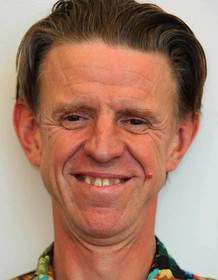
Alex Cox
Maestro de Ceremonias

Carmen Madrid
Reportera Económica

Marina de Tavira
Enfermera Guapa

Gabriela de la Garza
Secretaria del Ministro
Gustavo Sánchez Parra
Camillero 1
Jesús Ochoa
El Tamal
Cecilia Suárez
Rosita
Damián Alcázar
Juan Perez
Mario Zaragoza
Camillero 2
Pedro Armendáriz Jr.
Director del Periodico
Raúl Méndez
Asesor de imagen
Angelina Peláez
Mari
Dagoberto Gama
Guardia mansión 1
Juan Carlos Remolina
Hombre de traje
Carmen Beato
La Nena - esposa del Ministro
Fermín Martínez
Policía WFC
Marco Antonio Treviño
Jefe de Bomberos
José María Yázpik
Asesor Financiero
Ernesto Gómez Cruz
Compadre Filemón
Silverio Palacios
El Azteca
Rodrigo Murray
Papá Ejemplar
Joaquín Cosío
Vagabundo
María Rojo
Comadre chismosa
Jorge Zárate
Lalo, Secretario Particular
Alfonso Figueroa
Joven globalifóbico
Plutarco Haza
Asesor Político
Leticia Huijara
Comadre chismosa 2
Justo Martínez
Sargento
Mauricio Castillo
Jefe de Nacionales
Derik Dean
Juan (uncredited)
Martín Altomaro
Reportero Económico
Guillermo Larrea
Joven cura
Osvaldo Benavides
Curiosito
Javier Zaragoza
Ministerio público
Fabiana Perzabal
Curiosa
German Fabregat
Contador
Gerardo Trejoluna
Guardia mansión 2
Luis Fernando Zarate
Jefe de policiales
Max Kerlow
Sacerdote
Guillermo Gil
Cara de Rata - padre de Rosa
Diego Jáuregui
Jefe de redacción
José Antonio Barón
Cura boda
Cecilia Tijerina
Mamá Ejemplar
Carlos Arau
Joven Reportero
Larry Silverman
Doctor Goldberg
Rodrigo Vazquez
Reportero nota roja 1
Martín Zapata
Reportero nota roja 2
Raúl Santamarina
Policía
Noe Alvarado
Reportero nota roja 3
Alejandra Barrales
Comadre chismosa 3
Penelope Kaufer
Globalifóbica (uncredited)
Eugenio Ríos López
Paramédico (uncredited)
External Links and Streaming Options
Discover where to watch A Wonderful World online, including streaming platforms, rental options, and official sources. Compare reviews, ratings, and in-depth movie information across sites like IMDb, TMDb, Wikipedia or Rotten Tomatoes.






Full Plot Summary and Ending Explained for A Wonderful World
Read the complete plot summary of A Wonderful World, including all major events, twists, and the full ending explained in detail. Explore key characters, themes, hidden meanings, and everything you need to understand the story from beginning to end.
In a opening moment that frames the story, a speech at a World Bank conference proclaims that Mexico has vanquished poverty and frames the country’s progress as a fixed achievement. Against that backdrop, the film follows Juan Pérez, a humble homeless man who loves Rosita, a woman of similar means. He dreams aloud of giving her a life he believes she deserves—things as simple as a car, a house, and the chance to build a family together.
Juan Pérez, Damián Alcázar, drifts from one cold night to the next, until a rainy evening pushes him toward a rich couple’s home. He spots light and warmth through a window and slips into an unlocked office inside the World Financial Center, intent on spending the night there. But when a cleaner enters, he has nowhere to go and climbs out a window to a precarious platform outside. The cleaner closes the window, leaving him stranded. A crowd outside assumes he intends to jump, and the scene explodes into a media frenzy. Firefighters arrive to rescue him, and soon journalists swarm, asking what his motives might be and whether his views on globalization and neoliberal policy influenced his actions.
The sensational turn catches the attention of El Mercurio, a newspaper eager to spice up the morning edition. They frame the incident as a suicide attempt meant to prompt the state into action, laying the responsibility at the feet of the Secretary of Economy. In response, the government seeks out Juan Pérez, offering generous bribes and a promise of quiet, while his friends urge him to stage a second act to maximize the payoff. He obliges, and the stunt escalates when he actually falls from a building, turning him into a national headline. He survives but is hospitalized in a world-class facility, where the government covers his care and invites him to a press conference to voice his real motives. He denies being a pawn in a political deal.
As Pérez recovers and returns to life, he marries Rosita and moves into a polished, suburban home. Their wedding marks a new chapter, but the people who once stood beside him—the friends who cheered his first daring act—arrive later with the expectation of joining him. When they are rebuffed, they depart in anger, and attempts to imitate the earlier spectacle fail to capture the same attention. Meanwhile, the Secretary grows wary of the mounting protests and the political costs of appearing soft on poverty, ultimately arresting Pérez on petty charges. The new charges unleash a cascade of testimony from Pérez’s friends, journalists, and the hospital staff, who all become entangled in the case, and Pérez is sentenced to three years in prison, effectively cutting him off from Rosita and their life together.
Upon release, Pérez finds his home dilapidated and Rosita missing, believed dead by her family. The hidden world of the homeless encampment and the tunnel they once shared has been boarded up. In a turn of chance, he returns to the same rich couple’s home, and they provide him with sustenance. Eventually, he learns that Rosita is alive, living with her son, and a new sense of solidarity stirs among his old friends. The group begins to dream of action again, planning a push for a socialist revolution as they walk down Paseo de la Reforma with a red flag. Their attempt to breach the Secretary’s fortress-like residences is thwarted by security.
In a final irony, the Secretary achieves a pinnacle of prestige by winning the Nobel Prize for Economics. Back at the lavish home that once symbolized the life Pérez longed for, his friends gather for a celebratory dinner, which, from the outside, appears to be a triumph of success and happiness. Yet the camera reveals the harsh truth of the scene: the house belongs to the same wealthy couple from the beginning, and their bodies lie scattered on the lawn, hinting at the moral catastrophe that underpins the film’s social critique.
Throughout, the film maintains a careful balance between stark social observation and intimate human stakes. Juan Pérez’s yearning for a better life for Rosita drives him into political and media maelstroms, while Rosita herself embodies hope and resilience. The power dynamics between poverty and wealth, media sensationalism, and political theater are laid bare in a narrative that is as much about personal longing as it is about systemic failure. The result is a provocative, bleakly funny meditation on fame, inequality, and the fragile line between protest and performance.

Coming soon on iOS and Android
The Plot Explained Mobile App
From blockbusters to hidden gems — dive into movie stories anytime, anywhere. Save your favorites, discover plots faster, and never miss a twist again.
Sign up to be the first to know when we launch. Your email stays private — always.
Explore the mobile appWatch Trailers, Clips & Behind-the-Scenes for A Wonderful World
Watch official trailers, exclusive clips, cast interviews, and behind-the-scenes footage from A Wonderful World. Dive deeper into the making of the film, its standout moments, and key production insights.
A Wonderful World Themes and Keywords
Discover the central themes, ideas, and keywords that define the movie’s story, tone, and message. Analyze the film’s deeper meanings, genre influences, and recurring concepts.
A Wonderful World Other Names and Titles
Explore the various alternative titles, translations, and other names used for A Wonderful World across different regions and languages. Understand how the film is marketed and recognized worldwide.
Similar Movies To A Wonderful World You Should Know About
Browse a curated list of movies similar in genre, tone, characters, or story structure. Discover new titles like the one you're watching, perfect for fans of related plots, vibes, or cinematic styles.



Quick Links: Summary, Cast, Ratings, More

What's After the Movie?
Not sure whether to stay after the credits? Find out!
Check out our other apps:

SAT Sphere
Build confidence for the Digital SAT.

Mori Atlas
Discover wild places worth protecting.

Luntero
Search smarter for a home in Amsterdam.

Plot Explained
Unravel movie endings and hidden clues.

Pokechamp
Dive into Pokémon data and battle logic.

Driving Theory
Get ready for your European theory test.

Movie Dust
Plan your next cinema trip with ease.

Musemap
Find art and culture as you travel.

Selkobase
Compare credentials before committing.

Local Manual
Turn an unfamiliar country into practical next steps.

Lernavi
Compare school systems before your next move.

GymRoam
Find a workout stop wherever your plans take you.
Explore Our Movie Platform
New Movie Releases (2026)
Famous Movie Actors
Top Film Production Studios
Movie Plot Summaries & Endings
Major Movie Awards & Winners
Best Concert Films & Music Documentaries
Movie Collections and Curated Lists
© 2026 What's After the Movie. All rights reserved.
Privacy Policy