1944 2015


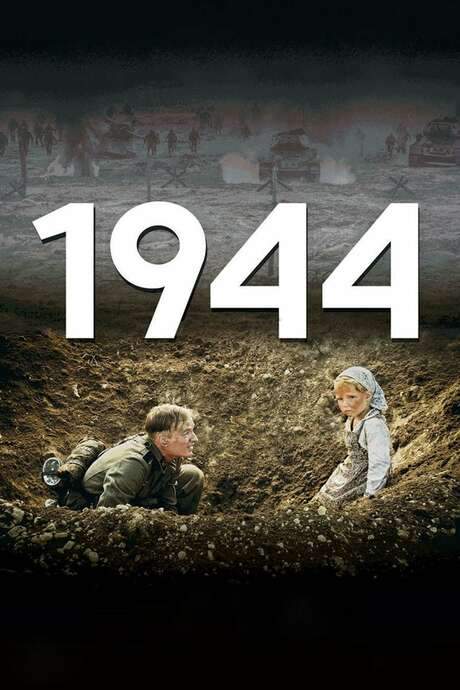
The year is 1944, and war has arrived. The conflict unfolds from the Blue Hills to the Sõrve Peninsula, seen through the experiences of Estonian soldiers forced to choose sides and fight against those they once considered brothers. The brutal realities of war impact not only the soldiers but also their families, who face difficult choices and profound consequences amidst the chaos and uncertainty of the Eastern Front.

Does 1944 have end credit scenes?
No!
1944 does not have end credit scenes. You can leave when the credits roll.
Where to Watch 1944
See current US streaming, rental, and purchase options for 1944 (2015) via JustWatch.

Cineverse Amazon Channel
HD
Midnight Pulp
HD
Midnight Pulp Amazon Channel
HD
Fawesome
HD
Hoopla
SD
Kanopy
HD
Fandango at Home Free
HD
Plex
HD
Plex Channel
HD
The Roku Channel
HD
Tubi TV
SD
YouTube Free
HD
Amazon Video
SD
Apple TV Store
HD Fandango At Home
SD
Google Play Movies
SD
YouTube
SD Streaming availability powered by 
Meet the Full Cast and Actors of 1944
Explore the complete cast of 1944, including both lead and supporting actors. Learn who plays each character, discover their past roles and achievements, and find out what makes this ensemble cast stand out in the world of film and television.
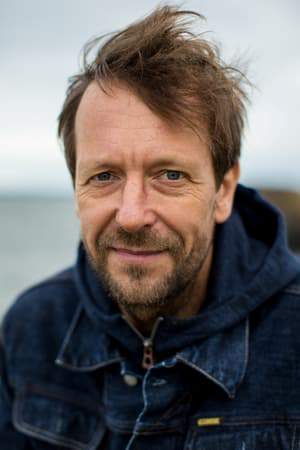
Ivo Uukkivi
Rudolf Kask

Elmo Nüganen
Kaspar Velberg
Karl Tammik
Jaak Prints
Driver Richard Pastak
Kristjan Üksküla
Jüri Jõgi
Rain Simmul
Prohhor Sedõhh
Tõnu Oja
Home Guard Lieutenant
Mait Malmsten
Government Figure
Anne Reemann
Home Guard Fighter
Kristjan Sarv
Abram Joffe
Priit Loog
Paul Mets
Martin Mill
Alfred Tuul
Tanel Saar
Accompanying Soldier (uncredited)
Märt Pius
Brother Käär
Pääru Oja
Medic Elmar Säinas
Raimo Pass
Accompanying Soldier (uncredited)
Hendrik Toompere Jr.
Kristjan Põder
Peeter Tammearu
Kreml
Andero Ermel
Oskar Lepik
Thomas Kolli
Home Guard Fighter (uncredited)
Priit Strandberg
Lembit Raadik
Ain Mäeots
Captain Evald Viires
Marko Leht
Valter Hein
Erkki Tikan
Home Guard Fighter (uncredited)
Heiki Muda
Front Line Estonia (uncredited)
Andres Paal
Front Line Estonia (uncredited)
Henrik Kalmet
Voldemar Piir
Gert Raudsep
Ants Saareste
Kristo Viiding
Leonhard Talu
Maiken Pius
Aino Tammik
Karl-Andreas Kalmet
Vladimir Kamenski
Priit Pius
Brother Käär
Magnús Mariuson
Danish Carl
Sepo Seeman
Farmer
Anne Margiste
Female Farmer
Peeter Jürgens
Male Farmer
Eliise Makrjakov
Little Girl
Dein Suvi
Air Force Support
Karl Poll
Air Force Support
Karl Valkna
Air Force Support
Ken Rüütel
Air Force Support
Jakob Tulve
Air Force Support
Kristjan Bachman
Front Line Estonia (uncredited)
External Links and Streaming Options
Discover where to watch 1944 online, including streaming platforms, rental options, and official sources. Compare reviews, ratings, and in-depth movie information across sites like IMDb, TMDb, Wikipedia or Rotten Tomatoes.







Full Plot Summary and Ending Explained for 1944
Read the complete plot summary of 1944, including all major events, twists, and the full ending explained in detail. Explore key characters, themes, hidden meanings, and everything you need to understand the story from beginning to end.
The film opens in July 1944 on the Tannenberg Line in Estonia, where a unit of Estonian Waffen-SS soldiers led by Rudolf Kask Ivo Uukkivi find themselves pinned down by a relentless Red Army advance. A visiting Nazi official hands out signed photographs of Hitler, a gesture that draws smirks and scoffs from the exhausted troops and the civilians who gather to watch. The mood is a jagged mix of bravado and fear as propaganda collides with the hard reality of war. The Soviet onslaught grows overwhelming in numbers—tanks churn forward, infantry streams push through, and the German defenders are forced to retreat, sometimes through streams and crowds of frightened refugees. By the end of a ferocious clash, the victors are the Red Army, including an Estonian unit, and the German lines crumble in retreat.
As the fighting ebbs, the dead from both sides are buried in a mass grave, a stark symbol of the war’s indiscriminate reach. Among the living, a Red Army Estonian fighter named Jüri Jõgi Kristjan Üksküla strips the body of Karl Tammik Kaspar Velberg and uncovers an unposted letter written to Karl’s sister Aino Tammik Maiken Pius in Tallinn. When Tallinn falls to Soviet hands, Jüri travels there in person to deliver the letter, and a quiet, fragile friendship develops between Jüri and Aino, a connection that provokes the ire of his unit’s political officer and exposes the tension between personal loyalties and ideological control.
The story then shifts to the Sõrve Peninsula during the Moonsund operation in November, where Jüri’s unit captures a group of sixteen-year-old Estonian youths dressed in German uniforms. The political officer commands Jüri to execute them all, and when Jüri dares to question the order, the officer shoots him dead. Seconds later, one of Jüri’s comrades kills the officer in turn. On Jüri’s body, a comrade discovers the same unposted letter to Aino, and, during a spell of leave, he personally carries the letter to Tallinn to complete the long-delayed exchange.
Throughout its runtime, the film threads a meditation on loyalty, moral ambiguity, and the stubborn endurance of human connection in the face of brutal conflict. It treats letters as lifelines—small, intimate acts that outlast banners and battalions, binding strangers across time and tragedy. The narrative never shies away from the harsh consequences of war, yet it grounds its drama in the tender, almost ordinary stubbornness of people who choose to care for one another beyond the borders of the battlefield.

Coming soon on iOS and Android
The Plot Explained Mobile App
From blockbusters to hidden gems — dive into movie stories anytime, anywhere. Save your favorites, discover plots faster, and never miss a twist again.
Sign up to be the first to know when we launch. Your email stays private — always.
Explore the mobile appDiscover Film Music Concerts Near You – Live Orchestras Performing Iconic Movie Soundtracks
Immerse yourself in the magic of cinema with live orchestral performances of your favorite film scores. From sweeping Hollywood blockbusters and animated classics to epic fantasy soundtracks, our curated listings connect you to upcoming film music events worldwide.
Explore concert film screenings paired with full orchestra concerts, read detailed event information, and secure your tickets for unforgettable evenings celebrating legendary composers like John Williams, Hans Zimmer, and more.


Cars Featured in 1944
Explore all cars featured in 1944, including their makes, models, scenes they appear in, and their significance to the plot. A must-read for car enthusiasts and movie buffs alike.
1944 Other Names and Titles
Explore the various alternative titles, translations, and other names used for 1944 across different regions and languages. Understand how the film is marketed and recognized worldwide.
Quick Links: Summary, Cast, Ratings, More

What's After the Movie?
Not sure whether to stay after the credits? Find out!
Check out our other apps:

SAT Sphere
Build confidence for the Digital SAT.

Mori Atlas
Discover wild places worth protecting.

Luntero
Search smarter for a home in Amsterdam.

Plot Explained
Unravel movie endings and hidden clues.

Pokechamp
Dive into Pokémon data and battle logic.

Driving Theory
Get ready for your European theory test.

Movie Dust
Plan your next cinema trip with ease.

Musemap
Find art and culture as you travel.

Selkobase
Compare credentials before committing.

Local Manual
Turn an unfamiliar country into practical next steps.

Lernavi
Compare school systems before your next move.

GymRoam
Find a workout stop wherever your plans take you.
Explore Our Movie Platform
New Movie Releases (2026)
Famous Movie Actors
Top Film Production Studios
Movie Plot Summaries & Endings
Major Movie Awards & Winners
Best Concert Films & Music Documentaries
Movie Collections and Curated Lists
© 2026 What's After the Movie. All rights reserved.
Privacy Policy