What's After the Blog?
news • analysis
Daredevil Born Again Season 2 Premiere Pays Homage to Mr. Robot
The season 2 premiere of Marvel's "Daredevil: Born Again" features a clear homage to the USA Network series "Mr. Robot" through its use of hacked broadcast footage. The narrative device draws direct comparisons to the fsociety videos from the acclaimed techno-thriller, though critics note the execution lacks the original's subtlety.
March 26, 2026
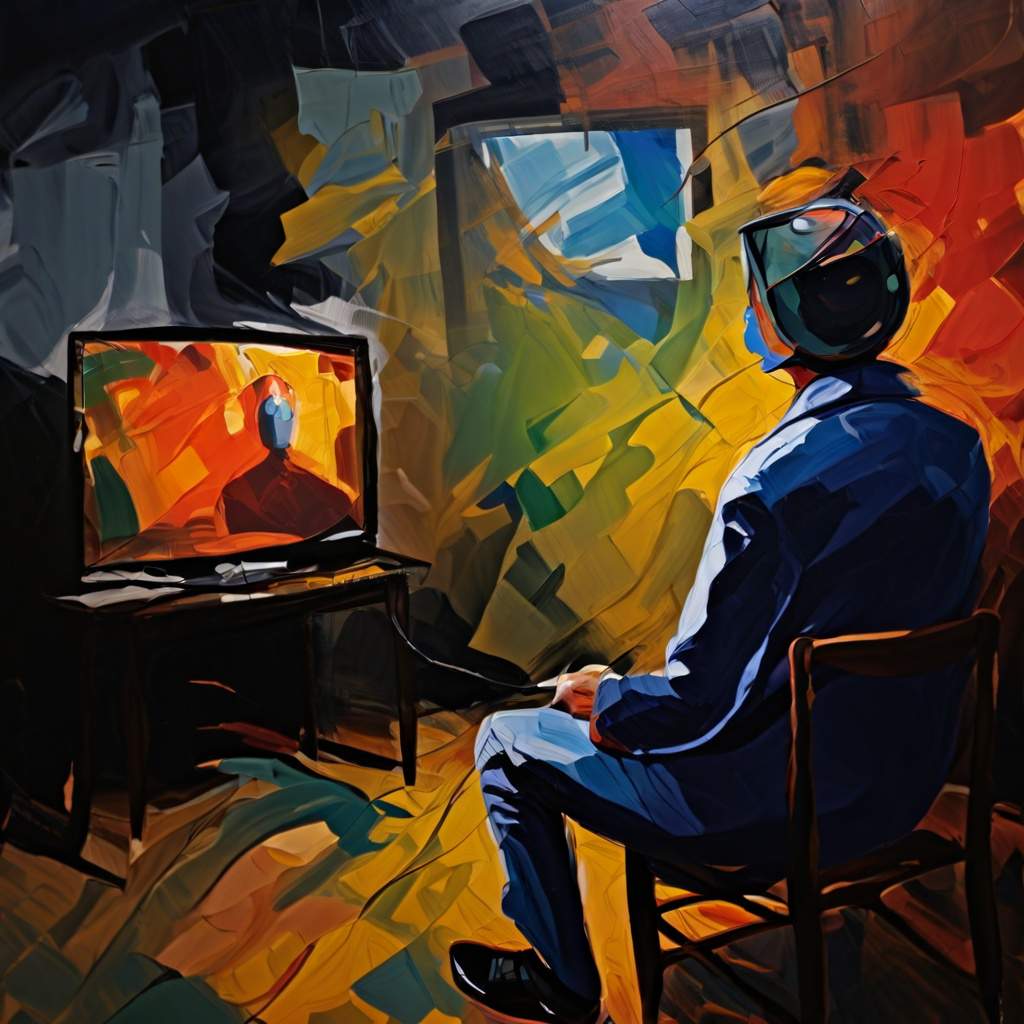
Daredevil Born Again Season 2 Premiere Pays Homage to Mr. Robot
The sophomore season of Marvel’s Daredevil: Born Again opens with a provocative narrative device that immediately signals its political ambitions while simultaneously inviting comparison to one of television’s most celebrated techno-thrillers. Picking up approximately six months after the explosive season 1 finale, the Disney+ series finds New York City transformed under Mayor Wilson Fisk’s authoritarian “Safer Streets” initiative, with super-powered vigilantes driven underground and replaced by masked enforcement patrols. Yet rather than opening with traditional superhero spectacle, the premiere episode titled “The Northern Star” utilizes a metatextual broadcast interruption that deliberately echoes the distinctive visual language of Sam Esmail’s Mr. Robot.
This creative choice centers on “The BB Report,” an in-universe documentary-style web series that serves as both a narrative framing device and a vessel for cultural commentary. When a mysterious hacker hijacks the broadcast to expose Fisk’s criminal activities, the sequence bears unmistakable similarities to the fsociety viral videos that defined the early seasons of the USA Network drama. While the reference demonstrates the show’s willingness to engage with sophisticated storytelling techniques, early critical reception suggests the homage has sparked debate regarding its effectiveness compared to the source material.
The BB Report Returns to Hell’s Kitchen
Central to the season’s opening act is the return of “The BB Report,” a street-level news production hosted by Genneya Walton’s BB Urich. The character serves a dual function within the narrative: providing ground-level perspective on how ordinary New Yorkers perceive the city’s dramatic political shift, while also connecting the series to the legacy of her late uncle Ben Urich, portrayed by Vondie Curtis-Hall in the original Netflix Daredevil series. This genealogical link anchors the show’s exploration of journalistic integrity in an era of manufactured truth.
The in-universe program presents an intentionally sanitized vision of Manhattan under Fisk’s administration. Through carefully curated street interviews and polished production values, the segments depict a city that has ostensibly returned to prosperity and safety, reinforcing the Mayor’s propaganda narrative. This manufactured optimism stands in stark contrast to the reality glimpsed in the shadows, where martial law operates under the guise of public protection and vigilantes operate in secrecy to avoid persecution.
The narrative utility of this device extends beyond simple exposition. By filtering the show’s political developments through the lens of media representation, the creative team establishes a conversation about information control and manufactured consent. The production design of these segments deliberately evokes modern online news formats, creating an immediate visual vocabulary that contemporary audiences recognize while subtly commenting on how political messaging gets packaged for mass consumption.
The fsociety Parallel
The premiere’s most striking moment arrives when the carefully constructed facade of “The BB Report” shatters abruptly. A rogue hacker seizes control of the broadcast, inserting footage of a mysterious figure donning a Fisk mask to mock the Mayor and expose his criminal enterprises. This intrusion, dubbed the “City Without Fear” videos within the show’s mythology, functions as an act of digital resistance meant to galvanize the populace against authoritarian overreach.
The visual and thematic parallels to Mr. Robot’s fsociety campaign are immediately apparent to viewers familiar with the 2015 series. Both utilize the spectacle of broadcast interruption as a weapon against institutional power. Both feature masked figures whose theatrical presence belies serious political intent. Both leverage the vulnerability of modern media infrastructure to create moments of collective cognitive dissonance, forcing audiences to question the stability of their informational ecosystem.
However, the comparison reveals significant differences in execution. Where Mr. Robot cultivated a specific aesthetic of anarchic precision—balancing the chaos of Elliot Alderson’s unreliable narration with the calculated theatricality of the fsociety collective—Daredevil: Born Again approaches similar material through the lens of superhero spectacle. The Marvel production utilizes the interruption as a plot device to accelerate conflict, whereas the USA Network series treated such moments as the central text of its cultural critique.
Shared Creative DNA
The connection between these two series extends beyond thematic coincidence into actual production lineage. Editor Melissa Lawson Cheung, who crafted the rhythm and pacing of Mr. Robot’s fourth and final season, holds the same position on Daredevil: Born Again’s sophomore run. This behind-the-scenes continuity creates fascinating expectations regarding how the Marvel series might handle similar material, given Cheung’s experience with Esmail’s precise visual grammar.
Despite this pedigree, critics have noted that the Daredevil interpretation lacks the deft tonal calibration that distinguished its predecessor. Where Mr. Robot maintained a careful balance of irony and earnestness—allowing the fsociety videos to function simultaneously as genuine acts of resistance and as self-aware commentary on performative activism—the Disney+ series reportedly struggles with heavier-handed execution. The dialogue in the hacked segments has been described as clunky and expository, undermining the potential impact of the reveal.
The editing choices in these sequences also diverge from the source material’s effectiveness. While the fsociety videos cultivated a specific aesthetic of amateur authenticity that felt simultaneously dangerous and playful, the “City Without Fear” interruptions lean into what critics characterize as “amateur DIY territory” without the self-awareness that might justify such stylistic choices. The result transforms potentially potent political satire into sequences that some viewers find unintentionally awkward.
Timing and Cultural Context
The reference arrives at a particularly complex moment for stories about hacktivism and institutional resistance. When Mr. Robot premiered in 2015, its narrative of technologically facilitated class warfare felt urgently novel, tapping into pre-existing anxieties about economic inequality and surveillance capitalism. The show’s specific cultural moment—arriving simultaneously with rising political populism—gave its storytelling immediate resonance, even as subsequent real-world developments complicated its reception.
A decade later, Daredevil: Born Again attempts to recapture similar energy within the context of superhero mythology. Critics note that the show’s otherwise grounded approach to urban vigilantism makes the sudden pivot into techno-thriller aesthetics particularly jarring. The contrast between the series’ typical physical brutality—bone-breaking combat and street-level detective work—and the digital theatricality of the hacked broadcasts creates a tonal dissonance that the premiere reportedly struggles to resolve.
This narrative choice also risks highlighting the evolving cultural relationship with hacker mythology. Where such figures once occupied a romanticized position in popular imagination as digital Robin Hoods, contemporary discourse has complicated these portrayals through discussions of cybersecurity, misinformation, and foreign interference. The premiere’s attempt to deploy these tropes as straightforward heroic devices consequently feels potentially dated to some observers, lacking the ironic distance that might have protected the material from temporal specificity.
Episode Details and Streaming Information
For viewers catching up on the series’ return, the season 2 premiere establishes several key narrative parameters while introducing this controversial stylistic element. The episode sets up ongoing conflicts that will likely develop throughout the season’s weekly release pattern.
Key details regarding the premiere include:
- Episode Title: “The Northern Star”
- Streaming Platform: Disney+
- Release Schedule: New episodes available every Tuesday
- Time Setting: Six months after the season 1 finale
- Key New Character: BB Urich (Genneya Walton), niece of the late Ben Urich
- Narrative Device: “The BB Report” web series and the “City Without Fear” hacktivist videos
- Creative Connection: Editor Melissa Lawson Cheung (also edited Mr. Robot season 4)
The showrunner Dario Scardapane appears committed to exploring themes of propaganda and media manipulation throughout the season’s narrative arc, even as individual execution of these concepts receives mixed critical responses. Whether subsequent episodes will refine the approach established in the premiere remains to be seen as the weekly rollout continues.
What’s After the Movie?
Looking for more insights on your favorite series and where to catch up on the latest entertainment news? What’s After the Movie offers comprehensive coverage of streaming releases, box office analysis, and detailed summaries of the shows everyone’s talking about. Check out our movies section for complete franchise breakdowns, or visit our blog for daily industry updates and ending explanations that help you stay current with complex serialized storytelling.
Continue reading

What's After the Movie?
Not sure whether to stay after the credits? Find out!
Check out our other apps:

SAT Sphere
Build confidence for the Digital SAT.

Mori Atlas
Discover wild places worth protecting.

Luntero
Search smarter for a home in Amsterdam.

Plot Explained
Unravel movie endings and hidden clues.

Pokechamp
Dive into Pokémon data and battle logic.

Driving Theory
Get ready for your European theory test.

Movie Dust
Plan your next cinema trip with ease.

Musemap
Find art and culture as you travel.

Selkobase
Compare credentials before committing.

Local Manual
Turn an unfamiliar country into practical next steps.

Lernavi
Compare school systems before your next move.

GymRoam
Find a workout stop wherever your plans take you.
Explore Our Movie Platform
New Movie Releases (2026)
Famous Movie Actors
Top Film Production Studios
Movie Plot Summaries & Endings
Major Movie Awards & Winners
Best Concert Films & Music Documentaries
Movie Collections and Curated Lists
© 2026 What's After the Movie. All rights reserved.
Privacy Policy