What's After the Blog?
Opinions • Reception
Bodycam (2026) Review & Reception: Critics, Fan Opinions, and the Controversial Police Drama Explained
We dive deep into the reception of Bodycam (2026), dissecting critic reviews and fan reactions to its intense performances, tense storytelling, and the broader implications for modern police procedurals. Explore how audiences and reviewers respond to the film’s controversial themes and its place in the evolving crime‑drama genre.
April 3, 2026
Movies mentioned in this article
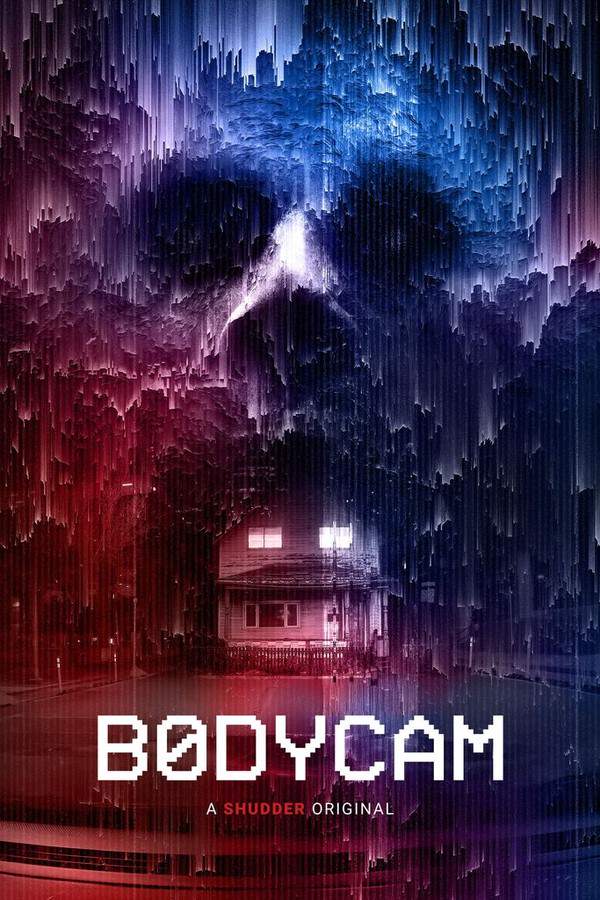
Bodycam (2026) Review: Critical Reception, Audience Reactions & Is It Worth Watching?
When the found footage horror genre intersects with the gritty realism of police procedurals, the result is Bodycam (2026), a film that attempts to bridge the gap between supernatural terror and social commentary through the unique lens of law enforcement body cameras. As horror enthusiasts increasingly search for the next innovative entry in the saturated found footage market, this 75-minute thriller has generated significant buzz among viewers seeking fresh perspectives on familiar tropes. At What’s After the Movie, we’ve analyzed the complete spectrum of Bodycam reviews, from professional critic assessments to raw audience reactions, to determine whether this micro-budget production delivers genuine scares or merely static interference.
With its March 2026 release positioning it among early-year horror contenders, understanding the film reception landscape becomes crucial for fans debating whether to add this title to their watchlists. The movie attempts to differentiate itself from traditional handheld horror by utilizing police body cameras as its primary visual framework, creating a closed, institutional perspective that theoretically should maximize claustrophobia while minimizing the logical inconsistencies that often plague the genre. Our comprehensive analysis examines the critical consensus surrounding the movie’s ambitious concept, the polarized audience reactions regarding its execution, and whether the body camera perspective provides enough novelty to justify a viewing. From RogerEbert.com’s measured analysis to passionate fan debates on social platforms, we’ve compiled everything you need to know about this divisive entry in the found footage canon. Before you decide to stream or skip, explore our detailed movie summaries and dive into our breakdown of what critics and audiences are actually saying about Bodycam.
Bodycam (2026) Critical Reception: What Mainstream Critics Are Saying
The professional critical response to Bodycam (2026) reveals a fascinating tension between appreciating the film’s efficiency and lamenting its squandered potential. Mainstream critics have approached this modest production with cautious interest, recognizing the inherent challenges of revitalizing the found footage format while acknowledging the specific ways this film attempts to distinguish itself from predecessors like Paranormal Activity or The Blair Witch Project. At Next Best Picture, the assessment positions the film as “an efficient little scary movie that has its share of scares, even if they’re nothing that horror fans haven’t seen before,” suggesting that while the execution remains competent, the novelty factor remains disappointingly low. This characterization of the film as “efficient” carries significant weight in horror criticism—it implies a lean, no-fat approach to storytelling that respects audience time, yet simultaneously suggests a lack of depth or staying power that might elevate it beyond disposable entertainment.
The most substantive critical analysis comes from RogerEbert.com, where the reviewer identifies a compelling dichotomy within the film’s structure. According to their assessment, “Bodycam appears to have something to say and, therefore, a better-than-average sense of how to handle its subgenre’s tropes and tics” during its primary runtime, suggesting director-level awareness of found footage conventions and an attempt to subvert or thoughtfully engage with them. This observation aligns with the film’s apparent ambitions regarding social commentary—a dimension that many horror films attempt but few execute successfully. However, the critique takes a sharp turn in its final assessment, noting that “in the last 10-15 minutes, the illusion is spoiled.” This structural collapse at the denouement represents perhaps the most damning criticism possible for a horror film, as the ending serves as the final impression that anchors audience memory.
Comparing these critical perspectives reveals a pattern that defines much of Bodycam’s reception: the film establishes credibility and generates goodwill through its premise and initial execution, only to dissipate that capital through disappointing final moments. While Next Best Picture focuses on the generic nature of the scares—implying that the film functions as a comfortable but uninspired entry for genre enthusiasts—RogerEbert.com elevates the conversation to questions of thematic ambition and narrative integrity. At What’s After the Movie, we track how these critical scores aggregate across platforms, providing context for whether professional opinions align with broader viewer sentiment. For those interested in the complete critical consensus, our movie wiki offers additional context on how Bodycam compares to other socially-conscious horror attempts in recent cinema.
Audience Reactions to Bodycam: Real Viewer Reviews and Fan Opinions
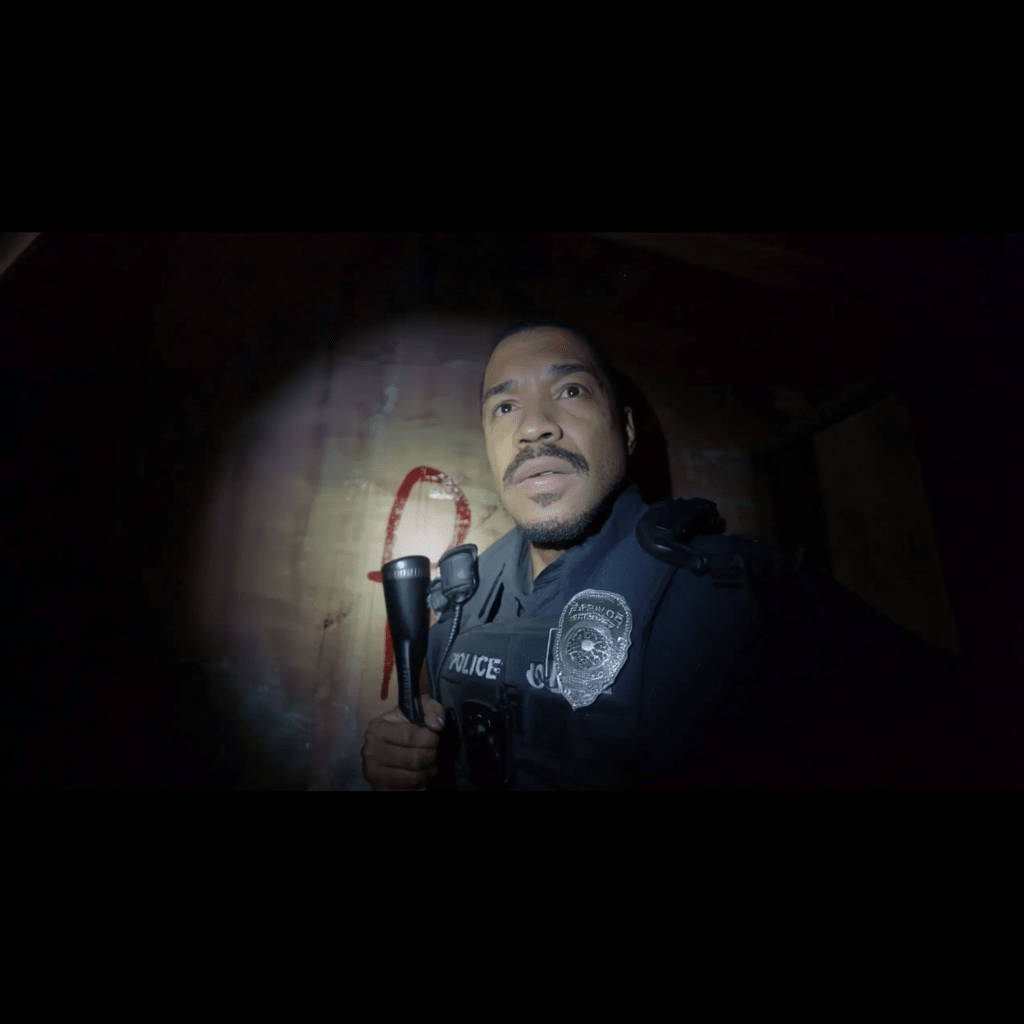
While critics offer measured professional assessments, the audience reaction to Bodycam (2026) reveals a starkly polarized spectrum that ranges from genuine appreciation to outright dismissal. This divergence in viewer experiences highlights the subjective nature of found footage horror, where technical limitations and narrative shortcuts that alienate some viewers serve as authenticating markers for others. On the positive end of the spectrum, user Horror f delivers an enthusiastic endorsement, stating, “I really enjoy found footage horror movies when it’s done right. This point of view shot from the cops is great. The heavy breathing and the flash light going in and out was really scary good. The supernatural elements of the movie blew me away. Overall this movie was very intense and unsettling.” This reaction emphasizes the atmospheric potential of the body camera conceit—the claustrophobic limitations of the perspective, the audio-visual degradation, and the immediacy of the police perspective create immersive tension that works for viewers willing to suspend disbelief regarding the format’s constraints.
Similarly, Jason B offers a defense of the film’s micro-budget limitations, arguing that “for a micro budget film they were able to squeeze every dollar for production value. Is the plot paper thin? Yes. Is the CGI terrible? Also yes. But for what it is, it works damn well in my opinion. Solid watch.” This perspective acknowledges the film’s technical shortcomings while celebrating its resourcefulness—a common appreciation among horror fans who follow independent cinema. However, these positive reactions stand in sharp contrast to the majority sentiment expressed across platforms like Letterboxd and other community review aggregators.
The critical mass of audience opinion trends significantly more negative, with many viewers citing unfulfilled potential and structural failures. User Nerdcall encapsulates this disappointment, noting that while “Bodycam grabs attention right away because of its concept… the problem is that the film relies too heavily on this concept and not enough on the construction of its horror. Many events appear abruptly, without the care needed to build a stronger sense of escalating tension.” This observation about abrupt event placement suggests fundamental pacing issues that prevent the film from achieving the sustained dread necessary for effective horror. Meanwhile, Darren D provides perhaps the most scathing assessment, describing how “the opening of ‘Bodycam’ had my interest following police officers being dispatched to a domestic dispute, as the rundown location of the home they’re investigating is dark & the tight camera angles made it feel claustrophobic, but around the 10-minute mark it collapses within itself.” This early collapse narrative appears repeatedly in user reviews, suggesting that the film’s atmospheric promise dissipates quickly.
Other viewers like lalorzm (writing in Spanish) elaborate on the thematic failures, explaining that the film “parte de una premisa interesante: una serie de eventos sobrenaturales registrados a través de cámaras corporales policiales… pero la película no logra desarrollar ninguno de estos aspectos” (starts from an interesting premise… but the film fails to develop any of these aspects). They specifically critique the inconsistent visual format that “rompe el ritmo y dificulta seguir la narrativa” (breaks the rhythm and makes it difficult to follow the narrative). The international reception thus mirrors English-language critiques regarding the film’s inability to capitalize on its central conceit.
Perhaps most tellingly, Eduardo L delivers a concise dismissal that stings precisely because it draws comparison to the gold standard of modern found footage anthologies: “Parece una historia que no coube nos filmes V/H/S/” (It looks like a story that didn’t fit in the V/H/S movies). This comparison suggests that Bodycam lacks the creative edge or narrative tightness required for inclusion in premium horror anthologies, instead feeling like discarded material stretched to feature length. For those exploring cast and crew profiles or tracking how this film fits into broader horror trends, our movie lists provide curated selections of superior found footage alternatives.
Bodycam (2026) Deep Dive: Analyzing the Body Camera Concept and Horror Execution
The central technical conceit of Bodycam—utilizing police body camera footage as the exclusive visual perspective—represents both the film’s greatest innovation and its most significant liability. This narrative device attempts to solve the persistent logical problem of found footage (why are characters still filming?) by institutionalizing the recording process, yet introduces new logistical challenges regarding narrative coherence and visual storytelling. User Nerdcall identifies the core tension accurately when they describe how “following the story through the police body cameras creates a constant sense of claustrophobia and helps establish some genuinely tense moments,” while simultaneously noting that “the limited point of view feeds the feeling of [isolation].” This claustrophobic quality represents the format’s primary success, transforming the wide-angle, shaky-cam aesthetic of traditional found footage into something more constrained and procedurally terrifying.
However, the execution of this concept falls prey to inconsistency issues that multiple reviewers identify. Lalorzm specifically critiques how “el uso del formato visual, que podría haber sido uno de sus mayores aciertos, termina sintiéndose inconsistente y poco aprovechado” (the use of the visual format, which could have been one of its greatest successes, ends up feeling inconsistent and underutilized). This inconsistency manifests in the film’s inability to maintain the strict limitations that make body camera footage compelling—the constant recording, the timestamp evidence, the procedural distance that contrasts with the horror elements. When the film breaks from these constraints or fails to exploit the unique paranoia of institutional surveillance, it devolves into generic horror tropes that could exist in any format.
The technical execution also suffers from what Darren D describes as “a ridiculous amount of static glitches” that serve as cheap transitions or scare tactics rather than organic elements of the medium. In effective found footage, visual artifacts should enhance reality; here, they apparently function as substitutes for genuine tension-building. Vincent S notes that the film “does wear out its welcome at 1 hour, 15 minutes,” suggesting that even the abbreviated runtime cannot sustain the thin narrative premise. This runtime criticism proves significant because found footage typically benefits from brevity—the Blair Witch comparison drawn by tm11999 M (“i’m not much for a blair witch found grainy footage flick… this is fine and creepy enough for those that are ascared of the lower bowels of the nostromo with dark passageways”) implies that the film targets a specific niche of viewers who appreciate lo-fi atmospheric horror but ultimately fails to transcend its inspirations.
The acting performances receive scattered praise despite the film’s other shortcomings. Drew M specifically highlights that “the main actor and his mom are good actors at least,” suggesting that amid the technical and narrative failures, human elements occasionally ground the experience. For viewers interested in the complete box office performance context of micro-budget horror films or seeking awards recognition for independent genre productions, our specialized tracking pages offer comprehensive data on how Bodycam positions itself within the current horror marketplace.
The Bodycam Debate: Social Commentary vs. Supernatural Scares
Perhaps the most contentious aspect of Bodycam’s reception involves its attempt to weave social commentary into its supernatural framework—a balancing act that has tripped up many horror films attempting to engage with contemporary issues. The RogerEbert.com review’s observation that the film “appears to have something to say” suggests thematic ambitions regarding law enforcement, institutional accountability, or social crises, yet the execution of these themes remains deeply controversial among viewers who detect superficial treatment of serious subjects.
Darren D specifically targets this failure, criticizing how the film goes “in the direction of a feeble attempt at social commentary of addiction that goes nowhere meaningful & the attempt to cover up an accidental shooting as one officer doesn’t want to be crucified by the public.” This critique identifies a dangerous narrative tendency: introducing weighty real-world issues (police violence, addiction, institutional cover-ups) without the narrative infrastructure to examine them responsibly. When horror utilizes real trauma as set dressing for supernatural events without thematic payoff, it risks trivializing the very issues it pretends to engage.
The Spanish-language review from lalorzm reinforces this interpretation, explaining that “la historia intenta abordar temas complejos, pero lo hace de manera superficial, sin darles el peso necesario. Como resultado, la película queda atrapada entre el terror y el drama social, sin destacar realmente en ninguno” (the story tries to address complex themes, but does so superficially, without giving them necessary weight. As a result, the film remains trapped between horror and social drama, without really excelling at either). This “trapped between genres” assessment explains much of the critical confusion surrounding Bodycam—it fails to commit fully to either a socially-conscious thriller or a straightforward supernatural horror film, leaving both potential audiences unsatisfied.
The comparison to anthology series like V/H/S becomes relevant here, as those films typically separate their social commentary from their scares into distinct segments, or integrate them with the aggressive stylistic confidence that Eduardo L finds lacking in Bodycam. The film’s attempt to combine police procedural elements with horror also draws unfortunate comparisons to more successful entries in the subgenre, highlighting how difficult it is to satisfy both horror purists and viewers seeking substantive narrative content.
For those exploring horror with more successful thematic integration, our movie collections feature curated selections of socially-conscious horror that manage to balance entertainment with meaningful commentary. Additionally, fans of the specific intersection between law enforcement and horror might find our concert film and alternative programming sections offer palate cleansers from the found footage format.
Is Bodycam Worth Watching? Final Verdict and Viewer Recommendations
Determining whether Bodycam (2026) deserves your time requires honest assessment of your tolerance for micro-budget horror and found footage aesthetics. The verdict emerging from both critical and audience consensus suggests a narrowly defined appeal: this film works best for viewers specifically seeking low-stakes, atmospheric horror who can forgive significant narrative and technical shortcomings in exchange for occasional moments of genuine tension. As Jason B argues, if you approach the film understanding that “the plot [is] paper thin” and “the CGI terrible,” yet appreciate how the filmmakers “squeezed every dollar for production value,” you may find value in this modest enterprise.
However, for viewers expecting the social commentary promised by the police body camera framework, or those seeking innovative scares that transcend genre conventions, the prevailing sentiment suggests disappointment. Alanpotter17’s blunt assessment that this is “uma tentativa completamente desleixada de fazer um filme de terror com câmera na mão, que definitivamente não sabe para onde ir” (a completely sloppy attempt to make a handheld camera horror film that definitely doesn’t know where to go) captures the frustration of viewers who recognize the premise’s potential only to watch it dissipate through poor execution.
The film occupies a strange middle ground where it is neither incompetent enough to enjoy as “so-bad-it’s-good” cinema nor accomplished enough to recommend enthusiastically. Royalguy07 and Christian K both describe it as “generic in its scares and presentation,” suggesting that even forgiving horror fans may find it redundant within a crowded marketplace. The 75-minute runtime, while preventing the film from overstaying its welcome, also prevents meaningful character development or thematic exploration, leaving Vincent S’s observation that there are “some deep creepiness and a few nice jolts of suspense” as perhaps the most balanced assessment available.
Ultimately, Bodycam serves as a case study in concept versus execution—a film that generates initial curiosity through its police body camera premise but fails to convert that interest into memorable horror. For definitive information on where to stream this title and how it compares to similar releases, visit the official Bodycam movie page at What’s After the Movie. Test your knowledge of found footage horror with our movie trivia quizzes, or explore our custom movie lists to discover superior alternatives in the genre.
Conclusion: Bodycam Film Reception and Long-Term Outlook
The cumulative reception of Bodycam (2026) paints a portrait of a film that arrived with modest ambitions and delivered commensurate results—neither the revelation that early concept trailers might have suggested nor the unwatchable disaster that hyperbolic negative reviews occasionally imply. Instead, this police body camera horror film settles into the vast middle ground of genre cinema: technically competent, occasionally effective, but ultimately inessential. The critical consensus highlights a work that understands its subgenre’s tropes well enough to avoid embarrassment yet lacks the creative vision or narrative discipline to transcend them, particularly regarding its disappointing final act.
For the horror community, Bodycam may serve as a cautionary example of how technological gimmicks—however timely or relevant—cannot substitute for fundamental storytelling craft. The mixed audience reactions, ranging from the enthusiastic appreciation of found footage enthusiasts to the dismissal of viewers seeking substantive scares, indicate a film that will likely find its audience years later through streaming algorithms rather than theatrical reputation. As the found footage genre continues to evolve, Bodycam will likely be remembered not for its specific narrative achievements but for its attempt to contemporize the format through police procedural aesthetics—a noble experiment that, according to the majority of viewers and critics, ultimately proves that execution matters more than concept.
At What’s After the Movie, we remain committed to providing comprehensive coverage of releases like Bodycam, offering everything from detailed summaries to box office analysis and awards tracking. Whether this film becomes a cult curio or fades into obscurity, our resources ensure you have the context necessary to navigate the ever-expanding landscape of horror cinema. For your next viewing decision, consult our extensive database and discover films that successfully accomplish what Bodycam attempted—merging innovative perspective with unforgettable terror.
| Site | Link |
|---|---|
| Bodycam TMDB | https://www.themoviedb.org/movie/1510745-bodycam |
| Bodycam Rotten Tomatoes | https://www.rottentomatoes.com/m/bodycam |
| Bodycam Metacritic | https://www.metacritic.com/movie/bodycam/ |
| Bodycam JustWatch | https://www.justwatch.com/us/movie/bodycam |
| Bodycam Letterboxd | https://letterboxd.com/film/bodycam-2025/ |
Continue reading




What's After the Movie?
Not sure whether to stay after the credits? Find out!
Check out our other apps:

SAT Sphere
Build confidence for the Digital SAT.

Mori Atlas
Discover wild places worth protecting.

Luntero
Search smarter for a home in Amsterdam.

Plot Explained
Unravel movie endings and hidden clues.

Pokechamp
Dive into Pokémon data and battle logic.

Driving Theory
Get ready for your European theory test.

Movie Dust
Plan your next cinema trip with ease.

Musemap
Find art and culture as you travel.

Selkobase
Compare credentials before committing.

Local Manual
Turn an unfamiliar country into practical next steps.

Lernavi
Compare school systems before your next move.

GymRoam
Find a workout stop wherever your plans take you.
Explore Our Movie Platform
New Movie Releases (2026)
Famous Movie Actors
Top Film Production Studios
Movie Plot Summaries & Endings
Major Movie Awards & Winners
Best Concert Films & Music Documentaries
Movie Collections and Curated Lists
© 2026 What's After the Movie. All rights reserved.
Privacy Policy