What's After the Blog?
Opinions • Reception
A Poet (2026) Review, Critics Opinions & Audience Reception – In‑Depth Analysis of Performance, Storytelling and Fan Reactions
Explore how fans and critics responded to A Poet (2026), evaluating the lead performance, storytelling choices, and the film's place in modern indie drama. This post breaks down user opinions, critic reviews, and overall reception to reveal the movie’s impact.
February 11, 2026
Movies mentioned in this article
A Poet (2026) Reviews & Reception: Critical Consensus, Audience Reactions, and Is It Worth Watching?
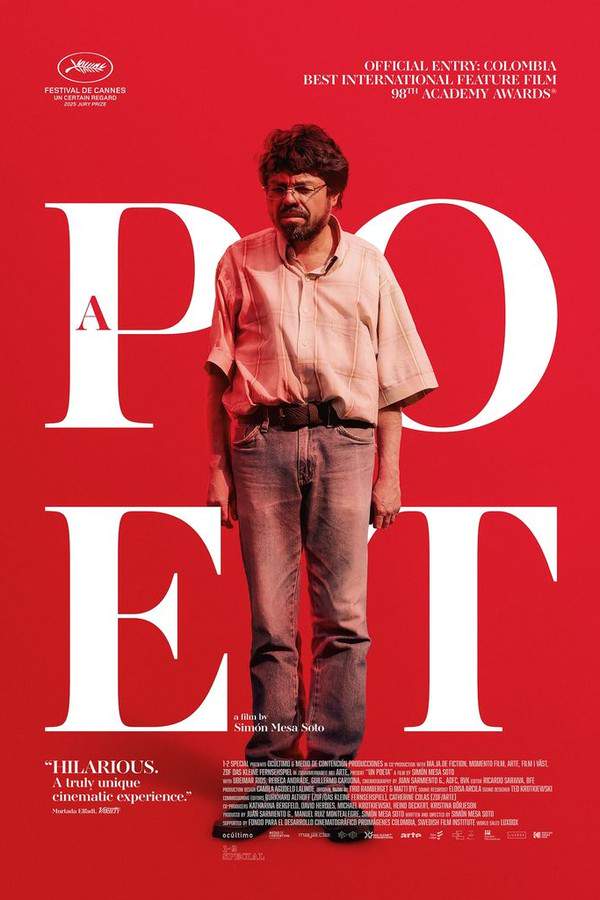
When A Poet premiered at the 2025 Cannes Film Festival, few anticipated that this modest Colombian character study would emerge as one of the most divisive yet celebrated entries in the Un Certain Regard competition. Directed by Simón Mesa Soto and released theatrically on January 30, 2026, the film has since generated significant discourse among cinephiles and casual viewers alike, primarily centered on its unflinching examination of artistic delusion, the “tortured artist” mythology, and a central performance that has been described as both “pitiable” and “unforgettable.” As audiences search for spoiler-free reviews and critical consensus on whether this award-winning drama deserves their attention, the reception landscape reveals a fascinating tension between cringe-inducing comedy and genuine existential pathos. At What’s After the Movie, we’ve analyzed the full spectrum of critic reviews and real user reactions to determine if A Poet (2026) lives up to its festival circuit hype. Whether you’re looking for detailed movie summaries, cast and crew profiles, or wondering about its awards season potential, our comprehensive analysis breaks down exactly what viewers and critics are saying about this unique cinematic experience.
Critical Consensus and Cannes Recognition: How A Poet (2026) Conquered the Festival Circuit
The critical reception of A Poet (2026) presents a fascinating case study in how festival accolades can both elevate a film and create specific expectations that may not align with traditional commercial cinema. Following its victory at the 2025 Cannes Film Festival Un Certain Regard Jury Prize—a significant achievement that automatically positioned it as an Independent Spirit Award nominee for Best International Film—the film garnered a wide spectrum of scores from major outlets, ranging from the perfect 100/100 awarded by the Los Angeles Times to the more measured 70/100 from Next Best Picture. This variance suggests that while critics universally acknowledge the film’s artistic merits, their emotional and intellectual responses to its deliberately uncomfortable tone vary significantly based on individual tolerance for cringe comedy and tragicomedy.
The Los Angeles Times delivered perhaps the most effusive praise, describing how the film “rides its wave of misfit compassion so beautifully because its contradictions live inside Rios’s howling, pitiable shambles of a character, who at times looks like someone sketched by a cynical animator but finished by a sympathetic colorist.” This visual metaphor captures the essence of what many critics found irresistible: the film’s ability to simultaneously mock and empathize with its protagonist’s delusions of grandeur. Similarly, The Playlist awarded the film a 91/100 score, noting that “A Poet is modest but engrossing and a successful attempt by Soto to transcend the stereotypes imposed upon him and his cinema as a Colombian artist,” suggesting that the film’s international reception carries additional weight as a statement against reductive expectations for Latin American cinema.
However, not all critical reactions were uniformly ecstatic. Next Best Picture’s 70/100 score, while still positive, indicates a more reserved appreciation, describing the film as “an insightful meta-meditation on the meaning of creation” that concludes with “rewarding contemplations” and “the power of the spoken word.” This review highlights the film’s literary preoccupations, which may alienate viewers seeking more conventional narrative satisfaction. Slant Magazine’s 75/100 score frames the work as “a finely shaded character study of a recalcitrant social pariah [that] feels more than anything else like an existential parable,” positioning it within the tradition of European art-house cinema rather than accessible mainstream drama.
The consensus across these varied scores suggests that A Poet (2026) functions best as a specialized entry for dedicated film enthusiasts who appreciate handheld cinematography and deliberate pacing. IndieWire (83/100) specifically praised the technical approach, noting how “the handheld camera whip-pans and fast-zooms between cringe-comedy and genuine pathos and back again,” while The Film Stage (83/100) characterized it as “a darkly humorous, cautionary character study in letting one’s long-lost creative dreams drive every decision.” For viewers researching whether A Poet is worth watching based on critical consensus, the data suggests a strong recommendation for fans of international art-house cinema, with the caveat that its uncomfortable tonal shifts may challenge those unprepared for its specific brand of tragicomedy.
Ubeimar Rios and the Art of Empathy: Performance Analysis in A Poet (2026)
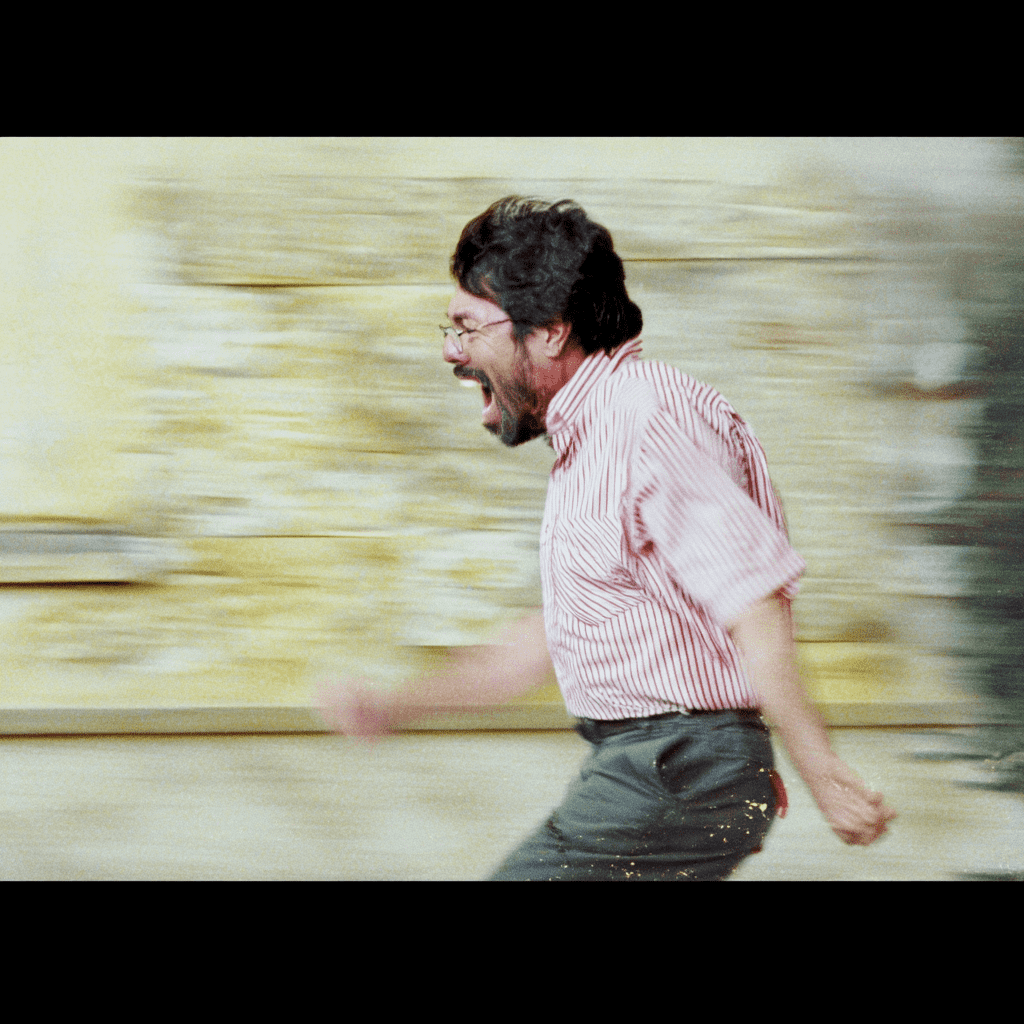
At the center of every review—positive, mixed, or negative—stands the towering performance of Ubeimar Rios, a non-professional actor whose portrayal of Oscar Restrepo has been universally recognized as the film’s gravitational center. The critical discourse surrounding Rios’s work reveals profound insights into how authenticity and lived experience can transcend traditional acting training, creating a character that resonates with viewers long after the credits roll. RogerEbert.com (88/100) captured this phenomenon precisely, stating, “It’s very easy to dismiss a film about a hapless loser. But it’s nearly as difficult to ignore a performance like the one Rios gives,” establishing the paradoxical nature of Oscar’s appeal: he is simultaneously repulsive and magnetic, pathetic yet compelling.
The visual language critics use to describe Rios’s physicality suggests an almost animated quality to his suffering. The Los Angeles Times comparison to someone “sketched by a cynical animator but finished by a sympathetic colorist” implies a character who exists in the liminal space between caricature and humanity. This duality proves essential to the film’s reception, as audiences struggle with whether to laugh at or weep for Oscar’s misfortunes. User reviewer virginia s confirms this emotional complexity, noting that “Oscar is a character you won’t soon forget” and praising the film for being one of the rare “dark comedies” that actually delivers on its comedic promises while maintaining dramatic integrity.
User reactions from the What’s After the Movie community reveal a fascinating split in how audiences interpret Oscar’s behavior. Brent_Marchant provides an extensive analysis describing Oscar as “a ‘sad poet’ (or, more aptly described, ‘sad sack’)” who is “often his own worst enemy, frequently getting in his own way, digging in his heels and refusing to make any compromises.” Yet despite these flaws, Brent notes that “his is more the tale of a sad clown than a genuinely tragic figure, one about whom it’s easy to laugh at, but more out of loving support than harsh ridicule.” This interpretation aligns with Myron M’s observation that viewers find themselves “rooting for the main character despite all his character flaws,” suggesting that Rios’s performance successfully bridges the gap between antihero and object of empathy.
However, the performance also generated controversy regarding Oscar’s decision-making, particularly concerning his relationship with a young student poet named Yurlady. User jesse v (2.5/5) critiqued the character’s inability to recognize “‘But I was trying to help’ as he says not knowing age boundaries and when to stop being insistent.” This criticism highlights how Rios’s authentic portrayal of social awkwardness and professional desperation can create genuine discomfort—precisely the effect Soto intends, but one that may alienate viewers seeking more traditionally likable protagonists. For those exploring actor profiles and filmographies, Rios’s background as a non-professional adds layers of meta-commentary to Oscar’s own struggles with artistic legitimacy, blurring the lines between performance and reality in ways that enhance the film’s meditation on creativity and validation.
Cringe Comedy Meets Existential Dread: Analyzing the Tone and Genre Reception of A Poet (2026)
The tonal architecture of A Poet (2026) represents perhaps the most divisive aspect of its reception, with critics and audiences alike struggling to categorize a film that oscillates between “cringe-comedy and genuine pathos” (IndieWire, 83/100). This deliberate genre ambiguity has led to fascinating discrepancies in viewer expectations, particularly among those approaching the film as a straightforward drama or, conversely, as a lighthearted comedy about artistic life. The Film Stage (83/100) identifies it as “darkly humorous,” while Slant Magazine (75/100) elevates it to “existential parable” status, suggesting that the film operates on multiple interpretive levels depending on the viewer’s cultural and cinematic literacy.
The cringe comedy elements, specifically Oscar’s social transgressions and professional failures, generate what IndieWire describes as a whiplash effect created by “handheld camera whip-pans and fast-zooms” that emphasize his discomfort. This technical approach amplifies the sensation of secondhand embarrassment that defines the viewing experience for many. User virginia s validates this technique’s effectiveness, confirming that the film succeeds where many dark comedies fail by actually delivering genuine comedy alongside its darker elements. The humor emerges not from scripted jokes but from the agonizing gap between Oscar’s self-perception as a vital literary voice and his reality as a bumbling, alcoholic middle-aged man living with his mother and estranged from his daughter.
Yet the film refuses to allow viewers the safety of pure mockery. The Associated Press (88/100) notes that “if Soto’s film is loose and gritty, its satire is remarkably precise,” describing the work as “a farce of creative life where the only pure artistic intention is a joke.” This satirical precision prevents the comedy from becoming cruelty; instead, it functions as a critique of the “tortured artist” mythology that Oscar has internalized. Brent_Marchant’s user review emphasizes this balance, describing the film as “thoroughly tinged with droll humor, ironically but hilariously confirming his worst fears about himself,” while maintaining that Oscar remains “a hard luck case for whom it’s easy to feel sorry.”
The existential dread underlying the comedy emerges from Oscar’s recognition of his own obsolescence and the genuine terror of unrealized potential. Next Best Picture (70/100) highlights how the film serves as a “meta-meditation on the meaning of creation,” wrapping “the protagonist’s search for creative consolidation with a heart-rending bookend.” This philosophical dimension elevates A Poet beyond simple mockery of hipster pretension into a genuine inquiry about the value of art in a society that often ignores it. For viewers browsing movie collections and thematic lists, the film fits uncomfortably between categories—too funny for pure drama, too bleak for pure comedy—creating a unique niche that explains its specialized box office performance and limited but passionate audience.
The Tortured Artist as Tragicomedy: Satirical Themes and Narrative Reception in A Poet (2026)
Beyond its tonal complexities, A Poet (2026) has generated significant critical discourse regarding its satirical targets—specifically, the romanticization of artistic suffering and the disconnect between creative aspiration and practical reality. The New York Times (90/100) delivered a particularly incisive reading, noting that “the writer and director Simón Mesa Soto skewers with knowing precision a kind of devotion to the creative life — without much of the creating — that renders one useless in the real world.” This observation cuts to the heart of why the film resonates with contemporary audiences: it exposes the “tortured artist” archetype as a performance of suffering that often substitutes for actual artistic production.
The narrative’s central irony—encapsulated by user jesse v’s observation about Oscar’s refrain “‘But I was trying to help’“—revolves around the protagonist’s conviction that his artistic sensibility grants him moral superiority, even as his actions consistently create disaster. The Associated Press (88/100) identifies this as the film’s core satirical mechanism: “a farce of creative life where the only pure artistic intention is a joke.” Oscar’s attempt to mentor the young poet Yurlady, which user Brent_Marchant describes as an opportunity for Oscar to “vicariously experience her success, something that hasn’t come to pass in its own right in his own life,” becomes a vehicle for exploring how ego masquerades as altruism in the artistic community.
The theme of “no good deed goes unpunished,” which Brent identifies as the film’s operational logic, creates a narrative structure where Oscar’s every attempt at connection or professional advancement backfires spectacularly. IndieWire (83/100) references the “hapless prof” paving “his own road to hell with his good intentions,” suggesting a moral framework where intention and impact diverge catastrophically. This narrative approach has divided audiences regarding Oscar’s culpability; while some viewers see him as a victim of circumstance, others, like jesse v, view his inability to recognize “age boundaries and when to stop being insistent” as character flaws that transcend sympathetic interpretation.
The ending of the film—described by jesse v as a “hard cut”—has proven particularly controversial among users seeking narrative closure or redemption. This abrupt conclusion aligns with the film’s existentialist underpinnings, refusing to offer the comforting resolution that Oscar’s journey might traditionally demand. Instead, Screen Daily (80/100) notes that the film remains “simultaneously satisfyingly tragic and hilarious,” suggesting that the lack of traditional closure actually serves the thematic purpose of illustrating the ongoing, unresolved nature of Oscar’s struggle. For those researching detailed plot analysis and wiki information, this narrative ambiguity requires careful consideration, as the film prioritizes thematic resonance over plot resolution, a choice that has significantly influenced its mixed audience scores among viewers expecting more conventional storytelling.
Breaking Colombian Cinema Stereotypes: International Reception and Cultural Impact
While A Poet (2026) functions effectively as a universal character study, its reception carries additional significance within the context of Colombian cinema and the international film festival circuit. The Playlist (91/100) specifically highlighted this dimension, praising the film as “a successful attempt by Soto to transcend the stereotypes imposed upon him and his cinema as a Colombian artist.” This framing suggests that the film’s value extends beyond its narrative content into the realm of cultural representation and the breaking of reductive expectations regarding Latin American cinema.
The film’s focus on poetry rather than the violence or poverty often stereotypically associated with Colombian narratives in international markets represents a deliberate aesthetic choice that has shaped its reception. User Myron M noted the rarity of encountering “a movie where a poet and poetry holds center stage in a movie that takes place in Columbia,” expressing appreciation for this cultural specificity that avoids exploitation or sensationalism. This focus on intellectual and artistic life—however flawed the protagonist may be—positions Colombian culture within a global conversation about creativity and middle-class struggle, rather than limiting it to narratives of survival or criminality.
The Cannes Un Certain Regard Jury Prize victory in 2025 positioned A Poet as a significant entry in the global art-house circuit, though its January 2026 theatrical release has sparked discussions about accessibility and marketing. The film’s reception suggests that international audiences are hungry for Colombian stories that complexity rather than simplify the nation’s cultural landscape. Screen Daily (80/100) emphasized that the film is “driven by a compelling performance from non-professional Ubeimar Rios as a man out of time,” suggesting that Oscar’s anachronistic devotion to traditional poetry mirrors the film’s own anachronistic position within contemporary cinema—refusing digital-age pacing and instead embracing the “finely shaded character study” approach praised by Slant Magazine.
For viewers exploring international film collections or seeking to expand their understanding of global cinema beyond Hollywood conventions, A Poet represents an essential entry point into contemporary Colombian filmmaking. Its ability to generate empathy for a deeply flawed protagonist while maintaining cultural specificity offers a model for how national cinemas can achieve universal resonance without sacrificing local identity. The film’s inclusion in prestigious movie lists of significant 2026 releases underscores its importance as a cultural artifact that challenges both local and international expectations.
Is A Poet (2026) Worth Watching? Final Verdict and Viewer Recommendations
After synthesizing the critical consensus, user reactions, and thematic preoccupations of A Poet (2026), the ultimate question remains: is this film worth your time and attention? The answer depends significantly on your tolerance for cinematic discomfort, your appreciation for international art-house cinema, and your interest in unflinching character studies that prioritize psychological realism over narrative satisfaction. For viewers who appreciated films like The Square or Birdman—works that examine artistic ego through a lens of cringe-inducing humor and existential dread—A Poet offers a similarly rewarding, if challenging, experience.
The film’s strongest recommendation comes from its ability to generate genuine empathy through performance. As RogerEbert.com (88/100) noted, while it’s easy to dismiss films about “hapless losers,” Rios’s performance makes such dismissal nearly impossible. User David C’s emphatic “Must watch, excellent movie” and virginia s’s praise for its effective dark comedy suggest that audiences willing to sit with discomfort will find genuine rewards. However, jesse v’s more critical 2.5/5 rating serves as a necessary counterpoint: viewers sensitive to narratives involving boundary-crossing behavior, ambiguous morality, or abrupt endings may find the film frustrating rather than enlightening.
From an analytical perspective, the film offers rich material for those interested in film analysis and cultural commentary. Its meditation on the “tortured artist” trope, its critique of creative capitalism, and its exploration of mentorship and failure provide ample substance for post-viewing discussion. The film’s relatively short runtime (implied by its festival pedigree) and focused narrative make it an accessible entry point for viewers new to Colombian cinema, provided they approach it with appropriate expectations.
For those seeking interactive ways to engage with the film, testing your knowledge of its Cannes history or Simón Mesa Soto’s filmography can enhance appreciation of its achievements. Ultimately, A Poet (2026) is worth watching for anyone interested in boundary-pushing international cinema, exceptional non-professional acting, and narratives that refuse easy moral categorization. It is not recommended for viewers seeking escapist entertainment or traditional comedic relief. Before making your decision, be sure to check the full movie details and cast information on What’s After the Movie, where you can also explore related film summaries and track its awards season journey.
Conclusion: The Lasting Impact of A Poet’s Uncomfortable Truths
The reception of A Poet (2026) ultimately reveals a film that succeeds precisely because it refuses to comfort its audience. In an era where streaming algorithms increasingly preference easily digestible content, Simón Mesa Soto’s unflinching character study stands as a testament to cinema’s ability to explore the unflattering corners of human psychology. The critical acclaim—ranging from the Los Angeles Times’s perfect score to the solid festival consensus—validates the film’s artistic ambitions, while the mixed user reactions underscore its challenging nature. This dichotomy itself becomes a form of recommendation; great art often divides, and A Poet’s ability to generate passionate responses from both supporters and detractors suggests a vitality missing from more conventionally “liked” films.
The performance of Ubeimar Rios will likely remain the film’s lasting legacy, offering a blueprint for how non-professional actors can bring authenticity to roles that professional training might render overly technical or sympathetic. As audiences continue to discover the film through specialized streaming platforms and art-house theaters, its reputation as a cult favorite seems assured, particularly among viewers who appreciate the “sad clown” archetype executed with the precision noted by critics and users alike.
For the What’s After the Movie community, A Poet represents exactly the type of film our platform seeks to highlight: complex, culturally specific yet universally resonant, and deserving of thoughtful analysis beyond simple thumbs-up or thumbs-down metrics. Whether you’re exploring international box office trends, building custom movie lists, or simply seeking your next challenging watch, this film demands consideration. While it may not provide the escapism many seek from cinema, it offers something rarer: a mirror held up to the delusions and dignities of creative life, reflecting back both the absurdity and the profound humanity of those who dare to call themselves artists.
| Resource | Link |
|---|---|
| A Poet Wikipedia | https://en.wikipedia.org/wiki/A_Poet_(film) |
| Rotten Tomatoes | https://www.rottentomatoes.com/m/a_poet |
| Metacritic | https://www.metacritic.com/movie/a-poet/ |
| Box Office Mojo | https://www.boxofficemojo.com/title/tt36544524/?ref_=bo_se_r_1 |
Continue reading




What's After the Movie?
Not sure whether to stay after the credits? Find out!
Check out our other apps:

SAT Sphere
Build confidence for the Digital SAT.

Mori Atlas
Discover wild places worth protecting.

Luntero
Search smarter for a home in Amsterdam.

Plot Explained
Unravel movie endings and hidden clues.

Pokechamp
Dive into Pokémon data and battle logic.

Driving Theory
Get ready for your European theory test.

Movie Dust
Plan your next cinema trip with ease.

Musemap
Find art and culture as you travel.

Selkobase
Compare credentials before committing.

Local Manual
Turn an unfamiliar country into practical next steps.

Lernavi
Compare school systems before your next move.

GymRoam
Find a workout stop wherever your plans take you.
Explore Our Movie Platform
New Movie Releases (2026)
Famous Movie Actors
Top Film Production Studios
Movie Plot Summaries & Endings
Major Movie Awards & Winners
Best Concert Films & Music Documentaries
Movie Collections and Curated Lists
© 2026 What's After the Movie. All rights reserved.
Privacy Policy