
What's After the Movie
Soo Yong
Soo Yong, born Young Hee (also known as Ah Hee or Ahee) on October 31, 1903, in Wailuku, Hawaii, emerged as a significant Chinese-American actress and cultural bridge between East and West during the early to mid-twentieth century. Raised in a family that traced its roots to Zhongshan, Guangdong, she experienced early hardship, losing both parents by age 15 and supporting herself through domestic work for white families in Honolulu while attending Christian Sunday school and public schools. After graduating from Mid-Pacific Institute and the University of Hawaiʻi in 1925, she pursued higher education at Teachers College, Columbia University, becoming one of only fifty women of Chinese descent enrolled in an American college at that time, earning her M.A. in Education in 1927 and changing her name to Soo Yong. Her theatrical career commenced on Broadway in the late 1920s, where she meticulously studied the performance techniques of stars like Katherine Cornell, and in 1929 she married fellow actor Peter Chong (Goo Chang). Her major breakthrough arrived in 1930 when she served as the onstage translator for Mei Lanfang's Peking Opera tour across North America, interpreting Mandarin into fluent English with such clarity that The New York Times praised her diction, apparently unaware that she was in fact a native Hawaiian speaker.
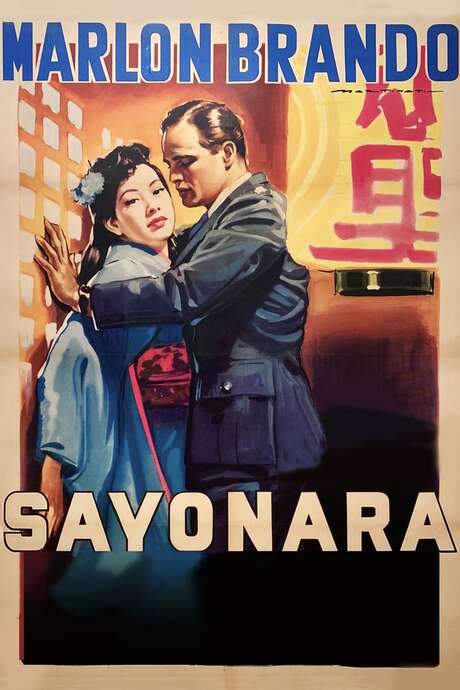
Transitioning to cinema in the mid-1930s, Soo Yong appeared in 23 Hollywood productions, most notably portraying the cruel aunt in The Good Earth (1937) alongside Paul Muni and Luise Rainer, a role she accepted despite her criticism of Pearl S. Buck's novel for portraying only one side of Chinese life and the industry's racial casting practices. She continued to build her filmography with supporting roles in major productions such as Love Is a Many-Splendored Thing (1955) and Sayonara (1957), while simultaneously developing acclaimed solo theater pieces in the late 1930s that introduced American audiences to Chinese culture through performances with groups like the Red Gate Shadow Puppets. In 1941, she married businessman C.K. Huang (Huang Chun Ku), with whom she shared a deep passion for Chinese music and performance, spending winters in Florida and summers in Maine for two decades before returning to Hawaii in 1961. There, she continued her cultural work with the Honolulu Peking Opera Group until her death on October 29, 1984. Her legacy endures through the Chun Ku and Soo Yong Huang Foundation at the University of Hawai'i, which supports graduate scholarships in Chinese culture and theater, cementing her role as a dignified cultural interpreter who balanced her Chinese heritage with Western artistic values without succumbing to the stereotypical "Modern Girl" image often imposed on Asian actresses of her era.
Biography, Career & Filmography
Learn more about Soo Yong, including a detailed biography, career timeline, personal life insights, and complete filmography. Discover how Soo Yong rose to fame, their major roles, industry impact, and personal milestones in the world of film.
Given Name: Young Hee
Born: Wailuku, Hawaii
Citizenship: American
Birthday: October 31, 1903
Occupations: Actress, Translator, Writer, Cultural Interpreter
Years Active: 1927-1984
Spouses: Peter Chong, C.K. Huang
External Links and Streaming Options
Explore more about on trusted external platforms like Wikipedia. Find additional details, reviews, and related content to deepen your understanding.





Career Timeline
Track the complete movie timeline of Soo Yong, including all film releases, career breakthroughs, and notable roles. Follow their journey from early performances to recent blockbusters and upcoming projects.

Coming soon on iOS and Android
The Plot Explained Mobile App
From blockbusters to hidden gems — dive into movie stories anytime, anywhere. Save your favorites, discover plots faster, and never miss a twist again.
Sign up to be the first to know when we launch. Your email stays private — always.
Explore the mobile app
What's After the Movie?
Not sure whether to stay after the credits? Find out!
Check out our other apps:

SAT Sphere
Build confidence for the Digital SAT.

Mori Atlas
Discover wild places worth protecting.

Luntero
Search smarter for a home in Amsterdam.

Plot Explained
Unravel movie endings and hidden clues.

Pokechamp
Dive into Pokémon data and battle logic.

Driving Theory
Get ready for your European theory test.

Movie Dust
Plan your next cinema trip with ease.

Musemap
Find art and culture as you travel.

Selkobase
Compare credentials before committing.

Local Manual
Turn an unfamiliar country into practical next steps.

Lernavi
Compare school systems before your next move.

GymRoam
Find a workout stop wherever your plans take you.
Explore Our Movie Platform
New Movie Releases (2026)
Famous Movie Actors
Top Film Production Studios
Movie Plot Summaries & Endings
Major Movie Awards & Winners
Best Concert Films & Music Documentaries
Movie Collections and Curated Lists
© 2026 What's After the Movie. All rights reserved.
Privacy Policy