
What's After the Movie
Max Terhune
Max Terhune was an American actor and entertainer whose career spanned two decades in Hollywood's Golden Age, leaving an indelible mark on the Western genre through his distinctive comedic performances and unique talents. Born on February 12, 1891, in Franklin, Indiana, Terhune embarked on a circuitous path to stardom, initially working as a tool maker while nurturing his athletic talents as a semi-professional baseball player for teams in Minneapolis, Indianapolis, and Newark, including a 1913 season with the Vincennes Alices of the Kitty League. His entertainment career began in vaudeville, where he honed an impressive array of skills including ventriloquism, magic, card tricks, juggling, bird calls, and barnyard animal impressions, talents that would later define his screen persona. It was his friendship with Kermit Maynard and the encouragement of singing cowboy Gene Autry, with whom he had worked in Chicago radio, that ultimately convinced Terhune to relocate to Hollywood and pursue acting. Between 1936 and 1956, Terhune appeared in nearly seventy films, predominantly B-westerns, establishing himself as one of the most recognizable sidekicks in the genre. He achieved lasting fame portraying Lullaby Joslin in Republic Studios' popular Three Mesquiteers series, appearing in twenty-one episodes alongside stars like Robert Livingston, Ray "Crash" Corrigan, and John Wayne, who took over Livingston's role shortly before achieving superstardom in Stagecoach. Terhune later reunited with Corrigan for Monogram Pictures' Range Busters series, where he played the character Alibi, and frequently collaborated with Gene Autry and Johnny Mack Brown. What distinguished Terhune from other comic sidekicks was his constant companion, the wooden dummy Elmer, who shared his saddle and even received film credits, creating a memorable and whimsical dynamic that delighted audiences. Beyond acting, Terhune was an accomplished magician who performed at Hollywood's prestigious Magic Castle and whose hands famously doubled for Clark Gable's in The King and Four Queens (1956). His final screen appearance came in George Stevens' epic Giant (1956), where he played Dr. Walker, a dramatic departure from his usual comedic roles. In his personal life, Terhune married Maude Cassidy in 1922, with whom he had three children, and he spent his later years performing at Corriganville, the western film location developed by his friend Ray Corrigan, before passing away in Cottonwood, Arizona, on June 5, 1973, at the age of 82.
Biography, Career & Filmography
Learn more about Max Terhune, including a detailed biography, career timeline, personal life insights, and complete filmography. Discover how Max Terhune rose to fame, their major roles, industry impact, and personal milestones in the world of film.
Given Name: Max Terhune
Born: Franklin, Indiana, U.S.
Citizenship: American
Birthday: February 12, 1891
Occupations: Actor, ventriloquist, magician
Years Active: 1936-1956
Children: 3
Spouses: Maude Cassidy
External Links and Streaming Options
Explore more about on trusted external platforms like Wikipedia. Find additional details, reviews, and related content to deepen your understanding.

Movies Featuring Max Terhune

Arizona Stage Coach
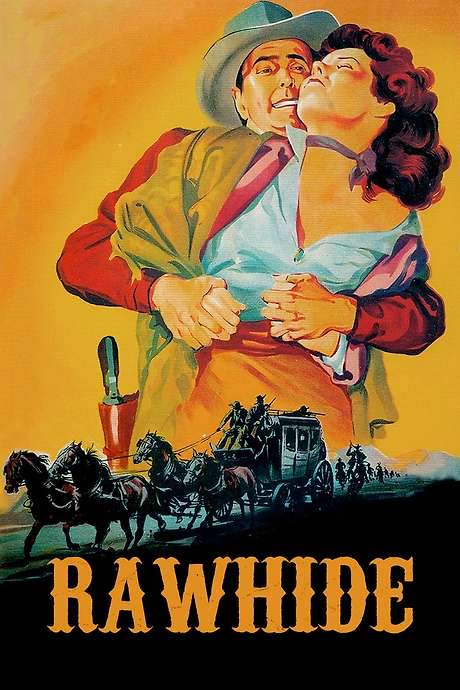
Rawhide

Ride, Ranger, Ride

The Riders of the Whistling Skull

Hit the Saddle

The Trigger Trio

Red River Range

Roarin’ Lead

Gunsmoke Ranch

Overland Stage Raiders

Santa Fe Stampede

Boots and Saddles

Three Texas Steers

Manhattan Merry-Go-Round

Man of Conquest

Ghost Town Gold

The Night Riders
Career Timeline
Track the complete movie timeline of Max Terhune, including all film releases, career breakthroughs, and notable roles. Follow their journey from early performances to recent blockbusters and upcoming projects.
1938
Red River Range
Lullaby Joslin
Overland Stage Raiders
Lullaby Joslin
Santa Fe Stampede
Lullaby Joslin

Coming soon on iOS and Android
The Plot Explained Mobile App
From blockbusters to hidden gems — dive into movie stories anytime, anywhere. Save your favorites, discover plots faster, and never miss a twist again.
Sign up to be the first to know when we launch. Your email stays private — always.
Explore the mobile app
What's After the Movie?
Not sure whether to stay after the credits? Find out!
Check out our other apps:

SAT Sphere
Build confidence for the Digital SAT.

Mori Atlas
Discover wild places worth protecting.

Luntero
Search smarter for a home in Amsterdam.

Plot Explained
Unravel movie endings and hidden clues.

Pokechamp
Dive into Pokémon data and battle logic.

Driving Theory
Get ready for your European theory test.

Movie Dust
Plan your next cinema trip with ease.

Musemap
Find art and culture as you travel.

Selkobase
Compare credentials before committing.

Local Manual
Turn an unfamiliar country into practical next steps.

Lernavi
Compare school systems before your next move.

GymRoam
Find a workout stop wherever your plans take you.
Explore Our Movie Platform
New Movie Releases (2026)
Famous Movie Actors
Top Film Production Studios
Movie Plot Summaries & Endings
Major Movie Awards & Winners
Best Concert Films & Music Documentaries
Movie Collections and Curated Lists
© 2026 What's After the Movie. All rights reserved.
Privacy Policy