What's After the Movie
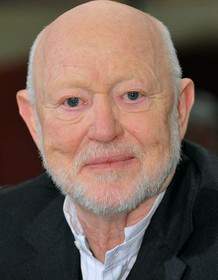
Ernst Jacobi
Ernst Jacobi (born Ernst Gerhard Ludwig Jacobi‑Scherbening on 1933‑07‑11 in Berlin, Germany) was a prolific German actor whose career spanned six decades, encompassing stage, film, television and voice work. His early childhood was marked by upheaval: his parents divorced shortly after his birth, his mother moved to Norway in 1939 while he was placed with his father’s sister in a strict Protestant pastor’s household, and he only reunited with his mother and step‑sister after World War II. At age fifteen he joined the children’s choir of RIAS, and after completing his Abitur in 1951 he trained at the Max‑Reinhardt‑Schule in Berlin until 1953, later honing his craft with Jacques Lecoq in Paris and London during the 1960s. Jacobi began his theatrical career at the Hebbel‑Theater in Berlin and subsequently performed at major venues such as the Deutsches Schauspielhaus in Hamburg, the Münchner Kammerspiele, the Burgtheater in Vienna (1977‑1987) and the Schauspielhaus Zürich (1987‑1992), earning a reputation for serious character roles and a meticulous stage presence. In cinema he gained international recognition for his role as the Nazi Gauleiter Löbsack in Volker Schlöndorff’s Palme d’Or‑winning The Tin Drum (1979) and for portraying Hans in Helma Sanders‑Brahms’s Germany, Pale Mother (1980), a performance that highlighted the psychological toll of fascism on ordinary men. Later, he embodied Adolf Hitler in the Scandinavian biopic Hamsun (1996) and lent his resonant voice as the narrator of Michael Haneke’s award‑winning The White Ribbon (2009). On television he appeared in more than two hundred productions, including iconic series such as Derrick and Tatort, and his final on‑screen appearance was in the crime series Polizeiruf 110 in 2017. As a voice actor, Jacobi dubbed iconic characters for German audiences, most famously providing the German voice of Peter Pan (1953) and later Doc Brown (Christopher Lloyd) in the Back to the Future trilogy. His distinctive vocal timbre also brought numerous audiobooks to life. Jacobi was awarded the Berliner Kunstpreis in 1975 for his portrayal of Alexander März in the TV film Das Leben des schizophrenen Dichters Alexander März, underscoring his artistic versatility. He spent his later years living quietly in Munich before passing away in Vienna on 2022‑06‑23 at the age of 88, leaving behind a legacy of over two hundred screen roles and a body of work that continues to be studied for its depth and historical significance.
Biography, Career & Filmography
Learn more about Ernst Jacobi, including a detailed biography, career timeline, personal life insights, and complete filmography. Discover how Ernst Jacobi rose to fame, their major roles, industry impact, and personal milestones in the world of film.
Given Name: Ernst
Born: Berlin, Germany
Citizenship: German
Birthday: July 11, 1933
Occupations: Actor, Voice actor, Theatre actor
Years Active: 1957-2017
External Links and Streaming Options
Explore more about on trusted external platforms like Metacritic, Rotten Tomatoes, TMDb or Wikipedia. Find additional details, reviews, and related content to deepen your understanding.





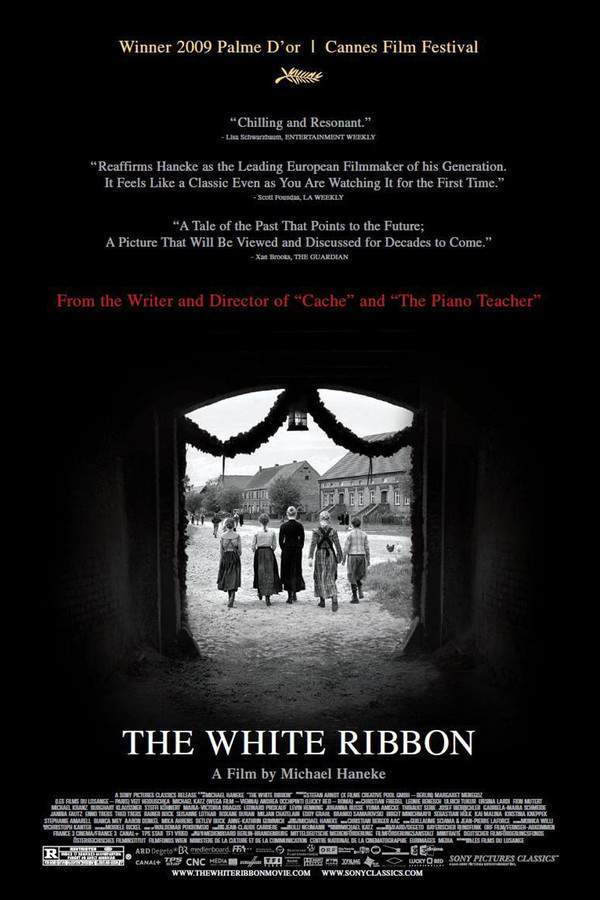

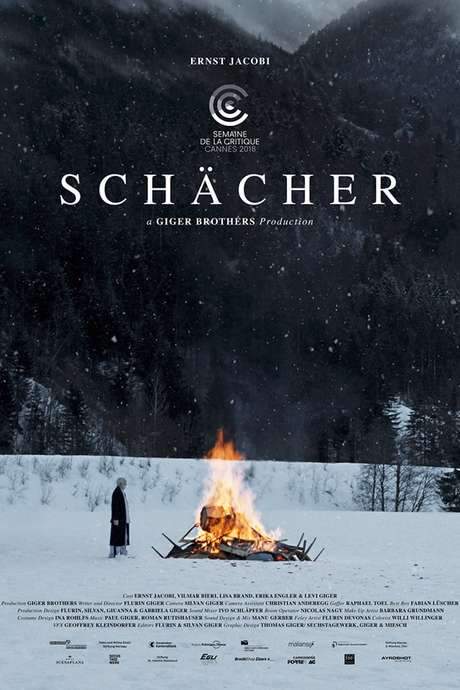


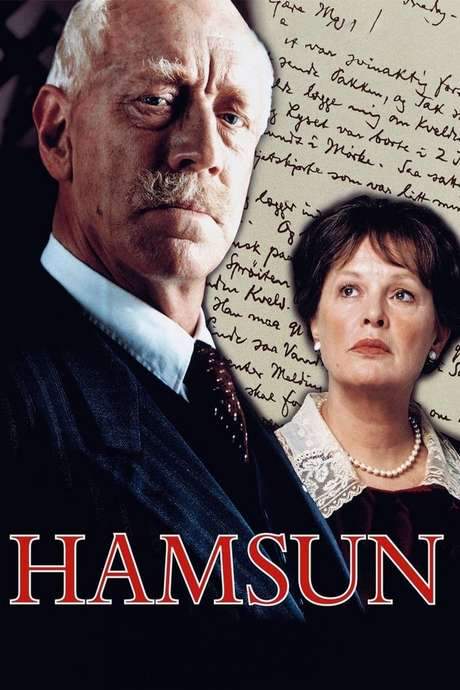

Career Timeline
Track the complete movie timeline of Ernst Jacobi, including all film releases, career breakthroughs, and notable roles. Follow their journey from early performances to recent blockbusters and upcoming projects.

Coming soon on iOS and Android
The Plot Explained Mobile App
From blockbusters to hidden gems — dive into movie stories anytime, anywhere. Save your favorites, discover plots faster, and never miss a twist again.
Sign up to be the first to know when we launch. Your email stays private — always.
Explore the mobile app
What's After the Movie?
Not sure whether to stay after the credits? Find out!
Check out our other apps:

SAT Sphere
Build confidence for the Digital SAT.

Mori Atlas
Discover wild places worth protecting.

Luntero
Search smarter for a home in Amsterdam.

Plot Explained
Unravel movie endings and hidden clues.

Pokechamp
Dive into Pokémon data and battle logic.

Driving Theory
Get ready for your European theory test.

Movie Dust
Plan your next cinema trip with ease.

Musemap
Find art and culture as you travel.

Selkobase
Compare credentials before committing.

Local Manual
Turn an unfamiliar country into practical next steps.

Lernavi
Compare school systems before your next move.

GymRoam
Find a workout stop wherever your plans take you.
Explore Our Movie Platform
New Movie Releases (2026)
Famous Movie Actors
Top Film Production Studios
Movie Plot Summaries & Endings
Major Movie Awards & Winners
Best Concert Films & Music Documentaries
Movie Collections and Curated Lists
© 2026 What's After the Movie. All rights reserved.
Privacy Policy