
Young Woman and the Sea 2024


Directed by

Joachim Rønning
Made by

Jerry Bruckheimer Films
Where to Watch Young Woman and the Sea
See current US streaming, rental, and purchase options for Young Woman and the Sea (2024) via JustWatch.

Streaming availability powered by 
Young Woman and the Sea Plot Summary
Read the complete plot summary and ending explained for Young Woman and the Sea (2024). From turning points to emotional moments, uncover what really happened and why it matters.
In New York City, 1914, a young Trudy Ederle, who is afflicted with measles, witnesses a burning ferry capsize, with that disaster leaving hundreds of the passengers dead. Her mother, Gertrude, is horrified by the incident, and after learning that most of the dead were women due to their inability to swim, she resolves to have Trudy’s siblings, Meg and Henry Jr., learn swimming for their survival, with Trudy barred from water due to her illness. Surprisingly, Trudy recovers from measles. She becomes fascinated with swimming, and having persuaded her stern father, Henry, to allow her, she begins to pursue the sport when she’s 12. Subsequently, Gertrude has them join the Women’s Swimming Association, under the tutelage of the headstrong Charlotte Epstein. Trudy is initially passed over for Meg, whom Epstein favors, nevertheless, she agrees also to train Trudy, who makes quick progress. Over time, Trudy’s performance keeps improving and she wins a string of world records; however, Meg’s advance is far more modest.
In 1924, the Ederles are approached by the American Olympic Union (AOU) about participating in the 1924 Paris Olympics; however, only Trudy is offered a spot. Subsequently, the U.S. women team is introduced to Jabez Wolffe, a swimmer who unsuccessfully attempted to cross the English Channel, as their coach. However, the sexist Wolffe prevents them from properly training, and as a consequence, Trudy only wins bronze medals in the 100 metre freestyle and 400 metre freestyle. She returns to New York in disappointment, which worsens on discovering that in her absence Meg has been become engaged to be married in a deal orchestrated by their father.
After an encounter with Bill Burgess, the second swimmer to have successfully crossed the Channel, a re-motivated Trudy decides to attempt the feat herself. Enlisting Epstein’s help, she approaches James Sullivan of the AOU to sponsor the attempt. Sullivan, an opponent of female athletics, is dismissive of the idea, but offers to sponsor it conditionally, provided that Trudy swims from New York to New Jersey within a three-hour deadline. Trudy easily beats it and earns the sponsorship, but is forced to pair with Wolffe as her coach.
In France, Trudy trains at the Cap Gris-Nez, where she befriends Benji, another swimmer attempting to cross the 21-mile (34 km) Channel; there, she clashes repeatedly with Wolffe, who attempts to control her training. After a near-disastrous attempt by Benji, Trudy embarks on her maiden attempt on 10 July, 1926. With Wolffe directing her, Trudy initially does well, however, the former, having grown jealous of the latter’s progress, ostensibly spikes her tea, which disorients her and brings the attempt to an end. Whilst recovering, Trudy is visited by Henry and Meg, who have come to take her home; however, they are stopped by Burgess, who offers to train her, having deduced Wolffe’s duplicity.
Determined, Trudy secretly escapes from her return trip home, and begins preparations for another attempt, making Burgess promise not to save her, should she fail again. Meanwhile, Sullivan discovers Trudy’s deception; realizing she will attempt again, he notifies the press. On 6 August, 1926, Trudy begins the second attempt, this time with Burgess, Henry and Meg as her guiding team. With the press in tow, the attempt’s developments are monitored worldwide. Despite enduring jellyfish stings, Trudy persists in her attempt, before facing the final challenge: to cross the Goodwin Sands in order to reach England. With her guide boat unable to follow her into the shallow waters, she decides to swim alone rather than accept defeat. By nighttime, her team arrives at Dover; but swimming in open water, Trudy has lost her direction. However, the townspeople set up bonfires on the beaches as a guiding beacon for her. News of her success spreads, and upon her return to New York, Trudy is given a ticker-tape parade through the city, which she shares with her family and Epstein, crediting them for her success.
The intertitles before the film’s closing credits inform that Trudy set the world record for crossing the Channel at 14 hours and 31 minutes, beating the world record held by a man by two hours; she eventually lost her hearing and dedicated her life to teaching deaf children to swim; she died in 2003 at the age of 98.
Young Woman and the Sea Timeline
Follow the complete movie timeline of Young Woman and the Sea (2024) with every major event in chronological order. Great for understanding complex plots and story progression.
Trudy witnesses a tragedy
In 1914, young Trudy Ederle, while suffering from measles, witnesses a catastrophic ferry accident in New York City. The incident results in countless lives lost, particularly affecting women who were unable to swim, leaving a lasting impact on Trudy and her family.
A mother's resolve
Following the disaster, Trudy's mother, Gertrude, becomes determined that her children should learn to swim. She ensures that Trudy's siblings, Meg and Henry Jr., have swimming lessons, while initially banning Trudy from the water due to her illness.
Trudy recovers and starts swimming
After recovering from measles, Trudy develops a fascination with swimming. At the age of 12, she convinces her strict father, Henry, to allow her to swim, marking the beginning of her journey in the sport.
Joining the Women's Swimming Association
Trudy and her siblings join the Women's Swimming Association, where they are taught by the determined coach Charlotte Epstein. Despite initially being overlooked in favor of Meg, Trudy accepts training, quickly showing remarkable progress.
Olympic aspirations
In 1924, the Ederles are approached by the American Olympic Union regarding the Paris Olympics. Trudy is the only one offered a spot, while the team is coached by Jabez Wolffe, who struggles to provide effective training.
Disappointing Olympic performance
During the Paris Olympics, Trudy competes under Wolffe's coaching but only wins bronze medals in both the 100 meter and 400 meter freestyle events. She returns home feeling disheartened, especially after learning about Meg's engagement.
Inspired by Bill Burgess
After meeting champion swimmer Bill Burgess, who successfully crossed the English Channel, Trudy becomes re-energized and decides to attempt the crossing herself. With Epstein's support, she seeks sponsorship for the ambitious endeavor.
Proving her ability
To secure sponsorship from James Sullivan of the AOU, Trudy must swim from New York to New Jersey within a challenging three-hour time limit. She succeeds, gaining the needed support but is forced to work with Wolffe as her coach.
Training in France
In France, Trudy trains at Cap Gris-Nez, where she also befriends fellow swimmer Benji. Tensions arise as Wolffe tries to dominate her training, leading to a clash between Trudy's determination and his oppressive methods.
First attempt to swim the Channel
On July 10, 1926, Trudy makes her first attempt to swim across the English Channel. Under Wolffe's guidance, she starts strong, but he sabotages her with spiked tea, causing her to abandon the attempt.
Support from family and a new coach
While recovering, Trudy is visited by her family, but they are intercepted by Bill Burgess, who offers to coach her following his realization of Wolffe's deceit. This motivates Trudy to prepare for another attempt at crossing.
Secret preparations
Determined to succeed, Trudy secretly plans her return attempt at the Channel and makes Burgess promise not to rescue her if she fails. Meanwhile, Sullivan gets wind of her preparations and brings media attention to the event.
Second attempt begins
On August 6, 1926, Trudy embarks on her second attempt to swim the Channel, this time with Burgess and her family supporting her. The event garners significant media coverage as her progress is closely followed around the world.
Crossing the Goodwin Sands
As Trudy approaches the daunting Goodwin Sands, she faces her biggest challenge yet. Choosing to swim alone in shallow waters rather than accept defeat, she relies on beacons set up by townspeople to guide her to safety.
Celebration of success
Trudy successfully completes her historic swim, setting a new world record. Upon returning to New York, she is honored with a ticker-tape parade, where she shares the joy of her achievement with her family and acknowledges her coach Epstein.
Young Woman and the Sea Characters
Explore all characters from Young Woman and the Sea (2024). Get detailed profiles with their roles, arcs, and key relationships explained.
Trudy Ederle
Trudy is a determined and passionate young woman who defies the odds to become a champion swimmer. Initially restricted by her illness, she overcomes her fears and pursues her swimming ambitions, ultimately becoming the first woman to swim across the English Channel. Her character evolves from a sheltered girl into a powerful symbol of women's empowerment.
Gertrude Ederle
Trudy's mother, Gertrude, is initially portrayed as fearful and protective, but her resolve to ensure her children can swim showcases her adaptability and strength. Her character reflects the societal pressures women of her time faced, adding depth to the story of Trudy's evolution as an athlete.
Bill Burgess
Bill Burgess is a seasoned swimmer who becomes a mentor to Trudy, providing guidance and support during her challenging journey. His recognition of her talent and willingness to stand against the odds plays a pivotal role in her determination to succeed, exemplifying the importance of positive influences in one's life.
Young Woman and the Sea Settings
Learn where and when Young Woman and the Sea (2024) takes place. Explore the film’s settings, era, and how they shape the narrative.
Time period
1914-1926
The film spans from 1914 to 1926, a transformative period marked by the aftermath of World War I and the emergence of women's rights. This era witnessed notable advancements in female athletics, with women challenging societal norms and striving for recognition in sports, particularly swimming.
Location
New York City, Paris, Cap Gris-Nez
The movie primarily takes place in New York City in the early 20th century, a bustling hub of cultural and social change. Paris serves as a backdrop during the 1924 Olympics, symbolizing the dreams of athletes. Cap Gris-Nez, located on the French coast, is known for its challenging swimming conditions, making it a significant site for Trudy's training for her Channel crossing.
Young Woman and the Sea Themes
Discover the main themes in Young Woman and the Sea (2024). Analyze the deeper meanings, emotional layers, and social commentary behind the film.
🏊♀️
Empowerment
The theme of empowerment resonates throughout Trudy's journey as she fights against societal expectations and sexism in swimming. Her determination to achieve her dreams reflects a broader struggle for women's rights during the early 20th century, inspiring others to pursue their passions despite obstacles.
💔
Perseverance
Trudy's unwavering perseverance to cross the English Channel embodies the spirit of resilience. Despite facing numerous challenges, including a manipulative coach and personal setbacks, she continually rises to the occasion, showcasing the importance of tenacity in overcoming life's hurdles.
👩👧👦
Family
Family plays a crucial role in Trudy's life, as her mother’s fears push her to succeed in swimming. The support and sacrifices made by her siblings and father highlight the significance of familial bonds in achieving one's aspirations, emphasizing that success is often a collective journey.

Coming soon on iOS and Android
The Plot Explained Mobile App
From blockbusters to hidden gems — dive into movie stories anytime, anywhere. Save your favorites, discover plots faster, and never miss a twist again.
Sign up to be the first to know when we launch. Your email stays private — always.
Explore the mobile appYoung Woman and the Sea Ending Explained
Unravel the ending of Young Woman and the Sea (2024) with our detailed explanation. Understand the final scenes, character fates, and unresolved questions.
Young Woman and the Sea concludes with Gertrude Ederle finally achieving her lifelong dream of crossing the English Channel, cementing her status as a pioneering female swimmer. After overcoming significant obstacles, including sabotage by her trainer Jabez Wolffe—who, driven by ego and jealousy—poisons her attempt by slipping sleeping pills into her tea, causing her to fall ill mid-swim. Despite this setback, Trudy is inspired and determined not to give up. With the support of experienced swimmer Bill Burgess and her family, she redirects her focus and makes a second, successful attempt. On this occasion, she overcomes dangerous conditions like jellyfish and darkness, and in an awe-inspiring feat, she becomes the first woman to cross the Channel, beating the record set by male swimmers.
The film, while capturing the spirit of her extraordinary achievement, takes some creative liberties. In reality, her first crossing was not as dramatic or immediately preceded by the failure depicted in the film, and there were differences in timing and details of her attempts. For instance, her successful swim happened about a year after her initial failed attempt, not days later, and her dramatic escape via the porthole is fictional. Nonetheless, the ending underscores her resilience and determination, highlighting her impact not only as a champion swimmer but also as a symbol of women’s strength and perseverance in the face of societal prejudice. The movie’s triumphant ending celebrates Gertrude Ederle’s historic crossing as an inspiring testament to the power of persistence and the breaking of barriers for women in sports.
Young Woman and the Sea Spoiler-Free Summary
Discover the spoiler-free summary of Young Woman and the Sea (2024). Get a concise overview without any spoilers.
In bustling 1910s New York, a city humming with the promise of modernity, a young girl discovers a world beyond the streets—one of water, discipline, and ambition. After a tragic ferry disaster starkly highlights the vulnerability of those who cannot swim, Trudy Ederle finds herself drawn to the pool, compelled by a mix of curiosity and a quiet resolve to master a skill once deemed unnecessary for women. The film paints the era with a palette of social expectations and the quiet stirrings of change, setting a tone that balances the grit of early‑century life with the lyrical grace of the water’s surface.
Within her close‑knit family, Gertrude pushes her children toward safety through swimming, while Henry wrestles between traditional protectiveness and his daughter’s yearning for independence. Meg, Trudy’s sister, becomes both a confidante and a subtle foil, illustrating the varied paths women could take in a society still defining their roles. The narrative expands beyond the household as Trudy steps into the Women’s Swimming Association, where the formidable Charlotte Epstein mentors her with a blend of steel‑willed determination and compassionate guidance, symbolizing a new generation of women claiming space in a male‑dominated sport.
Outside the pool, the world of competitive swimming introduces figures who embody the era’s conflicting attitudes. The ambitious yet patronizing coach Jabez Wolffe represents the lingering skepticism toward female athletes, while the seasoned swimmer Bill Burgess offers a glimpse of possibility, having already braved the legendary waters of the English Channel. James Sullivan, a representative of the American Olympic Union, stands at the crossroads of support and resistance, his decisions hinting at the broader institutional challenges Trudy must navigate.
Against this backdrop of familial devotion, mentorship, and societal pressure, the film follows Trudy as she dreams of an unprecedented feat—crossing the English Channel. The story’s tone remains hopeful and resolute, inviting viewers to feel the pull of the tide and the promise that perseverance can rewrite history, all while keeping the true outcome just out of reach, lingering like the horizon she aspires to reach.
Movies with Similar Twists and Themes
Uncover films that echo the narrative beats, emotional arcs, or dramatic twists of the one you're exploring. These recommendations are handpicked based on story depth, thematic resonance, and spoiler-worthy moments — perfect for fans who crave more of the same intrigue.


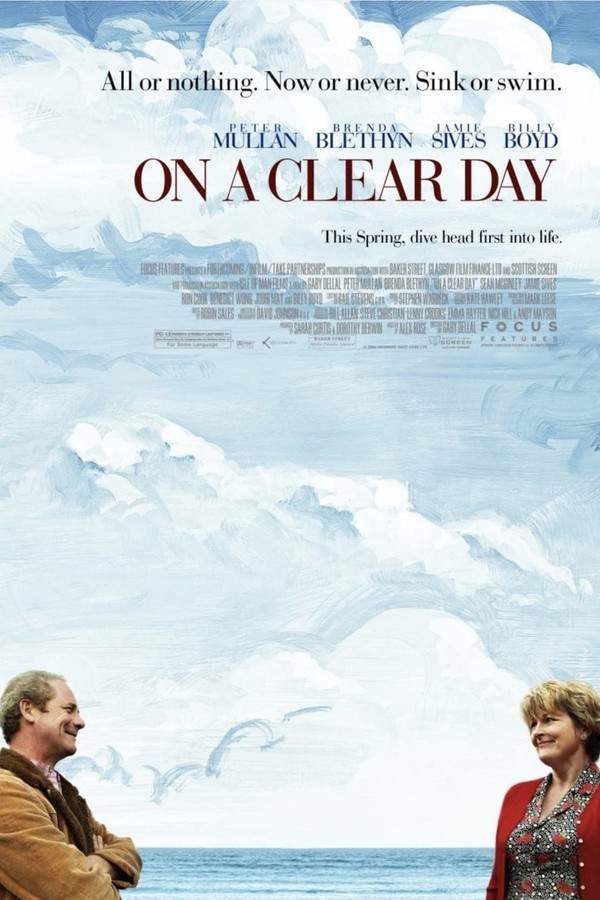

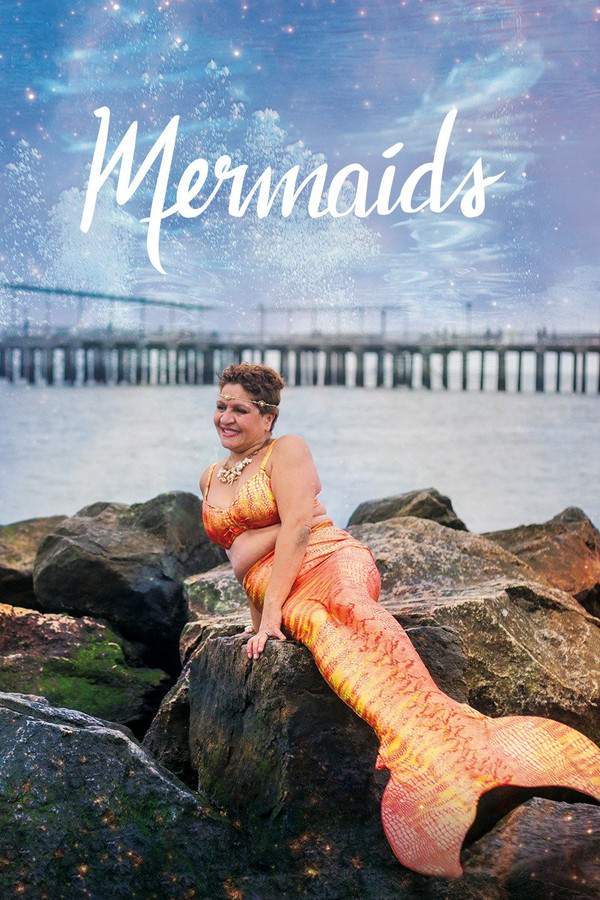


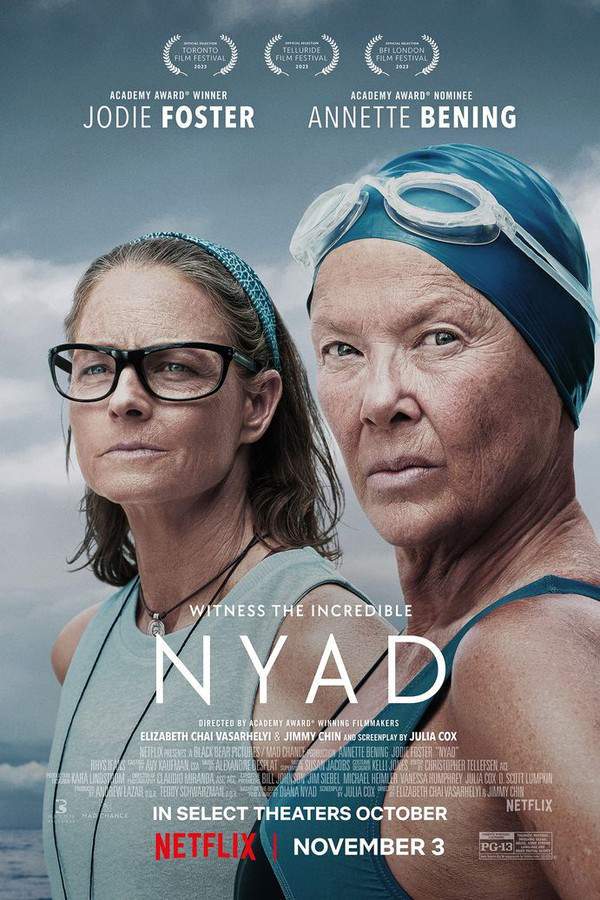
Featured on this page

What's After the Movie?
Not sure whether to stay after the credits? Find out!
Check out our other apps:

SAT Sphere
Build confidence for the Digital SAT.

Mori Atlas
Discover wild places worth protecting.

Luntero
Search smarter for a home in Amsterdam.

Plot Explained
Unravel movie endings and hidden clues.

Pokechamp
Dive into Pokémon data and battle logic.

Driving Theory
Get ready for your European theory test.

Movie Dust
Plan your next cinema trip with ease.

Musemap
Find art and culture as you travel.

Selkobase
Compare credentials before committing.

Local Manual
Turn an unfamiliar country into practical next steps.

Lernavi
Compare school systems before your next move.

GymRoam
Find a workout stop wherever your plans take you.
Explore Our Movie Platform
New Movie Releases (2026)
Famous Movie Actors
Top Film Production Studios
Movie Plot Summaries & Endings
Major Movie Awards & Winners
Best Concert Films & Music Documentaries
Movie Collections and Curated Lists
© 2026 What's After the Movie. All rights reserved.
Privacy Policy