
Wife of a Spy 2020

Directed by
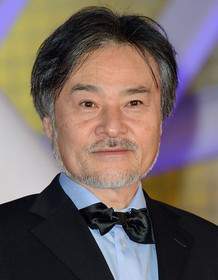
Kiyoshi Kurosawa
Made by

C&I entertainment
Where to Watch Wife of a Spy
See current US streaming, rental, and purchase options for Wife of a Spy (2020) via JustWatch.









Wife of a Spy Plot Summary
Read the complete plot summary and ending explained for Wife of a Spy (2020). From turning points to emotional moments, uncover what really happened and why it matters.
Set in Kobe during 1940, Yūsaku Fukuhara, Issey Takahashi, runs an international import-export business and finds himself drawn into a tense web of suspicion when a British silk merchant is arrested on espionage charges by a unit of the military police. Taiji, Masahiro Higashide, the unit’s newly promoted leader and a childhood friend of Satoko, warns that Yūsaku is under scrutiny under the National Mobilization Law because of his Western clothing, overseas connections, and open contact with foreigners. The arrest ends with the merchant’s departure to Shanghai, and the scene lightly reveals how dangerous the climate has become for anyone seen as too cosmopolitan.
Satoko Fukuhara, Yu Aoi, is introduced as a glamorous, quick-witted figure who stars in an amateur heist film alongside Yūsaku’s nephew Fumio, Ryota Bando. Back at the office, Yūsaku screens this little film for colleagues during a bo nen kai, a ritual of year-end drinking and camaraderie. After the new year, a business trip is proposed—to Manchuria—to import affordable medicines and other goods. The journey is extended beyond the planned two weeks, and upon their return they bring back a woman whom Yūsaku does not tell Satoko about. This mystery woman is Hiroko Kusakabe, Hyunri, and soon a rumor circulates that she has been murdered.
Satoko’s suspicions sharpen when Taiji hints that Hiroko’s death might be connected to Yūsaku’s travel. Satoko confronts the new arrival, Fumio’s reports become clearer, and she learns that Yūsaku and Fumio have uncovered something chilling: a series of biological experiments conducted in Manchuria, involving civilians and contagious diseases, carried out by a covert facility operating in the region. The evidence includes notes translated into English by Fumio and a short film that shows the facilities, the corpses, vivisection, and the burning of bodies. Satoko’s anger flares as she accuses Yūsaku of being an American spy or a traitor to their own country, but Yūsaku clarifies that his aim is not espionage for any nation—he wants to reveal the truth in the name of justice.
Back at work, Yūsaku places the incriminating package into a safe, but Satoko learns the combination and opens the safe herself. A missed chess move turns fatal: a misplaced chesspiece signals that the notebook containing critical notes has vanished. Fumio is arrested by Taiji and the military police and tortured for sharing national secrets with an enemy. When Taiji brings Yūsaku in, the officer reveals that Fumio confessed, though Taiji remains skeptical of forced statements. A second, longer film exists—one that purportedly contains more detail—and Yūsaku explains that he intends to show it to the Americans.
The political climate tightens as 1941 unfolds and the United States imposes an oil embargo on Japan. Legal exit becomes impossible, but Yūsaku manages a hazardous escape plan: he and Satoko decide to leave by smuggling themselves out of Japan in a shipping crate. They swap yen for watches and jewelry to fund the voyage. The plan is to separate, with Satoko taking the film of the experiments hidden in a freighter’s shipping crate and Yūsaku attempting to reach America from Shanghai. However, the smuggling effort encounters treachery: the man hired to smuggle Satoko betrays her under the watch of the military police, who interrogate her with the same force used on Fumio. Satoko pleads to Taiji to show the same kindness he once did, but he strikes her instead, declaring that she has earned death for treason. The film Satoko carries is screened by the police, only to reveal that Yūsaku swapped it with an amateur film of Satoko and Fumio, leaving Satoko with no hard evidence. She is released, and Yūsaku sails away alone toward Shanghai.
In March 1945, Satoko has spent months in a mental hospital, awaiting release through the help of a friend, Dr. Nozaki, Takashi Sasano. Nozaki returns with a rumor that Yūsaku was seen boarding a ship in Bombay bound for Los Angeles, a vessel believed to have sunk. Later that night, Kobe is ravaged by an air raid, and Satoko, left barefoot, wanders the devastated city to the sea, crying out in grief and fear as the hospital collapses around her.
The closing note frames the broader tragedy: Yūsaku Fukuhara is officially listed as dead in 1946, though hints of a forged death certificate whisper that not all truth has vanished. Satoko, by contrast, eventually leaves for the United States a few years after, carrying with her the memory of a husband who chose to reveal unspeakable acts to the world rather than let silence protect complicity.
This sweeping, morally cautious drama unfolds with a quiet insistence on memory, accountability, and the cost of seeking justice in a time when fear and loyalty blur into each other. It builds its tension not through overt battles but through the slow uncovering of evidence, the strains within a family, and the dangerous calculus of doing what is right under a regime that does not welcome truth.
Wife of a Spy Timeline
Follow the complete movie timeline of Wife of a Spy (2020) with every major event in chronological order. Great for understanding complex plots and story progression.
Arrest and MP warning in Kobe
The Japanese military police seize a British silk merchant on espionage charges, and warn Yūsaku Fukuhara that authorities are watching him under the National Mobilization Law. Taiji, the unit's new leader and Satoko’s childhood friend, cautions that Yūsaku's western tastes and foreign connections draw scrutiny. The arrest and warning set the tense backdrop for the couple's life and Yūsaku's future decisions.
Satoko's film scene and office presentation
Satoko stars as a glamorous thief in an amateur heist film with Yūsaku's nephew Fumio, which Yūsaku later screens during the office's bōnenkai. The private film overlays her public image with hints of danger and intrigue. The screening foreshadows the film's later role in exposing secrets to authorities.
Manchuria business trip extends; a new woman returns
After New Year, Yūsaku and Fumio embark on a two-week business trip to Manchuria to import cheap medicine and goods. Their mission abruptly lengthens, and they return with a woman named Hiroko Kusakabe. Satoko grows suspicious of Yūsaku's unexplained activities and the people he travels with.
Fumio's departure to Arima to write a novel
Back in Kobe, Fumio announces he will leave the company for a ryokan in Arima to write about his Manchuria experiences before he is drafted. The move signals a shift toward personal writing and potential entanglement with authorities. He leaves the office behind as the war looms.
Hiroko's murder tip and passports
Taiji mentions Hiroko's alleged murder and that Yūsaku has applied for passports for himself and Hiroko to depart Japan. Satoko's trust frays as she confronts the reality of dangerous secrets behind their comfortable life. The discovery deepens the rift between her and Yūsaku.
The package: notes, film, and the safe
Satoko receives a package containing notes from a doctor and a short film of experiments. She hands it to Yūsaku, hoping for safety, but a toppled chessboard reveals the safe is open and the Japanese notebook missing. The tension builds as a key piece of evidence seems to have vanished.
Fumio is arrested; confession and notebook
Taiji arrests Fumio, who is tortured for allegedly sharing national secrets with the enemy. Taiji doubts the truth of a forced confession, but a notebook given to him by an anonymous citizen implicates broader intrigue. The notebook hints at connections involving Yūsaku and the ongoing case.
The truth about the experiments and the diary
Yūsaku returns home and learns Satoko gave the notebook to Taiji, hoping to shield him. They watch the first portion of the amateur film, which includes shots of the notebook's pages, and realize there is a longer, more detailed film. Yūsaku resolves to show the Americans the full truth in the name of justice.
Oil embargo and escape plan
In 1941, the U.S. oil embargo blocks Japan's exit routes, making any legal escape impossible. Yūsaku decides to smuggle himself out of the country and asks Satoko to accompany him. They prepare to swap money for passage and contemplate splitting up to maximize their chances of survival.
The stowaway attempt and the film swap
Satoko hides in a shipping crate bound for Shanghai, but a smuggler betrays them and points her out to the police. Yūsaku carries out a plan to swap the film of the experiments with an amateur film of Satoko and Fumio to protect the truth. Satoko is released when the film is revealed; Yūsaku sails toward Shanghai in a small fishing boat.
Yūsaku escapes toward Shanghai
Yūsaku's escape succeeds as he sails away toward Shanghai, leaving Satoko behind to continue their mission separately. He believes exposing the wartime horrors to the Allies is the best chance for justice. The journey marks a separation in their paths but keeps their goal intact.
March 1945: Kobe hospital air raid and Satoko’s fate
By March 1945, Satoko is confined to a mental hospital with Dr. Nozaki promising to help her escape through his university connections. An air raid on Kobe destroys the hospital, and Satoko wanders barefoot to the beach, crying and searching for a way out. The event devastates her chances of freedom and signals a turning point in her life.
Bombay rumor and uncertain reunion
Dr. Nozaki mentions rumors that Yūsaku was seen in Bombay boarding a ship to Los Angeles, presumed sunk. The rumor underscores the couple's unresolved hopes and the peril surrounding their mission. The film hints that their quest for truth remains unfinished.
Death certificate forgery and Satoko’s emigration
The final notes reveal that Yūsaku Fukuhara was declared dead in 1946, though signs of forgery on the death certificate cast doubt on the official record. Satoko eventually leaves for the United States a few years later, continuing their legacy of seeking justice. The ending frames their sacrifices against the war’s devastation and unresolved fate.
Wife of a Spy Characters
Explore all characters from Wife of a Spy (2020). Get detailed profiles with their roles, arcs, and key relationships explained.
Yūsaku Fukuhara (Issey Takahashi)
A Japanese international trader who runs a Kobe-based import-export business. He becomes aware of espionage cases and uncovers evidence of wartime atrocities, pushing him toward revealing the truth even as it threatens his status. He is practical, guarded, and driven by a sense of justice rather than allegiance to any country.
Satoko Fukuhara (Yu Aoi)
Yūsaku's wife, a glamorous presence who grows suspicious of her husband and becomes entangled in pursuing the notebook and film. Her actions test loyalty to family and personal safety, risking social and legal peril as she seeks the truth.
Taiji (Yasuharu Tsumori) (military police unit leader)
Leader of a military police unit and a childhood friend of Satoko. He embodies wartime authority, interrogates suspects, and confronts Yūsaku with the consequences of his actions, showing the harsh realities of enforcement under the National Mobilization Law.
Fumio Takeshita (Ryota Bandō)
Yūsaku's nephew who participates in the Manchuria trip and later becomes involved in the pursuit of truth. He is curious and outspoken, and his eventual confession under pressure becomes a pivotal turn in the investigation.
Hiroko Kusakabe (Hyunri)
A woman connected to the Manchuria trip who is murdered, triggering a chain of suspicion and investigative intrigue. Her presence highlights the peril surrounding those involved in illicit activities and wartime schemes.
Dr. Nozaki (Takashi Sasano)
A friend of Satoko and Yūsaku who helps Satoko seek exit from Japan and nods to possible escape routes. He is linked to rumors about Yūsaku’s whereabouts and represents the intertwining of science, education, and wartime power dynamics.
Wife of a Spy Settings
Learn where and when Wife of a Spy (2020) takes place. Explore the film’s settings, era, and how they shape the narrative.
Time period
1940-1945
Set during World War II, the narrative tracks the tightening grip of wartime policy and surveillance in Japan and its periphery. The early 1940s show escalating restrictions on commerce, foreign contact, and travel, culminating in the late-war period marked by shortages, air raids, and desperate escape attempts. By 1945 Kobe endures an air raid, underscoring the transition from quiet risk to open danger as the war nears its end.
Location
Kobe, Manchuria, Arima, Shanghai, Bombay, Los Angeles
The story unfolds in Kobe, a cosmopolitan port city where Yūsaku runs his import-export business, and travels through Manchuria where wartime activities unfold. It then shifts to Arima, Shanghai, and beyond as the protagonists navigate occupation, espionage, and dangerous escape routes, illustrating the global reach of wartime trade and clandestine information. The locations emphasize the clash between civilian life, state power, and the reach of Allied influence.
Wife of a Spy Themes
Discover the main themes in Wife of a Spy (2020). Analyze the deeper meanings, emotional layers, and social commentary behind the film.
🔎
Truth and Justice
The film centers on exposing wartime atrocities and challenging a state that seeks to suppress uncomfortable facts. Yūsaku is drawn to reveal what he has seen, while Satoko’s choices test loyalty and personal risk. The pursuit of evidence and the decision to share it with outsiders become the core tension that drives the narrative.
⚖️
Duty vs. Loyalty
Characters navigate competing loyalties to family, friends, and country. Taiji represents state authority, often clashing with personal bonds and risking relationships to enforce the regime. The story probes where true allegiance lies when survival and national security override individual trust.
🧪
War Crimes and Evidence
The plot centers on documents and film that reveal wartime experiments, framing how evidence is collected, stored, and contested under censorship. It questions the morality of exposing atrocities to foreign audiences and the cost of bringing such truths to light in a hostile environment.
🚢
Escape and Risk
Desperate plans to flee Japan expose the fragility of safety during wartime. Smuggling, travel, and the threat of capture weave through the protagonists’ attempts to reach Allies, reflecting broader wartime exoduses and the high price of seeking justice.

Coming soon on iOS and Android
The Plot Explained Mobile App
From blockbusters to hidden gems — dive into movie stories anytime, anywhere. Save your favorites, discover plots faster, and never miss a twist again.
Sign up to be the first to know when we launch. Your email stays private — always.
Explore the mobile appWife of a Spy Spoiler-Free Summary
Discover the spoiler-free summary of Wife of a Spy (2020). Get a concise overview without any spoilers.
In war‑torn 1940s Japan, the nation teeters between tradition and the looming demands of a global conflict. Amid the bustling ports and quiet neighborhoods of Kobe, everyday life is laced with whispered doubts and careful politeness, creating a backdrop where even the most ordinary conversations feel charged with unspoken stakes. The city’s streets, markets, and homes pulse with an undercurrent of uncertainty, reflecting a society split over its role in the widening war.
Satoko lives a comfortable life as the wife of a well‑established fabric merchant, whose business in imported textiles positions him at the crossroads of foreign influence and domestic expectation. Their marriage appears steady, built on mutual respect and shared routines, yet the shifting political climate begins to stir questions that were once unthinkable. As the nation’s loyalties are tested, Satoko finds herself quietly observing the subtle changes in her husband’s demeanor, wondering whether his devotion is as simple as it seems.
Her husband, Yūsaku Fukuhara, is a man whose outward confidence masks a deeper engagement with the world beyond Japan’s borders. His affinity for Western styles and foreign contacts draws a fine line between curiosity and suspicion in an era where such ties can be perilous. The couple’s interactions become a delicate dance, each word and glance hinting at larger forces at play, while both strive to maintain the fragile veneer of normalcy amid growing unease.
Caught between marital love and the shadow of national intrigue, Satoko must navigate a maze of hidden motives and layered secrets. The film’s tone blends quiet domestic drama with a palpable sense of dread, inviting the audience to share in her careful balancing act—deciding whom to trust, what to reveal, and how to protect the life she knows when the world around her is changing in ways she can scarcely comprehend.
Movies with Similar Twists and Themes
Uncover films that echo the narrative beats, emotional arcs, or dramatic twists of the one you're exploring. These recommendations are handpicked based on story depth, thematic resonance, and spoiler-worthy moments — perfect for fans who crave more of the same intrigue.


Featured on this page

What's After the Movie?
Not sure whether to stay after the credits? Find out!
Check out our other apps:

SAT Sphere
Build confidence for the Digital SAT.

Mori Atlas
Discover wild places worth protecting.

Luntero
Search smarter for a home in Amsterdam.

Plot Explained
Unravel movie endings and hidden clues.

Pokechamp
Dive into Pokémon data and battle logic.

Driving Theory
Get ready for your European theory test.

Movie Dust
Plan your next cinema trip with ease.

Musemap
Find art and culture as you travel.

Selkobase
Compare credentials before committing.

Local Manual
Turn an unfamiliar country into practical next steps.

Lernavi
Compare school systems before your next move.

GymRoam
Find a workout stop wherever your plans take you.
Explore Our Movie Platform
New Movie Releases (2026)
Famous Movie Actors
Top Film Production Studios
Movie Plot Summaries & Endings
Major Movie Awards & Winners
Best Concert Films & Music Documentaries
Movie Collections and Curated Lists
© 2026 What's After the Movie. All rights reserved.
Privacy Policy