


Where to Watch Web of the Spider
See current US streaming, rental, and purchase options for Web of the Spider (1971) via JustWatch.



Streaming availability powered by 
Web of the Spider Plot Summary
Read the complete plot summary and ending explained for Web of the Spider (1971). From turning points to emotional moments, uncover what really happened and why it matters.
The film is narrated by a troubled Edgar Allan Poe [Klaus Kinski], who tries to verify a ghost story by inspecting the ghosts’ tombs, but keeps his distance to avoid inviting a supernatural payback. A journalist named Alan Foster [Anthony Franciosa] visits Poe to pull him back from madness, yet he is drawn into questioning the very truth of Poe’s tales as the two men’s beliefs clash.
This confrontation leads Foster to accept a bet from Lord Blackwood [Enrico Osterman] to spend the night in a haunted castle on All Soul’s Eve. Inside the dim corridors, Foster is confronted by apparitions that look half-human, brought to life with striking and terrifying visual effects. The spectral visitors replay the events that led to their deaths and threaten Foster’s grip on reality as the night wears on. Among these ghosts, Elisabeth Blackwood [Michèle Mercier] becomes a surprising and sympathetic presence, forging a tense, dangerous connection with Foster; Julia [Karin Field] appears as an irritating, abrasive counterpart; William Perkins [Silvano Tranquilli] projects a rough, criminal edge; and Dr. Carmus [Peter Carsten] embodies a chilling, merciless menace.
As the night unfolds, the truth behind the haunting is revealed: the spectres aren’t true phantoms—they are vampires with ghostly powers who need Foster’s blood to sustain their immortal existence. Elisabeth, moved by love, tries to guide Foster toward escape, offering a glimmer of humanity amid the horror. Foster manages to flee the castle, but the garden traps him; in a final, fateful moment of carelessness, he slams the door with such force that metal spikes impale him on the main gate.
Web of the Spider Timeline
Follow the complete movie timeline of Web of the Spider (1971) with every major event in chronological order. Great for understanding complex plots and story progression.
Poe investigates tombs to verify a ghost story
The film opens with Edgar Allan Poe attempting to confirm a rumored ghost story by examining the tombs of the dead. He keeps his distance from anything that might haunt him, wary of the consequences. This sets the thematic frame about belief, fear, and the unknown.
Alan Foster challenges Poe's madness
Journalist Alan Foster visits Poe to pry him away from madness and test the authenticity of Poe's tales. He presses Poe to defend the reality of his stories, hoping to unravel the truth behind the supernatural claims. Their exchange establishes the stakes for what follows.
Foster accepts the bet to spend All Souls' Eve in a haunted castle
Lord Blackwood offers Foster a bet: spend the night in a haunted castle to determine if the legends are real. Foster agrees, drawn by curiosity and the chance to prove Poe's stories are more than fiction. The dare drags him into a night of looming dread.
Foster confronts the half-human ghosts and their reenactments
Inside the castle, Foster encounters apparitions that look half-human, sustained by mesmerizing effects. The ghosts replay the murders that doomed the inhabitants and push Foster toward madness. The boundary between reality and nightmare blurs as fear takes hold.
Elisabeth Blackwood falls for Foster
Among the phantoms, Elisabeth Blackwood emerges and unexpectedly falls in love with Foster. Her affections provide a fragile beacon of humanity amid the terror. Their bond hints at a possible resistance to the castle's dark force.
Julia, William Perkins, and Dr. Carmus appear as ghostly antagonists
The haunting introduces Julia, a loathsome presence; William Perkins, a rough criminal; and Dr. Carmus, the most despicable among them. Each specter intensifies the night’s dread and contributes to the backstories behind the castle’s curse. Their appearances heighten Foster's sense of danger and threat.
The ghosts reveal their true nature: vampires with ghostly powers
Near the night’s end, the apparitions disclose their true nature: they are not ordinary ghosts but vampires wielding ghost-like abilities. They explain that they need Foster's blood to sustain their existence. The horror shifts from haunting to predation.
Elisabeth schemes to save Foster
Despite the danger, Elisabeth attempts to aid Foster's escape. Her actions are driven by love, offering a glimmer of hope amid the encroaching darkness. The plan introduces a possible escape from the castle's deadly rule.
Foster escapes the castle but cannot leave the garden
Foster narrowly escapes the castle walls but remains trapped on the grounds, with danger lingering beyond the doors. The boundary of safety is precarious, and the pursuit continues in the perilous garden. The night’s terror lingers even as he moves away from the main structure.
Tragic end at the main gate
In a fatal misstep born of fear and haste, Foster pushes the gate too hard and is impaled by the metal spikes. Elisabeth's sacrifice cannot save him this time, and the night ends in a brutal, irreversible death. The film leaves the horror sealed by a grim, physical consequence.
Web of the Spider Characters
Explore all characters from Web of the Spider (1971). Get detailed profiles with their roles, arcs, and key relationships explained.
Alan Foster (Anthony Franciosa)
A skeptical journalist drawn into a bet to spend a night in the haunted castle. His curiosity drives him to confront the bizarre, but the night tests his sanity as he confronts spectral reenactments and a deadly secret.
Edgar Allan Poe (Klaus Kinski)
The troubled narrator who inspects the hauntings, promising to separate truth from fiction. His proximity to the events frames the story as a meditation on storytelling, paranoia, and the blurred edges of reality.
Elisabeth Blackwood (Michèle Mercier)
A resident of the castle who falls in love with Foster and becomes a beacon of hope against the malevolent forces. Her humanity clashes with the undead hunger, guiding her to aid Foster’s escape.
Julia (Karin Field)
One of the haunting figures encountered by Foster; abrasive and antagonistic, her presence adds tension within the spectral troupe and heightens the castle’s danger.
William Perkins (Silvano Tranquilli)
A rough, criminal ghost among the undead troupe whose menace intensifies Foster’s confrontation with the supernatural.
Dr. Carmus (Peter Carsten)
The despicable, manipulative presence among the spectral cast. His actions reveal a darker, perhaps scientific, curiosity driving the terror within the castle.
Lord Thomas Blackwood (Enrico Osterman)
The aristocratic host who challenges Foster with the bet and embodies the castle’s oppressive legacy. His influence casts the haunting as a vendetta of the Blackwood lineage.
Web of the Spider Settings
Learn where and when Web of the Spider (1971) takes place. Explore the film’s settings, era, and how they shape the narrative.
Location
Haunted Castle
The haunted castle is the central, ominous setting where the line between nightmare and reality blurs. Its shadowy corridors host the spectral couplets and the predatory secret that drives the plot. The castle’s atmosphere intensifies suspense, turning every room into a potential trap and revelation.
Web of the Spider Themes
Discover the main themes in Web of the Spider (1971). Analyze the deeper meanings, emotional layers, and social commentary behind the film.
🧛
Vampire Reality
The ghosts are revealed to be vampires, transforming a standard haunting into a predatory nightmare. Blood, immortality, and predation become central forces, forcing Foster to discern truth from illusion. The revelation reframes the entire encounter, showing danger can wear a human face.
🕯️
Madness
Spending the night in the castle pushes Foster toward the brink of sanity, echoing Poe’s own struggles with unreliable narration. The eerie events manipulate perception, blurring memory and reality. The setting amplifies fear until the boundary between truth and illusion seems to vanish.
💘
Love vs Death
Elisabeth’s affection for Foster offers a glimmer of salvation amid vampiric peril. Love challenges the paralyzing fear and compels choices that could defy the castle’s curse. The romance becomes a counterweight to horror, illustrating how human connection can resist malevolent forces.

Coming soon on iOS and Android
The Plot Explained Mobile App
From blockbusters to hidden gems — dive into movie stories anytime, anywhere. Save your favorites, discover plots faster, and never miss a twist again.
Sign up to be the first to know when we launch. Your email stays private — always.
Explore the mobile appWeb of the Spider Spoiler-Free Summary
Discover the spoiler-free summary of Web of the Spider (1971). Get a concise overview without any spoilers.
In a fog-laden vision of London, Web of the Spider spins a gothic tale rooted in the macabre literary world of Edgar Allan Poe. The film opens with the author himself, portrayed as a troubled soul wrestling with the validity of his own ghost stories. He maintains a cautious distance from the supernatural, wary of inviting true horror into his life, creating an atmosphere thick with dread and psychological tension. The narrative establishes a compelling duality, questioning whether the terrors depicted in fiction are merely stories or reflections of a darker reality lurking just out of sight.
Into this shadowy world steps Alan Foster, a journalist whose skepticism drives him to seek the truth behind Poe’s madness. Foster’s visit is meant to be a simple interview, but it quickly evolves into a philosophical battleground. He finds himself challenging the author’s belief in the supernatural, determined to prove that logic and reason can dismantle even the most convincing ghost tales. This clash of convictions sets the stage for a test of nerves, drawing Foster away from the safety of rational observation and into the path of genuine danger.
The challenge comes from the enigmatic Lord Blackwood, who offers Foster a wager that seems impossible to refuse: spend a single night in his sprawling, ominous castle on All Soul’s Eve. The castle itself looms as a character in its own right—a place whispered about in hushed tones, its corridors promising a night where the veil between worlds wears thin. Accepting the bet, Foster walks willingly into a situation designed to dismantle his confidence, unaware that the night ahead holds more than just cold drafts and creaking floorboards.
As the evening deepens, the film settles into a tense, atmospheric horror that relies on the unseen and the unexpected. Foster’s ordeal becomes a psychological journey as much as a physical one, forcing him to confront manifestations that challenge his grip on reality. With a tone that blends classic haunted house aesthetics with a looming sense of dread, the story invites viewers to question what lurks in the shadows alongside a protagonist who may have wagered more than he can afford to lose.
Movies with Similar Twists and Themes
Uncover films that echo the narrative beats, emotional arcs, or dramatic twists of the one you're exploring. These recommendations are handpicked based on story depth, thematic resonance, and spoiler-worthy moments — perfect for fans who crave more of the same intrigue.

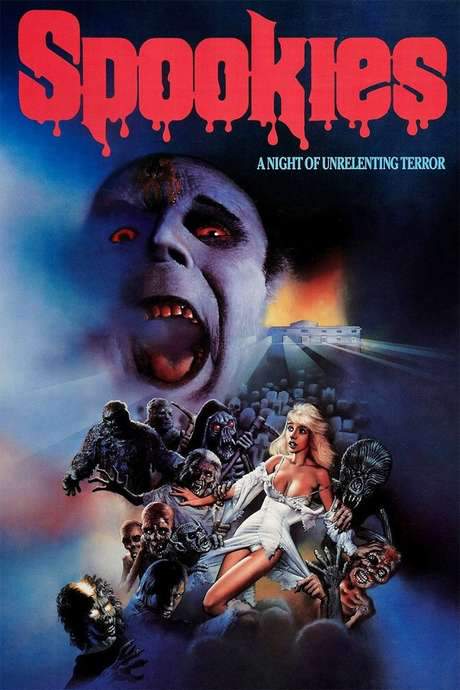

Featured on this page

What's After the Movie?
Not sure whether to stay after the credits? Find out!
Check out our other apps:

SAT Sphere
Build confidence for the Digital SAT.

Mori Atlas
Discover wild places worth protecting.

Luntero
Search smarter for a home in Amsterdam.

Plot Explained
Unravel movie endings and hidden clues.

Pokechamp
Dive into Pokémon data and battle logic.

Driving Theory
Get ready for your European theory test.

Movie Dust
Plan your next cinema trip with ease.

Musemap
Find art and culture as you travel.

Selkobase
Compare credentials before committing.

Local Manual
Turn an unfamiliar country into practical next steps.

Lernavi
Compare school systems before your next move.

GymRoam
Find a workout stop wherever your plans take you.
Explore Our Movie Platform
New Movie Releases (2026)
Famous Movie Actors
Top Film Production Studios
Movie Plot Summaries & Endings
Major Movie Awards & Winners
Best Concert Films & Music Documentaries
Movie Collections and Curated Lists
© 2026 What's After the Movie. All rights reserved.
Privacy Policy