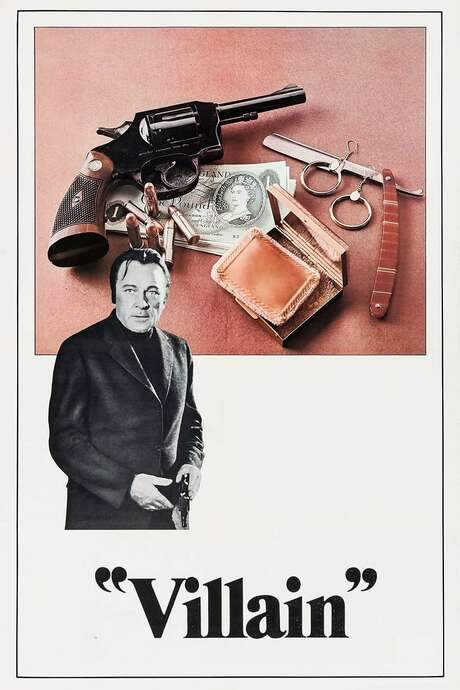
What Is Villain About?
The premise of Villain in 258 words, with nothing given away. The full story follows below.
In the rain‑slick streets of 1970s London, the city throbs with a gritty, unrelenting pulse that feels both historic and on the edge of collapse. The fog‑filled alleys and neon‑lit clubs are a backdrop for a power struggle that stretches from the underbelly of organized crime to the polished corridors of Whitehall. Scotland Yard, weary yet determined, launches a calculated campaign to wrest control from the shadows, aware that any misstep could tip the fragile balance of a metropolis teetering between order and chaos.
Vic Dakin is the unmistakable force at the heart of that darkness—a ruthless mob boss whose reputation for cruelty is matched only by the quiet tenderness he shows his elderly mother. His empire is built on iron‑fisted intimidation, yet it is his brazen decision to blackmail senior Members of Parliament that draws the attention of the highest echelons of power. This audacious overreach transforms a criminal kingpin into a political liability, setting the stage for a tense battle of wills that reverberates across the city’s streets and its most guarded institutions.
Tasked with dismantling Dakin’s network are Bob Matthews and his partner Tom Binney, two detectives whose methods blend relentless scrutiny with an uneasy respect for the criminal mind they pursue. Their investigations unfold in smoke‑filled precincts and rain‑spattered offices, where every clue is a flicker of light in a murky world. As they navigate a maze of loyalty, corruption, and hidden motives, the film’s atmosphere remains taut and foreboding, inviting the audience to wonder which side will ultimately command the night’s unforgiving darkness.
What Happens in Villain?
The complete story of Villain, from the first scene to the last, in 456 words (about 2 minutes). Spoilers throughout. Names in the text link to 9 cast member pages.
Spoilers ahead
Vic Dakin is a ruthless and sadistic London gangster, a figure whose merciless treatment of rivals and loyalists sits in stark contrast with the quiet tenderness he shows toward his elderly mother, Mrs. Dakin. She seems largely oblivious to the violence that stalks his days, which makes his world feel both intimate and dangerous. Dakin hatches an ambitious plan to hijack a delivery of wages to a factory, a heist that must unfold within the territorial bounds of his rival, Frank Fletcher. To pull it off, Fletcher’s consent is essential, and so Fletcher agrees to join forces, bringing along his brother-in-law, Edgar Lowis to seal the deal.
Behind the scenes, the police tighten their net. Detective Bob Matthews and his colleague Tom Binney keep a wary eye on Dakin, aided by an informant, Danny, who moves through Dakin’s circle. In the shadows of the underworld, Wolfe Lissner trades in drugs and supplies girls for the aristocrat’s mansion-hosted sex parties, and he owes money to Dakin, a debt the gangster uses as leverage to keep Wolfe in line.
The heist itself unfolds with violence and misfortune: Fletcher is badly wounded during the raid, and the gang scatters, agreeing to reconvene later to divide the loot. The immediate aftermath sees rapid law enforcement action as Edgar Lowis is arrested when fingerprint evidence ties him to the scene. To shield Dakin, Wolfe enlists Gerald Draycott, a member of parliament, using compromising photos to pressure him into providing an alibi for the operation. The political rope-work adds a chilling layer of manipulation to the crime, highlighting how far the criminal world can reach into the corridors of power.
Suspicion sharpens as Dakin begins to suspect a double-cross by Lowis, who may have hidden the money or betrayed the crew. Through Danny, Matthews learns that Lowis has supposedly been moved to hospital for an ulcer, a ruse meant to stall the investigation. Dakin orders a forceful abduction of Lowis, threatening him to reveal the whereabouts of the stolen funds. They drag Lowis to a disused building, but the loot cannot be found, and the pressure intensifies as the police close in.
A tense confrontation erupts as the chase intensifies. In the end, Dakin and Wolfe make a last, desperate attempt to escape, but they are ultimately captured. The arrest scene is charged with defiance, and Dakin looks out at the onlookers with a chilling glare as he faces the consequences of his brutal empire.
When the dust settles, the courtroom glare and street rumors converge into a stark tableau of power, loyalty, and exposure. Dakin’s bravado finally meets its match, and the story closes on his hard-won, self-assured defiance chastened by the weight of the law.
Who are you looking at?!
Villain Timeline: Every Key Event in Order
12 key events in the order they happen, from “Dakin plans the wages robbery” to “Dakin’s defiant arrest and taunt”. 12 events name a place, across 9 locations.
- 1
Dakin plans the wages robbery
Vic Dakin hatches an ambitious plan to rob a delivery of wages to a factory. The heist would take place in the territory of his rival Frank Fletcher, so Fletcher’s agreement is essential. Dakin begins assembling his crew and weighing the risks and potential payoff, setting the scheme in motion.
When:Pre-robbery planning Where:London
- 2
Fletcher agrees to join the plan
Frank Fletcher agrees to participate in the robbery and to accompany Dakin and his men, bringing along his brother-in-law Edgar Lowis. The alliance between rival factions is fragile, but their coordination is seen as necessary to pull off the heist. The plan is set to unfold with Fletcher in his own territory.
When:Pre-robbery agreement Where:London (Fletcher's territory)
- 3
Police close in on Dakin
Detective Bob Matthews and his colleague Tom Binney keep Dakin under watch, tracking his movements through their informant Danny inside Dakin’s circle. They gather intelligence on his operations and prepare to intervene if the plan goes wrong. The pursuit represents the law’s steady pressure on Dakin’s gang.
When:Ongoing surveillance Where:London
- 4
Wolfe’s debts and exploitation
Wolfe, a minor underworld figure, deals in drugs and acquires sex workers for aristocratic sex parties. He is in debt to Dakin after a money loss and becomes a tool for Dakin's control, including using Wolfe for coercive sexual favors. The arrangement illustrates Dakin’s reach into various criminal networks.
When:As part of Dakin’s leverage Where:London
- 5
The robbery goes ahead; Fletcher is injured
The planned robbery proceeds, but Fletcher is badly injured in the operation. The gang splinters after the attack, with members agreeing to meet later to divide whatever money is recovered. The disruption marks a turning point in the plan and escalates tensions within the group.
When:During the heist Where:On the route to the factory / Fletcher’s territory
- 6
Lowis is arrested
Police quickly arrest Edgar Lowis after fingerprints from the scene are traced to him. Matthews and Binney close in as the investigation tightens, and Lowis becomes a focal point in the case against Dakin. The risk of betrayal within the crew becomes a reality.
When:Immediately after the heist Where:Scene of the robbery, London
- 7
Dakin secures an alibi via Draycott
Dakin’s associate Wolfe arranges leverage over Draycott, a member of parliament, using compromising photos to pressure him into providing a crucial alibi for the robbery. The use of political cover highlights how Dakin extends influence beyond the streets. The alibi is intended to shield the gang from police scrutiny.
When:Post-arrest pressure Where:Parliament / Draycott’s circle
- 8
Dakin suspects double-cross and learns Lowis is hospitalised
Dakin grows suspicious that Lowis has double-crossed the crew and taken the money. Through Danny, he learns Lowis has been transferred to hospital for an ulcer, prompting him to act. The rumor of betrayal heightens the sense of danger surrounding the remaining crew.
When:Following alibi development Where:London
- 9
Lowis abducted for the money
Dakin orders the abduction of Lowis and threatens to kill him unless the money is produced. Lowis is forced to reveal the group’s location and is led toward a disused building where the money is allegedly kept. The coercive tactic demonstrates Dakin’s ruthless leadership.
When:Night/abduction moment Where:Disused building, London
- 10
Disused building confrontation
The abductors move Lowis to a disused building, but the money is nowhere to be found. Police have tracked the crew and move in as the gang attempts to improvise an escape. The standoff culminates in gunfire and chaos.
When:Final confrontation Where:Disused building
- 11
Dakin and Wolfe are captured; Lowis is killed
Amid the chaos, the police close in and Dakin, along with Wolfe, are among the last to be caught. Lowis has already been killed by Dakin during the struggle, signaling the collapse of the gang’s operation. The consequences of the confrontation set the stage for the arrest and trial.
When:Police intervention Where:Disused building / pursuit scene
- 12
Dakin’s defiant arrest and taunt
Dakin is finally arrested and, in a defiant moment, declares that he will beat the charges by intimidating the jury. He glances at the onlookers and bellows, 'Who are you looking at?!' embodying his brazenness to the end. The arrest caps his notorious rise and fall.
When:After arrest Where:Police station / courthouse
Who Are the Main Characters in Villain?
8 characters, among them Vic Dakin (Richard Burton), Wolfe Lissner (Ian McShane) and Edgar Lowis (Joss Ackland): who each one is and the part they play in the story. Every profile links to the actor’s page.
-
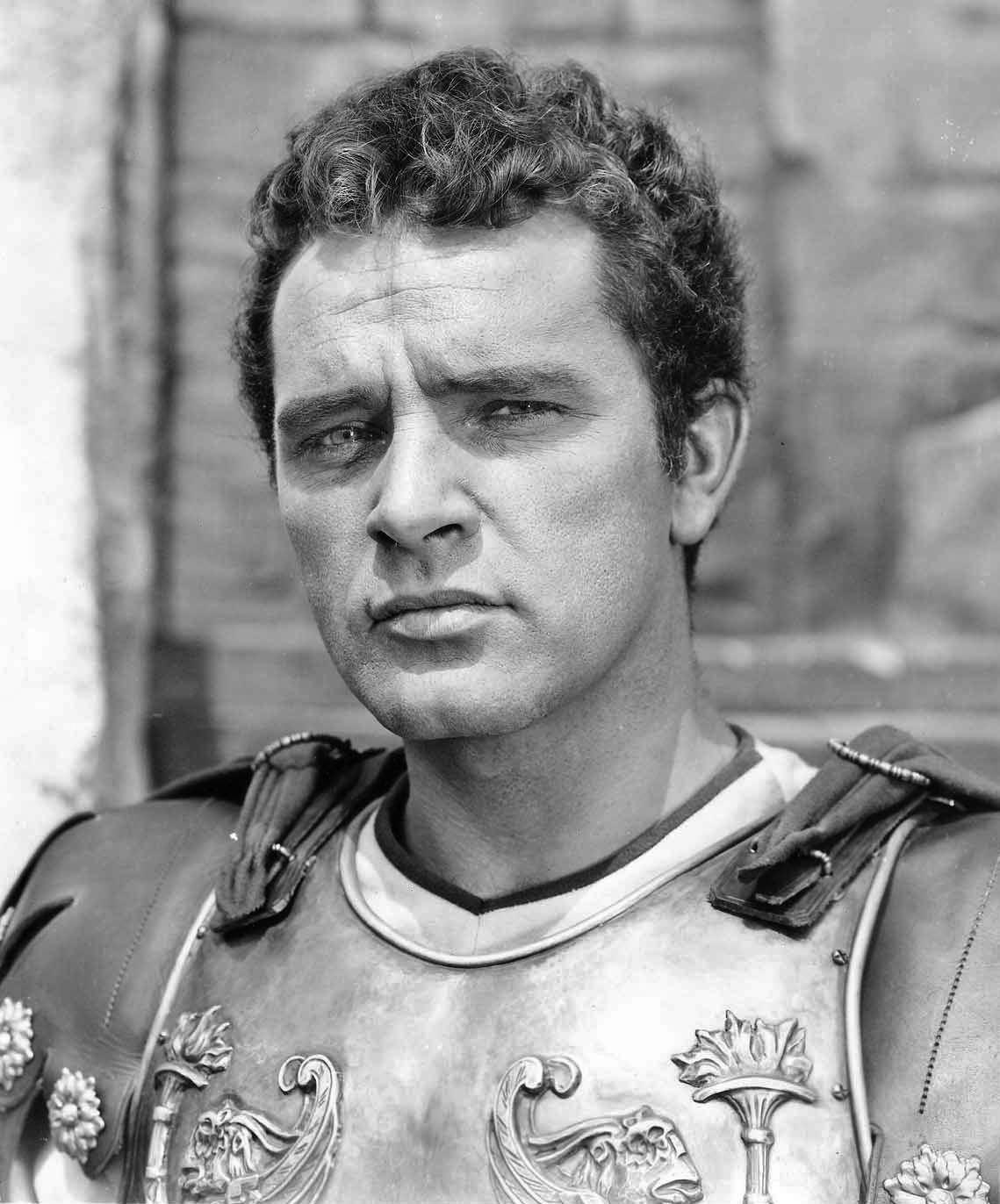
Vic Dakin (Richard Burton)
Played by Richard Burton
A ruthless London gangster who blends brutal control with a surprising tenderness toward his elderly mother. He masterminds the wages robbery and maintains power through intimidation, yet his volatility reveals a more complex psyche. Dakin’s strategic mind and willingness to cross lines for the crew define him as a chilling antagonist.
- 💼 Crime Lord
- 🧠 Calculated
- 🗡️ Violent
-
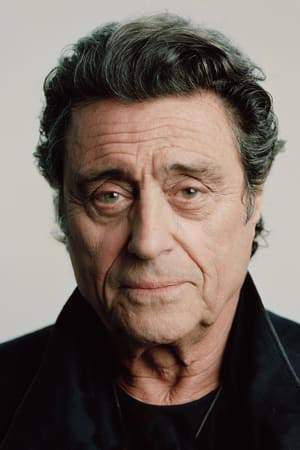
Wolfe Lissner (Ian McShane)
Played by Ian McShane
A minor but influential drug and sex trade facilitator who supplies girls to an aristocratic host. In debt to Dakin, Wolfe becomes a tool to pressure others and secure Dakin’s objectives, revealing his vulnerability to the crime lord’s leverage. He embodies exploitation and the transactional nature of the criminal world.
- 💊 Drug Trade
- 🪬 Sex Helper
- 🧠 Streetwise
-
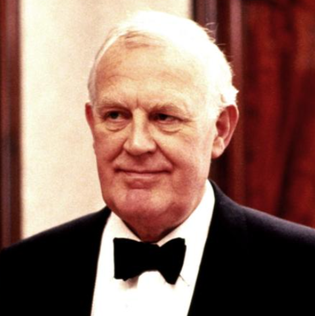
Edgar Lowis (Joss Ackland)
Played by Joss Ackland
Fletcher’s brother-in-law who joins the heist with apparent loyalty but faces the gang’s suspicions of double-crossing. He is abducted by Dakin’s men and killed when the money cannot be found, highlighting the brutal consequences of backing the wrong ally. His fate underscores the precarious nature of loyalty in the criminal network.
- 💼 Informant
- 🗡️ Betrayed
- ⚖️ Risk
- TB
Tom Binney (Colin Welland)
Played by Colin Welland
A persistent police detective who relentlessly tracks Dakin, using informants to stay ahead of the gang. He embodies methodical investigative persistence, balancing skepticism with a willingness to push boundaries in pursuit of justice. Binney’s presence anchors the pursuit of the criminal underworld.
- 🕵️ Detective
- 🧭 Persistent
- 🧩 Strategist
-
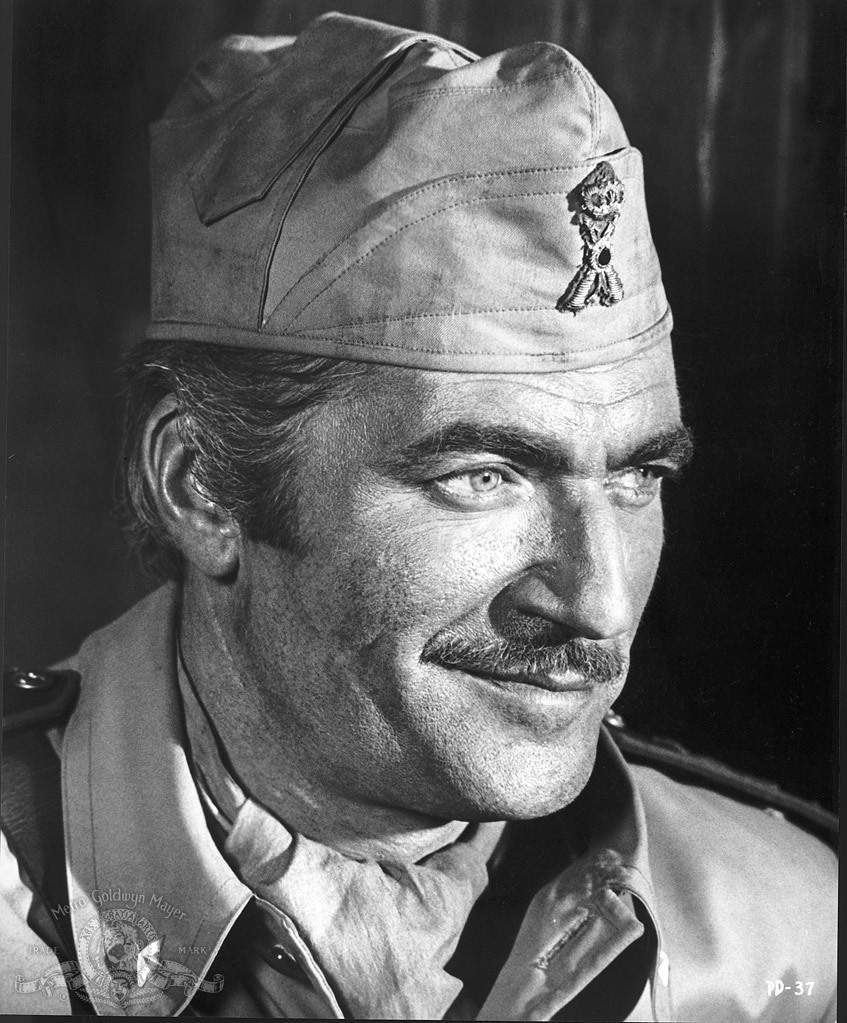
Bob Matthews (Nigel Davenport)
Played by Nigel Davenport
A senior detective who collaborates with Binney to dismantle Dakin’s operation. He coordinates surveillance and procedural efforts, representing the law’s reach into the gangster’s milieu. His role emphasizes the cat-and-mouse dynamic between police and criminals.
- 🕵️ Detective
- 🧰 Steadfast
- 🔎 Inquisitive
- GD
Gerald Draycott (Donald Sinden)
Played by Donald Sinden
A member of Parliament who becomes entangled in Wolfe’s scheme to fabricate an alibi for the robbery. He embodies political exposure to undermine Dakin’s plans, illustrating the film’s theme of power used to shield crime. His vulnerability to manipulation showcases the era’s darker political undercurrents.
- 🏛️ Politician
- 🕳️ Corruptible
- 🧭 Pressure
- FF
Frank Fletcher (T. P. McKenna)
Played by T. P. McKenna
Dakin’s rival whose involvement in the heist and its aftermath demonstrates the volatile nature of underworld alliances. He is injured in the robbery, and his position as a counterpart to Dakin highlights the competition and danger within criminal networks. Fletcher’s presence serves as a counterbalance to Dakin’s brutal leadership.
- 🏷️ Rival
- 🗡️ Injured
- 🧠 Negotiator
- D(
Danny (Anthony Sagar)
Played by Anthony Sagar
An informant within Dakin’s circle who feeds Matthews information about the crew. His loyalty seems contingent, and his role as the information conduit reinforces the police’s ability to stay ahead. Danny’s position as a go-between underscores the fragility of trust in organized crime.
- 🕵️ Informant
- 🧩 Double-dealer
- 💬 Messenger
Where and When Is Villain Set?
Villain is set in London, factory, aristocrat's mansion, disused building, hospital, House of… (late 1960s to early 1970s). Here is why the time and place matter to the story.
When
late 1960s to early 1970s
The events are set in a contemporary London era, where urban crime and gang activity intersect with political exposure. The narrative mirrors a period of shifting social mores, with high-stakes robberies and brutal enforcement. The shifting locations—from industrial zones to opulent interiors—suggest a late-1960s Britain in flux.
Where
London, factory, aristocrat's mansion, disused building, hospital, House of Commons
The film unfolds across contemporary London, moving from a factory payroll setting to a lavish aristocratic mansion where sex parties occur, and to a derelict building used to conceal the crime. Key scenes also touch a hospital where a victim is taken and a parliamentary setting, highlighting crime's reach into public life. The varied locations establish a city-wide crime panorama that intertwines street violence with political intrigue.
- 🗺️ London
- 🏭 Factory
- 🏰 Mansion
- 🏚️ Abandoned building
- 🏥 Hospital
- 🏛️ Parliament
What Are the Themes of Villain?
3 ideas the story keeps returning to, among them Violence, Heist and Corruption.
-
01
Violence
The story centers on brutal intimidation and violent acts that define the underworld. Threats and coercion drive characters to abduct, injure, and kill, raising the stakes of every decision. The violence exposes power dynamics and tests the limits of loyalty within the criminal network. It underscores that fear can be a weapon as effective as any blade.
-
02
Heist
A meticulously planned robbery across rival territories reveals the logistics, risks, and shifting loyalties behind a payout. The scheme relies on deception, informants, and the manipulation of others to secure the money. The plan’s fragility becomes apparent as suspicions and double-crosses emerge. The pursuit of wealth exposes both ambition and vulnerability.
-
03
Corruption
The plot straddles crime and politics, showing how compromised figures can aid or shield criminal activity. Compromising photos are used to pressure a parliamentarian into helping with an alibi, illustrating blurred lines between crime and power. The narrative suggests corruption threads through both underworld and elite circles. Personal motives and self-preservation drive characters to exploit others’ weaknesses.
What Kind of Film Is Villain?
Dark in tone, with steady pacing and a moderate story, going by the plot summary.
- Tone
- Dark
- Pacing
- Steady
- Story
- Moderate
- Intensity
- High
- Ending
- Sad
A grim and tense crime thriller set in a gritty 1970s London underworld, characterized by brutal violence, ruthless manipulation, and an oppressive atmosphere of inevitable downfall.
- gritty
- oppressive
- brutal
- tense
- cynical
- menacing
- organized crime
- police investigation
- political corruption
- blackmail
Content notes: torture, graphic violence, sexual blackmail, kidnapping, murder.
Quiz
How well do you remember Villain? Test yourself on the story.
Where to Watch Villain
Rent or buy it from Amazon Video and Apple TV Store. US availability and prices from JustWatch.


Streaming availability in the US, powered by