
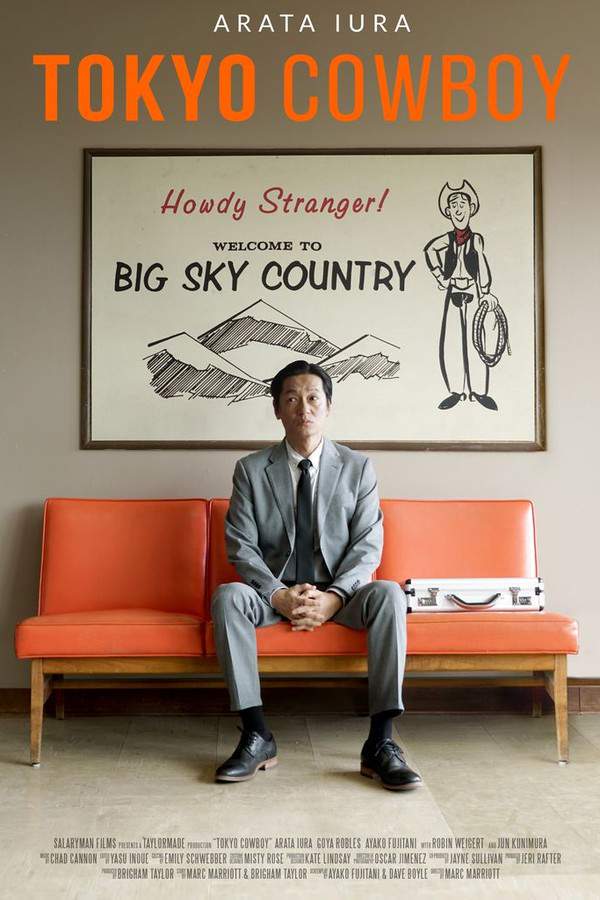
What Is Tokyo Cowboy About?
The premise of Tokyo Cowboy in 263 words, with nothing given away. The full story follows below.
In the bustling corridors of Tokyo’s corporate world, Hideki commands meetings with a precision that borders on detachment, his focus sharpened by a recent acquisition that leaves little room for personal indulgence. When his employer and fiancée, Keiko, threatens to surrender a struggling cattle ranch in the rolling plains of Montana to developers, Hideki sees an opportunity to prove his worth beyond balance sheets. The proposition—turning the rugged property into a profitable venture centered on the prized wagyu beef—pulls him far from neon lights into a landscape defined by wide horizons and the quiet rhythm of livestock.
The Montana setting unfolds as a study in contrasts: weather‑worn fences, open skies, and a close‑knit community that views outsiders with a wary curiosity. Here, the ranch’s owner, Peg, and her steadfast hand, Javier, embody a lifetime of hard‑earned knowledge, their daily routines rooted in the land’s demands. The cultural gap between Hideki’s methodical, city‑born instincts and the seasoned, often unspoken codes of the cowboy world creates a gentle tension that colors every interaction, hinting at both conflict and unexpected camaraderie.
Amidst this backdrop, Hideki wrestles with more than just business logistics. His commitment to Keiko and the looming pressure of a possible breakup linger like an undercurrent, while his growing appreciation for the ranch’s stark beauty nudges him toward a quieter, more purposeful life. The film balances the crisp efficiency of corporate Japan with the rugged, soulful cadence of the American West, inviting viewers to wonder how a man accustomed to control will adapt when the rules he’s always followed dissolve beneath an open sky.
What Happens in Tokyo Cowboy?
The complete story of Tokyo Cowboy, from the first scene to the last, in 565 words (about 2 minutes). Spoilers throughout. Names in the text link to 4 cast member pages.
Spoilers ahead
Once a successful Japanese businessman, Arata Iura portrays Hideki, a man who unexpectedly finds himself navigating a world far from the bustling streets of Tokyo. His journey begins when he takes control of a small chocolate company originally founded by a grandfather who has no grandchildren to pass it down to. During this acquisition, Hideki displays his business focus by refusing to taste the chocolates, a gesture that underscores his impersonal approach to corporate dealings. His role becomes more complex when his boss and fiancée, Ayako Fujitani as Keiko, threaten to sell a struggling cattle ranch in Montana to property developers. Keen on preserving the ranch, Hideki convinces Keiko that he can transform it into a profitable venture by producing high-quality wagyu beef.
Traveling to the United States for this purpose, Hideki embarks on a challenging mission to win over the ranch’s owner, Peg, played by Robin Weigert, and its ranch hand Javier, portrayed by Goya Robles. Upon arriving in Montana, he faces immediate cultural differences that hinder his plans. The local ranch hands view him with suspicion, seeing him as an outsider and a potential threat. The ranch itself presents obstacles, such as the unsuitable terrain for growing the necessary feed for wagyu cattle, like corn, and the significant investments needed to rebuild and adapt the infrastructure.
Feeling overwhelmed and unsure of how to proceed, Hideki begins to learn from Javier, who patiently teaches him the ways of the cowboy, immersing him in the ranching lifestyle. Despite his initial hesitation, being a city boy through and through—though he has childhood memories of his father’s watermelon farm—Hideki gradually develops an affection for the ranch and its resilient community. His dedication and effort to understand the ranching ways begin to earn respect from the ranch hands and impress Peg herself.
Together, Hideki and Javier hatch a daring, risky plan to save the ranch from the threat of development: they decide to buy it by leveraging income from secretly growing quinoa on the land. Javier’s covert crop offers a lucrative solution, and Peg agrees to this innovative strategy. Meanwhile, back in Japan, Hideki’s relationship with Keiko starts to strain. He cancels their planned trip to an onsen couple’s retreat, choosing instead to stay and focus on the ranch. Keiko, feeling betrayed and disappointed, travels to Montana herself, intending to dismiss Hideki from his role and end their five-year engagement.
The tension reaches a peak as Keiko arrives, confronting Hideki and the situation with the ranch. Despite the turmoil, Hideki attempts to salvage their relationship by introducing Keiko to the ranch and sharing their plans to buy it back. He also makes a heartfelt effort to reconnect with her personally—showing her a nearby hot springs, reminiscent of traditional onsen, and apologizing for not considering her preferences earlier. Her initial anger begins to soften as she witnesses his genuine commitment and the ranch’s potential.
In the end, the story celebrates growth and understanding, illustrating how Hideki transforms from a detached businessman into someone genuinely committed to a new way of life. His journey highlights themes of cultural exchange, perseverance, and the importance of finding one’s place, whether in the bustling city or on a sprawling ranch in Montana. The film portrays a heartfelt story of adaptation and reconciliation, leading to a hopeful conclusion where love and shared dreams help mend broken bonds and secure a future worth fighting for.
Tokyo Cowboy Timeline: Every Key Event in Order
10 key events in the order they happen, from “Hideki Takes Over the Chocolate Company” to “They Reconcile at the Hot Springs”.
- 1
Hideki Takes Over the Chocolate Company
Hideki, a Japanese businessman, acquires a chocolate company built by its grandfather owner who has no grandchildren to inherit it. During the takeover, he shows no interest in tasting the chocolate, highlighting his impersonal approach to business transactions.
- 2
Keiko Threatens to Sell the Montana Ranch
Keiko, Hideki's boss and fiancée, threatens to sell her struggling cattle ranch in Montana to property developers. She is determined to offload the ranch due to its financial difficulties and future prospects, pressuring Hideki to intervene.
- 3
Hideki Arrives in Montana
Hideki travels to Montana to convince the ranch owner, Peg, of his plan to turn the ranch into a profitable Wagyu beef business. He faces cultural and logistical challenges, including unfamiliarity with ranch life and resistance from the local ranch hands.
Where:Montana
- 4
Struggles with Ranch Infrastructure and Culture
In Montana, Hideki encounters difficulties due to cultural differences and the unsuitability of the land for growing cattle feed like corn. The ranch requires significant rebuilding, and the local ranch hands view him as a foreign threat, creating tension.
Where:Montana
- 5
Javier Teaches Hideki Cowboy Skills
Javier, a ranch hand, helps Hideki adapt to ranch life by teaching him cowboy skills and customs. Despite his initial hesitation and city background, Hideki begins to develop a genuine affection for the ranch and its community.
Where:Montana
- 6
Hideki Develops a Plan to Save the Ranch
Hideki and Javier devise a risky plan to prevent the ranch from being sold to developers by secretly growing quinoa on the land and selling it. Peg agrees to this innovative strategy, seeing its potential to revive the ranch’s fortunes.
Where:Montana
- 7
Keiko Reaches Montana and Confronts Hideki
Keiko flies to Montana to confront Hideki, furious about his distant behavior and cancelation of their planned trip. She also intends to fire him and cut their five-year engagement due to her feelings of betrayal.
Where:Montana
- 8
Hideki Attempts to Reconcile with Keiko
Hideki introduces Keiko to the ranch and shares their plan to buy and save it from sale. He hopes to mend their relationship by demonstrating his commitment and love for the ranch and her.
Where:Montana
- 9
Keiko Is Impressed and Reconsiders
Keiko is impressed by the ranch’s beauty and the innovative plan to save it. Her perspective shifts as she sees Hideki's genuine involvement and dedication, leading to a reconsideration of their relationship.
Where:Montana
- 10
They Reconcile at the Hot Springs
Hideki takes Keiko to a nearby hot springs, similar to an onsen, to apologize for his neglect and to reconnect. Their shared experience helps mend their relationship, and they begin to rebuild their future together.
Where:Montana
Who Are the Main Characters in Tokyo Cowboy?
4 characters, among them Hideki (Arata Iura), Peg (Robin Weigert) and Javier (Goya Robles): who each one is and the part they play in the story. Every profile links to the actor’s page.
- H(
Hideki (Arata Iura)
Played by Arata Iura
A Japanese businessman who transitions from a detached corporate figure to a passionate rancher. Initially impersonal and hesitant, he gradually develops a love for the ranch and its people, embodying growth and adaptability. His character represents the potential for change through learning and new experiences.
- 🌏 Businessman
- 🌱 Growth
- 🤝 Romance
-

Peg (Robin Weigert)
Played by Robin Weigert
A resilient ranch owner who values her land and community. She is initially skeptical of Hideki but grows to respect his efforts and determination. Peg symbolizes stability and the deep connection to ranch life and tradition.
- 🌄 Rancher
- 💪 Strong-willed
- 🌟 Mentoring
- J(
Javier (Goya Robles)
Played by Goya Robles
A ranch hand who teaches Hideki the ways of cowboy life. He is resourceful and patient, guiding the protagonist through his cultural and practical challenges. Javier's role signifies friendship and the bridging of cultural divides.
- 🤠 Cowboy
- 🧠 Wise
- 🌾 Supportive
- K(
Keiko (Ayako Fujitani)
Played by Ayako Fujitani
Hideki’s fiancée and business partner, initially focused on profit and future plans. Her return to Montana to confront Hideki sparks a pivotal moment in their relationship, revealing her emotional depth and the importance of personal connection over material success.
- 💍 Partner
- 💼 Business
- 💔 Conflict
Where and When Is Tokyo Cowboy Set?
Tokyo Cowboy is set in Tokyo and Montana (Contemporary (present day)). Here is why the time and place matter to the story.
When
Contemporary (present day)
The story takes place in the current era, reflecting modern business practices and relationships. It portrays the challenges of cultural exchange and personal growth in a globalized world, emphasizing the relevance of adapting to different environments and traditions in today's society.
Where
Tokyo, Montana
The movie is set in Tokyo, a bustling metropolis known for its modernity and business centers, and Montana, a vast, rural state recognized for its ranching and natural landscapes. The contrast highlights the cultural and environmental differences between the city and the countryside. Montana's rugged terrain and ranching lifestyle serve as the backdrop for the character's transformation.
- 🏙️ Urban
- 🌾 Rural
- 🐴 Cowboy culture
What Are the Themes of Tokyo Cowboy?
2 ideas the story keeps returning to, among them Cultural Transformation and Love and Reconciliation.
-
01
Cultural Transformation
The film explores the protagonist's journey from a city businessman to a cowboy, emphasizing personal growth and cultural adaptation. It highlights how embracing new environments and traditions can lead to self-discovery and change. The story underscores the value of open-mindedness and the willingness to learn from others.
-
02
Love and Reconciliation
The narrative focuses on the complexities of relationships, including love, betrayal, and forgiveness. The protagonist's efforts to salvage his relationship with Keiko demonstrate the importance of communication and understanding. It portrays how overcoming misunderstandings can lead to reconciliation and emotional healing.
What Kind of Film Is Tokyo Cowboy?
Hopeful in tone, with steady pacing and a straightforward story, going by the plot summary.
- Tone
- Hopeful
- Pacing
- Steady
- Story
- Straightforward
- Intensity
- Medium
- Ending
- Happy
A heartfelt and gently uplifting drama about a businessman's personal transformation as he connects with a rural Montana community, discovering new purpose and mending relationships through perseverance.
- heartfelt
- uplifting
- contemplative
- hopeful
- gentle
- determined
- cultural exchange
- personal transformation
- fish out of water
- saving the farm
Quiz
How well do you remember Tokyo Cowboy? Test yourself on the story.
