
The Butler 2013

Directed by
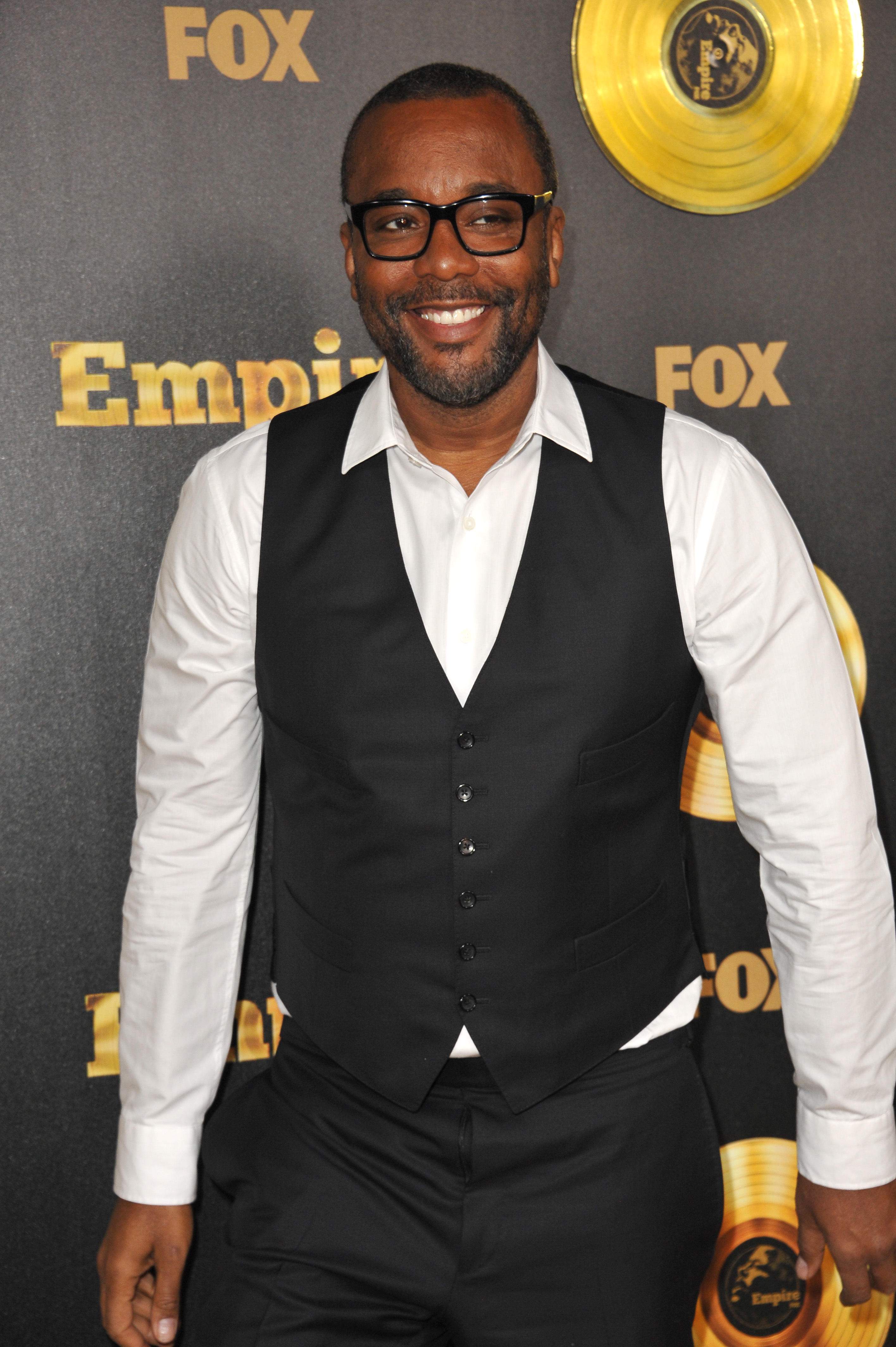
Lee Daniels
Made by

Follow Through Productions
The Butler Plot Summary
Read the complete plot summary and ending explained for The Butler (2013). From turning points to emotional moments, uncover what really happened and why it matters.
Cecil Gaines Forest Whitaker recounts a long life that runs parallel to some of America’s most turbulent decades, beginning with a frame in 2009 as he sits in the White House awaiting a new president. Born on a Georgia cotton plantation to Black sharecroppers during the Jim Crow era, his early world is shaped by hardship and a brutal family tragedy: the white landowner Thomas Westfall Alex Pettyfer rapes Cecil’s mulatto mother, Hattie Pearl Mariah Carey. Cecil is taken in by Westfall’s aging mother, Annabeth Westfall Vanessa Redgrave, who teaches him the discipline of a house servant and helps him survive the plantation’s harsh rules.
In 1937, at eighteen, Cecil leaves the plantation. Driven by hunger, he breaks into a hotel pastry shop, where a compassionate master-servant named Maynard Clarence Williams III offers him a chance. Maynard trains him in advanced serving and social finesse, skills that eventually lead to a position in a Washington, D.C., hotel. There Cecil meets Gloria, whom he marries, and together they raise two sons, Louis David Oyeloyo and Charlie Elijah Kelley. The family life unfolds against the backdrop of shifting opportunities and mounting racial tension, setting Cecil on a path that will intertwine with history itself.
By 1957 Cecil is hired by the White House during Dwight D. Eisenhower’s administration, working as a maître d’hôtel under Freddie Fallows Colman Domingo. He forms bonds with staff like head butler Carter Wilson and co-worker James Holloway, and he bears witness to the president’s hesitant, calculated approach to desegregation—an approach that will be tested in the coming years. As the era of civil rights intensifies, Louis pursues higher education at Fisk University and becomes involved with the movement through the Southern Christian Leadership Conference under James Lawson’s program, which leads to a nonviolent sit-in at a segregated diner. Gloria’s struggle with alcoholism adds a personal layer of strain to the Gaines family.
The early 1960s bring a new president into Cecil’s orbit. John F. Kennedy James Marsden is inaugurated, and the First Lady Jackie Kennedy Minka Kelly embodies a public grace that contrasts with the era’s turbulence. Louis participates in the freedom rides toward Birmingham, Alabama, and later in the 1963 Birmingham Children’s Crusade, where dogs and water cannons are used against marchers. Kennedy responds with a national address proposing the Civil Rights Act of 1964, and Lyndon B. Johnson Liev Schreiber builds on that momentum, pushing for landmark federal reform. In a symbolic gesture of reconciliation, Cecil and his wife are invited to a state dinner hosted by the Reagan era, Nancy Reagan Jane Fonda and Ronald Reagan Alan Rickman, underscoring how national events ripple through the White House’s own social circles. Jackie Kennedy’s ties to the presidency become a personal reminder of history’s reach into private lives.
The momentum continues as the 1960s progress. Louis participates in the 1965 Selma Voting Rights Movement, inspiring Johnson to push Congress to enact the Voting Rights Act of 1965. The era is marred by tragedy, including Martin Luther King Jr.’s assassination, which shakes the family and the nation. King Jr. is depicted in the story by Martin Luther King Jr. Nelsan Ellis, and Louis grapples with his own path—returning to college, earning a master’s degree, and even contemplating elected office as Cecil’s views on justice and equality evolve. Cecil repeatedly faces unequal pay and limited advancement for Black staff at the White House, even as his reputation grows and his influence stretches beyond his original duties.
As the decades roll forward, Ronald Reagan Alan Rickman becomes president, and Cecil’s persistence pushes him toward a more formal recognition of his contributions, culminating in his resignation over policy disagreements, including Reagan’s stance on apartheid in South Africa. Gloria urges him to mend ties with Louis, and father and son attend protests together, sharing a moment of solidarity in the ongoing pursuit of justice. The Gaines family’s arc expands to reflect broader social shifts, including a perception of responsibility that transcends generations.
In 2008, Gloria dies just before Barack Obama is elected as the nation’s first Black president. Two months, two weeks and one day later, Cecil prepares to meet the new president, wearing keepsakes from Kennedy and Johnson as a reminder of where he has been. White House Chief Usher Stephen W. Rochon approaches him, guiding him toward the Oval Office, and Cecil steps forward with a quiet certainty about the road he has traveled and the path ahead. The film closes on a note of quiet endurance, illustrating how one man’s life intersects with the arc of a nation—and how memory, loyalty, sacrifice, and dignity endure through the changing façades of power.
The Butler Timeline
Follow the complete movie timeline of The Butler (2013) with every major event in chronological order. Great for understanding complex plots and story progression.
Cecil Gaines is born on a Georgia cotton plantation
Cecil is born in 1919 on a Georgia cotton plantation to Black sharecroppers. In 1926, at age seven, a white landowner named Thomas Westfall rapes his mother Hattie, and Cecil's father Earl is killed after challenging Westfall. Cecil is taken in by Westfall's elderly mother, Annabeth, who trains him to be a house servant. The early trauma and harsh Jim Crow system shape his early path in life.
Cecil is taken in by Annabeth Westfall and trained as a house servant
Annabeth raises Cecil on the Westfall estate and teaches him the skills of a house servant. He learns discipline, manners, and poise that will later serve him in elite service roles. The mentorship marks his transition from plantation life to the service world.
Cecil leaves the plantation and finds work in hospitality
In 1937, Cecil, then 18, leaves the plantation due to hunger and desperation and breaks into a hotel pastry shop. A kindly former master-servant, Maynard, offers him a job and helps him train in advanced serving. Maynard later recommends Cecil for a position in a Washington, D.C. hotel, launching his path toward the White House.
Cecil meets Gloria and starts a family
While working in the hotel, Cecil meets and marries Gloria. The couple has two sons, Louis and Charlie, beginning a long, complicated family life amid civil rights tensions. Gloria's struggles and Cecil's career ambitions create a balancing act between home life and service to the nation.
Cecil is hired at the White House during Eisenhower's presidency
In 1957, Cecil is hired as a White House maître d'hôtel, a position that places him in the heart of the nation's political life. He is introduced to head butler Carter Wilson and coworker James Holloway, and he witnesses Eisenhower's cautious approach to desegregation. The job marks a turning point in his service to the presidency.
Louis Gaines attends Fisk University and joins the SCLC
Louis, Cecil's eldest son, enrolls at Fisk University in Nashville and becomes involved with the Southern Christian Leadership Conference. He participates in nonviolent sit-ins at segregated venues and is arrested, signaling the rising intensity of the Civil Rights Movement in the family. Gloria sinks deeper into alcohol as tensions mount at home.
Louis and others face violence on a freedom ride
After Kennedy's inauguration, Louis and fellow activists are attacked by Ku Klux Klan members during a freedom ride heading to Birmingham, Alabama. The assault underscores the peril Black activists faced even as federal attention grew. The event further fuels the push for national civil rights legislation.
Birmingham Children's Crusade and Kennedy's Civil Rights address
In 1963, the Birmingham Children's Crusade draws national attention as children march against segregation, with police using dogs and water cannons against demonstrators. President Kennedy delivers a national address proposing civil rights legislation, setting the stage for the Civil Rights Act of 1964. The upheaval deepens the national resolve to end segregation.
The Voting Rights Act takes shape; ties from the president
Following the push for voting rights, Lyndon B. Johnson pushes through landmark legislation, leading to the Voting Rights Act of 1965. As a gesture of support, Johnson presents Cecil with a tie bar during a White House moment, symbolizing his long service and the progress of civil rights. The family witnesses the era's legal victories beginning to reshape American democracy.
Louis joins the Black Panthers and Nixon looms
In the late 1960s, Louis publicly joins the Black Panthers, sparking a rift with Cecil and leading to his eviction from the family home. Cecil becomes aware of President Nixon's plans to suppress Black Panthers, reflecting the broader federal crackdown on Black radical movements. The family is drawn deeper into the era's political crosswinds.
Charlie enlists and is killed in Vietnam
Charlie follows the family's legacy and joins the Vietnam War, where he is killed and buried at Arlington National Cemetery. The tragedy intensifies Cecil's concern about the costs of national service and the choices his sons face. The loss marks a personal turning point amid national conflict.
Cecil fights for equal pay; Reagan era and a state dinner
Back at the White House, Cecil repeatedly challenges unequal pay and stalled career advancement for Black staff. With President Reagan's support, he eventually earns recognition and an invitation to a state dinner, signaling progress within the presidency's inner circle. The moment juxtaposes change at the top with ongoing racial inequality.
Cecil resigns over apartheid and a family protest
Disagreement over Ronald Reagan's refusal to sanction South Africa leads Cecil to resign from the White House. Gloria urges him to reconcile with Louis, and they join a protest against apartheid, where Cecil and Louis are arrested together. The act marks a personal stand against imperial policy.
Gloria's urging leads to reconciliation with Louis
Gloria's insistence helps heal the rift between Cecil and Louis. They reunite to march against apartheid, sharing a common cause and risking arrest. The family finds common ground amid the era's ongoing social battles.
Gloria dies and Obama rises to the presidency
In 2008, Gloria dies shortly before Barack Obama is elected the nation’s first Black president. Two months, two weeks and one day later, Cecil prepares to meet the newly inaugurated president; White House Chief Usher Rochon guides him toward the Oval Office, and Cecil strides forward knowing the path is his. The moment bookends a lifetime of public service and personal endurance.
The Butler Characters
Explore all characters from The Butler (2013). Get detailed profiles with their roles, arcs, and key relationships explained.
Cecil Gaines (Forest Whitaker)
A disciplined, steady but morally driven butler who rises through the ranks to serve multiple administrations. He endures racism and inequality with quiet resolve, balancing professional duty with a longing for fair pay and opportunity for his family. Cecil’s arc traces how personal perseverance can influence the broader course of American history.
Gloria Gaines (Oprah Winfrey)
Cecil’s wife, whose life is strained by his long hours and the political turbulence around him. Her alcoholism becomes a coping mechanism for the stress of their crumbling marriage and the era’s expectations. Gloria embodies the personal costs of public duty.
Louis Gaines (David Oyelowo)
The Gaineses’ elder son, a student at Fisk who becomes an activist and a political figure. His choices lead him into the heart of civil rights protests and political engagement, even as he faces conflict with his father. Louis represents generational passion and the complexities of rebellion versus loyalty.
Charlie Gaines (Elijah Kelley)
The younger son who enlists to serve in Vietnam and is ultimately killed, his death marking a pivotal personal tragedy for the Gaines family. His sacrifice underscores the cost of national conflict on ordinary families. Charlie’s fate reframes the family’s perspective on service and duty.
Jackie Kennedy (Minka Kelly)
First Lady who interacts with the Gaines family and relates to the White House culture of high society. Her presence signals the intersection of celebrity, politics, and national memory. Jackie represents the human side of historic moments within the presidency.
The Butler Settings
Learn where and when The Butler (2013) takes place. Explore the film’s settings, era, and how they shape the narrative.
Time period
1926–2009
The narrative unfolds across much of the 20th century and into the early 21st, beginning in the Jim Crow era and concluding during Barack Obama’s presidency. It chronicles key civil rights milestones, from desegregation and the Civil Rights Act to voting rights and anti-apartheid protests. The tempo shifts from personal survival to public involvement as the nation shifts its laws and attitudes.
Location
Macon, Georgia, Washington, D.C., Little Rock, Arkansas, Birmingham, Alabama, Arlington, Virginia, White House, Washington, D.C., South Africa
The story moves from a Jim Crow-era plantation in Macon to the corridors of power in Washington, D.C. It visits pivotal sites like the Little Rock desegregation events, Birmingham protests, and the White House, reflecting the stages of American racial history. The settings span rural Georgia, national political hubs, and international concerns over apartheid.
The Butler Themes
Discover the main themes in The Butler (2013). Analyze the deeper meanings, emotional layers, and social commentary behind the film.
✊
Civil Rights
The Butler charts the long arc of racial equality through Cecil’s service in the White House, highlighting how ordinary workers help shape national policy. It portrays nonviolent struggle, legal change, and the personal costs of fighting for justice. The film frames civil rights as a sustained, multi-decade effort that spans administrations and generations.
👨👩👦
Family & Loyalty
Cecil’s dedication to Gloria and his sons anchors his public duties, and the strain between home life and career tests their bonds. The story uses intimate family moments to reveal resilience and sacrifice. Loyalty to family often clashes with professional ambition, forcing tough choices.
🏛️
Power & Duty
Serving multiple presidents requires delicate navigation of institutional politics and racial hierarchies. The film examines the ethics of quiet power behind the scenes and questions where loyalty to an office ends and moral responsibility begins. It shows how leadership decisions ripple through the nation and the Gaines family.

Coming soon on iOS and Android
The Plot Explained Mobile App
From blockbusters to hidden gems — dive into movie stories anytime, anywhere. Save your favorites, discover plots faster, and never miss a twist again.
Sign up to be the first to know when we launch. Your email stays private — always.
Explore the mobile appThe Butler Spoiler-Free Summary
Discover the spoiler-free summary of The Butler (2013). Get a concise overview without any spoilers.
In a sweeping, quietly reverent portrait of American history, Cecil Gaines rises from a modest Southern upbringing to become the dignified steward of the West Wing. The film follows his extraordinary three‑decade tenure as a White House butler, a position that places him at the very heart of the nation’s most powerful residence while the country itself transforms around him. Through elegant corridors and formal ceremonies, his story unfolds against a backdrop of shifting political eras, each president leaving its subtle imprint on the rhythm of daily service.
Born into the harsh realities of the Jim Crow South, Cecil carries the weight of his early life into a world of polished protocol and unspoken expectations. Trained in the art of discretion and precision, he learns to navigate the delicate balance between personal dignity and the demands of a job that requires both deference and quiet authority. The tone is one of measured grace, where the quiet clink of silverware and the soft footsteps on marble echo the larger, often turbulent, currents of the era.
At home, Cecil shares his life with his steadfast wife Gloria and their two sons, whose aspirations and convictions sometimes mirror, and sometimes clash with, the values of the institution he serves. Their relationships add an intimate layer to the narrative, hinting at the personal sacrifices and generational hopes that accompany a career spent in the shadows of power. The film subtly explores the interplay between private ambition and public duty, suggesting that the stakes of the White House resonate far beyond its gilded rooms.
The overall mood is contemplative and dignified, blending the grandeur of historic moments with the humble perseverance of an individual who quietly shapes history from behind the scenes. Viewers are invited to linger on the quiet strength of Cecil’s character, feeling the pulse of a nation in transition while savoring the understated elegance of his lifelong service.
Featured on this page

What's After the Movie?
Not sure whether to stay after the credits? Find out!
Check out our other apps:

SAT Sphere
Build confidence for the Digital SAT.

Mori Atlas
Discover wild places worth protecting.

Luntero
Search smarter for a home in Amsterdam.

Plot Explained
Unravel movie endings and hidden clues.

Pokechamp
Dive into Pokémon data and battle logic.

Driving Theory
Get ready for your European theory test.

Movie Dust
Plan your next cinema trip with ease.

Musemap
Find art and culture as you travel.

Selkobase
Compare credentials before committing.

Local Manual
Turn an unfamiliar country into practical next steps.

Lernavi
Compare school systems before your next move.

GymRoam
Find a workout stop wherever your plans take you.
Explore Our Movie Platform
New Movie Releases (2026)
Famous Movie Actors
Top Film Production Studios
Movie Plot Summaries & Endings
Major Movie Awards & Winners
Best Concert Films & Music Documentaries
Movie Collections and Curated Lists
© 2026 What's After the Movie. All rights reserved.
Privacy Policy