
The Woman in the Window 1944


Directed by

Fritz Lang
Made by

International Pictures
Where to Watch The Woman in the Window
See current US streaming, rental, and purchase options for The Woman in the Window (1944) via JustWatch.

Bloodstream
HD
ScreenPix Amazon Channel
HD
ScreenPix Apple TV channel
HD
Fawesome
HD
Plex
HD
Plex Channel
HD
The Roku Channel
HD
Tubi TV
SD
Xumo Play
HD
YouTube Free
HD
Apple TV Store
HD
Amazon Video
HD
Fandango At Home
HD Streaming availability powered by 
The Woman in the Window Plot Summary
Read the complete plot summary and ending explained for The Woman in the Window (1944). From turning points to emotional moments, uncover what really happened and why it matters.
Richard Wanley, Edward G. Robinson, a reserved college professor, sends his wife and two children away for a vacation and slips into a quiet evening at his club with friends. While there, he notices a striking oil portrait of Alice Reed, Joan Bennett, hanging in a storefront window nearby. The painting becomes a topic of conversation as Wanley and his companions discuss its allure and the mystery surrounding its subject. Wanley remains at the club, reading the intimate verses of Song of Songs, yet the image of Reed lingers in his mind. Later, when he steps outside, Reed herself is there, observing the crowd around the painting, and she persuades Wanley to join her for drinks.
What begins as an awkward, chance encounter soon spirals into danger. Reed’s powerful, clandestine lover, Claude Mazard, arrives unannounced, and a volatile confrontation erupts. In self-defense, Wanley kills Mazard. The two of them quickly decide to cover up the fatal incident, and Wanley helps Reed dispose of the body in the countryside. The plan should bring relief, but it only attracts trouble. Wanley discovers that there are clues left behind and that several people may have witnessed what happened.
At the center of the investigation is District Attorney Frank Lalor, Raymond Massey, a shrewd prosecutor who knows Wanley only as a friend from the club. Lalor’s inquiry advances with quiet persistence, drawing Wanley back into the crime scene as a sort of uneasy ally rather than a suspect. Wanley’s usually steady manners begin to falter as he slips into moments of unintentional confession, hinting that he might know far more than a bystander should.
As the case unfolds, Reed becomes the target of pressure from Heidt, a crooked former cop hired to shadow Mazard. Heidt’s demands and threats complicate the couple’s already precarious situation. Wanley and Reed debate how to blunt the blackmail, and Wanley concludes that eliminating Heidt might be the only way to end the danger. Reed supplies Heidt with a powdered drug through a thin, carefully disguised prescription, hoping to quiet him for good. When Heidt returns to collect payment, he drinks the tainted concoction and seems to stumble into the trap Reed has laid, only to die in a subsequent shootout just after leaving Reed’s house. The police, misled by the sequence of events, conclude that Heidt was Mazard’s killer, not Reed’s accomplice.
The emotional weight of the night crashes down when Reed, realizing the law is closing in and that Wanley’s nerves are stretched to a breaking point, calls him with news of the failed attempts. Wanley, overwhelmed, overdoses on the remaining powder and appears to die in his own apartment. But in a startling turn, a match cut reveals that Wanley is alive, waking up at the club where the events began. He has been dreaming, the entire drama unfolding as a dream in which the club’s staff and patrons—employees and regulars alike—were cast as the players in his imagined crime. The revelation shifts the entire story from a literal murder mystery to a fatal dreamlike meditation on temptation, guilt, and the blurred line between reality and imagination.
Stepping out into the street after the revelation, Wanley clutches the painting’s memory but refuses a stranger’s request for a light, a tiny, stubborn act of defiance that underscores his return to a more cautious, still-toned existence.
The Woman in the Window Timeline
Follow the complete movie timeline of The Woman in the Window (1944) with every major event in chronological order. Great for understanding complex plots and story progression.
Wanley sends his family away and goes to his club
After sending his wife and two children on vacation, Richard Wanley heads to the club to meet friends. He reflects on his ordinary life and the quiet tension beneath the surface. This calm setup introduces his routine before the night's events spiral out of control.
Wanley notices the Alice Reed portrait and meets Reed
At the club, Wanley stops before a striking portrait of Alice Reed in a storefront window and discusses it with friends. Reed herself is nearby, watching the people gaze at the painting. Intrigued, she engages him and invites him for drinks.
Reed invites Wanley to continue the evening
Reed persuades Wanley to join her for drinks, initiating an intimate encounter that departs from casual acquaintance. The invitation feels sudden yet alluring, drawing Wanley toward an unstable new connection. The night deepens as the two become more entangled.
Murder of Mazard in self-defense
An unexpected visit from Mazard escalates into a fight at Reed's home. Wanley kills Mazard in self-defense, his actions setting in motion a dangerous cover-up. The decision to hide the crime binds him to Reed and to a perilous lie.
Cover-up begins; Mazard's body disposed in the country
Wanley and Reed conspire to conceal the murder, and Wanley disposes of Mazard's body in the countryside. The pair drain the resources of their lie as they mismanage the evidence and overlook the growing risk. Their plan starts to unravel as clues mount.
Witnesses and clues surface; Wanley slips up
With the investigation underway, Wanley slips and says things that imply knowledge he should not reveal. Several witnesses and stray clues begin pointing to him, complicating any attempt at plausible deniability. The tension rises as the net tightens.
District attorney Lalor becomes involved as an ally
Wanley's club friend, district attorney Frank Lalor, gets involved in the investigation and invites Wanley back to the crime scene as a friend rather than a suspect. The relationship muddles boundaries and heightens Wanley's paranoia about being discovered. The dynamic adds a personal dimension to the procedural nightmare.
Heidt blackmails Reed; plan to silence him forms
Heidt, a crooked ex-cop, follows Mazard and begins extorting Reed. Wanley and Reed discuss a plan to kill Heidt, contemplating drastic means to avoid exposure. Reed tries to maintain control while Heidt presses for payment and a getaway.
Overdose triggered by Reed's report of the failed plan
Reed tells Wanley that Heidt's extortion attempt has failed, prompting Wanley to overdose on the remaining prescription powder in a suicide attempt. The moment underscores the fragility of their scheme and drives the narrative toward its climactic turn.
Heidt is killed; police suspect Mazard's killer
Heidt is killed in a shootout immediately after leaving Reed's home, and the police quickly assume Heidt was Mazard's killer. The misdirection compounds the tension and ensures Reed's fear of exposure grows. The case takes a twist that pushes Wanley toward a desperate endgame.
Reed learns of Heidt's death and calls Wanley; Wanley is found slumped
Reed learns that the police have killed Heidt and rushes to Wanley's location to call him. Wanley is found slumped over in his chair, apparently dead, amid the unraveling events. The scene sets up the dream reveal that follows.
Dream reveal: the events were a dream, with club employees as the leads
In a match cut, Wanley wakes up back at his club and realizes that the entire sequence was a dream. The employees from the club are revealed as the main characters, flipping the night into a surreal false reality. The twist reframes the entire narrative as a dream logic exercise.
Ending: Wanley refuses a light and runs into the street
Now awake to the dream's unreality, Wanley steps out onto the street in front of the painting. A woman asks for a light, but he refuses and bolts away. The close of the film leaves his fate uncertain and emphasizes the dream's hold on him.
The Woman in the Window Characters
Explore all characters from The Woman in the Window (1944). Get detailed profiles with their roles, arcs, and key relationships explained.
Professor Richard Wanley (Edward G. Robinson)
A cultured, prudent professor who becomes entangled in a fatal confrontation and a spiraling cover-up. He is intelligent and self-controlled, yet increasingly swallowed by fear and rationalizations as the crime deepens. His inner conflict centers on guilt, responsibility, and the temptation to justify wrongful acts.
Alice Reed (Joan Bennett)
A striking, enigmatic woman who lures Wanley into a dangerous scheme. She exudes sophistication but hides a colder, calculating side as the murder plot unfolds. Her actions reveal a capacity for manipulation that fuels the noir tension.
Claude Mazard / Frank Howard / Charlie the Hatcheck Man (Arthur Loft)
A wealthy clandestine lover whose ambiguous identity triggers the fatal confrontation and intensifies the cover-up. His shifting roles add complexity to the web of deception surrounding the crime. He embodies duplicity and the peril of living between identities.
Heidt / Tim, the Doorman (Dan Duryea)
A crooked ex-cop hired to shadow the lovers; his blackmail schemes propel noir tension. He represents corrupt influence close to the case and becomes a volatile variable in Wanley and Reed's precarious plan. His eventual fate underscores the high stakes of crime and exposure.
Frank Lalor, District Attorney (Raymond Massey)
Wanley’s club friend and a sharp-eyed prosecutor who plays a pivotal role as the investigation unfolds. His awareness of the case adds a disciplined, legal lens to the suspense. He embodies the ever-present possibility of justice catching up with the characters.
Mrs. Wanley (Dorothy Peterson)
Wanley’s wife, whose departure and domestic concerns compound the emotional stakes. Her presence foregrounds the personal cost of the crime and the strain on family ties. Her role highlights the tension between public appearances and private truth.
The Woman in the Window Settings
Learn where and when The Woman in the Window (1944) takes place. Explore the film’s settings, era, and how they shape the narrative.
Location
New York City area, Private club, Reed's storefront painting scene, Countryside
The film unfolds across a sophisticated urban setting centered on Wanley's private club and a storefront where a striking painting draws him in. Key action moves from the club to Reed's upscale home and then to a rural countryside as the murder and cover-up unfold. The atmosphere blends nocturnal city life with tense, intimate spaces typical of film noir.
The Woman in the Window Themes
Discover the main themes in The Woman in the Window (1944). Analyze the deeper meanings, emotional layers, and social commentary behind the film.
🌀
Reality vs Illusion
The story constantly challenges what is real versus what is imagined, especially with the dreamlike twist at the end. Wanley grapples with culpability while the events feel simultaneously concrete and spectral. Viewers are left questioning the reliability of perception and the consequences of hidden actions.
🕵️♂️
Crime & Consequences
A murder sets off a web of cover-ups, blackmail, and calculated moves to avoid exposure. The narrative tightens as witnesses and clues accumulate, threatening to unravel Wanley and Reed’s plan. The presence of legal authority adds a menacing undercurrent that justice is never far away.
🎭
Dual Identities
Characters inhabit multiple roles, often blurring lines between truth and performance within the club world and personal lives. The plot hinges on how people present themselves to others and to themselves under pressure. This duplicity drives the tension and propels the moral ambiguity of the story.

Coming soon on iOS and Android
The Plot Explained Mobile App
From blockbusters to hidden gems — dive into movie stories anytime, anywhere. Save your favorites, discover plots faster, and never miss a twist again.
Sign up to be the first to know when we launch. Your email stays private — always.
Explore the mobile appThe Woman in the Window Spoiler-Free Summary
Discover the spoiler-free summary of The Woman in the Window (1944). Get a concise overview without any spoilers.
In the quiet corners of a modest university town, Richard Wanley lives a life measured by routine and modest ambition. He spends evenings at a low‑key club with a circle of fellow professors, where conversation drifts from literature to the occasional oddity that drifts through the street outside. One night a striking oil portrait in a shop window catches his eye—a rendering of a woman whose gaze seems to linger long after the glance passes.
That woman, Alice Reed, steps from the world of the canvas into the real one, her presence both magnetic and unsettling. Her confidence and allure contrast sharply with Wanley’s restrained demeanor, drawing him into conversations that hint at hidden depths and unspoken wishes. The chemistry between them crackles with a mixture of curiosity and a subtle, unarticulated danger, suggesting that the line between fascination and peril may be thinner than Wanley ever imagined.
As their connection deepens, the ordinary rhythm of Wanley’s academic life begins to clash with a darker, more unpredictable undercurrent. The club’s familiar hum is replaced by muted whispers of suspicion, and an unassuming district attorney—Frank Lalor—appears as a quiet, watchful figure whose interest in the professor hints at forces beyond casual intrigue. The city’s nocturnal streets, the dim glow of streetlamps, and the ever‑present portrait create a mood that feels both intimate and ominous, inviting the audience to wonder what hidden currents lie beneath polished surfaces.
The film glides between the safe world of scholarly discourse and the intoxicating pull of an enigmatic stranger, balancing a measured, almost lyrical tone with a growing sense of unseen tension. It asks how far a man will follow a fleeting glance before the world he knows begins to unravel, leaving the viewer poised on the edge of an alluring mystery that feels as much about inner temptation as it is about any external threat.
Movies with Similar Twists and Themes
Uncover films that echo the narrative beats, emotional arcs, or dramatic twists of the one you're exploring. These recommendations are handpicked based on story depth, thematic resonance, and spoiler-worthy moments — perfect for fans who crave more of the same intrigue.
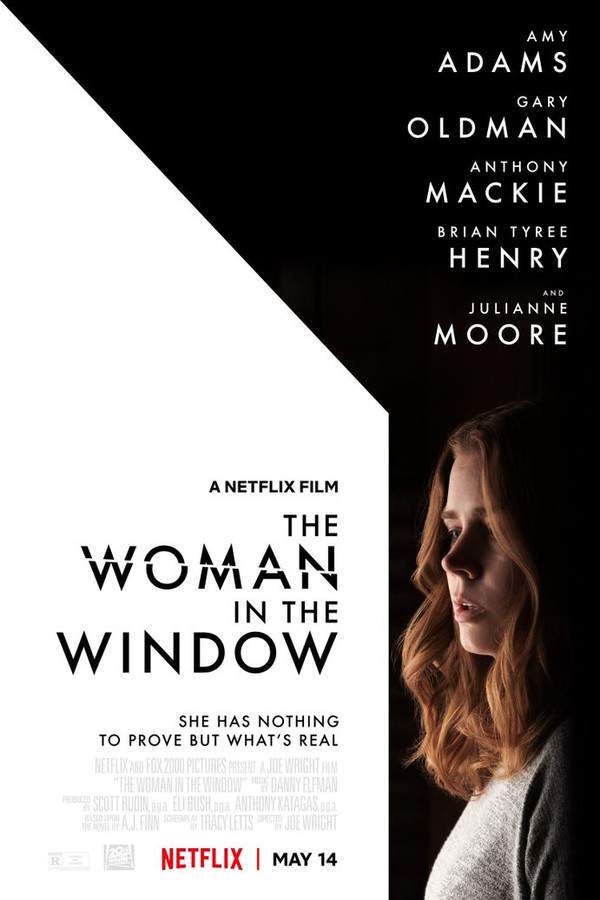
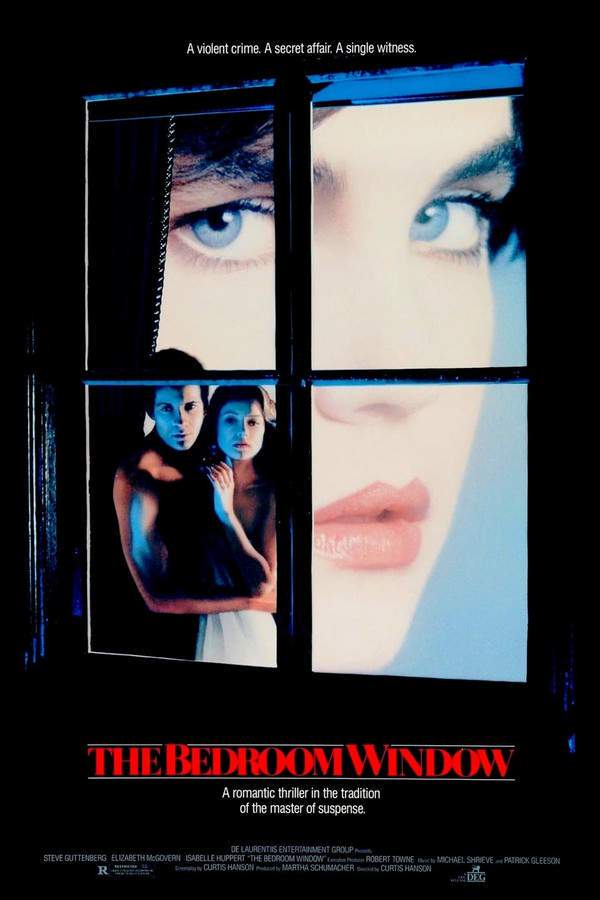


Featured on this page

What's After the Movie?
Not sure whether to stay after the credits? Find out!
Check out our other apps:

SAT Sphere
Build confidence for the Digital SAT.

Mori Atlas
Discover wild places worth protecting.

Luntero
Search smarter for a home in Amsterdam.

Plot Explained
Unravel movie endings and hidden clues.

Pokechamp
Dive into Pokémon data and battle logic.

Driving Theory
Get ready for your European theory test.

Movie Dust
Plan your next cinema trip with ease.

Musemap
Find art and culture as you travel.

Selkobase
Compare credentials before committing.

Local Manual
Turn an unfamiliar country into practical next steps.

Lernavi
Compare school systems before your next move.

GymRoam
Find a workout stop wherever your plans take you.
Explore Our Movie Platform
New Movie Releases (2026)
Famous Movie Actors
Top Film Production Studios
Movie Plot Summaries & Endings
Major Movie Awards & Winners
Best Concert Films & Music Documentaries
Movie Collections and Curated Lists
© 2026 What's After the Movie. All rights reserved.
Privacy Policy