
The Spirit of the Beehive 1973

Directed by
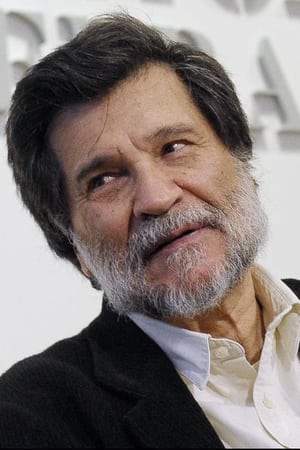
Víctor Erice
Made by

Elías Querejeta PC
The Spirit of the Beehive Plot Summary
Read the complete plot summary and ending explained for The Spirit of the Beehive (1973). From turning points to emotional moments, uncover what really happened and why it matters.
Six-year-old Ana Ana is a shy girl who lives in the manor house in an isolated Spanish village on the Castilian plateau with her parents Fernando and Teresa and her older sister, Isabel. The year is 1940, and the Civil War has just ended with the Francoist victory over the Republican forces. Her aging father spends most of his time tending to and writing about his beehives; her much younger mother is caught up in daydreams about a distant lover, to whom she writes letters. Ana’s closest companion is Isabel, who loves her but cannot resist playing on her little sister’s gullibility.
A mobile cinema brings Frankenstein to the village and the two sisters go to see it. The film makes a deep impression on Ana, who is especially riveted by the scene where the monster plays benignly with a little girl, then accidentally kills her. She asks her sister: > “Why did he kill the girl, and why did they kill him after that?” Isabel tells her that the monster did not kill the girl and is not really dead; she says that everything in films is fake. Isabel says the monster is like a spirit, and Ana can talk to him if she closes her eyes and calls him.
Ana’s fascination with the story increases when Isabel takes her to a desolate sheepfold, which she claims is the monster’s house. Ana returns alone several times to look for him and eventually discovers a wounded Republican soldier hiding in the sheepfold. Instead of running away, she feeds him and even brings him her father’s coat and watch. One night the Francoist police come and find the Republican soldier and shoot him. The police soon connect Fernando with the fugitive and assume he stole the items from him. The father discovers which of the daughters had helped the fugitive by noticing Ana’s reaction when he produces the pocket watch. When Ana next goes to visit the soldier, she finds him gone, with blood stains still on the ground. Her father confronts her, and she runs away.
Ana’s family and the other villagers search for her all night, mirroring a scene from Frankenstein. While she kneels next to a lake, she sees Frankenstein’s monster approaching from the forest, kneeling beside her. The next day, they find Ana physically unharmed. The Médico assures her mother that she will gradually recover from her unspecified “trauma”, but Ana instead withdraws from her family, preferring to stand alone by the window and silently call to the spirit, just as Isabel told her.
The Spirit of the Beehive Timeline
Follow the complete movie timeline of The Spirit of the Beehive (1973) with every major event in chronological order. Great for understanding complex plots and story progression.
Ana's quiet life in the manor
In 1940, Ana, a shy six-year-old, lives with her father Fernando, mother Teresa, and older sister Isabel in an isolated Castilian manor. The postwar mood makes the village tense and insular, shaping her sheltered world. Her bond with Isabel is loving but playful, often testing Ana's gullibility.
The mobile cinema arrives and screens Frankenstein
A traveling cinema rolls into the village and screens Frankenstein. Ana is deeply moved by the monster's gentleness and the tragedy that follows the little girl. The film sparks questions she cannot easily answer about life, death, and what is real.
Isabel explains the monster is a spirit and cinema is fake
Isabel tries to calm her by insisting that films are fake and that the monster is like a harmless spirit she can talk to if she closes her eyes. She tells Ana the monster did not kill the girl and that the danger is all fiction. This explanation blurs the line between cinema and reality for Ana.
Isabel leads Ana to the monster's claimed house
Isabel takes Ana to a desolate sheepfold, claiming it is the monster's house. Ana returns alone several times, drawn by the idea of a place where the spirits dwell. The sheepfold becomes the tangible site of her growing fantasy.
Ana discovers a wounded Republican soldier
On one of her solo visits, Ana discovers a wounded Republican soldier hiding in the sheepfold. Rather than fear him, she feeds him and brings him her father's coat and watch. Her tenderness deepens the strange mix of innocence and danger in her imagination.
The Francoist police arrive and shoot the soldier
That night, Francoist police arrive, find the fugitive, and shoot him. The authorities begin to suspect the family may have aided him, turning neighborly suspicion toward them. The incident threads together fear, rumor, and the fragile trust within the village.
Father deduces Ana's role in helping the fugitive
Following the uproar, the father realizes which daughter helped the fugitive by noticing Ana's anxious reaction when the pocket watch is produced. He confronts the children with the truth, revealing the hidden secret. The family cannot escape the consequences of their actions and the fragility of their bond.
Ana's second visit; the soldier is gone, blood on the ground
Ana returns to the sheepfold to check on the fallen man, only to find him gone and blood stains on the ground. The disappearance shatters the fragile fantasy she has built around the monster and its world. The line between her belief and reality tightens around her.
The family and villagers search for Ana all night
In the wake of the unfolding danger, the family and villagers scour the countryside through the night. Ana's absence mirrors a scene from Frankenstein, heightening the sense of fear and guilt in the community. The search underscores the danger posed by the fugitive and the risk of lingering secrets.
Ana kneels by a lake; Frankenstein's monster appears
Near a lake, Ana kneels in the dark as the forest seems to close in. Frankenstein's monster emerges from the trees and kneels beside her, mirroring a scene from the film. The moment binds her to the creature, blurring fantasy and fear into a shared stillness.
The morning after: doctors and trauma
The village doctor suggests Ana's experience will gradually fade as trauma, but she withdraws instead of returning to normal life. She stands by the window in silence, calling to the spirit Isabel spoke of. The healing process fractures into a stubborn loneliness that feels almost chosen.
Ana remains connected to the spirit, choosing solitude
Despite medical assurances, Ana continues to withdraw from her family, preferring solitude and the ritual of calling to the spirit she learned from Isabel. The story ends with her future shaped more by imagination than by those around her. The line between reality and fantasy remains deeply blurred.
The Spirit of the Beehive Characters
Explore all characters from The Spirit of the Beehive (1973). Get detailed profiles with their roles, arcs, and key relationships explained.
Ana (Ana Torrent)
Six-year-old Ana is shy and observant, living in a secluded manor with her parents. Her vivid imagination blends cinema and reality, turning Frankenstein's monster into a near-real presence. She is compassionate, curious, and prone to believing in a world where spirits can be spoken to.
Fernando (Fernando Fernán Gómez)
Ana and Isabel's father tends his beehives with a quiet intensity and writes about them. He is protective, perceptive, and trying to keep his family safe in a village under postwar scrutiny. His stern exterior hides a deep concern for his daughters’ welfare.
Teresa (Teresa Gimpera)
Ana and Isabel's mother is dreamy and distracted, writing letters to a distant lover. She embodies longing and a fragile hope, existing in a private world while the war's aftermath constrains family life.
Isabel (Isabel Tellería)
Isabel is the older sister who loves Ana but toys with her gullibility. She offers a skeptical voice—claiming films are fake—while guiding Ana through the uneasy border between imagination and danger.
Fugitivo (Juan Margallo)
A wounded Republican soldier is discovered by Ana and hidden in the sheepfold. His presence activates suspicion in the village and sets in motion the conflicts that tether the father's fate to the girl's choices.
Médico (Miguel Picazo)
The village doctor treats Ana's aftermath with calm professionalism, providing a clinical reading of her trauma and adding a sense of fragile normalcy to the crisis.
Frankenstein (José Villasante)
The monster from the visiting film embodies Ana's curiosity and fear. Its silent, muffled presence haunts her as she searches for a bridge between fiction and reality.
Doña Lucía (Laly Soldevila)
A village matron who embodies the older order and its gaze over the community. Her presence underscores the social control and judgment operating in the postwar setting.
The Spirit of the Beehive Settings
Learn where and when The Spirit of the Beehive (1973) takes place. Explore the film’s settings, era, and how they shape the narrative.
Time period
1940
Set in 1940, just after the Francoist victory in the Civil War, Spain lives under a repressive regime. Life in rural towns is cautious, with censorship and fear shaping everyday routines. The memory of the conflict lingers, coloring relationships and the sense of danger beneath ordinary activities.
Location
Castilian plateau village, Spain
The action centers on a secluded manor house in a quiet Castilian plateau village. The surrounding countryside is wide, arid, and tightly knit, shaping a claustrophobic family world. Village life is insular, with outsiders arriving only briefly via a mobile cinema that briefly opens a window to another world.
The Spirit of the Beehive Themes
Discover the main themes in The Spirit of the Beehive (1973). Analyze the deeper meanings, emotional layers, and social commentary behind the film.
✨
Imagination
Ana's vivid imagination blurs the line between film fantasy and real life. The mobile Frankenstein screening amplifies her wonder and fear, pushing her to seek contact with what she cannot fully understand. Isabel's insistence that cinema is fake challenges Ana, highlighting a child’s struggle to separate fantasy from truth.
⚖️
Consequences
The postwar climate of suspicion seeps into family life, turning acts of kindness into potential accusations. Ana's empathy toward the hidden Republican soldier becomes a liability that endangers her father and family. The police's involvement reveals how innocence can collide with political violence.
🎬
Cinema
The mobile cinema becomes a doorway to the wider world and its traumas. The film within the film shapes Ana's feelings of loneliness, courage, and fear, while the real-world events mirror the monsters' vulnerability. Through images, memory, and longing, the story probes how cinema can both illuminate and destabilize a child’s sense of reality.

Coming soon on iOS and Android
The Plot Explained Mobile App
From blockbusters to hidden gems — dive into movie stories anytime, anywhere. Save your favorites, discover plots faster, and never miss a twist again.
Sign up to be the first to know when we launch. Your email stays private — always.
Explore the mobile appThe Spirit of the Beehive Spoiler-Free Summary
Discover the spoiler-free summary of The Spirit of the Beehive (1973). Get a concise overview without any spoilers.
In the stark, sun‑bleached expanse of the Castilian plateau, a small village still bears the quiet weight of a war that has only recently ceased. The landscape is dotted with solitary stone houses, fields of wheat that sway lazily in the wind, and the low hum of beehives tended by a father whose thoughts seem as endless as the buzzing swarms. Inside the manor house, a mother drifts between the ordinary chores of daily life and the reverie of distant, unspoken love, writing letters that never leave her desk. The atmosphere is one of restrained stillness, a place where history lingers in the shadows of every window and the wind carries whispers of what has been left unsaid.
Six‑year‑old Ana moves through this world with a shy, observant step, her curiosity often shepherded by her older sister, Isabel. Their bond is a mixture of affection and gentle manipulation; Isabel delights in teasing Ana’s gullibility, yet she also opens a doorway to a realm of wonder that the young girl has never known. When a traveling cinema rolls into the village and screens James Whale’s 1931 Frankenstein, the experience becomes a catalyst for Ana’s imagination. The flickering images of a creature that seems both harmless and threatening spark something deep inside her, and the notion that the monster’s spirit lingers in a nearby barn becomes a quiet obsession.
The film’s presence turns the ordinary countryside into a canvas where reality and fantasy bleed together. The simple act of watching a horror picture on a makeshift screen transforms a child’s perception of the world, turning barns, fields, and distant forests into possible haunts for an unseen presence. This tension between the tangible and the imagined is mirrored by the lingering sorrow of the post‑war era, where every stone holds a story and every silence hints at something unspoken.
Through the eyes of Ana, the audience is invited to share in a delicate, poetic meditation on innocence confronting the unknown. The mood is hushed and melancholic, yet tinged with a child’s relentless curiosity, making the ordinary seem haunted and the haunted feel intimately familiar. The film’s tone remains quietly unsettling, a slow‑burning blend of dreamy reverie and subtle dread that leaves the viewer lingering in the same lingering twilight that envelopes the Castilian plain.
Movies with Similar Twists and Themes
Uncover films that echo the narrative beats, emotional arcs, or dramatic twists of the one you're exploring. These recommendations are handpicked based on story depth, thematic resonance, and spoiler-worthy moments — perfect for fans who crave more of the same intrigue.


Featured on this page

What's After the Movie?
Not sure whether to stay after the credits? Find out!
Check out our other apps:

SAT Sphere
Build confidence for the Digital SAT.

Mori Atlas
Discover wild places worth protecting.

Luntero
Search smarter for a home in Amsterdam.

Plot Explained
Unravel movie endings and hidden clues.

Pokechamp
Dive into Pokémon data and battle logic.

Driving Theory
Get ready for your European theory test.

Movie Dust
Plan your next cinema trip with ease.

Musemap
Find art and culture as you travel.

Selkobase
Compare credentials before committing.

Local Manual
Turn an unfamiliar country into practical next steps.

Lernavi
Compare school systems before your next move.

GymRoam
Find a workout stop wherever your plans take you.
Explore Our Movie Platform
New Movie Releases (2026)
Famous Movie Actors
Top Film Production Studios
Movie Plot Summaries & Endings
Major Movie Awards & Winners
Best Concert Films & Music Documentaries
Movie Collections and Curated Lists
© 2026 What's After the Movie. All rights reserved.
Privacy Policy