
The Laughing Policeman 1973

Directed by
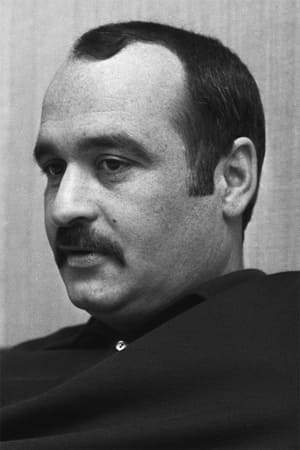
Stuart Rosenberg
Made by

20th Century Fox
The Laughing Policeman Plot Summary
Read the complete plot summary and ending explained for The Laughing Policeman (1973). From turning points to emotional moments, uncover what really happened and why it matters.
A busload of passengers is gunned down in a brutal, sudden attack, leaving a trail of bodies on the street and igniting a citywide hunt. Among the dead is off-duty detective Dave Evans, and Evans had been acting on his own time, tailing a man named Gus Niles in a bid to uncover a possible link between businessman Henry Camarero and the murder of Camarero’s wife Teresa two years prior. Henry Camarero, [Albert Paulsen], becomes the half-glimpsed market for the investigation as fresh clues surface, suggesting a deeper web of deceit behind the tragedy.
Detective Sergeant Jake Martin, [Walter Matthau], is a veteran, often jaded member of the Homicide Detail who carries the weight of a case he never quite closed—the Teresa Camarero murder. He returns to that case as the bus massacre pushes the department to revisit old leads, including dangerous confrontations with a deranged amputee who once seized control of a bus, forcing hostages and testing the limits of police resolve. The resurfacing of Niles’s alibi—an alibi that helped Camarero stay free—adds a personal sting to Martin’s professional drive.
In the resulting interview room dynamic, the sullen, methodical Jake is paired with the brash, improvisational Inspector Leo Larsen, [Louis Gossett Jr.], a contrast that the investigation immediately relies on. Larsen’s forceful, high-energy approach contrasts with Martin’s guarded, methodical style, but both men push toward the truth as they navigate a maze of suspects and incomplete memories. Their partnership unsettles the usual hierarchy as they probe beneath the surface of Camarero’s carefully crafted public image.
Despite orders from the police hierarchy, Lt. Nat Steiner, [Anthony Zerbe], a by-the-book supervisor, finds himself drawn into the unorthodox method the two detectives bring to the case. He watches and occasionally restrains their more reckless impulses, all while trying to keep the investigation within the bounds of procedure. The unlikely alliance between Martin and Larsen, and their relentless pursuit of leads, drives the narrative forward toward a street-level chase that snakes through the urban landscape of San Francisco.
The pursuit culminates in a tense finale that tests loyalties, judgment, and nerve as the detectives close in on Camarero. The case moves from a crowded, chaotic cityscape to a decisive confrontation aboard another bus, where the truth about the Camarero murders begins to come into focus. What begins as a routine homicide inquiry becomes a layered examination of guilt, accountability, and the costs of chasing justice in a city where every corner harbors a potential clue or a hidden danger. In the end, the film threads together the personal demons of its two leads with the procedural grind of a citywide investigation, leaving viewers with a measured, reflective takeaway about how truth is pursued when time, memory, and power collide.
The Laughing Policeman Timeline
Follow the complete movie timeline of The Laughing Policeman (1973) with every major event in chronological order. Great for understanding complex plots and story progression.
Bus massacre shocks the city
A bus filled with passengers is gunned down, killing many and kickstarting the investigation. The brutal attack sets the tone for a tense homicide case and raises questions about who orchestrated the massacre. This event also ties into the old Teresa Camarero murder, adding a personal stake for the investigators.
Evans tails Niles to Camarero link
Off-duty detective Dave Evans continues his solitary pursuit, tracing Gus Niles as part of the effort to link Henry Camarero to Teresa Camarero's murder two years earlier. The search intensifies as Evans uncovers threads that could tie Camarero to both the bus massacre and the older killing. The pursuit is personal and fuels the overall investigation.
Niles killed on the bus; Camarero alibi exposed
Niles is killed on the bus, and his testimony, which supplied Camarero's alibi for Teresa's murder, is lost. The loss strengthens Camarero's ability to avoid charges and complicates the investigators' efforts. The tragedy deepens the mystery and reframes Evans's undercover pursuit as essential.
Jake Martin revisits Teresa Camarero case
Detective Sergeant Jake Martin, haunted by his previous failure to indict Camarero, returns to the Teresa Camarero murder case with renewed determination. His obsessive hunt for the truth drives his approach to the bus massacre investigation. The task strains his partnership and sets the emotional stakes high.
Amputee hostage incident referenced
The investigation is framed by a past, brutal incident involving a deranged amputee who took hostages, demonstrating the perilous environment the detectives operate within. This memory underscores the danger of the case and the volatile personalities involved. It also hints at the department's hardened approach to dealing with threats.
Jake and Larsen are paired to interview suspects
The sullen Jake Martin and the enthusiastic but impulsive Inspector Leo Larsen are paired to interview suspects. Their contrasting styles create friction but also complementary logic as they begin to piece together who is connected to Teresa's murder and the bus massacre. The early interviews start to reveal inconsistencies and possible links to Camarero.
They defy orders to pursue Camarero
Ignoring orders from Lieutenant Steiner, the pair dives into leads that could expose Camarero's involvement. Their independent investigation demonstrates stubborn resolve and foreshadows a dangerous confrontation to come. The pursuit intensifies as they close in on the suspect.
Interviews reveal Camarero's connections
Interviews with suspects gradually reveal Camarero's direct connections to Teresa's murder and the possibility that Niles's alibi was used to shield him. The case tightens around Camarero as more inconsistencies surface. The detectives gain a clearer sense of the suspect's role in the crimes.
The hunt narrows to Camarero
Clues align to indicate that Camarero is the central figure behind both killings. The investigators assemble the evidence needed to confront him and prepare for a confrontation. The tension builds as Camarero works to stay one step ahead.
The chase through San Francisco begins
A high-stakes chase erupts through the streets of San Francisco as Camarero tries to escape capture. The city becomes a maze as the detectives pursue him across bridges and avenues. The pursuit tests their stamina and determination and pushes the investigation toward a climax.
Confrontation aboard another bus
The pursuit culminates in a tense confrontation aboard another bus, where Camarero is cornered and the truth behind Teresa's murder and Niles's alibi begins to unravel. The claustrophobic setting heightens the stakes and forces decisive action. The showdown is the culmination of the detectives' tenacious effort to solve the case.
The Laughing Policeman Characters
Explore all characters from The Laughing Policeman (1973). Get detailed profiles with their roles, arcs, and key relationships explained.
Jake Martin (Walter Matthau)
Sullen and veteran, Jake Martin is skeptical and taciturn. He is haunted by the Teresa Camarero case and clings to his own fortress of proof, often shutting out Larsen’s deductions. His guarded demeanor masks a drive to solve the case, sometimes at the expense of collaboration.
Leo Larsen (Bruce Dern)
Enthusiastic yet impulsive, Leo Larsen brings a brash, instinctual energy to the investigation. He seeks to prove himself and aligns with Jake even as their styles clash. His willingness to push boundaries adds a volatile but complementary edge to the partnership.
Henry Camerero (Albert Paulsen)
A wealthy businessman connected to the murder case, Henry Camerero is portrayed as a calculating figure who may manipulate alibis to shield himself. His public persona contrasts with the possibility of involvement in a more sinister scheme, making him a central antagonist in the investigation.
Insp. James Larrimore (Louis Gossett Jr)
Insp. James Larrimore is a seasoned inspector whose presence anchors the case within the police hierarchy. He represents the institutional perspective, pushing for results and keeping the investigation on a tight, procedural leash while evaluating the detectives’ progress.
Lt. Nat Steiner (Anthony Zerbe)
Lt. Nat Steiner is the police superior who enforces authority and order, often pressuring the team for concrete outcomes. His leadership style emphasizes control and formal channels, creating additional tension as the case unfolds.
Bobby Mow (Mario Gallo)
Bobby Mow is a snitch whose information and alibi play a crucial role in shaping the investigation’s direction. His testimony reflects the underworld connections and the importance of informants in solving complex cases.
The Laughing Policeman Settings
Learn where and when The Laughing Policeman (1973) takes place. Explore the film’s settings, era, and how they shape the narrative.
Location
San Francisco, California
San Francisco provides the gritty urban backdrop for the investigation, with its hills and busy streets forming the chase routes. The city’s public transit network becomes a key setting as clues emerge from bus routes and transit hubs. Police precincts, crowded neighborhoods, and the waterfront area give the story a distinctly West Coast atmosphere and heighten the tension of the pursuit.
The Laughing Policeman Themes
Discover the main themes in The Laughing Policeman (1973). Analyze the deeper meanings, emotional layers, and social commentary behind the film.
🔎
Obsession
The investigation hinges on Jake Martin’s fixation with solving the Teresa Camarero murder and the bus massacre. His relentless pursuit reveals how personal history can drive a detective to relentlessly chase every lead. Obsession shapes decisions and can both illuminate and blind the path to justice.
⚖️
Code Clash
A clash emerges between Jake’s cautious, methodical approach and Leo Larsen’s impulsive, rule-bending style. The tension highlights different philosophies of policing and questions whether strict procedure or instinct yields better results. This dynamic propels the story and tests the detectives’ partnership.
🌁
Urban Pressure
Set against San Francisco’s dense urban environment, the case is shaped by the city’s pace, crowds, and public spaces. The environment amplifies suspense as clues surface in buses, streets, and precincts. The city itself feels like a pressure cooker that drives the pursuit toward a tense showdown.

Coming soon on iOS and Android
The Plot Explained Mobile App
From blockbusters to hidden gems — dive into movie stories anytime, anywhere. Save your favorites, discover plots faster, and never miss a twist again.
Sign up to be the first to know when we launch. Your email stays private — always.
Explore the mobile appThe Laughing Policeman Spoiler-Free Summary
Discover the spoiler-free summary of The Laughing Policeman (1973). Get a concise overview without any spoilers.
In a rain‑slick stretch of San Francisco, a routine city bus becomes the flashpoint for a tragedy that ripples through the streets, casting a stark, unvarnished light on the urban landscape. The film’s visual tone leans heavily on naturalistic detail, making every exchange feel lived‑in and every backdrop pulse with the city’s restless energy. The atmosphere is gritty yet surprisingly intimate, allowing the viewer to sense the weight of a community suddenly thrust into uncertainty.
Detective Dave Evans is an off‑duty cop who has been quietly tailing a whispered lead, his investigation intersecting with the sudden violence. When the dust settles, his partner, Jake Martin, a seasoned homicide sergeant, is left grappling with both professional loss and a simmering obsession to untangle the threads that led to the catastrophe. Martin’s world‑weary demeanor hides a relentless drive, and his methodical, almost stoic approach creates a compelling counterpoint to the chaos around him. Their partnership, built on years of shared cases and unspoken understandings, becomes the emotional core that propels the narrative forward.
The investigation pulls together a motley cadre of personalities: the brash, improvisational Inspector Leo Larsen, whose high‑octane tactics clash and occasionally meld with Martin’s measured style; the by‑the‑book Lieutenant Nat Steiner, who strives to keep the inquiry within procedural boundaries while watching the detectives push against them; and the enigmatic businessman Henry Camarero, whose public façade hints at deeper, uncharted territories. Together, these figures navigate a labyrinth of clues and memories, each interaction sharpening the film’s tone of cautious urgency. The story unfolds as a study of how a city’s ordinary cadence can be shattered, and how those tasked with restoring order must balance personal demons, institutional pressure, and the elusive pursuit of truth.
Featured on this page

What's After the Movie?
Not sure whether to stay after the credits? Find out!
Check out our other apps:

SAT Sphere
Build confidence for the Digital SAT.

Mori Atlas
Discover wild places worth protecting.

Luntero
Search smarter for a home in Amsterdam.

Plot Explained
Unravel movie endings and hidden clues.

Pokechamp
Dive into Pokémon data and battle logic.

Driving Theory
Get ready for your European theory test.

Movie Dust
Plan your next cinema trip with ease.

Musemap
Find art and culture as you travel.

Selkobase
Compare credentials before committing.

Local Manual
Turn an unfamiliar country into practical next steps.

Lernavi
Compare school systems before your next move.

GymRoam
Find a workout stop wherever your plans take you.
Explore Our Movie Platform
New Movie Releases (2026)
Famous Movie Actors
Top Film Production Studios
Movie Plot Summaries & Endings
Major Movie Awards & Winners
Best Concert Films & Music Documentaries
Movie Collections and Curated Lists
© 2026 What's After the Movie. All rights reserved.
Privacy Policy