What Is The Killing of Kenneth Chamberlain About?
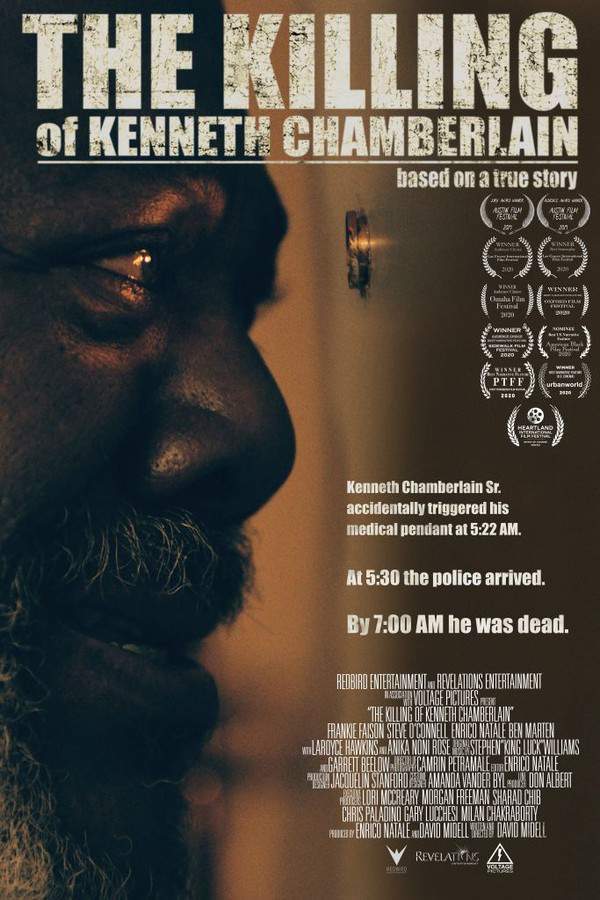
The premise of The Killing of Kenneth Chamberlain in 323 words, with nothing given away. The full story follows below.
In a modest apartment building that hums with the ordinary rhythms of city life, a decorated African‑American veteran seeks the quiet dignity that years of service have earned him. Kenneth Chamberlain moves through the space with the measured patience of someone who has faced far harsher battles, his days marked by small routines and a discreet medical alert pendant that promises help should he ever need it. The film’s atmosphere is intimate, casting everyday walls in a soft, almost reverent light while hinting at the fragile balance between safety and isolation.
One early morning, the pendant’s silent alarm is triggered by mistake, sending a pulse of urgency through the building’s corridors. The call summons emergency responders, and the quiet of the apartment is broken by the arrival of uniformed officers tasked with checking on his welfare. Their presence introduces a quiet tension, a clash of worlds where procedural protocol meets the lived experience of a man who has served his country and now finds himself on the other side of the badge.
As the officers knock and request “visual contact,” the veteran’s calm demeanor, shaped by years of discipline, meets the officers’ growing suspicion. He speaks from behind the closed door, explaining the accidental nature of the call while the police press for entry, their doubts fueled by the echo of his muttered words. The interaction becomes a study in how miscommunication can widen the gap between intention and perception, with each side interpreting the other’s actions through its own lens of fear and authority.
The film lingers on this uneasy tableau, exploring how a simple malfunction can ignite a cascade of misunderstanding that reverberates far beyond the confines of a single apartment. Through measured pacing and stark visual storytelling, it invites viewers to contemplate the weight of systemic biases, the fragility of trust, and the painful consequences that can arise when a moment meant for help spirals into something far more unsettling.
What Happens in The Killing of Kenneth Chamberlain?
The complete story of The Killing of Kenneth Chamberlain, from the first scene to the last, in 330 words (about 1 minute). Spoilers throughout. Names in the text link to 4 cast member pages.
Spoilers ahead
Kenneth Chamberlain, an elderly veteran living in an apartment building, accidentally triggers his medical alert pendant in the early morning. Emergency services are dispatched, and three officers — Officer Evans, Officer Jackson, and Officer Talbot — arrive at his door to check on his welfare. Kenneth, with the door still closed, explains that he did not intend to summon anyone and that the pendant alarm was simply a mistake.
The officers insist on making visual contact and pushing their way inside, contending that entering is necessary to verify Kenneth’s safety. Kenneth refuses to open the door, and his hesitation fuels the officers’ worries that something illegal might be happening inside, even though there is no such evidence. The elderly man grows increasingly nervous, convinced that the people at his threshold might harm him. He mutters to himself, a private tremor of fear that the officers misread as someone else being present, further deepening the tension.
One officer hopes to de-escalate the situation and allow Kenneth to stay undisturbed, but his attempt is rebuffed by the others, who press for entry. As the moment stretches, backup is called, and the standoff tightens its grip on a quiet morning that suddenly feels charged with danger. Kenneth argues that the situation is illegal — there is no search warrant, and there is no probable cause to intrude into his home — yet the trap of protocol and fear seems to grow louder than his words.
Panicked and cornered, Kenneth reacts with a desperate move—he slides a knife through the door opening in hopes of convincing the officers to retreat. The confrontation escalates as one officer uses a racial slur, a harsh line that underscores the underlying racial tensions at play. The door is ultimately breached, and Kenneth is restrained and tasered as the officers move to subdue him. In the end, the tense encounter culminates in a fatal shooting, leaving Kenneth Chamberlain’s life and the moment it unfolds in a single, shattering conclusion.
The Killing of Kenneth Chamberlain Timeline: Every Key Event in Order
12 key events in the order they happen, from “Medical alert triggers” to “Reflection on the incident”. 12 events name a place, across 12 locations.
- 1
Medical alert triggers
Kenneth accidentally triggers his medical alert pendant early in the morning, alerting emergency services. A group of three police officers arrives outside his apartment door to check on his welfare.
When:early morning Where:Kenneth's apartment doorway
- 2
Welfare check demanded
The officers tell Kenneth they are there for a welfare check and insist on establishing visual contact. Kenneth explains the pendant was an accident and that he did not intend to summon anyone.
When:moments after arrival Where:Outside the apartment door, hallway
- 3
Kenneth refuses entry
Kenneth keeps the door closed and refuses to open it, which makes the officers suspect something illegal might be happening inside. He asserts his right to privacy and safety.
When:shortly after arrival Where:At the apartment door
- 4
Misinterpretation and rising tension
Kenneth mumbles to himself inside, which the officers interpret as someone else being in the apartment. The misinterpretation heightens mistrust and fear on both sides.
When:still early morning Where:Inside Kenneth's apartment, near the door
- 5
Backup is called
One officer wants to de-escalate and leave Kenneth in peace, but the others decide to call for backup. The situation outside the door becomes more tense as more officers arrive.
When:moments later Where:Outside Kenneth's apartment
- 6
Standoff escalates
With backup present, the standoff intensifies as Kenneth refuses entry without a warrant or probable cause. The police press for entry, fearing potential danger.
When:short while after Where:Outside the apartment door
- 7
Kenneth's defiant move
In a panic, Kenneth slides a knife through the door opening to deter the officers from forcing entry. He argues that their actions are illegal without proper authorization.
When:during standoff Where:At the door opening
- 8
Racial slur and escalation
An officer directs a racial slur at Kenneth, further inflaming the situation. Tensions peak as more officers prepare to breach the door.
When:a little later Where:Doorway area
- 9
Door breached
The police break down the door, move in, restrain Kenneth, and taser him. The entry is sudden and forceful as they attempt to take him into custody.
When:imminently after breach Where:Inside Kenneth's apartment, near door
- 10
Tragic shooting
Kenneth is fatally shot during the confrontation as the officers secure the interior. The sequence ends with his death at the doorway.
When:immediately following entry Where:Kenneth's apartment
- 11
Aftermath and response
Emergency medical personnel arrive on the scene, but Kenneth is already dead. The officers' use of force prompts questions and potential investigations.
When:immediately after Where:Outside/at doorway and interior
- 12
Reflection on the incident
The incident highlights fear, miscommunication, and tragedy in welfare checks. It raises concerns about police procedures during welfare checks and safety expectations for civilians.
When:later Where:Building/City
Who Are the Main Characters in The Killing of Kenneth Chamberlain?
7 characters, among them Kenneth Chamberlain Sr. (Frankie Faison), Officer Evans (Antonio Polk) and Officer Jackson (Ben Marten): who each one is and the part they play in the story. Every profile links to the actor’s page.
-
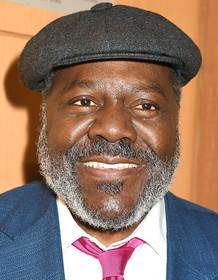
Kenneth Chamberlain Sr. (Frankie Faison)
Played by Frankie Faison
An elderly veteran who lives in an apartment and is startled when a medical alert pendant is triggered. He is nervous and defensive, insisting he did not call for help and fearing that the police will harm him. His panicked, limited dialogue through the door becomes a catalyst for the escalation that follows.
- 🎖️ Veteran
- 😟 Anxious
- 🏠 Resident
- OE
Officer Evans (Antonio Polk)
Played by Antonio Polk
A police officer who desires de-escalation and to leave Kenneth in peace. He advocates retreat but is rebuked by colleagues, illustrating intra-team conflict. His calm approach contrasts with the escalating demands of the others. His stance reflects a struggle between caution and coercion in a tense welfare check.
- 👮 Officer
- 🧊 Calm
- 🗨️ De-escalation
-

Officer Jackson (Ben Marten)
Played by Ben Marten
One of the responding officers who participates in the attempt to gain entry and manage the scene. He embodies the procedural pressure that pushes toward force rather than dialogue. His actions contribute to the rapid escalation of the confrontation.
- 👮 Officer
- 🚔 Tension
- ⏱️ Urgency
-

Sergeant Parks (Steve O'Connell)
Played by Steve O'Connell
A sergeant overseeing the incident, whose commands and decisions steer the team's approach. He prioritizes getting access to the unit, contributing to the sense of inevitability in the confrontation.
- 🧭 Leader
- 🧰 Authority
- ⚠️ Pressure
-

Sergeant Flannigan (Tom McElroy)
Played by Tom McElroy
A second sergeant present during the incident, reinforcing the chain of command. He participates in the response and the push to progress toward entry, amplifying the momentum of the officers' actions.
- 🧭 Leader
- 🧯 Tension
- 🗜️ Coordination
-

Officer Talbot (Christopher R Ellis)
Played by Christopher R Ellis
Another member of the squad, contributing to the sequence of events that leads to the breakdown of dialogue and the eventual use of force.
- 👮 Officer
- ⏳ Pressure
- 🗯️ Communication
-

Officer Rossi (Enrico Natale)
Played by Enrico Natale
The final named officer in the lineup, representing the ongoing presence of law enforcement in the standoff.
- 👮 Officer
- 🧊 Control
- 🗡️ Persistence
Where and When Is The Killing of Kenneth Chamberlain Set?
The Killing of Kenneth Chamberlain is set in Kenneth Chamberlain's apartment building (Early morning). Here is why the time and place matter to the story.
When
Early morning
The critical events unfold in the pre-dawn hours after Kenneth triggers his medical pendant. Responding officers attempt a welfare check that quickly escalates into a confrontation.
Where
Kenneth Chamberlain's apartment building
Set inside a modest urban apartment building, the action centers on the unit where Kenneth lives. The hallway and doorway become a charged threshold as law enforcement arrives. The setting emphasizes the vulnerability of a private home turned into a tense stage in the early hours.
- 🏢 Apartment building
- 🚨 Emergency response
- 🕰️ Early morning
What Are the Themes of The Killing of Kenneth Chamberlain?
4 ideas the story keeps returning to, among them Racial Tension, Force and Miscommunication.
-
01
Racial Tension
The film foregrounds fraught interactions between police and a Black elder. Misinterpretations and preconceptions shape how each side reads the other's intent. The exchange is defined by fear, suspicion, and the risk of violence. It asks the viewer to consider bias and its consequences in everyday policing.
-
02
Force
The welfare check escalates into physical restraint and the use of force. The police break down Kenneth's door, restrain him, and deploy a taser before a fatal shot is fired. The sequence raises questions about the thresholds for employing force in close-quarters encounters. The film uses this progression to critique policing tactics.
-
03
Miscommunication
Crucial signals and statements are misread by both sides, turning fear into aggression. Kenneth's attempts to explain are overshadowed by the officers' growing distrust. A lack of calm dialogue contributes to the rapid escalation. The theme highlights how miscommunication can turn a welfare check into tragedy.
-
04
Rights
The narrative probes civil rights, due process, and residential invasion without a warrant. It questions whether the civilian's rights can be safeguarded when seconds count. The events put accountability under scrutiny and invite debate about law enforcement's boundaries. The film pushes viewers to consider systemic implications of these encounters.
What Kind of Film Is The Killing of Kenneth Chamberlain?
Tense in tone, with steady pacing and a straightforward story, going by the plot summary.
- Tone
- Tense
- Pacing
- Steady
- Story
- Straightforward
- Intensity
- High
- Ending
- Sad
A steady, intensely stressful film that creates a sense of claustrophobic dread as a misunderstanding escalates into an unavoidable and senseless tragedy, leaving a heavy emotional impact.
- tense
- claustrophobic
- anxious
- frustrating
- somber
- unsettling
- racial injustice
- police brutality
- tragedy
- miscommunication
Content notes: police brutality, racial slurs, fatal shooting, taser use, death of elderly person.
Quiz
How well do you remember The Killing of Kenneth Chamberlain? Test yourself on the story.