
The Death of a Horse 1992

Directed by

Saimir Kumbaro
Made by

Albafilm Studio
The Death of a Horse Plot Summary
Read the complete plot summary and ending explained for The Death of a Horse (1992). From turning points to emotional moments, uncover what really happened and why it matters.
In 1974, a respected military horse trainer, Agron Kurti, Timo Flloko, finds himself drawn into a perilous web of political danger as the regime led by Enver Hoxha accuses him of involvement in a coup. In a sweeping move of retaliation, the regime declares that the army’s horses are sick and must be shot, aiming to crush any potential symbol of loyalty to the old order. Yet Agron, a devoted officer who knows the horses are healthy, makes a harrowing choice: he offers to shoot a beautiful Arab stallion he loves but, instead of killing it, smuggles the horse out of the country and entrusts it to a group of gypsies, attempting a quiet, desperate act of rescue against the machine of state power.
The stud’s commissar grows suspicious and denounces Agron as a spy, setting in motion a brutal crackdown. Arrest follows, and Agron endures torture as the regime seeks to break him. He is thrust into a harsh trial, where the commandant of the stud testifies to reveal the commissar’s malice, yet the verdict stands: fifteen years in prison. The consequences ripple outward—Agron’s parents are evicted from their flat and sent into exile, and under pressure from her family, his pregnant wife, Meri’s mother Tinka Kurti, files for divorce and later dies after a backstreet abortion. The personal costs are immense, and the film does not shy away from the human toll exacted by a ruthless political system.
Years pass, and the regime eventually falls, with the streets filling with jubilant citizens who believe the dictatorship is over. Agron is released, but the world around him has changed; he returns to an empty life, wandering the city in search of something stable when he encounters the ex-commissar, who has ascended to Parliament. The ex-commissar claims he did everything possible to save Agron and now pledges to help, yet Agron’s response is cold and wary—a stark reminder that trust is scarce in a landscape scarred by betrayal. The encounter ends with Agron walking away into an unknown direction, a solitary figure choosing a future that remains uncharted.
The film unfolds with quiet, restrained intensity, grounding its political tragedy in the intimate suffering of those who live under a surveillance state. It juxtaposes moments of tenderness and loyalty with the cold mechanics of power, showing how the state’s ambitions can fracture families, sever connections, and leave individuals to navigate a world where justice is often deferred or denied. The story is told with a steady, documentary-like clarity, inviting viewers to reflect on the cost of political upheaval and the fragile thread of humanity that survives even after the regime has fallen.
The Death of a Horse Timeline
Follow the complete movie timeline of The Death of a Horse (1992) with every major event in chronological order. Great for understanding complex plots and story progression.
Regime declares horses sick and orders their destruction
In 1974, the communist regime inflames fear by claiming the army's horses are sick and must be destroyed. The decree to shoot the horses is pitched as a security measure to crush any coup. Soldiers and trainers are shaken by the order, realizing their livelihoods and loyalties are being weaponized. This act seeds Agron's perilous mission to save what the regime wants erased.
Agron offers to shoot the stallion
Agron, a loyal officer, offers to shoot the stallion to comply with orders, but his affection for the horse prevents him from killing it. He chooses a dangerous alternative instead of obeying the extermination command. This moment marks his first act of defiance against the regime. The horse becomes a symbol of his resistance.
Agron rescues the stallion and hides it with gypsies
Agron smuggles the stallion to the countryside and hides it with trusted gypsies, hoping to keep it alive and free from state control. He risks his own safety to protect the creature and preserve a glimmer of dignity amid dictatorship. The stallion's survival becomes a quiet rebellion against state tyranny. It also strains his relationships with the authorities.
Commissar denounces Agron as a spy
The commissar at the stud denounces Agron as a spy, leveraging the case to root out dissent. Accusations spread quickly, and Agron's loyalty is put on trial in the court of public opinion. The regime's machinery tightens around him, threatening prison without a fair chance to defend himself. The denunciation sets the stage for his arrest.
Arrest and torture
Agron is arrested, interrogated, and tortured as authorities press for a confession. The brutality is aimed at panicking him and extracting loyalty to the regime. Despite endurance, the coercion undermines any chance of a fair process. The arrest marks a turning point from quiet defiance to personal peril.
Trial and fifteen-year sentence
During a show trial, testimonies from officials, including the stud's commandant, fail to sway the outcome, and Agron is sentenced to fifteen years in prison. The verdict signals the regime's readiness to crush rebellion with harsh penalties. His future is bleak as the political charges overshadow any sense of justice. The sentence mirrors the broader crackdown on dissent.
Parents evicted and exiled
As punishment, Agron's parents are evicted from their flat and exile is imposed on them, severing his last remaining ties to ordinary life. The regime punishes not only him but his family as collateral damage. Their removal from the city compounds Agron's isolation and fuels his bitterness. The family disruption underscores the personal cost of political retribution.
Wife files for divorce; pregnant; backstreet abortion and death
Under pressure from her family, Agron's pregnant wife files for divorce, reflecting the social wreckage around him. She dies after a backstreet abortion, a tragedy that underscores the human cost of political oppression. The personal loss compounds Agron's sense of betrayal and loneliness. The couple's pain remains a stark counterpoint to the regime's triumphant celebrations.
Agron is released
Agron is released from prison while the streets are filled with jubilant citizens celebrating the dictatorship's overthrow. The moment marks a fragile reprieve after years of punishment and betrayal. He steps back into a world that has moved on without him, with no family to return to. The release is a brief, bitter victory in a life defined by political violence.
Jubilant streets and renewed isolation
With the dictatorship seemingly toppled, the streets celebrate as Agron re-enters public space but remains estranged. The crowd's joy contrasts with his isolation and uncertain future. He wanders the streets, aimless and alone, reflecting on the cost of resistance. The moment crystallizes the film's theme of personal freedom vs. political power.
Encounter with ex-commissar in Parliament
On a chance encounter, the ex-commissar who is now a member of Parliament tries to offer help, claiming he did what he could to save Agron. The man represents the regime's ability to co-opt individuals and reshape loyalties. Agron stares coldly, rejecting the offer and recognizing the corrupt satisfaction of his former enemy. The meeting underscores the moral ambiguity of the new order.
Agron walks into an unknown direction
Agron walks away into an unknown direction, alone and without a family to return to. The ending emphasizes his solitude and the uncertain future of a man who defied a dictatorship. His fate remains unresolved as the camera lingers on his silhouette.
The Death of a Horse Characters
Explore all characters from The Death of a Horse (1992). Get detailed profiles with their roles, arcs, and key relationships explained.
Agron Kurti
A devoted military horse trainer who knows the horses are not sick. He risks everything to save a beautiful Arab stallion by taking it to the countryside rather than letting it be killed, showing his deep loyalty to his craft. His actions trigger arrest, torture, and exile as he confronts a regime determined to destroy the army’s equine power.
Haki Kurti
Agron’s father, a family figure who becomes a casualty of the crackdown as the regime evicts and exiles his household. His presence highlights the personal cost of political repression on multiple generations.
Meri's Mother
Agron’s wife during the upheaval, she is pregnant and faces a forced divorce before dying after a backstreet abortion. Her fate underscores the intimate tragedies caused by political coercion.
Commander
An official at the stud who suspects Agron’s actions and denounces him, embodying the regime’s surveillance and punitive authority. His suspicions catalyze the central conflict of the plot.
Doctor Aliu
A medical figure present in the aftermath of detention, representing the regime’s formal procedures that legitimize punishment and interrogation during the show of justice.
Investigator
An investigator involved in the prosecution after Agron’s arrest, exemplifying the persistence of the state’s legal machinery and its reliance on testimony rather than truth.
Roma Soldier
A Roma soldier who receives the gifted horse, illustrating how the political crisis touches diverse communities and intersects with acts of aid in a time of upheaval.
Roma Soldier's Father
Father of the Roma soldier, included to reflect the broader social impact of the crackdown and the interactions among military, minority communities, and the regime.
The Death of a Horse Settings
Learn where and when The Death of a Horse (1992) takes place. Explore the film’s settings, era, and how they shape the narrative.
Time period
1974
The events unfold during a turbulent period of Enver Hoxha’s Albania, marked by political paranoia and show trials. The regime weaponizes state institutions to quash dissent and control the military assets it relies on. The era’s atmosphere is one of suspicion, repression, and personal tragedy that frames the protagonist’s choices.
Location
Albania, Army horse stud farm
Set in Albania in 1974 at a military horse stud farm, the film centers on the state’s use of horses as symbols of power. The location is a controlled, regime-operated environment where military discipline and political loyalty shape daily life. Security presence and political pressure permeate the stud, illustrating the regime’s reach into personal and professional spheres.
The Death of a Horse Themes
Discover the main themes in The Death of a Horse (1992). Analyze the deeper meanings, emotional layers, and social commentary behind the film.
🏛️
Power and Oppression
The film examines how a totalitarian state weaponizes loyalty and fear. Agron’s commitment to protecting the horses challenges the regime’s plan, illustrating the clash between personal integrity and political obedience. The ensuing trial and exile reveal how law and institutions are manipulated to maintain control over individuals.
💔
Loss and Sacrifice
Personal costs of political action are foregrounded: a wife’s tragedy as she faces a forced divorce and abortion, and the erosion of family life under state pressure. The narrative explores what individuals sacrifice for others and for their beliefs under an oppressive regime. The consequences extend beyond the protagonist to his loved ones.
🚶
Isolation and Aftermath
After arrest and release, Agron wanders the streets alone, embodying the alienation that follows political violence. The ending underscores a society where survival does not restore a sense of belonging or security. The encounter with the ex-commissar highlights the uneasy, perpetual tension between individuals and power.

Coming soon on iOS and Android
The Plot Explained Mobile App
From blockbusters to hidden gems — dive into movie stories anytime, anywhere. Save your favorites, discover plots faster, and never miss a twist again.
Sign up to be the first to know when we launch. Your email stays private — always.
Explore the mobile appThe Death of a Horse Spoiler-Free Summary
Discover the spoiler-free summary of The Death of a Horse (1992). Get a concise overview without any spoilers.
In the waning days of 1974, Albania is shrouded in the stark austerity of Enver Hoxha’s regime, where political purges ripple through every facet of life. The state’s relentless pursuit of ideological purity has turned even the nation’s military cavalry into a liability, branding the horses themselves as potential traitors. This climate of suspicion casts a long shadow over a country that once prized the quiet partnership between soldier and steed, now reduced to an unsettling question of loyalty and survival.
Agron, a celebrated trainer of the army’s prized equines, moves through this world with a blend of quiet confidence and hidden anxiety. His days are spent perfecting the rhythm of hooves on dusty tracks, coaxing strength and grace from animals that have become unwitting symbols of the regime’s paranoia. Beneath his calm exterior lies a profound bond with a particular Arab stallion, a creature that mirrors his own yearning for freedom amidst a landscape of rigid control.
The broader environment is one of tension and muted dread, where ordinary citizens and officials alike navigate an ever‑shifting line between compliance and conscience. Families are caught in the crossfire of political decrees, and relationships strain under the weight of uncertain futures. The commissar overseeing the stud embodies the relentless vigilance of the state, ever watchful for any sign of dissent, while whispers of hidden resistance flicker through the streets like distant fireflies.
Amid this oppressive tableau, Agron finds himself at a crossroads, his devotion to the horses pulling him toward a path fraught with moral complexity. The atmosphere is charged with a brooding melancholy, the muted sounds of hooves echoing a yearning for something lost. As the machinery of the purge turns, the film invites viewers to linger on the delicate interplay between duty, love, and the quiet defiance that can blossom even in the most constrained of worlds.
Movies with Similar Twists and Themes
Uncover films that echo the narrative beats, emotional arcs, or dramatic twists of the one you're exploring. These recommendations are handpicked based on story depth, thematic resonance, and spoiler-worthy moments — perfect for fans who crave more of the same intrigue.
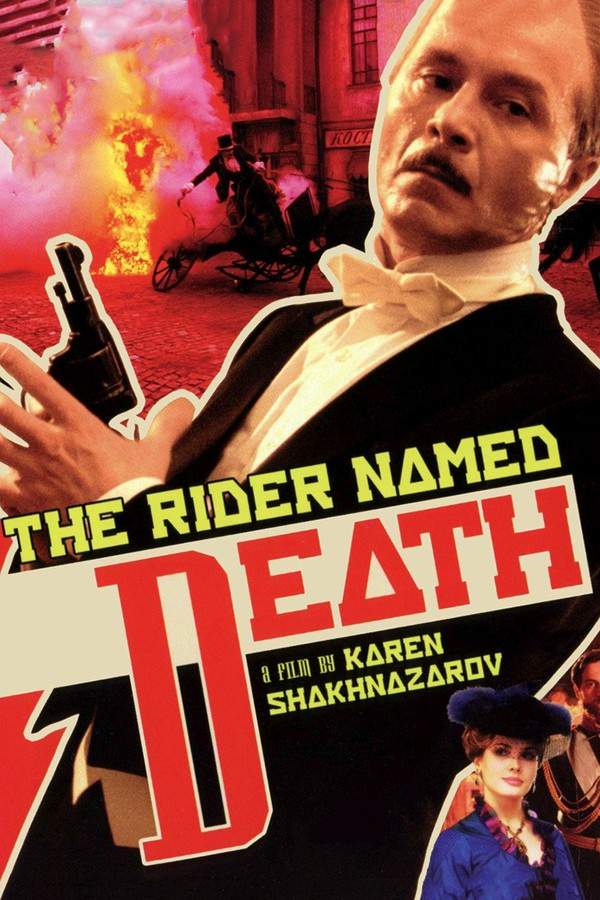
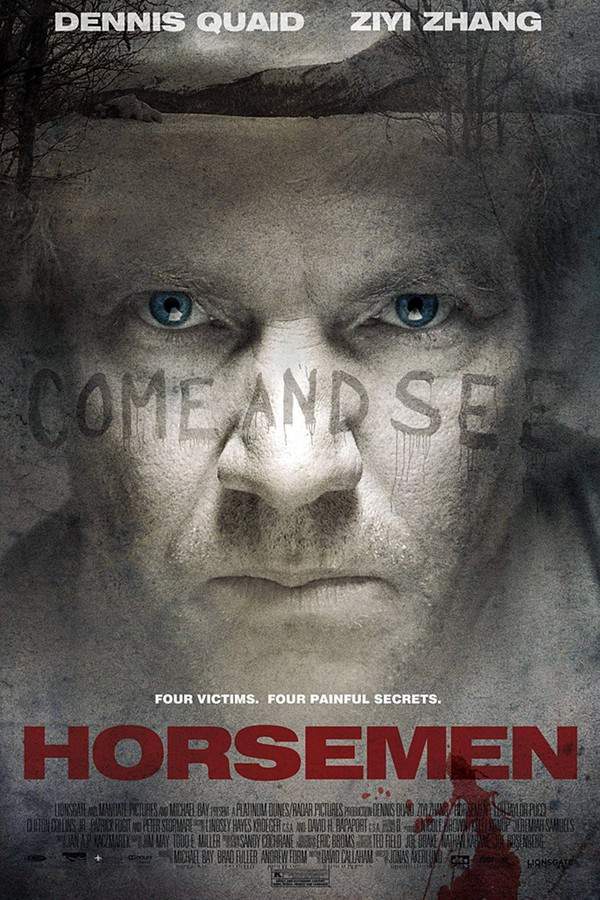
Featured on this page

What's After the Movie?
Not sure whether to stay after the credits? Find out!
Check out our other apps:

SAT Sphere
Build confidence for the Digital SAT.

Mori Atlas
Discover wild places worth protecting.

Luntero
Search smarter for a home in Amsterdam.

Plot Explained
Unravel movie endings and hidden clues.

Pokechamp
Dive into Pokémon data and battle logic.

Driving Theory
Get ready for your European theory test.

Movie Dust
Plan your next cinema trip with ease.

Musemap
Find art and culture as you travel.

Selkobase
Compare credentials before committing.

Local Manual
Turn an unfamiliar country into practical next steps.

Lernavi
Compare school systems before your next move.

GymRoam
Find a workout stop wherever your plans take you.
Explore Our Movie Platform
New Movie Releases (2026)
Famous Movie Actors
Top Film Production Studios
Movie Plot Summaries & Endings
Major Movie Awards & Winners
Best Concert Films & Music Documentaries
Movie Collections and Curated Lists
© 2026 What's After the Movie. All rights reserved.
Privacy Policy