
The Boy Who Stole a Million 1960

Directed by
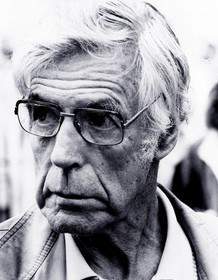
Charles Crichton
Made by

Paramount Pictures
The Boy Who Stole a Million Plot Summary
Read the complete plot summary and ending explained for The Boy Who Stole a Million (1960). From turning points to emotional moments, uncover what really happened and why it matters.
Naïve Paco faces a desperate bind in a city of contrasts, where celebration and danger mingle in Valencia’s streets. When he learns that his father must raise 10,000 pesetas to repair a taxi or risk losing the family’s livelihood, the young boy makes a reckless choice: he borrows a staggering sum—one million pesetas—from the bank where he has a small after‑school job. What begins as a loan intended to save his father’s livelihood spirals into a citywide chase as police close in and shadowy criminals close ranks, all eager to seize the cash.
As Paco goes on the run, the film sweeps through Valencia from its polished avenues and lively squares—where fiestas glow when the sun pours onto wide thoroughfares—to its grittier, poorer quarters that feel worlds apart. The boy’s lack of money becomes a recurring problem: when he’s hungry, he tells street vendors that he has no money and must beg for a meal, highlighting his childlike vulnerability in a world that suddenly demands adult choices.
Hiding beside a blind beggar Francisco Bernal, the beggar guides him to an abandoned basement, and danger follows as the man who knows of the missing money moves in closer. The pursuit intensifies as the cash is carelessly tossed into a garbage truck, and Paco must wade through piles of rubbish to survive, joining a rough‑and‑ready group of street urchins who know the city’s underbelly all too well. In the meantime, Paco’s father drives around with two companions, scouring the urban maze in parallel, each toward the same fearful goal: the boy’s safe return.
The emotional core arrives when father and son finally cross paths. Paco reveals that he overheard his father saying he would disown him if he ever stole, a confession that reshapes the chase into a fragile, human confrontation rather than a simple pursuit. After a final clash with the thugs who have shadowed them, the cash is returned to the bank. The bank’s disposition is surprisingly humane: the George Coulouris‑portrayed Bank Manager is understanding and charges a modest 168 pesetas as interest for the 24 hours the money was in unauthorized hands. The resolution is practical and reconciliation‑oriented—the bank will deduct the interest from Paco’s wages at a rate of 2 pesetas per week—an arrangement that underscores the film’s grounded, matter‑of‑fact tone.
Throughout, the film blends tension and tenderness, painting a portrait of a boy who misjudges the power of money and a city that tests him at every turn. It’s a story about consequences, trust, and the stubborn resilience of family bonds, told with a steady, clear gaze that keeps its focus on character and choice rather than sensationalism.
The Boy Who Stole a Million Timeline
Follow the complete movie timeline of The Boy Who Stole a Million (1960) with every major event in chronological order. Great for understanding complex plots and story progression.
Paco discovers the need and plans to borrow
Paco learns his father’s taxi needs money for repairs, a sum that jeopardizes the family’s livelihood. He decides to borrow a million pesetas from the bank where he has a small after-school job. The decision is made quickly, with little sense of the consequences, as he aims to solve the problem in one move.
The big loan is taken and the chase begins
Paco obtains the money from the bank, but almost immediately is hunted by police and criminals who want the cash. He must hide as a city-wide pursuit closes in around him. The danger erupts within the streets of Valencia.
From elegant avenues to the slums
As he runs, Paco moves from Valencia's wide, festive quarters to its poorest slums, a city of contrasts that mirrors his precarious position. The chase carries him through both beauty and danger. The money’s existence changes how the city responds to him at every turn.
Hunger and the myth of money
Paco experiences hunger firsthand and tells street vendors he has no money, often begging for food. This childlike naiveté contrasts sharply with the adults' obsession over the cash. The moment reveals how money can blur moral lines when you’re on the run.
The basement ambush
Hiding beside a blind beggar, Paco is led to an abandoned basement where the man attempts to seize him. The boy fights back and escapes, narrowly avoiding a brutal assault. The encounter marks a turning point in the danger surrounding him.
The bag and the garbage truck
The cash package is discarded into a garbage truck, pulling Paco into Valencia’s waste-strewn underworld. He scavenges through piles of rubbish to stay alive and keep tabs on the money. The episode shows how fragile control over the cash has become.
Joining the street urchins
Paco spends time with a group of street children, learning to survive on the margins while evading pursuers. They become his temporary support system as he keeps the money’s fate in view. The city’s hidden youth become both ally and reminder of his predicament.
Father's search across the city
Meanwhile, Paco's father drives around Valencia with two friends, searching for him through the maze of streets. The pursuit is a shared ordeal, emphasizing the family’s bond amid chaos. Their efforts keep the money’s whereabouts in focus.
A confession under pressure
Paco reveals to his father that he heard he would be disowned if he ever stole. This admission adds emotional weight to the chase and deepens the conflict between honesty, fear, and survival. The father’s reaction shapes their next choices.
Final confrontation and return to the bank
After one final fight with the pursuing thugs, Paco and the others return the cash to the bank. The bank’s responsibility and lack of outright punishment offer a surprising sense of relief. The money’s fate is sealed through this decisive moment.
Bank manager's mercy and the price of haste
The bank manager is understanding and charges Paco a modest 168 pesetas as interest for the 24 hours he held the money. This gesture demonstrates a humane approach rather than punitive punishment. It reframes the incident as a costly misstep rather than a criminal act.
Weighing the costs in wages
It is decided that the interest will be deducted from Paco's wages at 2 pesetas per week. This arrangement makes repayment sustainable while keeping the taxi business afloat. The method ties the boy’s mistake to his daily earnings, imposing a slow, visible penalty.
Resolution and a new understanding of money
With the debt structured as weekly deductions, Paco begins to regain his footing and learns money must be managed carefully. The experience leaves him wiser about risk and responsibility. The family continues their life in the taxi business, now tempered by the ordeal.
Epilogue: the city’s memory
The film closes with Paco and his father continuing their routines, carrying the weight of what almost happened but fortified by a hard-earned lesson. The city around them keeps buzzing, a reminder of fragility and resilience in ordinary life. The story ends on a note of cautious optimism.
The Boy Who Stole a Million Characters
Explore all characters from The Boy Who Stole a Million (1960). Get detailed profiles with their roles, arcs, and key relationships explained.
Paco
Naive young boy who borrows a million pesetas from the bank to help his father, only to find himself navigating a city full of danger. He is resourceful but impulsive, with a childlike understanding of money and consequence.
Luis (Harold Kasket)
Paco's father, a taxi driver who desperately scrambles to recover the money and salvage his livelihood. He is protective, anxious, and driven by a stubborn pride in providing for his family.
Bank Manager
A patient, principled banker who ultimately shows leniency and helps recover the money, choosing to charge a modest interest. He treats the incident as a chance to balance mercy with responsibility.
Detective (Robert Rietti)
A relentless police detective tracking Paco; sharp, methodical, and morally composed. He embodies the tension between pursuit and due process as the city closes in.
Bank Clerk
A bank employee who witnesses the unusual loan and the return of funds; practical, bureaucratic, yet capable of offering steady guidance.
Gang Leader
A criminal figure within the city’s underworld eager to seize the money; adds pressure and danger to Paco’s flight.
The Boy Who Stole a Million Settings
Learn where and when The Boy Who Stole a Million (1960) takes place. Explore the film’s settings, era, and how they shape the narrative.
Time period
Mid-20th century (1950s)
Set in a Spain where pesetas and cash-based transactions govern daily life, the period features bustling markets, banks, and a taxi economy. The city hums with the rhythms of everyday commerce, parades, and street vendors. The constraints of the era heighten the stakes for a child who steals and for the adults who race to recover the money.
Location
Valencia, Spain
The action unfolds across Valencia, a Mediterranean port city known for its broad avenues, plazas and vibrant fiestas. It contrasts elegant quarters with crowded slums, showing how the city's spaces shape the chase. The festive mood amplifies both allure and danger as Paco moves through the crowds.
The Boy Who Stole a Million Themes
Discover the main themes in The Boy Who Stole a Million (1960). Analyze the deeper meanings, emotional layers, and social commentary behind the film.
💸
Money & Consequence
Desperation drives Paco to take money from a bank, exposing how ordinary life can be bent by financial pressure. The heist becomes a catalyst that tests trust and resilience in a city that both supports and pursues him. The film uses this incident to explore the moral costs of quick fixes and questionable decisions.
🏃
Pursuit & Escape
Paco is chased through Valencia’s streets, alleys, and squares by police and criminals alike. The pursuit reveals the city as a labyrinth that tests wit, nerve, and luck. The chase binds disparate social groups together in a shared scramble for the money.
👨👦
Family & Duty
The tension between father and son drives the emotional core: a father's vow to protect his livelihood collides with his fear of losing his son. The bank's leniency at the end reframes responsibility, suggesting mercy can coexist with accountability. The ending ties personal duty to broader social obligations.

Coming soon on iOS and Android
The Plot Explained Mobile App
From blockbusters to hidden gems — dive into movie stories anytime, anywhere. Save your favorites, discover plots faster, and never miss a twist again.
Sign up to be the first to know when we launch. Your email stays private — always.
Explore the mobile appThe Boy Who Stole a Million Spoiler-Free Summary
Discover the spoiler-free summary of The Boy Who Stole a Million (1960). Get a concise overview without any spoilers.
In the sun-drenched, vibrant streets of Valencia, young Paco faces a dilemma far beyond his years. With his family’s livelihood hanging by a thread—specifically a taxi in desperate need of costly repairs—the boy finds himself trapped between childhood innocence and the harsh demands of survival. When a solution presents itself at the bank where he holds a small after-school job, Paco makes a reckless choice involving a staggering sum of money. This impulsive act, intended to save his father from financial ruin, instead catapults him into a precarious situation where the boundaries of right and wrong become dangerously blurred.
The film paints a vivid portrait of a city defined by stark contrasts, where polished avenues and festive squares sit uneasily alongside gritty, impoverished quarters. As Paco’s actions ripple outward, the story captures the unique texture of Valencia, a place where danger and celebration mingle freely in the shadows of ancient architecture. The tone shifts seamlessly between tension and tenderness, grounding the drama in a realistic atmosphere. Paco’s journey highlights a child’s vulnerability in a world that suddenly demands adult choices, forcing him to navigate a landscape where the lack of money is a constant struggle, yet the possession of it brings its own set of perils.
As the city mobilizes to find him, the narrative weaves a gripping tale of pursuit and the weight of consequences. The stakes are deeply personal, exploring the resilience of family bonds against a backdrop of unintended fallout. While Paco attempts to stay one step ahead of a world closing in around him, the film remains focused on character and the human cost of desperation. It is a story that asks what a boy is willing to risk for those he loves, and how a single choice can transform a familiar city into a maze of uncertainty.
Movies with Similar Twists and Themes
Uncover films that echo the narrative beats, emotional arcs, or dramatic twists of the one you're exploring. These recommendations are handpicked based on story depth, thematic resonance, and spoiler-worthy moments — perfect for fans who crave more of the same intrigue.



Featured on this page

What's After the Movie?
Not sure whether to stay after the credits? Find out!
Check out our other apps:

SAT Sphere
Build confidence for the Digital SAT.

Mori Atlas
Discover wild places worth protecting.

Luntero
Search smarter for a home in Amsterdam.

Plot Explained
Unravel movie endings and hidden clues.

Pokechamp
Dive into Pokémon data and battle logic.

Driving Theory
Get ready for your European theory test.

Movie Dust
Plan your next cinema trip with ease.

Musemap
Find art and culture as you travel.

Selkobase
Compare credentials before committing.

Local Manual
Turn an unfamiliar country into practical next steps.

Lernavi
Compare school systems before your next move.

GymRoam
Find a workout stop wherever your plans take you.
Explore Our Movie Platform
New Movie Releases (2026)
Famous Movie Actors
Top Film Production Studios
Movie Plot Summaries & Endings
Major Movie Awards & Winners
Best Concert Films & Music Documentaries
Movie Collections and Curated Lists
© 2026 What's After the Movie. All rights reserved.
Privacy Policy