
Temple Grandin 2010

Directed by
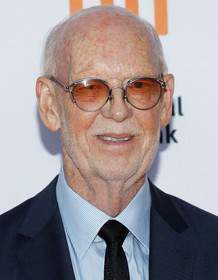
Mick Jackson
Made by

HBO Films
Temple Grandin Plot Summary
Read the complete plot summary and ending explained for Temple Grandin (2010). From turning points to emotional moments, uncover what really happened and why it matters.
Temple Grandin, Claire Danes, is an uncommunicative child prone to meltdowns and diagnosed with autism. In the medical views of that era, autism is wrongly seen as a form of schizophrenia caused by insufficient maternal affection. Rather than send her away to an institution, Temple’s mother hires therapists and works to help her daughter adapt to social interaction, laying a patient, hopeful groundwork for her later breakthroughs.
In 1962, at the age of 15, Temple travels to her aunt and uncle’s ranch to work. She watches cows pass into a squeeze chute—a device used to calm animals—and, during an anxiety attack, she instinctively uses the chute to calm herself. Inspired by her teacher, Dr. Carlock, to pursue science, she gains admission to Franklin Pierce College, where she develops an early version of the squeeze machine to quiet herself during stressful times. When the college misinterprets the device as an unlawful sexual act, the authorities seize and destroy it. In response, Temple designs a scientific protocol to test subjects’ reactions to the device, demonstrating that it is a purely therapeutic tool. She graduates with a degree in psychology and goes on to pursue a master’s in animal science.
Temple faces sexism while trying to break into cattle ranching, but she persists and designs a new dip structure to allow cattle to move through voluntarily. The device initially works and earns local press coverage, but ranch hands tamper with it, resulting in the drowning of several cows. Frustrated, Temple meets with Dr. Carlock again and leaves with renewed resolve to improve the industry and even start her own slaughterhouse.
Shortly after, Temple receives a call from her mother revealing that Dr. Carlock has died. Later, while shopping, she meets a woman named Betty whose husband works for a slaughterhouse. Temple discusses her plan for the slaughterhouse layout with him, the idea is tested and proves effective.
Years later, in 1981, Temple arrives at the National Autism Convention and shares her story, a moment that helps illuminate a path for others and underscores her enduring impact on science and autism awareness.
Temple Grandin Timeline
Follow the complete movie timeline of Temple Grandin (2010) with every major event in chronological order. Great for understanding complex plots and story progression.
Childhood diagnosis and parental support
Temple Grandin is depicted as an uncommunicative child who experiences frequent meltdowns and is diagnosed with autism. The film shows how the era wrongly linked autism to schizophrenia and to insufficient maternal affection. Rather than consigning her to an institution, her mother hires therapists and advocates for her development.
First job at aunt and uncle's ranch
In 1962, at age 15, Temple travels to her aunt and uncle's ranch to work and observe farm life. She watches cows being placed into a squeeze chute to calm them and uses the chute herself during an anxiety attack to center her focus. The experience plants the seed for her lifelong interest in humane handling and sensory-driven learning.
Inspiration from Dr. Carlock and college admission
Inspired by her teacher Dr. Carlock to pursue science, Temple enrolls in Franklin Pierce College. There she begins developing an early version of the squeeze machine as a personal calming device during stressful times. The project ignites her curiosity about how design can affect behavior and wellbeing.
Squeeze machine seized by police
The college misinterprets Temple's squeeze machine as an unlawful sexual act and alerts the authorities, who seize and destroy the device. Undeterred, she pivots to a scientific approach by proposing tests to demonstrate the device's therapeutic use. The incident strengthens her resolve to validate humane design through research.
Developing a testing protocol for safety
To defend the device's purpose, Temple creates a rigorous protocol to test subjects' reactions and ensures the machine functions as a calming tool rather than a threat. Her method aims to provide objective evidence of the machine's therapeutic value. The work marks a turning point in her scientific approach to animal and human behavior.
Graduation and pursuit of a master's degree
Temple graduates with a degree in psychology and then pursues a master's degree in animal science. Her academic achievements help establish credibility in both human and animal behavioral research. The education sets the stage for her later contributions to humane livestock handling.
Facing sexism and designing a humane dip structure
Temple confronts sexism in the cattle industry as she proposes a new dip structure that allows cattle to move through voluntarily rather than being forced. She believes this humane approach can improve welfare and efficiency on ranches. The concept begins to change how people think about cattle handling.
Initial success and press coverage
The dip structure initially works as intended and garners favorable coverage in the local press. The positive reception encourages Temple, reinforcing that her ideas have practical merit. Despite this, some skepticism remains in the ranching community.
Sabotage ends in tragedy
Ranch hands modify the device, leading to the drowning of several cows and a setback for Temple's project. The incident fuels her anger and determination to refine the system to prevent future harm. She vows to push forward with safer, more humane methods.
Confrontation with Dr. Carlock
Angered by the sabotage, Temple visits Dr. Carlock to seek guidance. The meeting leaves her encouraged to continue working to improve the industry and even to consider starting her own slaughterhouse. The talk reinforces her belief in hands-on, humane solutions.
Dr. Carlock's death
A few days after the visit, Temple learns by phone that Dr. Carlock has died, a personal setback that deepens her resolve to carry on his legacy through her own work. The loss acts as a milestone in her career, shaping her future path. She continues to pursue her goals in science and industry improvement.
Meeting Betty and testing the slaughterhouse layout
Temple meets Betty, whose husband works at a slaughterhouse, and shares her layout ideas for improving slaughterhouse efficiency and welfare. Her plan is tested at the facility and proves to be effective in practice. The success cements her reputation as an innovator in humane livestock handling.
National Autism Convention appearance
Years later, in 1981, Temple arrives at the National Autism Convention and shares her life story with attendees. She speaks about her experiences, challenges, and breakthroughs, helping to raise awareness about autism. The convention marks a turning point in public understanding of autism and Temple's public role as a spokesperson.
Temple Grandin Characters
Explore all characters from Temple Grandin (2010). Get detailed profiles with their roles, arcs, and key relationships explained.
Temple Grandin (Claire Danes)
Temple is an autistic, introspective inventor who uses systematic thinking to navigate a male-dominated world. Her unique perception fuels breakthroughs in psychology and animal science, while her perseverance helps her overcome misperceptions about autism. She evolves from a troubled student into a pioneering contributor to humane livestock handling.
Dr. Carlock (David Strathairn)
Dr. Carlock is Temple's teacher and mentor who recognizes her potential and inspires her to pursue science. He guides her through early academic challenges and supports her experimental approach to validating the squeeze machine. His eventual death becomes a catalyst for Temple's continued dedication.
Aunt Ann (Catherine O'Hara)
Aunt Ann provides practical family support and helps arrange therapy to aid Temple's development. She embodies a caregiver's persistence and belief in Temple's potential, balancing care with the realities of a complex family life.
Temple Grandin Settings
Learn where and when Temple Grandin (2010) takes place. Explore the film’s settings, era, and how they shape the narrative.
Time period
1962-1981
The story begins in 1962 when Temple is a teenager and progresses through the 1960s to the early 1980s. It reflects the era's limited understanding of autism and the gender barriers in science and farming. The timeline highlights Temple's educational milestones and her evolving work in psychology and animal science.
Location
Aunt & Uncle's Ranch, Franklin Pierce College, Slaughterhouse, National Autism Convention
The film unfolds across a rural family ranch, a college campus, an industrial slaughterhouse, and a national autism convention. The ranch scene establishes Temple's early sensory experiences and use of the squeeze chute. The college and later professional settings frame her scientific breakthroughs and advocacy for humane animal handling, culminating in a national platform at the autism convention.
Temple Grandin Themes
Discover the main themes in Temple Grandin (2010). Analyze the deeper meanings, emotional layers, and social commentary behind the film.
🧠
Autism & Identity
The film centers on Temple's autistic mind, portraying how neurodiversity shapes perception, learning, and social interaction. It explores society's initial misunderstandings of autism and how recognizing her differences becomes a source of strength. The theme emphasizes resilience, mentorship, and family support.
🛠️
Innovation & Engineering
Temple's inventiveness drives real-world change in livestock handling. From early versions of the squeeze machine to the dip structure, the narrative shows how careful design can calm animals and improve industry practices. The theme highlights the power of methodical, empirical testing and humane engineering.
💪
Perseverance & Empowerment
Facing sexism and skepticism, Temple persists in pursuing scientific work and leadership in her field. The journey shows how determination, mentorship, and advocacy can transform personal adversity into professional achievement. The story underscores empowerment through knowledge, competence, and courage.

Coming soon on iOS and Android
The Plot Explained Mobile App
From blockbusters to hidden gems — dive into movie stories anytime, anywhere. Save your favorites, discover plots faster, and never miss a twist again.
Sign up to be the first to know when we launch. Your email stays private — always.
Explore the mobile appTemple Grandin Spoiler-Free Summary
Discover the spoiler-free summary of Temple Grandin (2010). Get a concise overview without any spoilers.
In a mid‑century America that still views autism through a veil of misunderstanding, Temple Grandin emerges as a quiet, observant child whose inner world is as vivid as the outward one she struggles to navigate. Raised by a mother whose fierce devotion refuses to surrender her daughter to institutional walls, Temple’s early life is marked by a delicate dance between sensory overload and moments of startling clarity. The film settles into a tone that balances gentle compassion with the grit of a pioneering spirit, inviting viewers to feel the pulse of a mind that thinks in concrete, visual patterns while the world insists on spoken conventions.
Against a backdrop of sprawling ranches, rigid academic corridors, and a society slowly awakening to new scientific ideas, Temple discovers that her unique perception can be a powerful tool. Her fascination with the rhythm and behavior of livestock becomes more than a curiosity—it offers a bridge between her internal calculations and the external demand for humane treatment. Mentors and teachers, though often shaped by the era’s biases, recognize a spark that hints at breakthroughs in an industry still dominated by tradition and skepticism. The story’s mood is one of quiet determination, where each step forward feels both a personal triumph over inner turbulence and a subtle challenge to the status quo.
As Temple moves from childhood into the world of higher education and professional ambition, the narrative weaves together the tension between societal expectations and her own visionary ideas. The film’s style is intimate yet expansive, capturing the texture of farm life, the sterile hum of laboratories, and the intimate moments of familial support that anchor her journey. Through carefully crafted scenes that hover between introspection and bold innovation, the audience senses an emerging legacy—one that promises to change how both animals and people are understood, without ever revealing the specific milestones that lie ahead.
Featured on this page

What's After the Movie?
Not sure whether to stay after the credits? Find out!
Check out our other apps:

SAT Sphere
Build confidence for the Digital SAT.

Mori Atlas
Discover wild places worth protecting.

Luntero
Search smarter for a home in Amsterdam.

Plot Explained
Unravel movie endings and hidden clues.

Pokechamp
Dive into Pokémon data and battle logic.

Driving Theory
Get ready for your European theory test.

Movie Dust
Plan your next cinema trip with ease.

Musemap
Find art and culture as you travel.

Selkobase
Compare credentials before committing.

Local Manual
Turn an unfamiliar country into practical next steps.

Lernavi
Compare school systems before your next move.

GymRoam
Find a workout stop wherever your plans take you.
Explore Our Movie Platform
New Movie Releases (2026)
Famous Movie Actors
Top Film Production Studios
Movie Plot Summaries & Endings
Major Movie Awards & Winners
Best Concert Films & Music Documentaries
Movie Collections and Curated Lists
© 2026 What's After the Movie. All rights reserved.
Privacy Policy