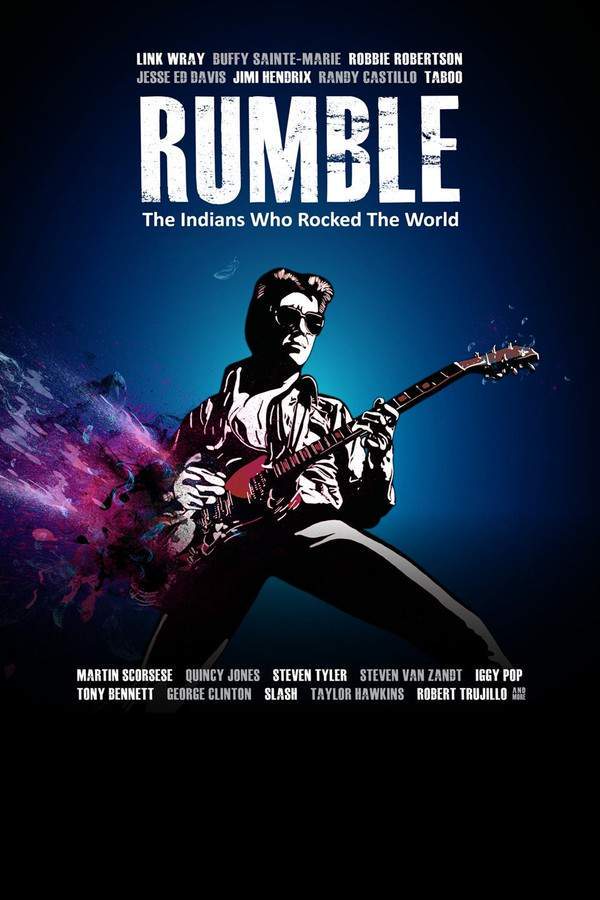
Rumble: The Indians Who Rocked The World 2017

Directed by

Alfonso Maiorana
Made by

Kino Lorber
Where to Watch Rumble: The Indians Who Rocked The World
See current US streaming, rental, and purchase options for Rumble: The Indians Who Rocked The World (2017) via JustWatch.









Rumble: The Indians Who Rocked The World Plot Summary
Read the complete plot summary and ending explained for Rumble: The Indians Who Rocked The World (2017). From turning points to emotional moments, uncover what really happened and why it matters.
Many musical artists and genres contributed to the development of rock music, yet arguably, no single piece has had a greater impact than Link Wray’s iconic 1958 instrumental, “Rumble.” This groundbreaking work by the American Indian rock guitarist and singer/songwriter is noted for its unique sound. Filmmaker Martin Scorsese reflects on the song’s powerful essence, stating, > “It is the sound of that guitar … that aggression.” “Rumble” was revolutionary as it was the first track to incorporate distortion and feedback, pioneering the rock power chord, and infamously, it became one of the rare instrumental singles banned from radio due to concerns it might spark violence.
The documentary RUMBLE delves into the significant role of Native American influence in musical history, emphasizing the resilience against efforts to suppress and erase Indian culture in the United States. It highlights that early blues pioneers had roots not only in African American culture but also in Native American traditions, showcasing that one of the foremost jazz vocalists drew inspiration from Native American melodies. As folk rock emerged in the 60s and 70s, the contributions of Native Americans were vital in shaping its trajectory.
Prominent artists with Indigenous heritage such as Charley Patton, Mildred Bailey, Jimi Hendrix, and Buffy Sainte-Marie left an indelible mark on the history of music, often without recognition of their cultural backgrounds.
Through vibrant re-creations, untold narratives, concert footage, archival materials, and interviews, RUMBLE shares the stories of these legendary Native musicians as narrated by some of America’s most celebrated music icons. Figures like Quincy Jones, Tony Bennett, Iggy Pop, Steven Tyler, and Stevie Van Zandt offer insights into their experiences and inspirations drawn from these artists.
RUMBLE ultimately reveals how Indigenous music has been woven into the very fabric of American popular music from its inception, a contribution that has long been overlooked—until now.
Rumble: The Indians Who Rocked The World Timeline
Follow the complete movie timeline of Rumble: The Indians Who Rocked The World (2017) with every major event in chronological order. Great for understanding complex plots and story progression.
Introduction of 'Rumble'
'Rumble' is introduced as a groundbreaking 1958 instrumental piece by Link Wray, an American Indian guitarist. The documentary establishes its significance in the world of rock music, focusing on how this single work transformed musical expression and showcased innovation.
Link Wray's Revolutionary Sound
The unique sound of 'Rumble' is examined, highlighting the use of distortion and feedback that paved the way for rock power chords. Martin Scorsese emphasizes the aggressive essence of the guitar work, indicating how it shaped future rock music styles.
Radio Ban of 'Rumble'
'Rumble' faced controversy and was notably banned from radio play due to fears it might incite violence. This ban underscored the cultural tensions surrounding its release and the powerful influence it had on audiences and musicians alike.
Native American Influence in Music
The documentary dives into the significant but often overlooked role of Native American musicians in shaping American music history. It reveals the intertwining of Native American melodies and African American cultural roots in early blues and jazz.
Rise of Folk Rock
As the 1960s and 70s saw the evolution of folk rock, Indigenous contributions emerged as crucial to its development. The documentary emphasizes how these influences helped shape the genre, leading to a rich tapestry of musical innovation.
Highlighting Prominent Indigenous Artists
The film showcases iconic artists such as Charley Patton, Mildred Bailey, Jimi Hendrix, and Buffy Sainte-Marie. Their immense contributions to music are celebrated, even as their Indigenous backgrounds remain largely unrecognized in mainstream narratives.
Archival Footage and Re-creations
Through vibrant re-creations and archival footage, the documentary brings to life the experiences of legendary Native musicians. Viewers are treated to a visual exploration of their stories, enhancing the understanding of their artistic journeys.
Interviews with Music Icons
Interviews with celebrated music figures like Quincy Jones, Tony Bennett, and Iggy Pop offer personal insights into the influence of Native American artists. These narratives help to bridge the gap between past and present, highlighting the enduring impact of Indigenous music.
Cultural Resistance and Resilience
The documentary underscores the resilience of Native American culture in the face of suppression efforts. It articulates how cultural expressions through music have been a form of resistance and a means to preserve identity and heritage.
Neglect of Indigenous Contributions
RUMBLE reveals how the contributions of Indigenous music have historically been overlooked in popular narratives. The film calls attention to the need for recognition of these influences that shaped American music from its inception.
The Legacy of 'Rumble'
As the closing chapters unfold, the legacy of 'Rumble' is examined in the context of its lasting effects on music genres. The documentary emphasizes its role as a turning point, where sound, culture, and identity converged to redefine rock music.
Conclusion: Embracing Indigenous Roots
The documentary concludes by urging audiences to embrace and acknowledge the rich tapestry of Indigenous contributions to American music. It emphasizes the importance of recognizing these influences in understanding the broader narrative of cultural history.
Rumble: The Indians Who Rocked The World Characters
Explore all characters from Rumble: The Indians Who Rocked The World (2017). Get detailed profiles with their roles, arcs, and key relationships explained.
Jimi Hendrix
A legendary guitarist and songwriter, Jimi Hendrix is renowned for his innovative guitar techniques and explosive performances. Often considered one of the greatest guitarists in rock history, his music incorporated elements of blues, rock, and psychedelia, while also being influenced by his Native American heritage. His influence is a testament to the powerful role of Indigenous artists in shaping rock music.
Buffy Sainte-Marie
Buffy Sainte-Marie is a celebrated singer-songwriter and activist known for her poignant songs that advocate for Indigenous rights and social justice. Her work often draws from her Native American heritage, infusing traditional elements into contemporary music. Sainte-Marie's contributions have been crucial in raising awareness of Indigenous issues through her art.
Charley Patton
Charley Patton is considered one of the founding figures of the Delta blues sound. With his powerful voice and dynamic guitar playing, he left a lasting impact on American music. His heritage influenced his storytelling and musical style, reflecting the experiences of Native Americans in the early 20th century.
Mildred Bailey
Mildred Bailey was a prominent jazz singer known for her smooth vocals and emotional delivery. Often referred to as the 'Queen of Swing,' she blended her Native American roots with jazz, creating a unique musical heritage. Bailey's legacy paved the way for future generations of musicians, highlighting the significant role of Indigenous artists in the jazz genre.
Quincy Jones
Quincy Jones is a legendary music producer and arranger who has worked with countless iconic artists across multiple genres. His insights into the impact of Native American musicians enrich the narrative of the documentary, showcasing how their influence shaped the music industry. Jones embodies the spirit of collaboration and cultural exchange in music.
Steven Tyler
Steven Tyler, the charismatic frontman of Aerosmith, is known for his powerful vocals and dynamic stage presence. His reflections in the documentary reveal the deep connections between mainstream rock and the influences of Indigenous musicians. Tyler's appreciation for diverse musical roots showcases the importance of recognizing all contributors to rock history.
Rumble: The Indians Who Rocked The World Settings
Learn where and when Rumble: The Indians Who Rocked The World (2017) takes place. Explore the film’s settings, era, and how they shape the narrative.
Time period
1950s - 1970s
The 1950s to 1970s was a transformative era for music, characterized by the rise of rock and roll, folk rock, and the integration of diverse musical influences. During this time, Native American musicians began to gain recognition, contributing to genres that were traditionally dominated by other demographics. This period also saw cultural movements focused on civil rights and cultural recognition, highlighting the importance of Indigenous contributions to the arts.
Location
United States
The United States is known for its diverse musical landscape, significantly shaped by various cultural influences, including Native American music. It is a melting pot where genres like rock, blues, and folk evolved, often intertwining with the rich heritage of Indigenous peoples. The documentary emphasizes the pivotal role Native Americans played in shaping the nation’s musical history.
Rumble: The Indians Who Rocked The World Themes
Discover the main themes in Rumble: The Indians Who Rocked The World (2017). Analyze the deeper meanings, emotional layers, and social commentary behind the film.
🎸
Cultural Resilience
The film addresses the theme of cultural resilience, showcasing how Native American musicians overcame efforts to suppress their heritage. It illustrates the enduring influence of Indigenous culture within mainstream music despite historical challenges. The documentary highlights a reclamation of identity and recognition through the celebration of these artists' contributions.
🌍
Musical Influence
The theme of musical influence is central to the documentary, emphasizing how Native American musicians helped shape various music genres. Their contributions are often overlooked, but this film brings their stories to light, showcasing how their unique sounds and traditions have enriched American popular music. It celebrates the intertwining of different cultural legacies within the musical tapestry of the nation.

Coming soon on iOS and Android
The Plot Explained Mobile App
From blockbusters to hidden gems — dive into movie stories anytime, anywhere. Save your favorites, discover plots faster, and never miss a twist again.
Sign up to be the first to know when we launch. Your email stays private — always.
Explore the mobile appRumble: The Indians Who Rocked The World Spoiler-Free Summary
Discover the spoiler-free summary of Rumble: The Indians Who Rocked The World (2017). Get a concise overview without any spoilers.
In a sweeping portrait of American sound, the film pulls back the curtain on a hidden lineage of Indigenous musicians whose riffs, rhythms, and voices have quietly shaped the nation’s musical heartbeat. Through a blend of archival footage, vivid re‑creations, and contemporary interviews, the documentary establishes a reverent yet investigative tone, inviting viewers to hear familiar songs with fresh ears and to question a history that has long overlooked its first‑nation contributors.
At its core is the story of Link Wray, whose 1958 instrumental “Rumble” crackles with distortion and raw aggression—a sound that would become a blueprint for rock’s rebellious spirit. The film lingers on the cultural shockwaves that the track sent through radio waves and concert halls, using the music itself as a narrative pulse. By weaving Wray’s pioneering guitar work with reflections from icons like Martin Scorsese, the documentary underscores how a single chord can echo far beyond its moment, reverberating through generations.
From the blues roots of Charley Patton and the swing stylings of Mildred Bailey to the electric alchemy of Jimi Hendrix and the soulful protest of Buffy Sainte‑Marie, the film maps a lineage that threads through folk, jazz, and rock. Voices such as Quincy Jones, Tony Bennett, Iggy Pop, Steven Tyler and Stevie Van Zandt rise to share personal anecdotes, lending the story a conversational intimacy that feels less like a lecture and more like a jam session among friends.
The final mosaic is one of resilience and revelation: Indigenous melodies woven into the very fabric of popular music, waiting to be heard anew. With a tone that balances celebration and curiosity, the documentary urges audiences to listen for the subtle chords that have long been there, promising a richer, more inclusive soundtrack to America’s cultural story.
Movies with Similar Twists and Themes
Uncover films that echo the narrative beats, emotional arcs, or dramatic twists of the one you're exploring. These recommendations are handpicked based on story depth, thematic resonance, and spoiler-worthy moments — perfect for fans who crave more of the same intrigue.
Featured on this page

What's After the Movie?
Not sure whether to stay after the credits? Find out!
Check out our other apps:

SAT Sphere
Build confidence for the Digital SAT.

Mori Atlas
Discover wild places worth protecting.

Luntero
Search smarter for a home in Amsterdam.

Plot Explained
Unravel movie endings and hidden clues.

Pokechamp
Dive into Pokémon data and battle logic.

Driving Theory
Get ready for your European theory test.

Movie Dust
Plan your next cinema trip with ease.

Musemap
Find art and culture as you travel.

Selkobase
Compare credentials before committing.

Local Manual
Turn an unfamiliar country into practical next steps.

Lernavi
Compare school systems before your next move.

GymRoam
Find a workout stop wherever your plans take you.
Explore Our Movie Platform
New Movie Releases (2026)
Famous Movie Actors
Top Film Production Studios
Movie Plot Summaries & Endings
Major Movie Awards & Winners
Best Concert Films & Music Documentaries
Movie Collections and Curated Lists
© 2026 What's After the Movie. All rights reserved.
Privacy Policy