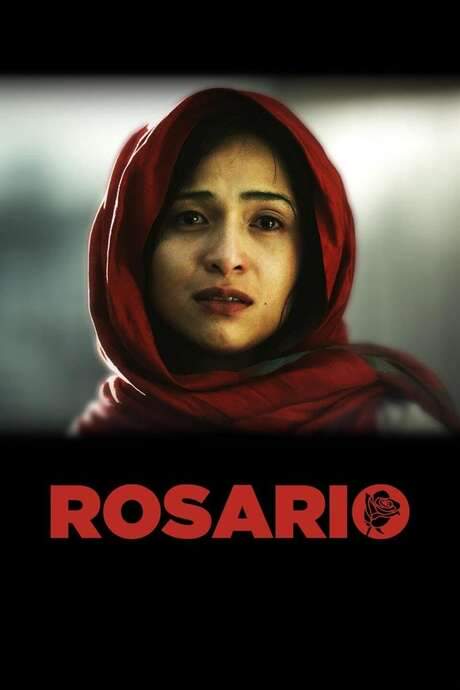



Rosario Plot Summary
Read the complete plot summary and ending explained for Rosario (2010). From turning points to emotional moments, uncover what really happened and why it matters.
In a frame narrative introduced by Manuel V. Pangilinan, Jesus narrates the life of his mother, Rosario, to his nephew. Jennylyn Mercado portrays Rosario, a sophisticated Filipina flapper of the 1920s who has just arrived from New York City and is spending her vacation at her family’s hacienda. Rosario is the mestiza daughter of Don Enrique Phillip Salvador and Doña Adela Eula Valdez, a pairing defined by wealth, status, and the pull of a heart that refuses to be tethered by convention. Rosario moves through life with a bold curiosity, choosing passion over propriety and insisting on living by her own rules.
Rosario’s world collides with Vicente Velez, an older man who manages the family’s tobacco plantation, brought to life on screen by Yul Servo. Their intense romance unfolds against the backdrop of a strict social order, and when Rosario’s father discovers the affair, he sends her to a convent in an attempt to restore the family’s reputation. The escape is swift and defiant: Rosario leaves the convent and elopes with Vicente to Manila, where they begin anew and raise a family, driven by a love that feels both inexorable and reckless.
The course of their marriage is dramatically altered when Vicente contracts tuberculosis, a illness that weakens him and tests Rosario’s devotion. In the grip of loneliness and longing, Rosario is drawn into an extramarital relationship with Alberto Fernandez, a man who becomes a central figure in her life. Alberto is played by Dennis Trillo, and his presence reshapes Rosario’s loyalties and the future she imagined for herself. Vicente learns of the affair after their daughter Maria Rosario uncovers the truth, a revelation that claws at the family from within. In a legal turning point, Vicente files a case of adultery against both Rosario and Alberto, and the court finds them guilty, sentencing them to exile for three years, six months, and twenty-one days.
The exile carries the couple away to Hong Kong, where Rosario gives birth to Alberto’s son, Jesus, a moment captured on screen with Gold Aceron as Young Jesus. Time passes, and when they finally return to the Philippines, life resumes its wandering: Rosario and Alberto travel through various provinces before settling in Manila. They share a cramped apartment with the young family, held within the orbit of Miguel Delgado’s building, a figure who provides a tenuous steadying presence in their precarious life. Ricky Davao portrays Miguel, the man who owns the apartment complex and whose caretaker, Carding, played by Sid Lucero, becomes obsessed with Rosario, mixing affection with misgiving and eventually dangerous intensity. Alberto’s waning interest in Rosario and his own son complicates loyalties and tests what binds the trio together.
Rosario’s story marks a transformation—from a refined socialite who moved freely through high society to a woman whose finances, dignity, and personal autonomy are all challenged by debt, scandal, and social judgment. The arrival of a grown Soledad, Rosario’s daughter whose name has shifted through generations, intensifies the emotional landscape. Soledad is portrayed by Empress Schuck and appears as a pianist in a concert, an emblem of the life Rosario once envisioned for her child, now realized in a different way. The moment of reunion is loaded with tension, as Soledad and the rest of Rosario’s extended family grapple with the mother they were told to forget and the woman they are only beginning to understand.
In the years that follow, Vicente returns to confront Rosario, challenging her apologies and the past she seeks to reconcile. The dynamic among Rosario, Soledad, Vicente, and the rest of the circle grows fraught, and the family’s brittle balance teeters on the edge of reconciliation and rejection. Four months later, Rosario faces financial strain from rent, and Carding’s mounting suspicions about her relationship with Miguel explode into violence when he physical assaults Miguel, leaving Rosario and her son to fend for themselves once again. The shelter of the apartment dissolves, and the family is forced to separate under harsh economic and social pressures.
Back in the frame narrative, Jesus explains that he was raised by paternal relatives after Rosario left Carding, carrying the weight of a life lived in the margins of respectability. He shares the few surviving photographs of Rosario, a silent witness to a mother’s long arc of longing, guilt, and endurance. With limited resources and dwindling prospects, they rent a tomb for Rosario’s corpse because there is nowhere else to lay her to rest—an aching symbol of a life that could never be fully property of the world she inhabited.
As the narrative closes, Jesus reflects on forgiveness and memory. He believes that merely telling Rosario’s life story helps him understand her longing for forgiveness—an act of reconciliation that feels both unfinished and intimately necessary. The tale culminates in a quiet affirmation: despite the storms of scandal and separation, the memory of Rosario endures in her son’s heart. Jesus’s retelling of his mother’s life becomes a bridge—between misunderstanding and acceptance, between a past that haunted a family and a future where her memory is honored.
Throughout the journey, the film paints a portrait of a woman who dared to defy the expectations of her era, a man who loved under difficult circumstances, and a family that sought to hold on to one another even when they could not fully comprehend the choices that kept them apart. The characters—Rosario, Vicente, Alberto, Soledad, Carding, Miguel, Carmen, Don Enrique, Doña Adela, and the others who drift through the story—are drawn with a careful attention to the limits and freedoms that defined their lives. The result is a richly woven tapestry of love, betrayal, faith, and forgiveness, told with restraint and empathy, that invites viewers to reflect on what it means to forgive a past that still echoes in the present.
Rosario Timeline
Follow the complete movie timeline of Rosario (2010) with every major event in chronological order. Great for understanding complex plots and story progression.
Present-day frame: Jesus plans to tell Rosario's story
Manny Pangilinan's uncle, Jesus, writes a letter to the chairman of TV5. He travels to the network station to share the tale with his nephew, introducing Rosario's life as the central story. The frame sets up the narrative that follows across generations.
Rosario arrives at the hacienda from New York
Rosario, a sophisticated Filipina flapper, returns from New York and arrives at her family's hacienda during a vacation. She meets Vicente Velez, an older man who manages the tobacco plantation, and they fall in love. Their romance foreshadows the social tensions that follow.
Father confronts scandal and sends Rosario to a convent
Rosario's father, Don Enrique, discovers the scandalous affair and responds by sending Rosario to a convent to be purified by the church. The decision pits tradition against her free-spirited nature. Rosario's fate becomes sealed by family authority.
Rosario escapes and elopes with Vicente to Manila
Defying her confinement, Rosario escapes the convent and elopes with Vicente to Manila. They start a family and live with the promise of happiness, despite looming social consequences. The move marks a new chapter of love tested by hardship.
Vicente's tuberculosis and the unraveling of bliss
Vicente falls ill with tuberculosis, and Rosario's married life begins to fracture. Temptation and longing pull her toward new desires, challenging her previously loyal role as wife. The illness intensifies the emotional strain that follows.
Rosario's affair with Alberto Fernandez and discovery
Rosario begins a clandestine affair with Alberto Fernandez. Their secret is exposed when their daughter Maria Rosario uncovers the affair, prompting Vicente to consider leaving her. The revelation decisively undermines the family's stability.
Adultery conviction and exile to Hong Kong
Vicente files an adultery case against Rosario and Alberto, and the court convicts them as adulterers. The sentence sends Rosario and Alberto into exile for three years, six months, and twenty-one days. They depart for Hong Kong as their punishment and escape from Philippine society.
Exile in Hong Kong and the birth of Jesus
During the exile in Hong Kong, Rosario gives birth to Alberto's son, Jesus. The family remains in a precarious situation as they cope with separation from Vicente and the social stigma of their actions. The child becomes the present-day narrator in the frame story.
Return to the Philippines and settling in Manila
Years later, Rosario, Alberto, and their son Jesus return to the Philippines and travel through various provinces before settling in Manila again. They move into an apartment complex owned by Miguel Delgado. The reappearance of the family restarts a fragile domestic life.
Carding's fixation and Alberto's withdrawal
Miguel Delgado's caretaker Carding harbors an attraction to Rosario, straining her relationship with Alberto who begins to lose interest. He suspects Rosario's fidelity while Miguel's involvement complicates the situation. The dynamic introduces a sense of danger to their fragile arrangement.
Soledad's concert and the mother-daughter reunion
Rosario longs to meet her grown daughter Maria Rosario, now renamed Soledad, who performs piano in a concert. The encounter reveals the emotional distance created by years apart, and the family fails to fully acknowledge Rosario as mother. The moment underscores the cost of Rosario's past choices.
Vicente's confrontation and Rosario's atonement
Vicente confronts Rosario after the reunion, and although she has tried to atone for her sins, her former family refuses to accept her apology and leaves. This moment marks a painful estrangement but also a chance for personal reckoning. Rosario's guilt remains unresolved in the eyes of those she once loved.
Debt, scandal, and the death of Miguel
Four months later, Rosario's debt problems rekindle trouble when Carding discovers she is having sex with Miguel as payment for debts. He pummels Miguel to death and orders Rosario and her son to leave the apartment. The violent event seals Rosario's descent into desperation.
The tomb and the fading memory
In the present frame, Jesus explains that he was raised by relatives after Rosario left Carding. They rent a tomb for her corpse, but when rent cannot be paid, the tomb is given away and Rosario's body is removed. Her physical memory becomes scarce, even as the story persists.
Forgiveness through storytelling
Jesus concludes that telling his mother's life story is a path to forgiveness for both her and the family. He loves his mother and continues to honor her memory, despite the sins that separated them. The narrative ends with a tempered sense of reconciliation and remembrance.
Rosario Characters
Explore all characters from Rosario (2010). Get detailed profiles with their roles, arcs, and key relationships explained.
Rosario (Jennylyn Mercado)
A sophisticated Filipina flapper whose life spans New York glamour, a Philippine hacienda, exile, and motherhood. Her passionate choices confront rigid social norms, leading to scandal, a fractured family, and a longing for forgiveness that shapes the narrative across generations.
Vicente Velez (Yul Servo)
An older tobacco plantation manager whose marriage to Rosario is strained by desire and illness. His discovery of Rosario’s infidelity triggers legal actions and a broken partnership, embodying the era’s stern moral judgments and the fragility of long-term commitments.
Alberto Fernandez (Dennis Trillo)
Rosario’s lover and father to her son Jesus. His relationship with Rosario disrupts the marriage and life trajectory, illustrating the personal costs of passion and the complexities of loyalty within family networks.
Miguel Delgado (Ricky Davao)
Owner of the apartment complex where Rosario and Alberto reside post-exile; his life intersects with Rosario’s and Carding’s tensions, culminating in a fatal confrontation that marks a turning point for Rosario’s stability and safety.
Soledad / Maria Rosario (Empress Schuck)
Rosario’s daughter, grown and performing piano in Manila. Her name echoes family history while highlighting the emotional distance between mother and daughter; she represents the new generation navigating the shadows of her mother’s past.
Carmen (Isabel Oli)
A confidante who informs Vicente about Rosario’s affair, exposing the social networks that guard reputations. Her role underscores how gossip and information shape outcomes in a tightly knit community.
Carding (Sid Lucero)
Miguel’s caretaker who desires Rosario and reacts with violent jealousy when he suspects infidelity. His actions catalyze Rosario’s ongoing misfortunes and contribute to the tragedy surrounding the family.
Rosario Settings
Learn where and when Rosario (2010) takes place. Explore the film’s settings, era, and how they shape the narrative.
Time period
1920s
Set in the 1920s Philippines, a period of Western influence and evolving social mores within a colonial context. Rosario embodies the era’s tension between modern, cosmopolitan desire and traditional expectations. The plot moves from the hacienda world to exile in Hong Kong and back to Manila, reflecting a lifespan shaped by romance, scandal, and attempts at redemption within rigid moral codes.
Location
New York City, Philippine hacienda, Manila, Hong Kong
The story travels from Rosario’s arrival from New York to a Philippine hacienda and tobacco plantation, signaling a blend of cosmopolitan glamour and rural power. It later shifts to Manila, where a marriage, scandal, and exile unfold, before sweeping to Hong Kong during the couple’s years away from home. The narrative returns to urban Manila and to a mansion-like apartment setting, before ending in a cemetery where Rosario’s tomb is rented, underscoring the social marginalization she endures.
Rosario Themes
Discover the main themes in Rosario (2010). Analyze the deeper meanings, emotional layers, and social commentary behind the film.
💘
Romance and Scandal
Rosario’s passionate affairs with Vicente and Alberto drive the plot and destabilize her life. The film examines how intense love clashes with societal judgment and the consequences of pursuing desire in a conservative era. Scandal reshapes families, reputations, and fortunes, revealing the personal costs of forbidden love.
🕊️
Guilt and Redemption
Across decades and cities, Rosario seeks forgiveness from those she loves and from herself. The narrative suggests that redemption is possible, though often delayed, as fractured families inch toward reconciliation. The enduring question is whether forgiveness can repair the damage of past choices.
⚖️
Morality and Law
The adulterous acts trigger legal action and exile, illustrating how institutions enforce moral norms. The court ruling and resulting exile disrupt lives and shape future relationships, highlighting the gap between legal verdicts and personal healing.
💃
Female Identity and Agency
Rosario embodies a modern woman challenging social constraints, navigating love, debt, and public judgment. Her evolution from a glamorous flapper to a resilient mother and survivor reflects the struggle for personal autonomy within a patriarchal society.

Coming soon on iOS and Android
The Plot Explained Mobile App
From blockbusters to hidden gems — dive into movie stories anytime, anywhere. Save your favorites, discover plots faster, and never miss a twist again.
Sign up to be the first to know when we launch. Your email stays private — always.
Explore the mobile appRosario Spoiler-Free Summary
Discover the spoiler-free summary of Rosario (2010). Get a concise overview without any spoilers.
In the glittering backdrop of 1920s Philippines—a time of jazz, flappers, and shifting social tides—Jesus sits with his nephew, ready to hand down a story that feels both personal archive and national portrait. The film frames a woman’s quest for emancipation as an intimate meditation on desire, reputation, and the quiet rebellion that can echo across generations. Its tone is lush and reverent, balancing the grandeur of a historic epoch with the fragile heartbeat of a single life.
Rosario arrives at her family’s hacienda fresh from New York, a mestiza daughter of Don Enrique and Doña Adela. Sophisticated, daring, and restless, she carries the modern airs of a foreign city while navigating the expectations of a privileged but conventional household. Her presence turns the opulent halls into a stage for questioning tradition, and her yearning to live on her own terms hints at a larger cultural shift taking root in the Philippines.
Amid the plantation fields and Manila’s bustling streets, Vicente—the seasoned manager of the family’s tobacco estate—becomes the first of several men who draw Rosario into a world where love, duty, and ambition intersect. Later, Alberto appears, adding another layer of complexity to her evolving sense of self. Their interactions are less about plot twists than about the gentle friction between personal longing and societal pressure. Nearby, Miguel offers a steady, if understated, presence, while Carding, the building caretaker, watches Rosario with a mixture of admiration and unease. The growing daughter, Soledad, already hints at the generational legacy the story will eventually trace.
Rendered with a restrained yet evocative visual style, the film invites viewers to linger on the textures of a bygone era—the clink of crystal, the rustle of silk, the distant hum of a changing nation. Through Jesus’s narration, the audience is asked to consider how memory, forgiveness, and the yearning for freedom intertwine, leaving the portrait of Rosario both timeless and intimately resonant.
Featured on this page

What's After the Movie?
Not sure whether to stay after the credits? Find out!
Check out our other apps:

SAT Sphere
Build confidence for the Digital SAT.

Mori Atlas
Discover wild places worth protecting.

Luntero
Search smarter for a home in Amsterdam.

Plot Explained
Unravel movie endings and hidden clues.

Pokechamp
Dive into Pokémon data and battle logic.

Driving Theory
Get ready for your European theory test.

Movie Dust
Plan your next cinema trip with ease.

Musemap
Find art and culture as you travel.

Selkobase
Compare credentials before committing.

Local Manual
Turn an unfamiliar country into practical next steps.

Lernavi
Compare school systems before your next move.

GymRoam
Find a workout stop wherever your plans take you.
Explore Our Movie Platform
New Movie Releases (2026)
Famous Movie Actors
Top Film Production Studios
Movie Plot Summaries & Endings
Major Movie Awards & Winners
Best Concert Films & Music Documentaries
Movie Collections and Curated Lists
© 2026 What's After the Movie. All rights reserved.
Privacy Policy