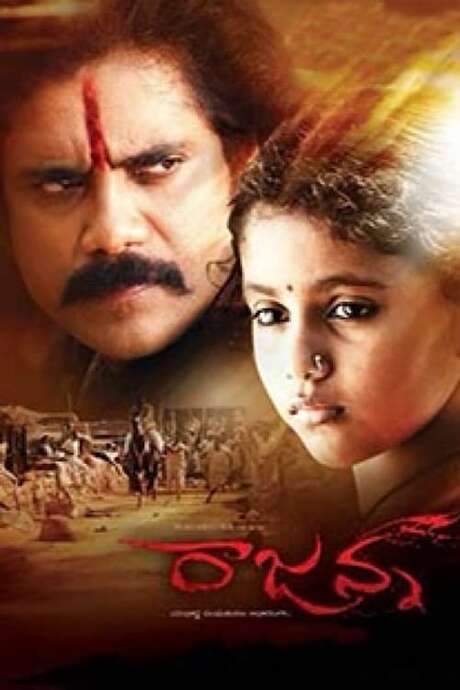


Where to Watch Rajanna
See current US streaming, rental, and purchase options for Rajanna (2011) via JustWatch.

Streaming availability powered by 
Rajanna Plot Summary
Read the complete plot summary and ending explained for Rajanna (2011). From turning points to emotional moments, uncover what really happened and why it matters.
Rajanna Timeline
Follow the complete movie timeline of Rajanna (2011) with every major event in chronological order. Great for understanding complex plots and story progression.
Awaiting movie summary
No movie summary was provided in your message, so I cannot generate an accurate timeline. Please share the complete synopsis (and any notable details like character names, key locations, and the timeframe) and I will produce a 10-15 item timeline based on it.
Rajanna Characters
Explore all characters from Rajanna (2011). Get detailed profiles with their roles, arcs, and key relationships explained.
Rajanna (Nagarjuna Akkineni)
Rajanna is the central figure whose leadership and courage mobilize others. He embodies resilience against oppression and a willingness to sacrifice for his people. His decisions reveal a balance of strategic thinking and compassion in the face of danger.
Lachamma (Sneha)
Lachamma acts as a trusted ally within the community, offering support and practical wisdom. She demonstrates quiet strength and loyalty, standing by Rajanna and others during difficult choices. Her presence adds emotional depth and resilience to the group.
Dorasani (Shweta Menon)
Dorasani is a powerful figure tied to land and authority in the story. She embodies complexity, capable of wielding influence while navigating moral conflicts. Her actions reveal the tension between power and kinship within the community.
Mallamma (Annie)
Mallamma is a caregiver figure who anchors family and village life. She shows resilience and care for those around her, offering emotional support amid upheaval. Her presence highlights the human cost of conflict and the importance of community bonds.
Sambayya (Sammeta Gandhi)
Sambayya is a respected elder who provides guidance and stability. He embodies tradition and communal memory, helping younger characters navigate danger with wisdom. His leadership reinforces the film's communal values.
Governor Curzon (Edward Sonnenblick)
Governor Curzon represents the colonial administration and the distance between ruling powers and the people. His presence signifies external authority and the systemic pressures faced by the community. He often embodies the tension between law and justice in the period setting.
Jawaharlal Nehru (Saurabh Dubey)
Nehru is portrayed as a statesman figure whose ideals influence the political backdrop of the story. His inclusion signals larger national context and aspirations beyond the local struggles. He represents leadership and the arc of national awakening.
Rajanna's Aide (Ajay)
Aide to Rajanna who supports organizing and logistics. This character contributes practical help and loyalty to the cause, helping the group coordinate efforts under pressure.
Dorasani's Aide (Ravi Kale)
Aide to Dorasani, assisting with the power dynamics and operations surrounding the leadership figures. His role emphasizes the factional alliances within the community.
Rajanna's Aide (Sravan Raghavendra)
Another loyal aide to Rajanna, contributing to strategic planning and action. His presence underscores the collaborative nature of the resistance.
Landlord (Mukesh Rishi)
Landlord character who represents the oppressive figures exploiting peasants. His interactions highlight the class tensions and the societal stakes of the conflict.
Rajanna Themes
Discover the main themes in Rajanna (2011). Analyze the deeper meanings, emotional layers, and social commentary behind the film.
🕊️
Freedom
The film centers on the struggle for dignity and independence. It examines how communities resist oppression and strive to reclaim agency. Sacrifice, courage, and solidarity underpin the journey of everyday people who band together for a common cause. The theme invites viewers to reflect on the cost of freedom and the resilience of collective effort.
🛡️
Duty
Duty to family, community, and shared values anchors the narrative. Characters weigh personal risk against collective responsibility, revealing how leadership emerges from responsibility. The story portrays perseverance as a response to adversity rather than a solitary act. Loyalty and resolve drive the arc forward.

Coming soon on iOS and Android
The Plot Explained Mobile App
From blockbusters to hidden gems — dive into movie stories anytime, anywhere. Save your favorites, discover plots faster, and never miss a twist again.
Sign up to be the first to know when we launch. Your email stays private — always.
Explore the mobile appRajanna Spoiler-Free Summary
Discover the spoiler-free summary of Rajanna (2011). Get a concise overview without any spoilers.
In the waning days of the Nizam’s rule, the isolated village of Nelakondapalli clings to an uneasy rhythm of feudal tradition and whispered hope. The landscape is drenched in the heat of Telangana’s fields, while the towering silhouette of a sacred basil tree watches over the villagers, its roots tangled with stories older than the estate. An aristocratic family, led by a formidable Dorasani, holds sway over daily life, their presence a constant reminder of a hierarchy that tolerates little dissent. The atmosphere is one of restrained tension, where the weight of centuries‑old customs meets the restless stir of a people yearning for change.
Into this world arrives Mallamma, a bright‑eyed child whose voice rises like a hidden river through the village’s quiet lanes. Raised by her grandfather Sambayya, she finds solace in song, each melody a fragile thread that stitches together the fractured pieces of her home. Her bond with the basil tree feels almost mystical, hinting at a deeper connection to the land and its unspoken histories. The village’s reverence for the tree mirrors the quiet reverence they hold for Mallamma’s unexpected talent, setting her apart in a place where expression is often muffled.
The arrival of a Carnatic music teacher, Kulkarni, introduces a subtle crack in the village’s silence. He recognizes Mallamma’s gift and, with a gentle push, encourages her to sing beyond the confines of household walls. This external influence flickers like a candle in the dim hall of the feudal household, promising both opportunity and danger. The tension between Dorasani’s rigid authority and Mallamma’s burgeoning voice creates an undercurrent of intrigue, suggesting that the village’s future may hinge on the power of a single song.
As the story unfolds, the contrast between oppressive rule and the innocent yearning for freedom becomes the spine of the narrative. The lush, period setting, the lingering scent of the basil tree, and the delicate interplay of music and oppression invite viewers to wonder how far a small voice can travel when it carries the weight of a community’s hidden past and its unspoken dreams.
Featured on this page

What's After the Movie?
Not sure whether to stay after the credits? Find out!
Check out our other apps:

SAT Sphere
Build confidence for the Digital SAT.

Mori Atlas
Discover wild places worth protecting.

Luntero
Search smarter for a home in Amsterdam.

Plot Explained
Unravel movie endings and hidden clues.

Pokechamp
Dive into Pokémon data and battle logic.

Driving Theory
Get ready for your European theory test.

Movie Dust
Plan your next cinema trip with ease.

Musemap
Find art and culture as you travel.

Selkobase
Compare credentials before committing.

Local Manual
Turn an unfamiliar country into practical next steps.

Lernavi
Compare school systems before your next move.

GymRoam
Find a workout stop wherever your plans take you.
Explore Our Movie Platform
New Movie Releases (2026)
Famous Movie Actors
Top Film Production Studios
Movie Plot Summaries & Endings
Major Movie Awards & Winners
Best Concert Films & Music Documentaries
Movie Collections and Curated Lists
© 2026 What's After the Movie. All rights reserved.
Privacy Policy