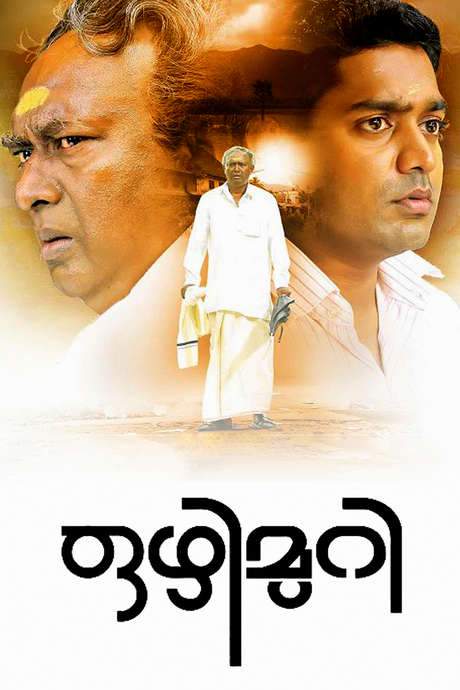



Where to Watch Ozhimuri
See current US streaming, rental, and purchase options for Ozhimuri (2012) via JustWatch.

Streaming availability powered by 
Ozhimuri Plot Summary
Read the complete plot summary and ending explained for Ozhimuri (2012). From turning points to emotional moments, uncover what really happened and why it matters.
The story unfolds through the eyes of Thanu Pillai, a man whose life is defined by ego clashes and the weight of a period’s rigid hierarchies. It centers on the complex web woven by three women in his world—his formidable mother, Kali Pillai; his devoted wife, Meenakshi Pillai; and the wife of his son—whose presence gradually lays bare the tensions beneath a traditional family dynamic.
Meenakshi Pillai, a fifty-five-year-old woman, files for divorce against her husband and seeks the return of properties she had transferred to him during their marriage. The defense lawyer, Balamani, tries to persuade Meenakshi and her son, Sarath Chandran, to withdraw the case on several occasions. Sarath Chandran explains that his father was abusive toward both him and his mother, and he recounts the weight of the family history: Thanu Pillai’s mother, Kali Pillai, once wielded significant power in local politics within a matrilineal system, yet Thanu Pillai despised that very tradition and married Meenakshi from a patrilineal Nair family. Still, Kali Pillai had loved Meenakshi and urged her to stand up to patriarchy, even as Meenakshi chose to submit for years. Amidst these revelations, the bond between Sarath Chandran and Balamani begins to deepen.
As the case progresses, layers of the past unfold through the perspectives of those who knew Thanu Pillai and the women around him. Meenakshi endured cycles of abuse because she believed her husband’s love for his son justified—or demanded—her submission. The narrative reveals that Sarath’s health owes much to his father’s influence, a revelation that slowly reshapes his view of Thanu Pillai. It also recalls that Sivan Pillai, Thanu Pillai’s father, was a wrestler who died penniless after Kali Pillai divorced him to be with a younger, educated man. This painful history leaves a deep scar on Thanu Pillai, fueling his harshness toward his mother and his wife, even as he acknowledges his love for both.
Kali Pillai’s death weighs heavily on Thanu Pillai. Before she dies, she asks Meenakshi to call him, but he refuses, an act that drives Kali Pillai to depart in a storm, ending her life on the streets. The memory of his mother’s death haunts Thanu Pillai, contributing to a later heart attack that briefly weakens him. After recovering, he confronts Meenakshi, asking why his mother left and accusing his wife of causing her pain, even labeling her a slave. This confrontation strengthens Meenakshi’s resolve to seek independence.
A second heart attack tests Thanu Pillai, who is kept alive with Meenakshi’s care. In court, Thanu Pillai, Sarath Chandran, and Balamani hope that Meenakshi Amma will withdraw the divorce petition because she tended to him in his illness. Instead, Meenakshi stands firm and declares she wants a life free from domination. Thanu Pillai, though pained, accepts the turn of events. He opens up to his son, admitting his past abusive behavior stemmed from fear of his own father’s fate, and he praises Balamani as a strong, formidable partner in life while advising Sarath Chandran to never fear her.
Returning home, Thanu Pillai and Sarath Chandran are surprised to find Meenakshi waiting with a sweet dish, prepared as a gesture of care—but she does so not as his wife, but as a free, self-determined woman. Meenakshi then chooses to spend the rest of her life in the house that Kali Pillai had gifted her, living with pride and self-respect, guided by the memory and strength of Kali Pillai herself.
Ozhimuri Timeline
Follow the complete movie timeline of Ozhimuri (2012) with every major event in chronological order. Great for understanding complex plots and story progression.
Thanu Pillai's world set by ego and tradition
The film unfolds through the eyes of Thanu Pillai, a man defined by ego clashes and the rigid hierarchies of his era. In his orbit are three women who will gradually expose the tensions of a traditional family: Kali Pillai, his formidable mother; Meenakshi, his wife; and the wife of his son. The social backdrop is a matrilineal system clashing with Thanu's patriarchal impulses.
Meenakshi files for divorce and seeks property return
Meenakshi Pillai files for divorce against her husband, seeking the return of properties she had transferred during the marriage. The move triggers a courtroom battle that lays bare long buried grievances and power dynamics within the family. The defense lawyer Balamani tries to persuade Meenakshi and her son Sarath to withdraw the case.
Sarath explains family history and female power
Sarath Chandran explains that his father was abusive toward him and his mother, revealing a tangled web of fear and control. He recalls Kali Pillai's former power in local politics within the matrilineal system, a power Thanu Pillai despised. Yet Kali had loved Meenakshi and urged her to stand up to patriarchy, even as Meenakshi endured years of submission.
The past: Sivan Pillai's life and Kali's divorce
The narrator recalls Sivan Pillai, Thanu Pillai's father, a wrestler who died penniless after Kali Pillai left him to be with a younger, educated man. This painful history leaves a mark on Thanu, shaping his attitude toward his mother and wife. It helps explain his harshness and fear of losing control.
Kali Pillai's death and the storm
Before dying, Kali Pillai asks Meenakshi to call Thanu Pillai. Thanu refuses, and Kali leaves in a storm, dying on the streets. The image of her death haunts Thanu and becomes a turning point in the family's dynamics.
The memory of Kali's death haunts Thanu
The memory of his mother's death haunts Thanu Pillai and contributes to a later heart attack. He struggles with guilt and fear as the consequences of the past begin to catch up with him. The haunting memory fuels the erosion of his health and authority.
First heart attack and brief recovery
Thanu Pillai suffers a second heart attack, leaving him temporarily weakened. Meenakshi cares for him during this illness, showing a gentler, more independent side. The health crisis becomes a catalyst for reevaluating power dynamics within the family.
Meenakshi's care and stance during illness
While nursing him, Meenakshi asserts her own agency and refuses to be cowed by his memories of past abuse. Her resolve deepens the tension and reshapes her relationship with Thanu and Sarath.
Court confrontation: Meenakshi refuses to withdraw
In court, Thanu, Sarath, and the defense lawyer hope Meenakshi will withdraw the divorce petition. Instead, Meenakshi proclaims she wants a life free from domination, signaling a decisive break from the old order.
Thanu opens up and forgives; acknowledges abuse and praises Balamani
Thanu admits that his abusive behavior stemmed from fear of his own father's fate and expresses remorse. He praises Balamani as a formidable life partner and urges Sarath never to fear her.
Return home with a cautious hope
Returning home, Thanu and Sarath are surprised to find Meenakshi waiting with a sweet dish. She offers it not as his wife but as a free, self-determined woman, signaling a new phase in their lives.
Meenakshi asserts independence and stays in Kali Pillai's house
Meenakshi chooses to spend the rest of her life in the house Kali Pillai had gifted her, living with pride and self-respect. Her decision is guided by Kali's memory and the strength of the women who shaped her path.
Ozhimuri Characters
Explore all characters from Ozhimuri (2012). Get detailed profiles with their roles, arcs, and key relationships explained.
Thanu Pillai
A patriarch defined by ego and fear of his own father’s fate; his harshness toward his mother and wife stems from a rigid, traditional mindset. The film traces his gradual recognition of past faults and his eventual openness to change, painting a nuanced portrait of a man torn between duty and growth.
Kali Pillai
A formidable matriarch who once wielded political influence within a matrilineal system. Her legacy looms over the family’s dynamics, and her death becomes a watershed that catalyzes new choices and confrontations. Her memory continues to shape how power, loyalty, and pride are navigated by the living.
Meenakshi Pillai
A 55-year-old woman who endured years of abuse and seeks independence by filing for divorce. Her bold stand becomes a turning point for the family, inspiring others to question subservience and reclaim agency over their lives and assets.
Sarath Chandran
Thanu Pillai’s son, navigating filial duty while shaping his own evolving view of his father’s past. His developing relationship with Balamani adds emotional depth to the case, and he becomes a bridge between generations and perspectives.
Balamani
A formidable defense lawyer who stands with Meenakshi, challenging patriarchal expectations. Her partnership with Sarath deepens as the case unfolds, presenting a forceful counterpoint to traditional gender roles.
Meenakshi's Advocate
A defense lawyer who provides courtroom insights and moral counterpoint during the proceedings. His role highlights the legal dimension of the struggle and the social complexities surrounding divorce.
Vaidyan (Sivan Pillai's Father)
A wrestler whose penniless death followed Kali Pillai’s departure leaves a bitter memory that informs Thanu Pillai’s present attitudes. His life story underscores how pride, love, and loss travel through generations.
Ozhimuri Settings
Learn where and when Ozhimuri (2012) takes place. Explore the film’s settings, era, and how they shape the narrative.
Time period
Mid-20th century Kerala (1950s–1960s)
The narrative sits at a time of social transition, when traditional patriarchal and matrilineal arrangements clash with emerging ideas of individual rights. Legal struggles and family memories span decades, illustrating how past norms continue to shape present actions. This period setting helps explain why divorce, property, and gender roles carry such weight.
Location
Kerala, India
The story unfolds within a Kerala household, rooted in local social norms and a history of matrilineal influence. The setting highlights the intimate spaces where family power dynamics play out, from the home to the courtroom. It reflects the cultural landscape of a community where tradition often governs personal choices.
Ozhimuri Themes
Discover the main themes in Ozhimuri (2012). Analyze the deeper meanings, emotional layers, and social commentary behind the film.
💪
Empowerment
The film centers on Meenakshi and Kali Pillai as catalysts for change, challenging entrenched gender roles. Their choices push against a system designed to subordinate women, emphasizing self-determination and resilience. Through their actions, the narrative argues for autonomy within a family and society that prizes tradition over individual rights.
🧠
Memory and Tradition
Past events and family memories shape present behavior, revealing how loyalties and grievances are passed down through generations. The characters confront the weight of history—especially the mother’s political legacy and the father’s legacy of abuse—that continues to influence decisions today. The film suggests that understanding history is essential to breaking free from cycles of domination.
💔
Abuse and Liberation
Abuse within the family is a central driver of the plot, fueling the demand for independence and justice. The characters’ responses to harm reveal varying degrees of courage, denial, and growth. The resolution hinges on choosing dignity over silence, with the courtroom and home acting as stages for personal liberation.

Coming soon on iOS and Android
The Plot Explained Mobile App
From blockbusters to hidden gems — dive into movie stories anytime, anywhere. Save your favorites, discover plots faster, and never miss a twist again.
Sign up to be the first to know when we launch. Your email stays private — always.
Explore the mobile appOzhimuri Spoiler-Free Summary
Discover the spoiler-free summary of Ozhimuri (2012). Get a concise overview without any spoilers.
In a quiet Kerala town where the echoes of ancient customs still shape everyday life, Thanu Pillai has spent decades navigating the expectations of a patriarchal world that clashes with the lingering influence of his mother’s matrilineal legacy. His wife, Meenakshi, a woman of modest means, has lived beside him for thirty years, their marriage a quiet testament to endurance amid shifting social tides. When, after half a century together, Meenakshi files for divorce and seeks to reclaim the property she once handed over, the household is thrust into a delicate probing of old wounds and unspoken rules.
The case draws in Sarath, their adult son, whose loyalty to his father is tested by the revelations that surface, and Balamany, a sharp‑tongued advocate determined to untangle the reasons behind the sudden separation. Their investigations become a conduit for the film’s broader meditation on the tensions between patrilineal and matrilineal traditions, the weight of familial honor, and the silent sacrifices that often go unnoticed within a marriage that has weathered decades of change.
Through intimate conversations and lingering glances, the story paints a portrait of a family caught between reverence for the past and the yearning for autonomy. The atmosphere is steeped in understated melancholy, yet it is tinged with a resilient spark as each character confronts the invisible forces that have guided their choices. The tone balances the gravity of cultural expectations with moments of quiet defiance, inviting the audience to reflect on how love, duty, and identity intersect in a world where the lines between devotion and oppression are often blurred.
Featured on this page

What's After the Movie?
Not sure whether to stay after the credits? Find out!
Check out our other apps:

SAT Sphere
Build confidence for the Digital SAT.

Mori Atlas
Discover wild places worth protecting.

Luntero
Search smarter for a home in Amsterdam.

Plot Explained
Unravel movie endings and hidden clues.

Pokechamp
Dive into Pokémon data and battle logic.

Driving Theory
Get ready for your European theory test.

Movie Dust
Plan your next cinema trip with ease.

Musemap
Find art and culture as you travel.

Selkobase
Compare credentials before committing.

Local Manual
Turn an unfamiliar country into practical next steps.

Lernavi
Compare school systems before your next move.

GymRoam
Find a workout stop wherever your plans take you.
Explore Our Movie Platform
New Movie Releases (2026)
Famous Movie Actors
Top Film Production Studios
Movie Plot Summaries & Endings
Major Movie Awards & Winners
Best Concert Films & Music Documentaries
Movie Collections and Curated Lists
© 2026 What's After the Movie. All rights reserved.
Privacy Policy