What Is Omaha About?
The premise of Omaha in 267 words, with nothing given away. The full story follows below.
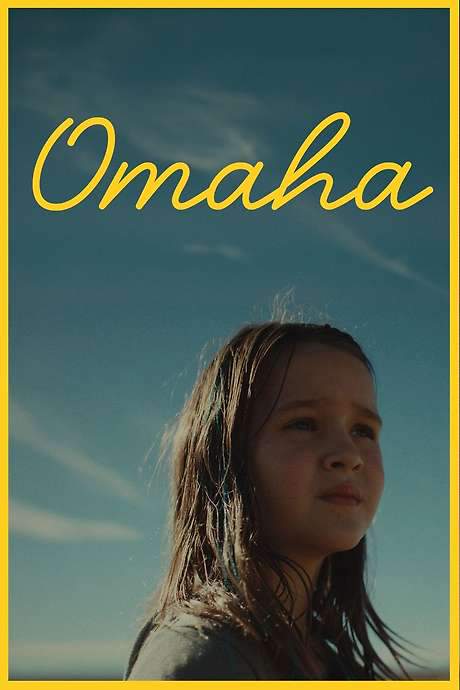
After a family tragedy reshapes their world, siblings Ella and Charlie are roused from sleep by their father, who announces a sudden road trip with an air of quiet urgency. What begins as a restless departure from home unfolds into a journey across unfamiliar landscapes, where the open road becomes a space for discovery, reflection, and unspoken tension. The father, carrying a heaviness that even his children can sense, guides them forward with a determination that masks something deeper, while the children encounter places and people that quietly expand their understanding of the world beyond their own front door.
As the miles stretch on, the trip reveals itself to be more than a simple getaway. Ella, the more perceptive of the two, begins to notice the small cracks forming in her father’s composure — the fleeting moments of silence, the careful deflections, the way he steers them toward certain destinations while steering conversation away from others. The encounters along the way, from strangers offering quiet kindness to unfamiliar towns with their own quiet rhythms, leave a lasting impression on the children, stirring questions they had never thought to ask before.
What makes the journey linger is the slow, accumulating weight of realization. Ella senses that the world her family has known is shifting beneath her, and with each new place, she begins to glimpse something more complicated lying just beneath the surface of their travels. The road ahead feels both expansive and uncertain, shaped by the bonds of family and the growing awareness that some journeys change not just where you are, but who you are becoming.
What Happens in Omaha?
The complete story of Omaha, from the first scene to the last, in 649 words (about 3 minutes). Spoilers throughout. Names in the text link to 3 cast member pages.
Spoilers ahead
Martin, John Magaro, is a widowed father who wakes his two children, Ella Molly Belle Wright and Charlie Wyatt Solis, after their home is foreclosed, insisting they’re simply setting out on a road trip. At a roadside restaurant, he deliberately feeds their dog human food, much to Ella’s objection, and later has the dog put down at a SPCA shelter. The trip is supposed to be a fresh start, but the underlying tension is clear: financial strain, uncertain plans, and a father trying to keep his family together even as the world feels unstable.
Martin reveals that their destination is Nebraska, a detail that hangs over every decision they make. A gas-station encounter with a woman who recommends visiting Omaha nudges Ella to ask for a zoo visit once they arrive; she yearns for a moment of normalcy amid the chaos, and the thought of seeing animals together gives them a fragile spark of hope. But Martin remains wary, his face tightened with a mix of resolve and doubt as the trip unfolds.
When they reach Omaha, they check into a motel, and Ella watches her father cry with a quiet, almost unspoken heartbreak. Despite the dwindling funds and the mounting pressure, Martin still drives them to the zoo, trying to offer a semblance of happiness to his children even as the road cracks the fragile shell of their family. The day gives way to a stark turn of events: that night, Martin takes the kids to a hospital and abandons them there, a moment that unsettles the balance between love and desperation that has sustained them up to this point.
The following morning, he awakens in his car and makes his way back to the hospital, where a nurse, Edie, [Talia Balsam] invites him inside to fill out paperwork and gently explains that social workers had already arrived and taken his children from the hospital. The quiet room, the rustle of papers, and the realization that the system has intervened create a heavy, reflective mood that lingers long after the credits would roll.
What unfolds is not just a personal story but a broader, unsettling lens on how families in crisis navigate choices under pressure. The film’s final notes pull back to a sobering historical context: in July 2008, Nebraska passed a safe-haven law that allowed the state to take in children who were abandoned by their parents. Crucially, the law did not specify an age, which led some parents to travel across state lines to drop off older children. The epilogue reveals that 35 children were abandoned in Nebraska before the law was rewritten, and none of them were infants. This real-world angle grounds the narrative in a troubling truth about the consequences of desperation and the limits of what a family can endure.
Throughout, the film maintains a quiet, observant tone that invites viewers to feel the weight of each decision rather than rush to judgment. The lens captures the small, intimate moments—the dog’s fate, Ella’s hopeful questions, Charlie’s presence beside his sister, and Martin’s exhausted, searching gaze—that together form a portrait of a family caught between love and circumstance. The performances underscore the ache of a father’s love stretched beyond its ordinary bounds, while the restrained screenplay anchors the story in lived experience rather than melodrama.
In the end, the movie leaves us with a difficult constellation of questions: What would it mean to rewrite a family’s map in the face of financial collapse and personal guilt? How far can a parent’s devotion stretch before it becomes a choice that cannot be undone? And what responsibilities do communities and laws bear when families are pushed into impossible situations? The film does not offer simple answers, but it does insist on bearing witness to the complex realities that shape people when hope collides with harsh reality, leaving a lasting impression about the fragility—and resilience—of family bonds.
Omaha Timeline: Every Key Event in Order
12 key events in the order they happen, from “Foreclosure and road trip setup” to “Impact of the law on older children”. 12 events name a place, across 9 locations.
- 1
Foreclosure and road trip setup
Martin, a widowed father, wakes his two children after their home is foreclosed and tells them they are going on a road trip. He frames the moment as an adventure for the family, masking the fear and financial strain underlying the plan.
Where:Home
- 2
Restaurant dog feeding
At a restaurant, Martin deliberately feeds the dog human food, ignoring Ella's protests. The act foreshadows his willingness to disregard boundaries for his own needs.
Where:Restaurant
- 3
Putting the dog down at the SPCA
Later, Martin takes the dog to a SPCA shelter and has it put down. The decision underscores the unraveling moral line of their journey and the toll it takes on Ella.
Where:SPCA shelter
- 4
Destination revealed: Nebraska
He reveals that they are heading to Nebraska. The destination hints at a deeper, perhaps misguided, plan that shapes the rest of their trip.
Where:Car / On the road
- 5
Gas station advice to visit the zoo
A woman at a gas station recommends visiting the zoo in Omaha. Ella asks if they can go, but Martin hedges, saying he is unsure.
Where:Gas station
- 6
Arrival in Omaha: motel stay
The family arrives in Omaha and checks into a motel. The trip begins to feel more like a series of stops than a cohesive plan.
Where:Omaha, Nebraska (motel)
- 7
Zoo visit despite thin funds
Despite being almost out of money, Martin takes Ella and Charlie to the zoo. The outing underscores his stubborn desire to maintain a sense of normalcy for the children.
Where:Zoo (Omaha)
- 8
Night at the hospital and abandonment
That night, he takes the children to a hospital and abandons them there. The act abruptly reveals the fragility of his decisions.
When:Night Where:Hospital
- 9
Morning wake-up and return to the hospital
The next morning Martin wakes up in his car and returns to the hospital, where a nurse explains that social workers had already taken the children.
When:Morning Where:Hospital
- 10
Nurse Edie and paperwork
A nurse named Edie invites him to fill out the necessary paperwork and confirms the children are in the custody of social services. The encounter marks the practical collapse of his plan and the start of formal intervention.
Where:Hospital
- 11
Epilogue: safe-haven law (July 2008)
The epilogue explains that in July 2008 Nebraska passed a safe-haven law decriminalizing the act of abandoning children for the state to take in. This change created a loophole that encouraged parents to drop off older children.
When:July 2008 Where:Nebraska
- 12
Impact of the law on older children
The law's loophole led to 35 children being abandoned in the state before it was rewritten, none of them infants. The film notes this troubling consequence as part of the epilogue.
Where:Nebraska
Who Are the Main Characters in Omaha?
5 characters, among them Martin (Dad) — John Magaro, Ella — Molly Belle Wright and Charlie — Wyatt Solis: who each one is and the part they play in the story. Every profile links to the actor’s page.
-

Martin (Dad) — John Magaro
Played by John Magaro
A widowed father who leads his kids on a road trip after losing their home. He is driven by a desperate wish to protect his family, but his decisions become increasingly reckless. His emotional volatility and resolve propel the plot as he moves between care and coercion.
- 👨👧 Father
- 💔 Desperate
- 🧭 Protective
- E—
Ella — Molly Belle Wright
Played by Molly Belle Wright
The elder daughter who scrutinizes her father's plan and speaks up when she can. She cares deeply for her sister and for the family, showing resilience and a practical streak. Her awareness anchors the moral tension of the journey.
- 👧 Daughter
- 🌟 Observant
- 💖 Caring
- C—
Charlie — Wyatt Solis
Played by Wyatt Solis
The younger son who endures the upheaval with quiet presence. He follows his sister and absorbs the emotional stakes of the crisis. His vulnerability highlights the human cost of the family’s decisions.
- 👦 Son
- 🕊️ Curious
- 🥾 Loyal
-

Edie — Talia Balsam
Played by Talia Balsam
A nurse who invites Martin into the hospital to fill out paperwork and informs him that social workers have taken custody of the children. She embodies calm concern and professional care during the crisis.
- 🧑⚕️ Nurse
- 🕊️ Kind
- 🏥 Empathetic
-

Sheriff — Rachel Alig
Played by Rachel Alig
A law enforcement figure associated with the social services response in the town. The sheriff represents the official intervention surrounding the family’s crisis.
- 👮 Sheriff
- 🧭 Authority
- 🕵️♂️ Duty
Where and When Is Omaha Set?
Omaha is set in Omaha and Nebraska (Late 2000s (2008)). Here is why the time and place matter to the story.
When
Late 2000s (2008)
The events take place in the late 2000s, culminating with the July 2008 passage of Nebraska's safe-haven law. The film ties personal desperation to a specific policy moment that shapes what can happen to families. This context helps explain the social and legal framework surrounding the characters' choices.
Where
Omaha, Nebraska
The story unfolds in Omaha, Nebraska, a midwestern city that frames the road-trip drama. Key locations include a motel, a zoo, a hospital, and an SPCA shelter encountered within or around the city. These urban and semi-urban spaces highlight the family's precarious situation and how everyday places become stages for crisis.
- 🏙️ Midwestern city
- 🐾 Zoo proximity
- 🏨 Motel stays
What Are the Themes of Omaha?
3 ideas the story keeps returning to, among them Family Struggle, Poverty & Desperation and Safe-Haven Law & Policy.
-
01
Family Struggle
A widowed father’s desperation drives the family on a road trip after foreclosure. The journey tests loyalty, trust, and the boundaries of protection. The story centers on fragile family bonds and how love, guilt, and fear intersect under financial stress.
-
02
Poverty & Desperation
Foreclosure and dwindling funds push Martin toward drastic decisions. Economic strain exposes the limits of parental control and the consequences of making fateful choices. The film uses financial hardship to heighten moral tension and human cost.
-
03
Safe-Haven Law & Policy
The epilogue ties the narrative to Nebraska’s 2008 safe-haven law, noting that the law did not specify an age for abandonment. It reveals that dozens of children were dropped off under that loophole before policies were updated. The film invites reflection on how policy intersects with personal desperation and child welfare.
What Kind of Film Is Omaha?
Bleak in tone, with steady pacing and a moderate story, going by the plot summary.
- Tone
- Bleak
- Pacing
- Steady
- Story
- Moderate
- Intensity
- High
- Ending
- Bleak
A quietly devastating drama that follows a father's road trip with his children, slowly building dread as the true nature of the journey reveals itself. The restrained, somber storytelling leaves a lasting emotional weight.
- bleak
- heartbreaking
- unsettling
- somber
- quiet devastation
- haunting
- child abandonment
- family tragedy
- grief and loss
- safe haven law
Content notes: child abandonment, animal death, death of parent, loss of home, parental neglect.
Quiz
How well do you remember Omaha? Test yourself on the story.
Where to Watch Omaha
Stream it on Kanopy, or rent or buy it from Amazon Video and Apple TV Store. US availability and prices from JustWatch.
Stream 1
 Kanopy





Streaming availability in the US, powered by