

What Is No Love for Johnnie About?
The premise of No Love for Johnnie in 280 words, with nothing given away. The full story follows below.
In the charged atmosphere of British politics, ambition often clashes with idealism, creating a world where personal dissatisfaction simmers just beneath the surface. Johnnie Byrne, a Yorkshire Labour MP in his forties, navigates this landscape with a cynicism born of experience rather than hope. Though he secures re-election as his party rises to power, a profound sense of stagnation haunts him; his career appears stalled by his convictions, while his personal life offers little solace. The film burns with an unflinching truth, capturing the weary pulse of a man whose public persona masks a deep-seated restlessness.
Johnnie’s domestic world proves just as turbulent as the political arena he inhabits. His wife, Alice Byrne, a woman of strong left-wing principles, becomes a mirror to his own disappointments, and their fractured relationship leaves him emotionally adrift. Into this void steps Mary, a neighbor who offers quiet adoration, yet their dynamic remains defined by a tension that never quite resolves. These entanglements set the stage for a complex exploration of loneliness, where the search for connection battles against the rigid expectations of a public figure.
As Johnnie seeks to reignite his purpose, he becomes entangled with Pauline, a young student and model whose vitality offers a sharp contrast to the gray corridors of Westminster. This romance, however, does not exist in a vacuum. While he navigates the machinations of a conspiratorial group of MPs, his relentless pursuit of love threatens to undermine the very ambitions he struggles to maintain. The narrative weaves a tense portrait of a man balancing the weight of duty against the pull of desire, forcing him to question what he is willing to sacrifice for a moment of happiness.
What Happens in No Love for Johnnie?
The complete story of No Love for Johnnie, from the first scene to the last, in 433 words (about 2 minutes). Spoilers throughout. Names in the text link to 5 cast member pages.
Spoilers ahead
Peter Finch plays Johnnie Byrne, a cynical and burnt-out Yorkshire Labour MP whose career seems stalled by his left-leaning stance, and who is re-elected as Labour wins a general election.
Bitter that he is not invited to join the Government, his left-wing wife Alice Byrne leaves him, and he finds himself drawn into leading a conspiratorial group of MPs working against the centrist government. The dynamic of his personal life runs parallel to the political maneuvering around him, shaping his decisions and loyalties as he navigates a changing landscape.
Mary, the single woman upstairs, adores him, but they never quite become a couple, adding a personal tension to his life as public attention and private longing tug in different directions. Billie Whitelaw brings warmth and complexity to this figure who increasingly walks a fine line between commitment and ambition.
Johnnie falls for a 20-year-old student and model, Pauline, Mary Peach, and this romance leads him to miss an important speech against the Government’s militaristic plans because he is in bed with her. The affair becomes a lever in his political arc, catalyzing reactions from colleagues and challengers alike as loyalty and desire pull him in incompatible directions.
His conspirators turn against him and trigger consequences that shake his standing, and his local party moves to deselect him in a harsh display of internal party politics. He endures a humiliating vote of no-confidence at a Constituency Labour Party meeting and is put on probation, a humbling setback that tests his resolve and redefines his ambitions.
He then goes in search of Pauline, who has ended their relationship, still in love but recognizing that the romance is not the right path for her. This personal reckoning adds a layer of vulnerability to a man already beset by political pressures and shifting alliances, underscoring the human cost of public life.
He returns home to find his wife, who desires to give their marriage another chance; she offers him a lifeline by giving Johnnie her phone number to call if he decides to come back to her. The personal stakes deepen as a political world closes in around him, and the possibility of reconciliation sits alongside ethical compromises.
Meanwhile, the Prime Minister, Geoffrey Keen, offers him a junior post and explains that Johnnie had previously been passed over because of his wife’s communist connections. Faced with this candid assessment, Johnnie makes a decisive choice: he tears up the paper with his wife’s number and embraces his new role within the government, signaling a shift from personal turmoil to public duty, and closing one chapter as another begins.
No Love for Johnnie Timeline: Every Key Event in Order
12 key events in the order they happen, from “Election victory and return as MP” to “Tearing up the wife's number; embraces government role”. 12 events name a place, across 11 locations.
- 1
Election victory and return as MP
Johnnie Byrne is re-elected as a Labour MP after a general election, signaling a fresh start for his career. The win places him back in Parliament, though his left-leaning reputation continues to complicate his prospects. The victory foreshadows the tense political environment he will navigate.
When:After the general election Where:Parliament, United Kingdom
- 2
Denied government invitation; wife leaves
Despite his return to Parliament, Johnnie is bitterly denied an invitation to join the government. The rejection strains his marriage, and his wife, feeling alienated by his politics, leaves him. The personal and political disappointments begin to intertwine.
When:Shortly after the election Where:Home
- 3
Forms conspiratorial group of MPs
Johnnie accepts an offer to lead a covert group of MPs working against the centrist government. He is drawn into backroom plots and factional maneuvering that threaten his public image. The line between loyalty and betrayal becomes dangerously blurred.
When:In the immediate aftermath of the election Where:Parliament backrooms
- 4
Mary upstairs admires him
Mary, the single woman who lives upstairs, adores Johnnie and offers him warmth and admiration. Their interactions hint at a potential romance, even as they never become a couple. The dynamic adds a personal tension to Johnnie's complicated life.
When:Early in the conspiratorial period Where:Home, the upstairs flat
- 5
Falls for Pauline
Johnnie falls for Pauline, a 20-year-old student and model, drawn to her vitality and charm. Their relationship becomes a distraction from his political duties. The affair becomes the catalyst for further trouble.
When:Soon after meeting Pauline Where:Various, including his home and Pauline's circles
- 6
Missed speech due to affair
While in bed with Pauline, Johnnie misses an important speech against the government's militaristic plans. The lapse embarrasses him and gives ammunition to his enemies. The incident marks a turning point in his political standing.
When:During the military policy debate Where:Parliament
- 7
Conspirators turn against him
The conspirators turn on him, exposing him to accusations of unreliability. His local party begins moves to deselect him as their candidate. The betrayal intensifies the pressure on his career.
When:After the speech incident Where:Constituency Labour Party meeting and office
- 8
No-confidence vote and probation
Johnnie suffers a humiliating vote of no-confidence at a meeting of his CLP and is placed on probation. He faces the prospect of losing his seat and his influence in local politics. He vows to fight to salvage his political future.
When:Following deselection attempts Where:CLP meeting
- 9
Search for Pauline ends
He searches for Pauline, only to learn she has ended their relationship. She remains in love, but acknowledges that it is not right for either of them. He grapples with the personal cost of his political entanglements.
When:After Pauline ends things Where:On the road and in cities where Pauline lived
- 10
Return home and reconciliation offer
He returns home to find his wife ready to give the marriage another chance. She offers him her phone number so he can call if he changes his mind. The personal reconciliation becomes a pivot point in his life.
When:After the Pauline arc Where:Home
- 11
PM offers junior post and explains snub
The Prime Minister offers him a junior post and explains that his earlier snub was partly due to his wife's communist connections. The revelation reframes his bitterness as a miscalculation by the leadership. Johnnie must decide whether to embrace the offer.
When:Late in the arc, after personal revelations Where:Prime Minister's Office
- 12
Tearing up the wife's number; embraces government role
Johnnie tears up the paper with his wife's phone number and accepts his new role in government. He chooses political advancement over the precarious personal life he has endured. The moment seals his transition from outsider to participant in the government.
When:Final turn of events Where:Parliament/Government offices
Who Are the Main Characters in No Love for Johnnie?
6 characters, among them Johnnie Byrne (Peter Finch), Mary (Billie Whitelaw) and Pauline West (Mary Peach): who each one is and the part they play in the story. Every profile links to the actor’s page.
-
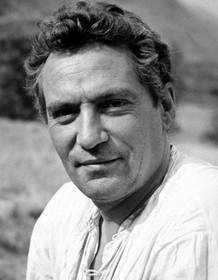
Johnnie Byrne (Peter Finch)
Played by Peter Finch
A cynical and burnt-out Yorkshire Labour MP whose career has stalled due to left-leaning ideals. Re-elected with Labour's victory, he navigates backroom plotting as he seeks influence, while balancing personal romance and public duty. His willingness to work with conspirators marks him as both ambitious and morally complex.
- 🎭 Drama
- 🗳️ Politics
- 💼 Ambition
-

Mary (Billie Whitelaw)
Played by Billie Whitelaw
Johnnie's left-wing wife, bitter about not being invited into government and ultimately leaving him. She embodies ideological passion and personal sacrifice, highlighting the strain political life can place on family and marriage.
- 💔 Relationships
- 🏛️ Politics
- 🧭 Personal life
- PW
Pauline West (Mary Peach)
Played by Mary Peach
A 20-year-old student/model who captivates Johnnie and represents a dangerous distraction from his political obligations. Her presence exposes the tension between private desire and public duty, influencing his decisions and priorities.
- 💖 Romance
- 🧭 Personal life
- 🎓 Youth
-

The Prime Minister – Reginald Stevens (Geoffrey Keen)
Played by Geoffrey Keen
The central figure of the centrist government who offers Johnnie a junior post and reveals political calculations behind past decisions. He embodies pragmatic leadership and the complexity of maintaining power within a divided party.
- 🏛️ Leadership
- 🗳️ Politics
- 🧭 Power
-
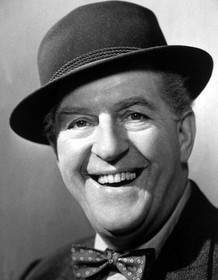
Fred Andrews (Stanley Holloway)
Played by Stanley Holloway
A conspirator among MPs who initially aligns with Johnnie but becomes embroiled in the shifting loyalties of political maneuvering. His role underscores the fragile nature of alliance in backroom scheming.
- 🎭 Drama
- 🗳️ Politics
- 🧭 Loyalty
- DW
Dr. West (Michael Goodliffe)
Played by Michael Goodliffe
A trusted adviser figure within the political environment, offering counsel in times of strategic decision-making and personal doubt. His presence hints at the more routine, stabilizing aspects of political life.
- 🏥 Care
- 🗳️ Politics
- 🧭 Guidance
Where and When Is No Love for Johnnie Set?
No Love for Johnnie is set in Westminster, London, Labour Party offices and Johnnie's Yorkshire home (1961). Here is why the time and place matter to the story.
When
1961
Set in the early 1960s Britain, the narrative follows a general election aftermath and the rise of a left-leaning MP within a fragile centrist government. The era is defined by backroom plotting, party meetings, and the tension between public duties and private desires. Public life and political strategy collide in a milieu shaped by post-war political realignments.
Where
Westminster, London; Labour Party offices; Johnnie's Yorkshire home
The action unfolds across the power centers of the United Kingdom, mainly in Westminster's parliamentary corridors and Labour Party offices. It also tracks the more intimate setting of a Yorkshire home, illustrating how political life penetrates private spaces. The setting captures a crucial moment in UK politics where party machinations and ideological clashes shape careers.
- 🎭 Politics
- 🏛️ Parliament
- 🗳️ Elections
What Are the Themes of No Love for Johnnie?
3 ideas the story keeps returning to, among them Power & Ambition, Love vs Duty and Media & Reputation.
-
01
Power & Ambition
Johnnie Byrne's re-election triggers a ruthless scramble for influence within the Labour Party. His conspirators push him toward confrontation with the centrist government. The tension between ideological idealism and political survival plays out in backroom plots and public performances. The film uses Westminster intrigue to explore how ambition can redefine a career.
-
02
Love vs Duty
Johnnie's pursuit of Pauline blurs the line between romance and political calculation. Pauline's presence distracts him from crucial speechmaking and threatens his public obligations. Mary, his wife, embodies loyalty and ideological tension, complicating personal decisions. The romance ultimately collides with party duties and political consequences.
-
03
Media & Reputation
Public scrutiny and party politics frame every choice Johnnie makes. The media's role is implied through party meetings and the political pressures that threaten his career, including moves to deselect him. The Prime Minister's maneuvering shows how information and perception can determine who gains power. The film portrays the press as an arena where political gain and personal scandal intersect.
What Kind of Film Is No Love for Johnnie?
Bittersweet in tone, with steady pacing and a moderate story, going by the plot summary.
- Tone
- Bittersweet
- Pacing
- Steady
- Story
- Moderate
- Intensity
- Medium
- Ending
- Bittersweet
A steady-paced, melancholic British drama about a disillusioned MP navigating political failure and personal loneliness, ultimately making a bittersweet choice between ambition and connection.
- cynical
- melancholic
- personal crisis
- isolated
- disillusioned
- yearning
- political ambition
- failed marriage
- midlife crisis
- ill-fated romance
Quiz
How well do you remember No Love for Johnnie? Test yourself on the story.
