
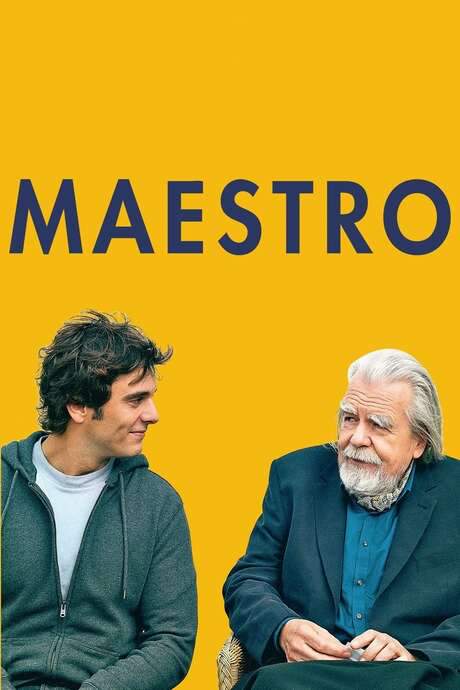
What Is Maestro About?
The premise of Maestro in 237 words, with nothing given away. The full story follows below.
In a world where the line between performance and reality blurs, a modestly successful young actor finds his routine suddenly shifted by an unexpected invitation. Henry steps onto the set of an ambitious new film, drawn not only by the promise of a challenging role but also by the magnetic presence of its visionary helmsman. The director, Cédric Rovere, is celebrated for his uncompromising artistry and a generosity that seems to seep into every rehearsal, casting a subtle yet irresistible spell over those who work with him.
The film’s environment breathes a quiet intensity, a place where long shadows of past triumphs mingle with the clatter of fresh ideas. Within this charged atmosphere, Henry discovers a well of emotions he hadn’t anticipated, each scene prompting him to confront both his own aspirations and the fleeting nature of connection. Meanwhile, Rovere—ever the seeker of inspiration—finds his creative well refreshed by the raw ambition and youthful dream that Henry carries, hinting at a mutual rebirth that transcends the usual director‑actor dynamic.
As the two navigate the delicate choreography of collaboration, the story unfolds with a tone that balances reverence for the craft with the unexpected tenderness that can arise when two creative spirits intersect. The pairing promises a journey rich in introspection and artistic discovery, inviting the audience to ponder how generosity and ambition can reshape not just a film, but the very people who bring it to life.
What Happens in Maestro?
The complete story of Maestro, from the first scene to the last, in 445 words (about 2 minutes). Spoilers throughout.
Spoilers ahead
The film follows a bold revival of an orchestra that was once dismantled by financial strain, only to be reassembled under the watch of a mysterious benefactor whose approach to leadership unsettles many of the musicians. The project is adapted from the popular manga of the same name, grounding the drama in a world where ambition, art, and money collide.
At the heart of the story is a young violinist named Kosaka, who is offered a coveted seat in the newly re-formed, prestigious ensemble. His first glimpse of the new reality is jarring: the rehearsal space is no grand concert hall but a disused factory, and the performances of the members are uneven and unpredictable, as many of the best players have already moved on to other opportunities. The atmosphere is charged with tension, a raw energy born from a group trying to redefine itself under tight financial constraints.
Into this fraught environment enters the conductor Tendo Tetsusaburo, a figure whose presence immediately reframes the dynamics. The movie delves deeply into the relationships between the individual players, revealing frictions that stem from clashing work ethics, competing egos, and the unspoken pressures that come with a high-stakes pursuit of musical excellence. These personal tensions play out against the larger backdrop of an orchestra fighting to survive, where every rehearsal is a test of character as much as of technique.
Drama intensifies when an amateur, yet exceptionally gifted flute player named Amane Tachibana arrives, bringing with her a spark that unsettles some of the established personalities. Her arrival exposes new fault lines and forces the group to reevaluate its standards, connections, and the very definition of what it means to be a professional in a world where funding is uncertain and success remains elusive.
Throughout the story, the ongoing financial problems loom large, shaping decisions and forcing the conductor to push the ensemble as hard as possible. Even as his methods appear unconventional and at times abrasive, there’s a stubborn momentum behind his efforts: a belief that persistence and audacious leadership can coax coherence and achievement from chaos. As the orchestra endures these challenges, the film gently captures the gradual, hard-won progress that emerges from relentless rehearsal, stubborn camaraderie, and a shared conviction that art can somehow prevail even when the odds are steep.
With its blend of character study, behind-the-scenes tension, and a passion for music, the movie offers a measured, contemplative look at what it takes to rebuild a group that once seemed beyond repair. The narrative keeps faith with its manga roots while presenting a cinematic portrait of resilience, ambition, and the imperfect beauty that can arise when a team dares to start again.
Maestro Timeline: Every Key Event in Order
12 key events in the order they happen, from “Orchestra Disbanded Over Money” to “Promise of a Re-Born Orchestra”. 6 events name a place, across 5 locations.
- 1
Orchestra Disbanded Over Money
The orchestra is disbanded due to financial troubles, marking a shutdown of an ensemble once seen as prestigious. A mysterious benefactor intervenes to reform the group, though the exact terms of control remain murky. The setup frames a tension between money, power, and artistic ambition.
When:opening
- 2
Benefactor Reforms the Ensemble
The reformed ensemble comes under the benefactor's guidance, whose management style immediately unsettles many players. His approach to selection and discipline clashes with the musicians' expectations of tradition. The friction foreshadows the conflicts to come.
When:early
- 3
Kosaka Receives an Offer
Kosaka, a young violinist, is offered a position in the refreshed orchestra, signaling a new start for him. He arrives curious about how the new regime will function and whether the prestige will translate into music. The reality of the environment tests his optimism.
When:early
- 4
Disused Factory Rehearsal Space
Rehearsals take place in a disused factory, underscoring the gap between the orchestra's status and its surroundings. The performances feel erratic as many of the best players have left for other opportunities. The setting mirrors the instability of the ensemble.
When:mid Where:Disused factory
- 5
Conductor Tendo Tetsusaburo Arrives
Conductor Tendo Tetsusaburo arrives, bringing a forceful, unconventional presence. His leadership style clashes with tradition and provokes resistance from some musicians. Yet his insistence on discipline sets the stage for potential progress.
When:early-mid Where:Disused factory / rehearsal space
- 6
Rifts Among Players Surface
Tensions among players rise as work ethics and egos collide. Disagreements over interpretation, tempo, and authority threaten to derail rehearsals. The group edges toward a break, even as progress remains possible.
When:mid Where:Rehearsal hall
- 7
Amane Tachibana Joins the Balcony of Drama
Amane Tachibana, a gifted amateur flute player, joins the ensemble and instantly rattles the established dynamics. Her presence triggers jealousy and prompts debates about merit and experience. She challenges the established balance, forcing others to reevaluate their roles.
When:early-mid Where:Rehearsal room
- 8
Financial Troubles Persist
Financial problems persist, casting a shadow over decisions about recruitment and programming. The enigmatic benefactor's influence grows as the need for funds becomes more urgent. The orchestra's future remains tied to the ongoing scramble for money.
When:mid-late
- 9
Abnormal Methods Yield Results
The conductor's unconventional methods push the musicians to their limits, but begin to yield tangible results. The ensemble starts to show improved cohesion and sharper collective sound. Reactions are mixed among players, as some cling to old habits while others buy in.
When:mid Where:Disused factory
- 10
Early Signs of Cohesion
A sense of unity begins to emerge during rehearsals, with musicians anticipating each other's moves. Performances grow more cohesive and confident than before. The group travels from chaos toward something resembling a true orchestra.
When:late Where:Rehearsal space
- 11
Character Dynamics Deepen
Character dynamics deepen as personal ambitions intersect with professional duties. Kosaka's interactions with colleagues reveal the social undercurrents of a high-pressure ensemble, while Amane's presence provokes alliances and rivalries. These relationships shape how the orchestra evolves.
When:mid-late
- 12
Promise of a Re-Born Orchestra
With progress visible, the orchestra begins to regain credibility and prestige despite ongoing tensions. The conductor's methods are controversial but effective enough to sustain the group. The film closes on a note of potential and continued growth.
When:final
Who Are the Main Characters in Maestro?
3 characters, among them Kosaka, Tendo Tetsusaburo and Amane Tachibana: who each one is and the part they play in the story.
- K
Kosaka
A young violinist invited to join the re-formed orchestra. He is eager to prove himself in a setting where the rehearsal space is a disused factory and the players’ dynamics are unsettled. He must navigate shifting alliances and the pressure to excel, embodying the new generation’s hope and resilience.
- 🎻 Violinist
- 🎯 Ambitious
- TT
Tendo Tetsusaburo
The conductor whose unorthodox, demanding methods push the ensemble to perform under chaotic conditions. His leadership sparks tension among players but also yields measurable results, highlighting the tension between control and artistic risk.
- 🎼 Conductor
- 🌀 Enigmatic
- AT
Amane Tachibana
An amateur yet gifted flute player whose arrival heightens the group’s tensions and challenges the existing hierarchy. Her talent forces the orchestra to re-evaluate its values and adapt to new dynamics, testing how far talent alone can carry the group.
- 🎶 Flutist
- ✨ Gifted
Where and When Is Maestro Set?
Maestro is set in Disused factory rehearsal hall. Here is why the place matters to the story.
Where
Disused factory rehearsal hall
The orchestra rehearses in a disused factory repurposed as an unconventional rehearsal hall, highlighting a stark, industrial atmosphere. The space mirrors the tension between art and the commercial demands placed on the ensemble, with echoes of performances bouncing off bare walls. Its rough charm contrasts with the discipline and precision the players strive for. The setting underscores how money, leadership, and ambition shape where and how music happens.
- 🏭 Industrial
- 🎭 Rehearsal space
- 🎼 Music setting
What Are the Themes of Maestro?
3 ideas the story keeps returning to, among them Ambition, Tensions and Music Money.
-
01
Ambition
The re-formation of the orchestra is driven by a mysterious benefactor, whose demanding management strains relationships among players. Ambition clashes with funding realities and the pursuit of prestige. Players navigate personal egos and high-stakes expectations while chasing performance-level excellence. The tension reveals how money and status can shape creative choices, sometimes at the expense of artistry.
-
02
Tensions
Within the chaotic rehearsal space, rivalries surface as veteran players clash with newcomers and with the conductor's unorthodox methods. Amane Tachibana's arrival challenges the established hierarchy and provokes insecurity and envy. Kosaka must prove himself amid fragile alliances and shifting loyalties. The dynamics test whether the ensemble can unite under pressure.
-
03
Music Money
Artistic skill and ensemble cohesion hinge on financial constraints and organizational demands. The group must balance discipline, vision, and opportunity as repertoire, schedules, and personnel decisions hinge on funding. The interplay between artistry and commerce drives tough choices that affect everyone on stage.
What Kind of Film Is Maestro?
Hopeful in tone, with steady pacing and a straightforward story, going by the plot summary.
- Tone
- Hopeful
- Pacing
- Steady
- Story
- Straightforward
- Intensity
- Medium
- Ending
- Happy
A steady-paced and hopeful film observing a chaotic orchestra coming together, balancing artistic friction with the uplifting pursuit of musical excellence against financial odds.
- artistic
- uplifting
- determined
- frustrated
- hopeful
- orchestra life
- musical ambition
- found family
- creative process
- artistic friction
Quiz
How well do you remember Maestro? Test yourself on the story.
