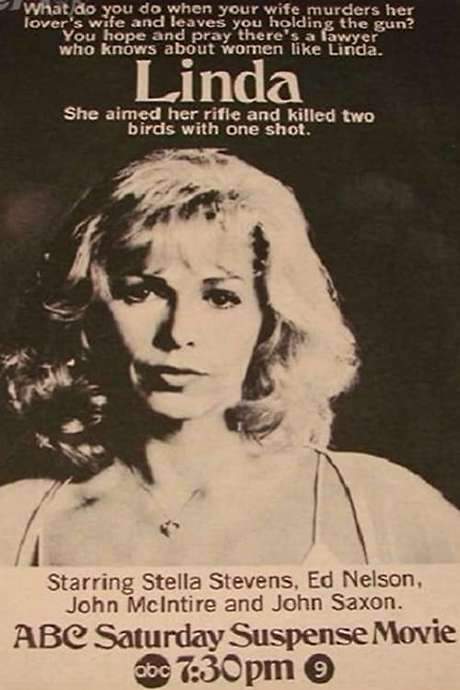
Linda 1973

Directed by
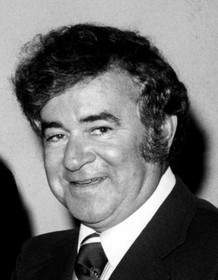
Jack Smight
Made by

Universal Television
Linda Plot Summary
Read the complete plot summary and ending explained for Linda (1973). From turning points to emotional moments, uncover what really happened and why it matters.
Paul Reston is considering leaving his wife Linda Reston when she suddenly shoots Anne Braden. [Anne Braden]‘s husband Jeff Braden rushes to her aid, and Linda appears to shoot him in the back, but when Paul brings the police to the scene Jeff is alive and accuses Paul of murdering Anne. The lovers Jeff and Linda try to pin the crime on Paul, describing him as insane in their statements to the police. Certain that Linda and Jeff have been plotting against him, Marshall Journeyman is hired to defend him. Journeyman approaches the case with skepticism, yet he digs into Jeff and Linda’s stories, uncovering contradictions and motives that hint at a more tangled plot behind the alleged crime.
One night Paul escapes using a risky ruse: he inserts a wire into a light socket, trips the fuse, and the cell door unlocks. He slips out of his confinement, moves unseen through the shadows, and hides beneath a cliff overhang to overhear Jeff and Linda discussing the crime. The escape becomes a turning point, as Journeyman uses the opportunity to test the couple’s stories and gather evidence that could sway the entire case. The investigation tightens around the two lovers, whose cover stories begin to falter under careful scrutiny.
Back in town, Journeyman convinces the police chief to stage a dramatic crosscheck: Jeff and Linda are brought in, and a tape is played that purportedly records their conversation, created with voice actors to expose their deception. Linda dismisses the whole ruse as a farce, while Jeff grows increasingly frightened at how close the truth seems to surface. The plan escalates when Journeyman opens a doorway so that Linda can hear Jeff confessing, a moment that triggers Linda to call him spineless in front of the authorities and onlookers alike.
Later, Paul visits Linda in jail, and their uneasy dynamic is laid bare. She tells him not to pity her because she’s certain she’ll be out of this place in a flash. The exchange leaves a chilling impression of two lovers caught in a web of manipulation, guilt, and danger, where every word is a potential weapon and every ally could be a suspect. > going to be out of this place in a flash.
Linda Timeline
Follow the complete movie timeline of Linda (1973) with every major event in chronological order. Great for understanding complex plots and story progression.
Paul contemplates leaving Linda
Paul Reston is weighing leaving his wife Linda, creating tension in their marriage. Linda suddenly shoots Anne Braden, triggering a chain of violent events. The moment is chaotic, foreshadowing the legal fight to come.
Anne and Jeff are shot; police arrive
Anne Braden is shot; Jeff Braden rushes to help her, and Linda appears to shoot him in the back. Paul then arrives with the police to the scene. Jeff is alive and publicly accuses Paul of murder.
Lovers attempt to frame Paul
Jeff and Linda attempt to pin the crime on Paul by describing him as insane in their statements to the police. Their plan is to manipulate investigators and shift the guilt away from themselves.
Paul hires Marshall Journeyman
Certain that Linda and Jeff have plotted against him, Paul hires Marshall Journeyman to defend him. Journeyman is skeptical at first but agrees to take the case after evaluating the stakes.
Journeyman begins investigation
Journeyman begins investigating Jeff and Linda, probing their alibis and possible motives. He starts gathering evidence to mount a defense for Paul.
Paul escapes from prison
One night Paul inserts a wire into a light socket, trips the fuse, and the prison cell door unlocks. He escapes and makes his way toward Jeff and Linda, determined to observe them firsthand.
Paul overhears their conversation
Paul hides below a cliff overhang and overhears Jeff and Linda discussing the crime. The overheard conversation confirms they were coordinating to frame Paul.
Tape-based confession ploy
Journeyman convinces the police chief to call in Jeff and Linda, then presents a tape created with voice actors to simulate their conversation. The aim is to trap them into confessing without tipping off the real culprits.
Tape confrontation stirs Jeff and Linda
Linda dismisses the taped confrontation as a farce, but Jeff grows frightened and asserts that Linda was behind the plan. The episode exposes the fragility of their alibi.
Door opened; Linda hears Jeff confess
Journeyman opens the door so Linda can hear Jeff confessing; the moment tests Linda's resolve. She bursts in and calls him spineless, heightening the courtroom tension.
Linda's jail visit with Paul
Paul visits Linda in jail; she tells him not to pity her because she's going to be out of this place in a flash. The exchange leaves Paul with a sense of unresolved danger and justice.
Linda Characters
Explore all characters from Linda (1973). Get detailed profiles with their roles, arcs, and key relationships explained.
Paul Reston (Ed Nelson)
A husband who suspects his wife’s involvement in murder and fights to prove his innocence. He hires Marshall Journeyman and navigates a web of manipulation to uncover the truth. His persistence and strategic thinking propel the investigation forward, even when he faces imprisonment and danger.
Linda Reston (Stella Stevens)
A wife entangled with Jeff Braden, who conspires to ruin Paul through a calculated murder plot. Her boldness and willingness to manipulate others drive the central deception. She ultimately faces consequences for her actions as the truth surfaces.
Jeff Braden (John Saxon)
Linda’s lover and partner in the scheme to frame Paul. He shows fear when confronted and tries to shift blame, illustrating the fragility of their confidence in their plan. His involvement is exposed through Journeyman’s ruse.
Marshall Journeyman (John McIntire)
The defense attorney hired by Paul who starts skeptical but relentlessly investigates. He orchestrates the evidentiary ruse that forces Linda and Jeff to reveal their plot. His calculated approach becomes the turning point in uncovering the truth.
Anne Braden (Mary-Robin Redd)
The murder victim whose shooting triggers the central conflict. Her death sets the investigation in motion and shapes the characters’ responses as the plot unfolds. She remains a catalyst whose memory motivates the pursuit of justice.
Linda Settings
Learn where and when Linda (1973) takes place. Explore the film’s settings, era, and how they shape the narrative.
Location
Prison, Cliffside Overlook, Small Town
The action centers on a prison environment and the surrounding town. A tense cliffside overlook serves as a pivotal location where overheard plots unfold. The story unfolds within police, jail, and community settings, creating a mood of confinement and close-quarters suspicion. The town backdrop amplifies how personal betrayal can ripple through a small community.
Linda Themes
Discover the main themes in Linda (1973). Analyze the deeper meanings, emotional layers, and social commentary behind the film.
💔
Betrayal
Linda and Jeff collaborate to frame Paul for murder, illustrating how intimate relationships can become instruments of deceit. The plot hinges on their ability to manipulate trust and law alike for personal gain. The narrative uses betrayal to drive the tension and test the characters’ loyalties.
🔎
Investigation
Marshall Journeyman probes the case with healthy skepticism and methodical persistence. He crafts a clever ruse that uses a recorded confession to reveal the conspiracy, showing how perception and evidence can be manipulated. The investigation exposes the truth behind the surface appearances.
⛓️
Confinement
Paul's imprisonment and his escape sequence frame the story around physical and psychological confinement. The claustrophobic settings intensify the stakes as the characters' motives are tested. The prison doors metaphorically separate truth from lies until the climactic reveal.
🎭
Truth vs Appearance
The film toys with staged guilt and manipulated testimonies to blur what is real. The apparent confessions and plotted actions mask deeper motives, challenging characters to discern truth amid deception. The resolution hinges on uncovering the authentic intent behind each action.

Coming soon on iOS and Android
The Plot Explained Mobile App
From blockbusters to hidden gems — dive into movie stories anytime, anywhere. Save your favorites, discover plots faster, and never miss a twist again.
Sign up to be the first to know when we launch. Your email stays private — always.
Explore the mobile appLinda Spoiler-Free Summary
Discover the spoiler-free summary of Linda (1973). Get a concise overview without any spoilers.
In a small, tightly knit community where personal relationships spill over into the public sphere, a sudden, violent incident shatters the fragile equilibrium. Paul Reston, a man on the brink of abandoning his marriage, finds his world upended when his wife becomes the center of a bewildering accusation. The townsfolk, law enforcement, and the local courtroom all pulse with an uneasy tension, as whispered rumors blend with formal investigations, creating a claustrophobic atmosphere that feels both intimate and relentless.
_ Linda Reston_, Paul’s wife, projects a cool confidence that masks deeper calculations, while Jeff Braden, a grieving husband, and his late partner Anne Braden loom large in the background, their connections weaving a complex web of desire, loyalty, and suspicion. Each character moves through the same rooms—hospital halls, police stations, and a stark jail—yet their motives remain obscured, hinting at a game of perception where truth is as pliable as the statements they hand over to authorities.
Enter Marshall Journeyman, a seasoned, skeptical defense attorney whose reputation for cutting through deceit precedes him. He steps into the fray not merely to defend a client but to untangle a set of contradictory narratives that swirl around the central incident. His methodical probing and keen eye for inconsistency lend the story a procedural edge, balancing the raw emotion of the personal drama with a methodical, almost forensic, examination of evidence and alibis.
The film’s tone hovers between brooding noir and sharp legal thriller, using shadows and stark lighting to underscore the characters’ internal conflicts. Every conversation feels like a duel, each glance a possible clue, and the ever-present sense that any one of the protagonists could be both victim and manipulator invites the audience to linger in the gray zones of doubt. The stage is set for a tense cat‑and‑mouse dance, where loyalty, ambition, and survival intersect in a tightly wound narrative that refuses to reveal its true shape until the very end.
Featured on this page

What's After the Movie?
Not sure whether to stay after the credits? Find out!
Check out our other apps:

SAT Sphere
Build confidence for the Digital SAT.

Mori Atlas
Discover wild places worth protecting.

Luntero
Search smarter for a home in Amsterdam.

Plot Explained
Unravel movie endings and hidden clues.

Pokechamp
Dive into Pokémon data and battle logic.

Driving Theory
Get ready for your European theory test.

Movie Dust
Plan your next cinema trip with ease.

Musemap
Find art and culture as you travel.

Selkobase
Compare credentials before committing.

Local Manual
Turn an unfamiliar country into practical next steps.

Lernavi
Compare school systems before your next move.

GymRoam
Find a workout stop wherever your plans take you.
Explore Our Movie Platform
New Movie Releases (2026)
Famous Movie Actors
Top Film Production Studios
Movie Plot Summaries & Endings
Major Movie Awards & Winners
Best Concert Films & Music Documentaries
Movie Collections and Curated Lists
© 2026 What's After the Movie. All rights reserved.
Privacy Policy