

What Is Joan Didion: The Center Will Not Hold About?
The premise of Joan Didion: The Center Will Not Hold in 348 words, with nothing given away. The full story follows below.
Joan Didion did not begin her life believing that writing mattered. As she recalls in this intimate documentary, she once viewed it as anything but important work — a confession that makes her journey from a restless young Californian to one of the most distinctive voices in American literature all the more captivating. Directed by her nephew, actor Griffin Dunne, the film weaves together Didion’s own narration with photographs, archival footage, and candid personal reflection to create a portrait of a woman whose quiet intensity reshaped how America saw itself.
The film traces Didion’s evolution as a writer, from her early days at Vogue — where an unusually personal essay on self-respect announced a new sensibility — to her emergence as a chronicler of the American experience in all its beauty and disarray. Her pieces on the counterculture brought the distant rhythms of the West Coast to readers across the country, while her later work ventured into the political storms of Central America and the corridors of Washington. Throughout, her prose carries that signature blend of cool observation and emotional undertow, capturing moments in history with startling clarity.
Beyond the public career, the documentary offers glimpses into Didion’s private world — her long partnership with writer John Gregory Dunne, the unexpected joy of adopting their daughter Quintana, and the California landscapes that shaped her imagination. These personal threads give the film its emotional texture, hinting at a life marked by deep attachments and the quiet search for meaning in everyday rituals. There is a sense of memoir here as much as biography, with Dunne’s loving but probing presence inviting his aunt to revisit memories she might otherwise have kept sealed.
Above all, the film lingers on mood and interior life, inviting viewers into the mind of a writer who has always understood that style is a form of honesty. With its gentle pacing and reverence for language, Joan Didion: The Center Will Not Hold is less a chronological account than an atmosphere — one of elegance, melancholy, and the enduring pull of a voice that defined an era.
What Happens in Joan Didion: The Center Will Not Hold?
The complete story of Joan Didion: The Center Will Not Hold, from the first scene to the last, in 339 words (about 1 minute). Spoilers throughout. Names in the text link to 5 cast member pages.
Spoilers ahead
The documentary follows the life of Joan Didion, who reflects on her journey from a childhood in Sacramento to becoming a renowned writer. After winning a contest, she began working at Vogue, where her personal approach to writing was considered unusual. Despite the initial failure of her first novel, Run, River, she continued to hone her craft, often using her writing to process personal struggles and family history, including her father’s depression.
Didion eventually married fellow writer John Gregory Dunne. Together, they navigated a life between New York and California. A pivotal moment in their lives occurred when they adopted a baby girl, Quintana Roo Dunne, whom they baptized in their kitchen sink. Throughout her career, Didion captured the zeitgeist of the era, writing about the hippiedom of the West Coast and interviewing Linda Kasabian regarding the Cielo Drive murders.
Her work often mirrored her internal conflicts; she wrote the novel Play It as It Lays during a period of marital instability and used A Book of Common Prayer to cope with the fear of her daughter growing up. Later, she transitioned into political journalism, examining brutality in El Salvador and the administration of Dick Cheney.
The later years of her life were marked by profound tragedy. In December 2003, John Gregory Dunne passed away suddenly. Shortly after, Quintana Roo Dunne suffered a severe brain injury following a fall at an airport and remained in a coma for two years before passing away in 2005. Didion describes this double loss as dislocating to both her mind and body, a grief she explored in her book The Year of Magical Thinking.
In her final chapters, Didion worked with her nephew, Griffin Dunne, to prepare for a play about her life, which helped her recover her health. She wrote Blue Nights to confront the death of her daughter and the guilt she felt over not fully understanding Quintana Roo Dunne’s troubled side. For her lifelong exploration of sorrow and the human condition, Didion was eventually awarded a National Medal of Arts.
Joan Didion: The Center Will Not Hold Timeline: Every Key Event in Order
15 key events in the order they happen, from “A Journal at Age Five” to “Blue Nights and the Medal of Arts”. 10 events name a place, across 5 locations.
- 1
A Journal at Age Five
Joan Didion's mother gave her a journal when she was five years old, telling her to write down her thoughts instead of whining about them. This early gift sparked a lifelong dedication to writing. Born in California, Didion spent many years living in Sacramento, and she later recalled that her father suffered from severe depression throughout her childhood, though she did not recognize it at the time.
When:Age five Where:Sacramento, California
- 2
Winning the Vogue Contest
Didion won a writing contest held by Vogue magazine, launching her professional writing career. Her first piece for the magazine was about self-respect, and its deeply personal nature was unusual for the publication at the time.
Where:New York City
- 3
Publishing Run, River
Didion published her first novel, Run, River, marking her debut as a fiction writer. Despite the significance of the milestone, the book sold only 11 copies, a humbling start to her career as a novelist.
- 4
Marriage to John Gregory Dunne
Didion married John Gregory Dunne, who was also a writer. The couple lived in New York until Didion was 28 years old, when she realized she was no longer happy in the city. They then moved to California, initially planning to stay for six months.
Where:New York City
- 5
Life in Portuguese Bend
Didion and Dunne bought a house in Portuguese Bend, where they stayed for a year. During this time, Dunne conducted research for a book he was writing about the California grape strike.
Where:Portuguese Bend, California
- 6
Adopting Quintana
One day, Dunne received a phone call that there was a baby girl at the hospital who needed a home. Didion and Dunne took her in, named her Quintana, and performed a baptism for her at their kitchen sink. After adopting Quintana, the couple moved out of the beach house.
Where:Portuguese Bend, California
- 7
The Counterculture and Cielo Drive Murders
Didion liked to write pieces on rock and roll subjects and began writing about hippiedom, a growing trend at the time. Many of her pieces were published in New York, where readers could catch a glimpse of the unfamiliar West Coast lifestyle. In August 1969, word of the murders on Cielo Drive shook the community, and Didion interviewed Linda Kasabian as she testified about the murders.
When:August 1969 Where:Los Angeles, California
- 8
Play It as It Lays and Malibu
In the mid-1960s, Didion and Dunne began to have marital problems, at one point writing about being on the brink of divorce. Didion channeled this turmoil into the novel Play It as It Lays, whose protagonist Maria was loosely based on herself. The couple moved back to the beach, this time to Malibu overlooking the ocean, and living near the water was helpful for Didion. She wrote A Book of Common Prayer in anticipation of Quintana growing up and leaving her, using novels to deal with her own fears.
When:Mid-1960s Where:Malibu, California
- 9
Turning to Political Writing
Didion began transitioning her writing toward politics, a shift supported by Bob Silvers, the editor-in-chief of the New York Review of Books. She wanted to investigate the brutality in El Salvador, and also wrote about the Central Park jogger case and the Bush-Cheney administration.
- 10
Quintana's Honest Words
Dunne's work brought him and Didion back to New York City. One day, Quintana told Didion that she had been remote as a mother. The admission made Didion realize how little parents truly understand their children.
Where:New York City
Show the other 5 events of Joan Didion: The Center Will Not Hold Hide the last 5 events
- 11
Quintana's Wedding and Sudden Illness
In July 2003, Quintana got married. That December, she was too sick to attend Christmas Eve dinner, and her condition worsened until she was admitted to the ICU.
When:2003
- 12
The Death of John Gregory Dunne
While Quintana was still recovering in the hospital, Didion suffered another devastating loss. One day, as Didion was preparing supper at home, Dunne slumped in his chair and died.
Where:New York City
- 13
Losing Quintana
Didion sent Quintana on a short trip to Malibu, but she fell and suffered brain injuries at the airport. Quintana went into a coma and struggled to recover for two years, until she died in August 2005.
When:August 2005 Where:Malibu, California
- 14
The Year of Magical Thinking
Didion described the grief of losing her husband and daughter as dislocating to both her mind and body. In her memoir The Year of Magical Thinking, she wrote about the feelings of emptiness and void that came with losing Dunne. She admitted she was scared to move on and let go, fearing that her memories of Dunne and Quintana would become increasingly remote as time passed.
- 15
Blue Nights and the Medal of Arts
Didion's nephew, Griffin Dunne, wanted to write a play about her life and helped her regain her health when she weighed only about 75 pounds. She wrote Blue Nights about Quintana as a way to confront her death, realizing she had focused on her daughter's amusing side while not fully seeing her troubled side. She also felt guilty about not properly taking care of Quintana after the adoption. During the Obama presidency, Didion was awarded a National Medal of Arts for exploring the depths of sorrow.
Who Are the Main Characters in Joan Didion: The Center Will Not Hold?
4 characters, among them Joan Didion, John Gregory Dunne and Quintana Roo Dunne: who each one is and the part they play in the story. Every profile links to the actor’s page.
- JD
Joan Didion
Played by Joan Didion
Joan Didion is a complex and introspective character who reflects on her life experiences through her writing. As a renowned author, she grapples with themes of identity, loss, and societal changes that shape her worldview. Her vulnerability is contrasted with her resilience, as she uses her literary gifts to process grief and articulate her thoughts.
- ✍️ Writer
- 🌍 Observer
- JG
John Gregory Dunne
Played by John Gregory Dunne
John Gregory Dunne is portrayed as Didion's supportive yet complex partner, who influences her writing and life choices. His struggles and eventual death have a profound impact on Didion, forcing her to confront her own vulnerabilities as both a writer and a mother. Their relationship adds depth to her narrative of love, loss, and creative inspiration.
- ❤️ Husband
- 📖 Writer
- QR
Quintana Roo Dunne
Played by Quintana Roo Dunne
Quintana Roo Dunne, Joan Didion's adopted daughter, embodies the theme of motherhood and loss. Her struggles with illness and identity deeply affect Didion, prompting reflections on their relationship. Quintana's life and tragic death serve as a catalyst for Didion's exploration of grief in her later works.
- 👶 Daughter
- 💔 Loss
-
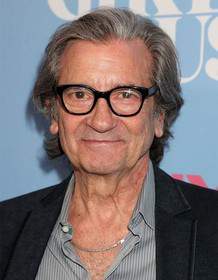
Griffin Dunne
Played by Griffin Dunne
Griffin Dunne is portrayed as Joan Didion's supportive nephew, who plays a crucial role in helping her regain her health while preparing for a play about her life. His involvement showcases the importance of family and connection in the face of adversity, highlighting the oral and familial history of Didion's narrative.
- 👦 Nephew
- 🎭 Playwright
Where and When Is Joan Didion: The Center Will Not Hold Set?
Joan Didion: The Center Will Not Hold is set in San Francisco, Sacramento, New York, Portuguese Bend and Malibu (1960s-2000s). Here is why the time and place matter to the story.
When
1960s-2000s
The narrative unfolds from the 1960s through the early 2000s, a period marked by significant cultural shifts in America, including the rise of hippie culture and political turbulence. Didion's journey reflects the personal and societal transformations of this era, including her struggles with marriage, motherhood, and loss. This time is also characterized by Didion's evolving writing style and focus on more profound themes.
Where
San Francisco, Sacramento, New York, Portuguese Bend, Malibu
The movie explores various locations significant to Joan Didion's life, including San Francisco where she sought employment, and Sacramento, her birthplace. It also highlights New York, where she lived with her husband, and the coastal beauty of Malibu, where she experienced personal growth and writing inspiration. Portuguese Bend serves as a symbolic temporary home during a transformative period in Didion's life.
- 🏙️ City
- 🌊 Beach
- 🏞️ Nature
What Are the Themes of Joan Didion: The Center Will Not Hold?
3 ideas the story keeps returning to, among them Writing & Identity, Grief & Loss and Change & Transition.
-
01
Writing & Identity
The central theme revolves around the exploration of writing as a means of self-discovery and coping with personal crises. Didion uses her literary voice to articulate her experiences, shaping her identity as a writer. The act of writing becomes both a sanctuary and a confrontation with her inner turmoil and societal observations.
-
02
Grief & Loss
The profound grief Didion experiences following the deaths of her husband and daughter is a key theme. This emotional turmoil leads her to reflect on her relationships and her role as a mother. Through her writing, Didion confronts her sorrow, capturing the complexities of mourning and the struggle to keep memories alive.
-
03
Change & Transition
Didion's life is marked by continuous change and transition, from moving cities to shifts in her personal and professional life. This theme underlines her adaptability and the struggle to find stability amid chaos. It highlights the challenges of managing change within herself and the external world.
What Kind of Film Is Joan Didion: The Center Will Not Hold?
Melancholic in tone, with slow pacing and a moderate story, going by the plot summary.
- Tone
- Melancholic
- Pacing
- Slow
- Story
- Moderate
- Intensity
- Medium
- Ending
- Bittersweet
A reflective, melancholic documentary that intimately follows writer Joan Didion through her literary career and personal tragedies, capturing quiet devastation and contemplative sorrow at a measured pace.
- reflective
- melancholic
- intimate
- nostalgic
- somber
- contemplative
- grief and loss
- writing and literature
- biography
- motherhood
Content notes: death of spouse, death of child, grief, parental guilt, terminal illness, depression.
Quiz
How well do you remember Joan Didion: The Center Will Not Hold? Test yourself on the story.
