What Is Jews and Baseball: An American Love Story About?
The premise of Jews and Baseball: An American Love Story in 322 words, with nothing given away. The full story follows below.
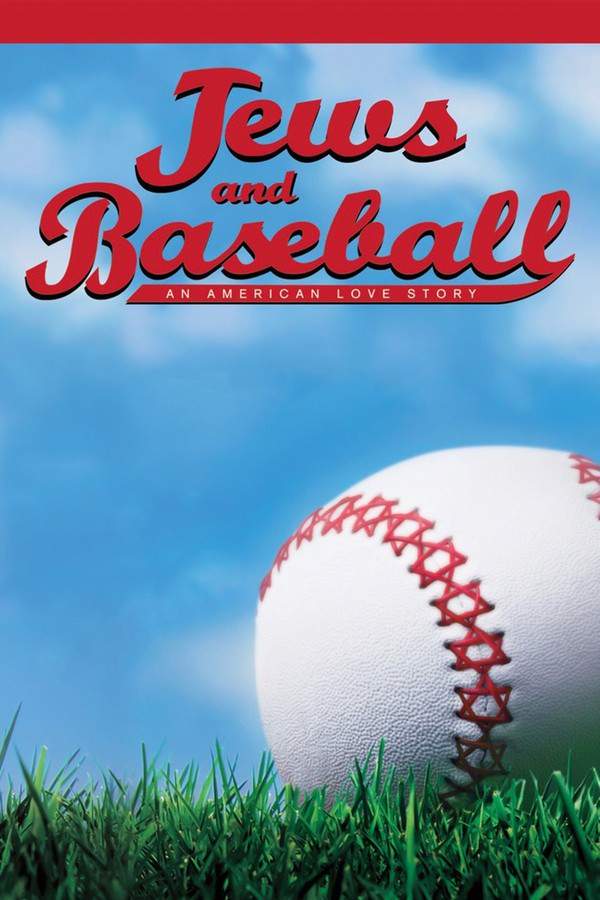
In a stadium of memory, the film turns baseball into a lens on belonging. Jews and Baseball: An American Love Story, narrated by Dustin Hoffman and written by Pulitzer Prize-winner Ira Berkow, traces the long, complicated bond between Jewish Americans and the national pastime. Directed by documentary filmmaker Peter Miller, it moves through archival footage, rare photographs, and candid interviews, with music ranging from Benny Goodman to Yo-Yo Ma to Rush lending the journey an expansive, elegiac pulse.
The tone settles early: a joke lifted from Airplane!, in which a flight attendant offers a thin leaflet titled “Famous Jewish Sports Legends,” establishes the film’s habit of using comedy as a doorway into heavier rooms. Inside lies the stereotype of Jews as cerebral but non-athletic, and the prejudice many players met head-on — including the era when some early ballplayers changed their names so their heritage would not be apparent, and when figures like Henry Ford aimed sneers at the game. The documentary treats this history as part of a wider story of immigration, assimilation, and the price of fitting in.
Its sprawling ensemble of players spans generations: Al Rosen, Moe Berg, Lipman Pike, Barney Pelty, Moe Solomon, Shawn Green, and later names such as Kevin Youkilis, Ian Kinsler, and Ryan Braun, alongside commentators and witnesses including Yogi Berra, Maury Allen, Larry King, and Ron Howard. Two figures anchor the film’s attention: Hank Greenberg, whose Hall of Fame career became a stage for both harassment and defiance, and Sandy Koufax, the legendary pitcher who agreed to a rare filmed interview about his career, his heritage, and the weight of expectation.
What emerges is an intimate portrait of identity under pressure — the tension between religious observance and public ambition, the stubborn insistence on being judged on ability alone. The stadium becomes a place where tradition is carried forward, old wounds are named, and a community measures its own place in the American story.
What Happens in Jews and Baseball: An American Love Story?
The complete story of Jews and Baseball: An American Love Story, from the first scene to the last, in 725 words (about 3 minutes). Spoilers throughout.
Spoilers ahead
The film was written by Pulitzer Prize-winner Ira Berkow, and is narrated by actor Dustin Hoffman. It was directed by Peter Miller, a documentary filmmaker known for his previous films, A Class Apart, Sacco and Vanzetti and The Internationale.
Dustin Hoffman does not normally narrate films, and initially turned down the project. However, when he looked at the script, he changed his mind, saying, “Oh, this is about bigotry and overcoming anti-Semitism, about discrimination and these issues that I grew up with, that really matters to me.”
The film opens with a clip from the 1980 satirical comedy film Airplane!, in which a flight attendant is asked by a passenger if she has anything light to read. She responds by offering an ultra-thin leaflet, saying, “How about this leaflet, Famous Jewish Sports Legends?”.
The stereotype of Jews as non-athletic, as well as anti-semitism, are two issues that many Jewish baseball players faced and had to overcome. Noted anti-semite Henry Ford wrote on May 22, 1920: “If fans wish to know the trouble with American baseball they have it in three words—too much Jew.” A number of early Jewish ballplayers changed their names, so that it would not be apparent that they were Jewish.
The movie discusses the key Jewish ballplayers in each decade since baseball started in the 1860s, and how that helped Jews assimilate and counteract the stereotype of Jews as cerebral but non-athletic. The film is partly about Jewish immigration and assimilation into American society; bigotry against Jews; the passing on of Jewish traditions, even during assimilation; heroism; and the breaking of Jewish stereotypes.
Director Miller said:
The documentary contains rare archival footage and photos, and music ranging from Benny Goodman to Yo-Yo Ma to Rush.
The documentary highlights Al Rosen (Rookie of the Year in 1950, and MVP in 1953), who is frank about how he dealt with anti-Semitism: “There’s a time that you let it be known that enough is enough. … You flatten [them].” It also discusses Moe Berg (“he spoke seven languages, and couldn’t hit in any of them”), Lipman Pike (led the National Association in home runs three times), pitcher Barney Pelty (the “Yiddish Curver”), “Subway Sam” Nahem, Moe Solomon (“The Rabbi of Swat”) and Shawn Green. Others interviewed include Norm Sherry, Ron Blomberg, Elliott Maddox and Bob Feller. Also featured in the film are Maury Allen, Larry King, Ron Howard and Yogi Berra.
The documentary especially focuses on two players. One is Hank Greenberg, a two-time American League MVP, five-time All Star, and Hall of Famer. Anti-Semitic barbs directed at him from the stands served to motivate him, he said. He sat out Yom Kippur during a tight pennant race on the advice of his mother. The film notes a column in the Detroit Free Press, in which Edgar Guest wrote, in response to Greenberg’s absence from the lineup, “We shall miss him on the infield, and shall miss him at the bat, but he’s true to his religion and we honor him for that.”
The other is Sandy Koufax, Hall of Fame pitcher, three-time Cy Young Award winner, and 7-time All Star, who sat out Game 1 of the 1965 World Series to observe Yom Kippur, out of respect of his heritage. Koufax had never pitched on any of the High Holy Days in his career, and chose not to during Game 1. In his place, Don Drysdale started and was hit hard; when Dodgers manager Walter Alston arrived at the mound to take him out of the game, Drysdale quipped, “Right now I bet you wish I was Jewish too.” Koufax agreed to a rare filmed interview for the documentary.
More recent ballplayers are also discussed, including All Stars Kevin Youkilis, Ian Kinsler and Ryan Braun. Youkilis notes in the film:
It’s something that I probably won’t realize until my career is over, how many people are really rooting for me and cheering for me. And it’s not just because I went 3-for-4, or had a great game. It’s just the fact that I represent a lot of Jewish people and a lot of the Jewish heritage and the struggles that a lot of our people have had.
As of 2010, there had been 166 Jewish major leaguers, the newest being Ike Davis with the New York Mets and Danny Valencia with the Minnesota Twins.
Jews and Baseball: An American Love Story Timeline: Every Key Event in Order
19 key events in the order they happen, from “Baseball's beginnings meet Jewish immigration” to “Dustin Hoffman signs on as narrator”.
- 1
Baseball's beginnings meet Jewish immigration
Baseball takes hold in America in the 1860s, and Jewish players begin to emerge in the professional game during the great wave of Jewish immigration. The sport becomes a powerful vehicle for helping Jews assimilate into American society. It also serves as an arena for confronting the stereotype of Jews as cerebral but non-athletic.
When:1860s
- 2
Lipman Pike's home-run prowess
Lipman Pike, one of the first Jewish stars of the professional game, leads the National Association in home runs three times. His power-hitting feats offer an early rebuttal to the notion that Jews could not be athletes. Pike establishes that Jewish players could excel at the highest level from the very beginning of organized baseball.
When:1870s
- 3
Barney Pelty, 'The Yiddish Curver'
Pitcher Barney Pelty earns the nickname 'The Yiddish Curver' while toiling in the major leagues. His success on the mound shows that Jewish athletes could star at any position on the field. Players like Pelty continue the slow, steady integration of Jews into America's pastime.
When:Early 1900s
- 4
Hiding identity: players change their names
A number of early Jewish ballplayers change their names so that it will not be apparent that they are Jewish. The practice reflects the pervasive anti-Semitism of the era, both inside and outside the ballpark. For many, blending in was a survival strategy in an often hostile sporting world.
When:Early 1900s
- 5
Henry Ford: 'Too much Jew'
Noted anti-Semite Henry Ford publishes a scathing attack on Jewish players, writing, 'If fans wish to know the trouble with American baseball they have it in three words—too much Jew.' The statement shows how openly bigotry was expressed in American culture at the time. It underlines the prejudice that Jewish ballplayers had to overcome simply to take the field.
When:May 22, 1920
- 6
Moe Berg, the seven-language catcher
Catcher Moe Berg becomes one of the era's most fascinating figures, famously described as a man who 'spoke seven languages, and couldn't hit in any of them.' His brilliance off the field turns the Jewish stereotype on its head in a different way. Berg's story adds depth to the film's portrait of Jewish ballplayers as more than athletes.
When:1920s–1930s
- 7
Hank Greenberg becomes baseball's Jewish superstar
Hank Greenberg rises to superstardom as a two-time American League MVP, five-time All Star, and eventual Hall of Famer. Anti-Semitic barbs directed at him from the stands only serve to motivate him, as he later recalled. He becomes a towering hero of the game and a source of pride for Jewish fans everywhere.
When:1930s Where:Detroit
- 8
Greenberg sits out Yom Kippur
During a tight pennant race, Greenberg sits out Yom Kippur on the advice of his mother, choosing his faith over a crucial game. The decision becomes a defining moment of his career and of Jewish identity in sports. It demonstrates that a star athlete could honor his heritage even at the height of a heated pennant chase.
When:1934 Where:Detroit
- 9
Edgar Guest honors Greenberg's faith
In response to Greenberg's absence from the lineup, the Detroit Free Press publishes Edgar Guest's touching tribute: 'We shall miss him on the infield, and shall miss him at the bat, but he's true to his religion and we honor him for that.' The column signals a remarkable shift in public sentiment. Instead of scorn, the slugger's devotion to his faith is met with respect.
When:1934 Where:Detroit
- 10
'Subway Sam' Nahem and 'The Rabbi of Swat'
Pitcher 'Subway Sam' Nahem and slugger Moe Solomon, nicknamed 'The Rabbi of Swat,' add their names to the growing roster of Jewish major leaguers. Their colorful nicknames embrace, rather than conceal, their Jewish identity. Each player contributes to chipping away at the old stereotypes.
When:1930s–1940s
Show the other 9 events of Jews and Baseball: An American Love Story Hide the last 9 events
- 11
Al Rosen refuses to back down
Al Rosen wins Rookie of the Year in 1950 and American League MVP in 1953. He is refreshingly frank about how he dealt with anti-Semitism, saying, 'There's a time that you let it be known that enough is enough... You flatten them.' Rosen's confront-the-bully approach offers a different model for Jewish players facing prejudice.
When:1950s
- 12
Koufax sits out Game 1 of the World Series
Hall of Fame pitcher Sandy Koufax, a three-time Cy Young Award winner and seven-time All Star, sits out Game 1 of the 1965 World Series to observe Yom Kippur. He had never pitched on the High Holy Days at any point in his career. His decision becomes one of the most iconic moments of Jewish pride in American sports history.
When:October 1965
- 13
Don Drysdale's famous mound quip
With Koufax away observing the holiday, Don Drysdale starts Game 1 in his place and is hit hard. As manager Walter Alston walks to the mound to remove him, Drysdale quips, 'Right now I bet you wish I was Jewish too.' The joke becomes an unforgettable footnote to Koufax's famous act of faith.
When:October 1965
- 14
'Famous Jewish Sports Legends?' — Airplane!
The film opens with a clip from the 1980 satirical comedy Airplane!, in which a passenger asks a flight attendant for something light to read. She hands over an ultra-thin leaflet, answering, 'How about this leaflet, Famous Jewish Sports Legends?' The gag perfectly captures the stereotype of the non-athletic Jew, which the documentary sets out to dismantle.
When:1980
- 15
A new generation of Jewish All-Stars
All Stars Shawn Green, Kevin Youkilis, Ian Kinsler, and Ryan Braun carry the story of Jewish ballplayers into the modern era. Youkilis reflects on what his prominence means: 'I represent a lot of Jewish people and a lot of the Jewish heritage and the struggles that a lot of our people have had.' The film shows how the bond between the Jewish community and its on-field heroes endures.
When:1990s–2000s
- 16
166 Jewish major leaguers and counting
As of 2010, the ranks of Jewish major leaguers have grown to 166 players. The newest members include Ike Davis with the New York Mets and Danny Valencia with the Minnesota Twins. The milestone testifies to how far Jewish ballplayers have come since the game's earliest days.
When:2010
- 17
Peter Miller assembles the documentary
Director Peter Miller, known for his previous films A Class Apart, Sacco and Vanzetti, and The Internationale, assembles the documentary from rare archival footage and photographs. The screenplay is written by Pulitzer Prize-winner Ira Berkow, and the soundtrack spans music from Benny Goodman to Yo-Yo Ma to Rush. Along the way, interviews are conducted with Norm Sherry, Ron Blomberg, Elliott Maddox, Bob Feller, Maury Allen, Larry King, Ron Howard, and Yogi Berra.
- 18
Koufax agrees to a rare on-camera interview
In a significant coup for the filmmakers, the famously private Sandy Koufax agrees to a rare filmed interview. His participation adds a deeply personal dimension to the story of his Yom Kippur decision. It offers audiences a direct connection to one of the film's central heroes.
- 19
Dustin Hoffman signs on as narrator
Dustin Hoffman, who does not normally narrate films, initially turns down the project. After reading the script, however, he changes his mind, saying, 'Oh, this is about bigotry and overcoming anti-Semitism, about discrimination and these issues that I grew up with, that really matters to me.' His narration ties together the film's century-long story.
What Kind of Film Is Jews and Baseball: An American Love Story?
Hopeful in tone, with steady pacing and a moderate story, going by the plot summary.
- Tone
- Hopeful
- Pacing
- Steady
- Story
- Moderate
- Intensity
- Medium
- Ending
- Happy
An earnest, reflective documentary celebrating Jewish Americans' place in baseball, weaving archival history and player interviews with pride, warmth, and quiet acknowledgment of the prejudice they endured.
- reflective
- nostalgic
- proud
- uplifting
- earnest
- warm
- jewish identity
- baseball history
- anti-Semitism
- assimilation
Content notes: anti-Semitism, religious discrimination, hate speech, ethnic stereotypes.
Quiz
How well do you remember Jews and Baseball: An American Love Story? Test yourself on the story.