
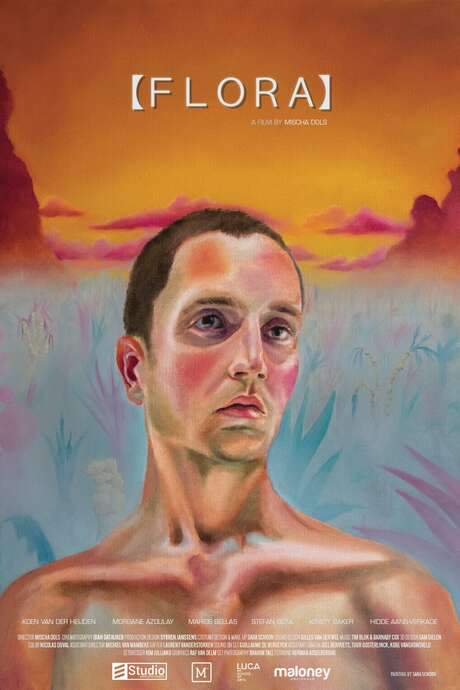
What Is Flora About?
The premise of Flora in 302 words, with nothing given away. The full story follows below.
In the spring of 1929 a band of eager student botanists ventures into an uncharted North‑American forest, chasing the promise of undiscovered flora. The dense, primeval wood feels both a sanctuary and a puzzle, its towering trees and tangled understory hinting at secrets that have lain hidden for centuries. Their mission—cataloguing the region’s plant life—collides with an unexpected isolation, as the usual comforts of civilization fade into the whisper of leaves and the mute rustle of wind.
The group’s charismatic leader, a seasoned professor, never arrives, leaving the students to grapple with a sudden vacuum of guidance. Among them, Matsudaira Basho, known simply as Matt, quickly emerges as a pragmatic mind, his scientific curiosity tempered by a wry sense of responsibility. Ora brings quiet determination and a keen eye for detail, while Haviland balances a steady hand with an instinct for survival. The team’s nurse, Avis, provides a calming presence, tending to the physical toll of the journey and the emotional strain of uncertainty.
From the first steps into the forest, an unsettling atmosphere pervades. The lack of animal life feels unnatural, and the air carries a faint, inexplicable scent that hints at an unseen force at work within the vegetation itself. The students begin to sense that the very plants they study may hold both the key to nourishment and a hidden danger, turning their scholarly pursuit into a delicate negotiation with the environment.
As the days unfold, the botanists must adapt their methods, fashion makeshift protection, and rely on each other’s strengths to navigate an ever‑changing landscape. Their quest becomes as much about understanding the living tapestry around them as it is about preserving the fragile thread that ties them to the world beyond the trees, setting a tone of quiet tension, wonder, and the relentless pull of the unknown.
What Happens in Flora?
The complete story of Flora, from the first scene to the last, in 822 words (about 4 minutes). Spoilers throughout.
Spoilers ahead
In the spring of 1929, a small team of student botanists ventures into an uncharted forest in North America, driven by a mission to map the native flora. They expect a routine expedition, yet they quickly discover that their professor is absent and their food supplies have been destroyed. After a day of waiting for his return, they begin a careful search to locate him. The search ends with a grim find: the professor is dead, wearing a gas mask, in a nearby abandoned mining town. The shock of this discovery hangs in the air as the group confronts a growing sense of isolation and danger. Soon, the students begin to fall ill to an unknown pathogen, and the forest around them feels increasingly hostile.
A key clue emerges from the professor’s protégé, Matsudaira Basho—known to the others as Matt. Through careful observation, he notes the striking absence of animal life in the region and deduces that the illness may be linked to an endophyte living in the local plants. The pathogen could be transmitted by consuming infected vegetation or by inhaling pollen, and there are no easy answers, only the grim reality that the environment itself might be the threat. With food supplies dwindling, the group makes a difficult decision: they will trek toward a railway where a monthly train is expected to pass in a few days, hoping for a narrow window of rescue or aid. Their plan is pragmatic, but it demands improvisation and courage. They begin to prepare, boiling plant harvests to render them non-pathogenic and fashioning makeshift biohazard suits and gas masks to shield themselves from further exposure, a stark reminder of how science and survival entwine in a frontier landscape.
As they press on, the illness tightens its grip. The surviving students push toward the distant pine forest, clinging to a glimmer of hope that certain plant materials might offer protection against the forest’s strange life forms. The journey tests their endurance, and the group is forced to confront not only the pathogen but the toll of isolation, dwindling resources, and the haunting feeling that they are being watched by the forest itself. Along the way, a crisis unfolds: Avis, the team’s nurse, collapses after a hole appears in her breathing apparatus, underscoring how fragile their survival gear is under relentless pressure. Matt notices the danger and returns to her, a decision that saves her life but, in doing so, separates him from Ora and Haviland, the other two remaining members of the group. The trek becomes a race against time and a test of loyalty, as the two survivors make tough choices about who to carry forward and who to leave behind.
Despite the strain, Haviland convinces Ora to push ahead toward the promised forest rendezvous, hoping that Matt will somehow manage to catch up. The path is uneven, and Matt’s own ordeals become increasingly surreal: he stumbles into a region filled with hammocks and encounters a little girl, only to realize that both figures are visions born of exhaustion and grief. He also seems to see the ghosts of other departed team members, a stark reminder of what has already been lost. Ora and Haviland hear Matt’s whistle and the moment forces a split in their dynamic; Haviland sets out to find him, insisting that Ora conserve her strength. He promises to return by morning, a pledge that carries the weight of responsibility in a landscape where every breath could be the difference between continuation and collapse.
When Haviland finally returns, he is without a mask, having given his own to Matt who was found without protection. He collapses, and Ora begins the slow, careful process of nursing Matt back to health. With time slipping away, the trio resumes their march, but they lose a precious day in the process. Matt, aware that Ora now faces only a narrow window to reach the railway, makes a personal and painful choice: he removes his own mask and asks Ora to keep hers on, revealing that he intends to stay behind. His sacrifice is rooted in a quiet, stubborn resolve to ensure that Ora can reach the train and return with help so that the university can study and understand the organism at the heart of the mystery.
Alone, Ora pushes forward to the railway, exhaustion gnawing at her with every step. She finally reaches the rails and collapses, her body tested to the limit. When she awakens, she removes her mask and hears the distant sound of the approaching train, a beacon of hope in a forest that has demanded so much from them all. The story closes on a note of cautious relief and unresolved questions, focusing on the resilience of a single survivor who carries the memory of those who did not make it back and the fragile line between science and survival in a world where nature holds both discovery and danger.
Flora Timeline: Every Key Event in Order
13 key events in the order they happen, from “Arrival in uncharted forest” to “Railway arrival and final revelation”. 13 events name a place, across 12 locations.
- 1
Arrival in uncharted forest
Spring 1929: A team of student botanists arrives in an uncharted North American forest. The professor is missing and their food supplies are ruined, forcing an urgent search. The group resolves to locate the professor and continue the expedition despite the peril.
When:Spring 1929 Where:Uncharted forest, North America
- 2
Professor found dead
During the first day of searching, the team discovers the professor dead in an abandoned mining town, wearing a gas mask. The scene confirms the danger lurking in the area and raises questions about the pathogen. The discovery shifts the mission from rescue to survival and study.
When:First day Where:Abandoned mining town near the forest
- 3
Pathogen mystery grows
Gradually, several students begin to fall ill with an unknown pathogen. The illnesses spread through exposure to plants and the air they breathe, prompting the group to rethink their safety measures. The mystery deepens as their supplies dwindle.
When:Days after discovery Where:Forest expedition route
- 4
Basho’s deduction
Matsudaira Basho, known as Matt to the others, deduces that the pathogen may be an endophyte in the local flora and could be transmitted by ingestion or inhalation. The realization reframes their approach from fear to understanding. It becomes the scientific turning point for the group's plan.
When:Shortly after professor’s death Where:Forest clearing or camp
- 5
Plan to reach railway and protective gear
With food supplies dwindling, the students decide to trek toward a railway where a monthly train is expected to pass. They boil local plant materials to render them non-pathogenic and fashion biohazard suits with gas masks to reduce infection risk. The preparations mark a pivot from rescue to a race for survival.
When:Days after deduction Where:Forest trail toward railway
- 6
Illness escalates on the journey
As they move deeper, the pathogen strikes more members, leaving the group weaker and slower. The protective measures are strained as illness and fatigue mount. The trek becomes a test of endurance rather than a straightforward journey.
When:During trek Where:Forest path
- 7
Pine forest offers a glimmer of hope
From an overlook, they glimpse a distant pine forest and theorize that pine needles may carry an antigen that protects against other plant life. The idea offers a potential sanctuary and a clearer target. They redirect their efforts toward reaching the pine stand.
When:Approach to pine forest Where:Overlook toward pine forest
- 8
Avis collapses; Matt returns to her
Avis, the team's nurse, collapses due to a hole in her breathing apparatus. Matt notices and returns to help her, which separates him from Ora and Haviland. The group becomes split and the danger increases as time runs short.
When:After pine forest sighting Where:Along the trekking route
- 9
Haviland urges Ora to press on
Haviland convinces Ora to push forward toward the forest, hoping Matt will meet them there. He stays behind to tend to the others and keep them moving, risking his own safety. Ora must continue alone with the goal of reaching safety.
When:Same incident Where:Forest path
- 10
Matt’s hallucinations
Matt ventures into an area filled with hammocks and encounters a little girl, who turns out to be a hallucination. He also sees the deceased members of his team in visions. The hallucinations reflect his guilt and desperation as isolation grows.
When:During separation Where:Area with hammocks
Show the other 3 events of Flora Hide the last 3 events
- 11
Haviland’s sacrifice and Matt’s survival
Haviland, maskless, gives his mask to Matt and returns to search for Ora, but he dies from exposure. Ora nurses Matt back to health, keeping him alive and sharpening their resolve to press forward. The loss underscores the human cost of their struggle.
When:After rescue attempt Where:Hammock area and path
- 12
Ora continues alone toward the train
With Haviland gone, Ora continues on alone, knowing she has only two days to reach the scheduled train. She endures fatigue, fear, and the treacherous environment as she pushes toward safety. The solitary march becomes a final test of resilience.
When:Post-Haviland Where:Forest toward railway
- 13
Railway arrival and final revelation
Ora reaches the railway and collapses before the train arrives. She wakes, removes her mask, and hears the approaching locomotive, a fragile beacon of rescue. The scene leaves open the possibility of help and future study back at the university.
When:Morning of train day Where:Railway stop
Who Are the Main Characters in Flora?
4 characters, among them Matt (Matsudaira Basho), Ora and Haviland: who each one is and the part they play in the story.
- M(
Matt (Matsudaira Basho)
A meticulous protégé who acts as a de facto leader by applying careful deduction to identify the plant-based pathogen and its possible transmission routes. He prioritizes gathering knowledge and ensuring the group’s survival long enough to seek help.
- 🧠 Leader
- 🧪 Scientist
- 🌿 Botanist
- O
Ora
The remaining student who pushes forward toward the forest with the aim of reaching the railway and help. She endures extreme fatigue and bears the burden of surviving alone after the group splits. Her perseverance drives the crucial final leg of the journey.
- 🧭 Trekker
- 💪 Resilient
- H
Haviland
A steady presence who urges Ora to press on. He ultimately sacrifices his own mask to save Matt, a choice that costs him his life during the trek. His actions illustrate the personal costs of survival under pressure.
- 🤝 Ally
- 🛡️ Protector
- A
Avis
The team’s nurse who collapses after a breach in her breathing apparatus, highlighting how quickly infection and exposure can overwhelm a small expedition. Her fate underscores the fragility of life and the constant danger of the pathogen.
- 🩺 Nurse
- 🧪 Risk
Where and When Is Flora Set?
Flora is set in Uncharted North American Forest, Abandoned Mining Town, Pine Forest and Railway… (Spring 1929). Here is why the time and place matter to the story.
When
Spring 1929
Set in the spring of 1929, the film situates itself in an era of field science and early 20th‑century exploration. Communications are limited to trains and rough trails, amplifying isolation. The technology on display—gas masks, improvised biohazard suits, and water/food boiled from local plants—reflects practical, period-appropriate ingenuity.
Where
Uncharted North American Forest, Abandoned Mining Town, Pine Forest, Railway Corridor
The expedition unfolds in a remote, uncharted forest in North America. They discover an abandoned mining town nearby and a pine forest that becomes a critical refuge as they trek toward a distant railway. The landscape is remote, with scarce animal life and a harsh, unforgiving climate that tests the students’ endurance and resourcefulness.
- 🌲 Forest
- 🗺️ Uncharted
- 🏭 Abandoned
- 🚂 Railway
What Are the Themes of Flora?
3 ideas the story keeps returning to, among them Pathogen, Isolation and Science.
-
01
Pathogen
An endophyte pathogen in local flora drives the crisis, with illness sweeping the team as they search for the missing professor. Matt deduces the pathogen’s plant-based transmission from the absence of animal life and the symptoms they observe. The group improvises safeguards—boiled plant foods and gas masks—to try to render the environment survivable. The theme explores how scientific curiosity collides with the limits of nature.
-
02
Isolation
The uncharted forest isolates the students, forcing them to confront fear, hallucinations, and dwindling resources. The trek toward a distant railway becomes a test of endurance and mental resilience. Relationships fray under pressure, yet the few survivors must rely on each other to reach safety. The environment itself stands as a relentless, indifferent antagonist.
-
03
Science
The pursuit of understanding the organism drives the mission, even as it imperils the crew. Matt’s calculations and sacrifices, and Haviland’s selfless acts, underscore the moral weight of discovering dangerous biology. The narrative frames science as both hope and hazard, culminating in Ora’s final push toward safety so she can report back to the university.
What Kind of Film Is Flora?
Tense in tone, with steady pacing and a straightforward story, going by the plot summary.
- Tone
- Tense
- Pacing
- Steady
- Story
- Straightforward
- Intensity
- Medium
- Ending
- Ambiguous
A tense and methodical survival thriller where a group of botanists faces a mysterious forest pathogen, creating an atmosphere of escalating dread and desperate hope against an unforgiving natural world.
- suspenseful
- claustrophobic
- anxious
- melancholic
- hallucinatory
- determined
- survival
- scientific discovery
- isolation
- sacrifice
Content notes: fatal illness, body horror, hallucinations.
Quiz
How well do you remember Flora? Test yourself on the story.
