
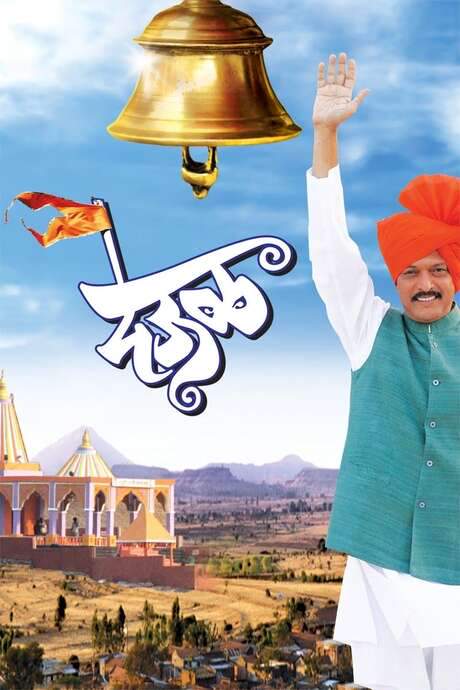
What Is Deool About?
The premise of Deool in 294 words, with nothing given away. The full story follows below.
In the verdant hills of Maharashtra lies the quiet village of Mangrul, a place where everyday life moves to the rhythm of seasons, livestock, and the occasional whisper of legend. The atmosphere is steeped in rustic charm, yet there is an undercurrent of restless curiosity that surfaces whenever something—real or imagined— threatens the familiar balance. Sun‑drenched fields, the ancient Audumber tree, and the simple stone structures create a world that feels both timeless and poised on the brink of change.
At the heart of this community is Keshya, a good‑natured youth whose duties as a cow‑herder for his employer bind him to the land and its rhythms. One day, an unanticipated experience convinces him that the divine—specifically the avatar of Lord Dattatreya—has made a personal appearance to him. His quiet confidence in this revelation sets him apart, thrusting him into a role he never asked for and igniting a quiet storm of disbelief and wonder among his neighbors.
The village’s social fabric is woven through figures like Bhau, the pragmatic patriarch who views the land through the lens of practicality, and Anna, the venerable elder whose counsel is rooted in collective well‑being. Their perspectives clash with Keshya’s fervent proclamation, while a curious journalist and a handful of politically inclined youths begin to sense the story’s wider resonance. The ensuing dialogue between faith, skepticism, and ambition hints at larger forces tugging at the village’s simple life.
Against this backdrop, Mangrul becomes a microcosm of a timeless dilemma: how a community negotiates the allure of belief, the promise of progress, and the subtle sway of external influences. The story invites the audience to linger in the tension between devotion and doubt, inviting questions about what is gained—and what might be lost—when the sacred meets the everyday.
What Happens in Deool?
The complete story of Deool, from the first scene to the last, in 340 words (about 1 minute). Spoilers throughout. Names in the text link to 4 cast member pages.
Spoilers ahead
In the rural heart of Maharashtra, the quiet village of Mangrul sits at a crossroads between faith and ambition. Keshya, Girish Kulkarni, a simple village youth who works for Bhau Nana Patekar as a cow stockman, leads one of Bhau’s cows named “KARDI” to a hill where an Audumber tree (Ficus racemosa) stands. As the cow nudges the tree, a moment of wonder unfolds when a vision of Dattatreya appears before Keshya in a vivid avatar, a sight that unsettles him and stirs a buzz of curiosity through the village.
The event shocks and excites in equal measure, and the village’s elder, Anna, Dilip Prabhavalkar, urges caution. He warns that faith is deeply personal, and such experiences should not be broadcast or misused. Yet it is already set in motion; a journalist, Kishore Kadam, teams up with a group of young villagers who lean toward politics and sensationalism, turning the sighting into a hot news item.
A wave of demand follows—the villagers press for the construction of a Dattatreya temple. Bhau is hesitant, arguing that the village would be better served by practical investments rather than sacred monuments. Anna shares a parallel vision of tangible progress, expressing a desire to build a hospital that would benefit Mangrul’s residents. Despite Bhau’s reluctance, growing public fervor and the pressure from various quarters push the project forward, and the temple takes shape.
Mangrul’s landscape begins to shift as the temple draws visitors and attention, transforming the village into a place of pilgrimage and commerce. The once peaceful community now experiences a 360-degree turn toward commercialization, with merchants, pilgrims, and media presence altering the daily rhythm of life. Yet not everyone is comfortable with this evolution; Anna remains wary that sacred purpose might be eclipsed by profit, and the town wrestles with the moral balance between progress and faith.
Ultimately, the tale raises a pointed question about ethics and necessity: is it acceptable for a sacred space to catalyze economic development, or does such use risk diluting the very faith it aims to honor?
Deool Timeline: Every Key Event in Order
12 key events in the order they happen, from “Avatar of Dattatreya appears at Audumber tree” to “The story ends with an open ethical question”. 12 events name a place, across 2 locations.
- 1
Avatar of Dattatreya appears at Audumber tree
Keshya takes Bhau's cow Kard to a hill near Mangrul where an Audumber tree stands. There, Lord Dattatreya appears in a divine avatar and reveals himself to Keshya. The vision leaves him shaken and convinced that a miracle has occurred. The moment is intensely personal, but soon it becomes village news.
Where:Mangrul hill near Audumber tree
- 2
Keshya proclaims divine appearance to Mangrul
Keshya loudly claims that Dattatreya has appeared for him, sparking awe and curiosity across Mangrul. The rumor spreads as neighbors gather to discuss the event. Some see it as a sacred sign, while others worry about turning faith into spectacle.
Where:Mangrul
- 3
Anna counsels restraint and hospital vision
Anna cautions that faith is a personal matter and warns against sensationalizing the event. He reveals a vision of building a hospital for the villagers, reframing the miracle as a public service. This hints at a more measured approach to the village's future.
Where:Mangrul
- 4
Journalist and youths sensationalize the event
A journalist, Kishor Kadam, and politically minded youths twist the news into a sensational saga. They amplify the appearance to attract attention and fuel demands for a temple. The village's mood shifts toward rapid, public discourse on faith and leadership.
Where:Mangrul
- 5
Demands for a Dattatreya temple arise
With growing buzz, demands for a Dattatreya temple rise in Mangrul. People want a sacred site to honor the divine appearance, and leaders begin to debate logistics and funding. The idea gains legitimacy as more villagers back it.
Where:Mangrul
- 6
Bhau opposes temple funding; hospital plan favored
Bhau refuses to approve the temple funding, arguing that resources could serve better purposes. He aligns with Anna's hospital plan, emphasizing pragmatic development over worship-led spending. The conflict sets up a clash between faith-driven and service-driven priorities.
Where:Mangrul
- 7
Temple is built in Mangrul
Despite objections, the temple is eventually built in Mangrul. The structure becomes a new focal point for pilgrims and locals alike. Its construction marks a tangible shift from faith to visible community infrastructure.
Where:Mangrul
- 8
Mangrul transforms into a holy place; commercialization begins
Mangrul is transformed as the temple draws pilgrims and commerce begins to flow. Businesses spring up around the site, and the village experiences a new wave of attention and money. The sacred site becomes a catalyst for a 360-degree change in daily life.
Where:Mangrul
- 9
Divine faith forgotten amid progress
As progress accelerates, the religious sentiment partly fades for some residents. The divine spectacle seems eclipsed by commercialization, and devotion is tested. Anna remains wary, fearing that faith has been co-opted by profit.
Where:Mangrul
- 10
Ethical questions surface about temple-led progress
Tensions rise about whether sacred symbols should drive economic development. Ethical questions emerge: is it right to trade faith for growth, or should spiritual concerns guide prosperity? The debate splits opinion within Mangrul.
Where:Mangrul
- 11
Anna's ongoing critique and call for balance
Anna continues to voice concerns about the village's direction, insisting on keeping faith and public welfare in balance. He challenges the community to reflect on long-term goals beyond sermons and storefronts. His stance anchors the moral tension in Mangrul's story.
Where:Mangrul
- 12
The story ends with an open ethical question
The summary closes with a pervasive question: is it ethical to use a temple and its goodwill to achieve progress? The timeline shows a village wrestling with faith, money, and modernization. The future remains uncertain as Mangrul navigates this complex legacy.
Where:Mangrul
Who Are the Main Characters in Deool?
7 characters, among them Keshya (Girish Kulkarni), Bhau Galande (Nana Patekar) and Appa Kulkarni (Dilip Prabhavalkar): who each one is and the part they play in the story. Every profile links to the actor’s page.
- K(
Keshya (Girish Kulkarni)
Played by Girish Kulkarni
A simple village youth who experiences Dattatreya's avatar at the Audumber tree and publicly proclaims the event. His sudden spiritual claim sets off a chain reaction, pulling the village between belief and skepticism. He embodies zeal and innocence, acting as the spark that ignites both faith and conflict.
- 🙏 Devotion
- 🗣️ Charisma
- BG
Bhau Galande (Nana Patekar)
Played by Nana Patekar
A pragmatic village leader who controls local resources and resists swift, faith-driven changes. He questions the use of funds for a temple and prefers investments in more immediate needs, highlighting the tension between stability and spectacle. His stance represents measured pragmatism in the face of communal pressure.
- 💪 Leadership
- 🧭 Pragmatism
- AK
Appa Kulkarni (Dilip Prabhavalkar)
Played by Dilip Prabhavalkar
A highly respected elder in Mangrul who offers traditional counsel and caution about personal beliefs clashing with communal welfare. He embodies the weight of experience in a village navigating rapid changes and contested ideas of faith.
- 🌿 Wisdom
- 🏛️ Tradition
- AS
Aamdar Saheb (Mohan Agashe)
Played by Mohan Agashe
The village authority figure who sits at the crossroads of faith, governance, and social order. He represents institutional influence and the limits of tradition when confronted with new demands from faith-driven crowds. His presence underscores how leadership mediates between old norms and present pressures.
- 🏛️ Authority
- 🧭 Mediation
- VS
Vahini Saheb (Sonali Kulkarni)
Played by Sonali Kulkarni
A key community member whose involvement signals the social fabric of Mangrul. She reflects the voices and concerns of families within the village as faith and development reshape daily life. Her presence highlights the broader impact of the temple controversy on households.
- 👥 Community
- 🕊️ Influence
- M(
Mahasangram (Kishore Kadam)
Played by Kishore Kadam
A local journalist whose sensationalism and political alignment amplify the Dattatreya appearance. He leverages village fervor to advance broader agendas, turning a spiritual moment into a competitive spectacle. His actions illustrate how media and politics can distort intention and outcome.
- 🗞️ Sensationalism
- 🗳️ Politics
-
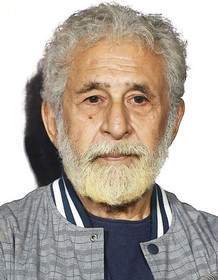
Dacoit (Naseeruddin Shah)
Played by Naseeruddin Shah
A mysterious figure whose presence during the events heightens tension and fear. His role serves as a catalyst that tests the community’s faith, ethics, and resilience under pressure. He embodies external threat and moral challenge within the village’s upheaval.
- 🗡️ Threat
- 🕯️ Mystery
Where and When Is Deool Set?
Deool is set in Mangrul and rural village in Maharashtra (Contemporary, present-day). Here is why the time and place matter to the story.
When
Contemporary, present-day
Set in a modern rural Maharashtra, the story unfolds amid current media attention and political maneuvering. It shows how a personal spiritual experience can trigger collective action, fundraising, and rapid social change. The events occur over a relatively short period, highlighting the volatility of faith-based decisions in a developing village.
Where
Mangrul, rural village in Maharashtra
Mangrul is a peaceful rural village in Maharashtra where faith, tradition, and community life define daily existence. A hill with an Audumber tree becomes a focal point after a claimed divine appearance, drawing pilgrims and outsiders. The subsequent temple construction and promises of public works transform the village into a site of pilgrimage and heated debate about the balance between devotion and development.
- 🏞️ Rural village
- 🕍 Temple town
- 🗞️ Media sensationalism
- 🏥 Development and reform
What Are the Themes of Deool?
4 ideas the story keeps returning to, among them Faith vs. Commerce, Media Sensationalism and Development Ethics.
-
01
Faith vs. Commerce
The film centers on how personal belief and communal devotion spark a larger economic and social transformation. It questions whether sacred spaces should be leveraged for growth or kept separate from profit. The rapid rise of a temple as a focal point exposes tension between spiritual integrity and commercial interests. Devotion becomes both a unifier and a battleground for competing goals.
-
02
Media Sensationalism
A journalist and politically minded youths amplify the event, turning a private experience into public spectacle. The media coverage shapes villagers' perceptions and accelerates the push for a temple and development projects. The story critiques how press and politics can exploit faith for broader agendas. Public opinion becomes a lever that influences community decisions.
-
03
Development Ethics
The narrative pits religious aspiration against social welfare, with discussions about using temple funds for hospitals and community benefits. It raises questions about the ethical use of sacred spaces to fund public works. The town's leaders wrestle with whether spiritual awakening should translate into tangible improvements for all villagers. Progress is celebrated, but its means are scrutinized.
-
04
Power and Responsibility
Authority figures in Mangrul—old and new—must broker competing visions of progress. The story examines how leadership balances tradition, reform, and popular demand. It reveals how power can mobilize communities, for better or worse, depending on whether responsibility or self-interest governs action. The result is a microcosm of governance challenges in evolving rural communities.
What Kind of Film Is Deool?
Bittersweet in tone, with steady pacing and a moderate story, going by the plot summary.
- Tone
- Bittersweet
- Pacing
- Steady
- Story
- Moderate
- Intensity
- Medium
- Ending
- Bittersweet
A thoughtful and bittersweet social drama that observes the cynical transformation of a serene village, from spiritual innocence to disillusioning commercialism, leaving a lingering sense of ethical conflict.
- contemplative
- social satire
- disillusioned
- cynical
- thoughtful
- transformative
- religious faith
- political opportunism
- rural life
- commercialization
Quiz
How well do you remember Deool? Test yourself on the story.
