
Bickford Shmeckler’s Cool Ideas 2006

Directed by

Fran Kranz
Made by

Pillar Squared
Bickford Shmeckler’s Cool Ideas Plot Summary
Read the complete plot summary and ending explained for Bickford Shmeckler’s Cool Ideas (2006). From turning points to emotional moments, uncover what really happened and why it matters.
Nothing can ever be truly, fully understood. Not even the most simple idea. Not even this.
Bickford Shmeckler is a lonely college student who keeps a journal, The Book, filled with his philosophical ideas and theories. One night during a loud toga party, Sarah Witt steals the notebook. She is a beautiful but impulsive kleptomaniac who becomes captivated by his writings, describing the moment as what she calls a “braingasm.” After showing the book to her boyfriend, Trent, she rants about wanting to meet the author—and perhaps sleep with him. That night, Bickford discovers the book is missing and is overwhelmed with worry and confusion.
By interrogating his roommates, he quickly locates her at the campus art studio, where she kisses him and explains that his work inspired her to paint. They go to Trent’s dorm and discover he discarded the book out of jealousy toward Sarah’s fascination with Bickford’s writings. Meanwhile, a delusional homeless man known as Space Man finds the book and becomes convinced that Bickford can free the “extra-dimensionals” living in his head. Space Man extorts Bickford, but after making little progress, the writer grows despondent and considers giving up.
The book’s appeal begins to spread beyond the campus when the owners of a comic book store read it and fall in love with it, reprinting it, distributing free copies, and even selling related merchandise. Sarah discovers this turn of events and tells Bickford. He confronts the store owners, who grow frustrated that their newfound idol does not truly care about the book’s rising popularity, and they eventually return it.
Yet even with the book back in his hands, Bickford remains unsettled. One of his college professors, Professor Adams, who has read The Book, arranges a publishing deal for him without his consent, and it is heavily implied that she expects a sexual favor in return. Under mounting pressure, he confides in Sarah that he began writing the book after his mother died in a car accident while he was at the wheel; his father had him checked into a mental institution to treat the resulting breakdown, and he started recording his thoughts in a notebook provided by doctors.
An insult from Sarah prompts him to realize that nothing in life can be truly understood, and he adds a disclaimer in The Book, urging readers to take time to enjoy life’s fleeting chaos. He returns the book to the comic store owners and grants them permission to reprint and give it away, on the condition that it be free and that no merchandise be produced. He then begins a romantic relationship with Sarah, experiences sex for the first time, and is inspired to write a new poem.
Bickford Shmeckler’s Cool Ideas Timeline
Follow the complete movie timeline of Bickford Shmeckler’s Cool Ideas (2006) with every major event in chronological order. Great for understanding complex plots and story progression.
The Book and the loner
The film opens by introducing Bickford Shmeckler, a lonely college student who keeps a notebook called The Book filled with his philosophical ideas. A narrator hints that nothing can ever be truly understood, setting a thematic tone for the story. We see him alone in his dorm, writing and clinging to his thoughts.
Toga party theft
During a loud toga party, The Book is stolen by Sarah Witt, a beautiful but reckless kleptomaniac. As she reads the writings, she experiences what she calls 'braingasms,' feeling power and inspiration from the ideas. Her theft triggers the central conflict of the story.
Sarah shows The Book to Trent
Sarah briefly meets Bickford but immediately shows him The Book to her boyfriend Trent, who grows jealous of the attention his partner gives to the manuscript. She jokes about wanting to meet the author and even have sex with him, revealing her whimsical fascination. The dynamics between the characters start to fray.
Bickford panics over the missing book
Bickford discovers The Book is missing and panics, frantically searching by interrogating his roommates. The loss intensifies his insecurity about his work and his place at college. The incident marks a turning point from quiet obsessions to urgent consequence.
Encounter in the art studio
Bickford tracks down Sarah at the school's art studio; she kisses him and explains that his writings inspired her paintings. This encounter shifts their relationship from academic curiosity to romantic tension. The moment deepens their emotional connection.
Trent's dorm discovery
They go to Trent's dorm and discover that he discarded the book out of jealousy. The discovery underscores how The Book’s presence destabilizes relationships and social dynamics. The object becomes a catalyst for conflict among the trio.
Space Man finds The Book
A homeless man nicknamed Space Man finds The Book and becomes convinced that Bickford can free the 'extra-dimensionals' living in his head. He extorts Bickford, demanding something in exchange for the power he believes the book grants. The encounter introduces a surreal element to the plot.
Despair and retreat
Space Man's demands stall, and Bickford, overwhelmed, gives up trying to satisfy the delusion. The episode highlights how the book can destabilize ordinary life without delivering clear meaning. He withdraws from his earlier ambitions.
Comic book store reprints
Owners of a local comic book store read The Book and fall in love with its ideas. They reprint it, distribute free copies, and even merchandise, giving the work a new, popular life. The book moves from a private notebook to a public phenomenon.
Sarah learns of distribution
Sarah learns about the free distribution and informs Bickford, who is torn by the irony of his sudden popularity. Their conversation raises questions about authorship, ownership, and the meaning of the book for others. The dynamic between them grows more complicated.
Confrontation and return
Bickford confronts the store owners; frustrated that their newfound idolization of the book overrides his feelings, they return The Book to him. The gesture signals a shift in who 'owns' the work and what it represents. The act re-centers the book as a shared object rather than a personal trophy.
Professor pressures and confession
One of Bickford's professors, who has read The Book, arranges a publisher deal without his consent and it is heavily implied she expects a sexual favor. Under mounting pressure, Bickford confides in Sarah about his past: his mother's death in a car accident and his subsequent hospitalization. The confession grounds the book in personal trauma rather than abstract theory.
Realization and disclaimer
An insult from Sarah prompts him to realize that nothing in life can be truly understood. He adds a disclaimer to The Book urging readers to slow down and enjoy life amid its fleeting chaos. The shift reframes the work from a grand system to a humane philosophy.
Return, permission, and public sharing
Bickford returns The Book to the comic store owners and grants them permission to reprint and give it away, under the condition that it be free and no merchandise be created. He embraces a communal ownership model rather than a proprietary one. The book begins living beyond him as a shared artifact.
Love, sex, and a new poem
Bickford enters a romantic relationship with Sarah, experiences sex for the first time, and is inspired to write a new poem. The ending gestures toward a more hopeful, intimate future for both him and his ideas. The film closes on a note of renewed possibility and creative energy.
Bickford Shmeckler’s Cool Ideas Characters
Explore all characters from Bickford Shmeckler’s Cool Ideas (2006). Get detailed profiles with their roles, arcs, and key relationships explained.
Spaceman (Matthew Lillard)
A delusional homeless man who believes The Book can free ‘extra-dimensionals’ inside his head. He extorts Bickford for attention and answers, serving as a cautionary mirror to the power of ideas when left unchecked. His presence unsettles Bickford but also forces him to confront the consequences of his writing becoming public.
Bickford Shmeckler (Patrick Fugit)
A shy, highly intellectual college student who channels his pain and curiosity into a notebook called The Book. His ideas drive his every action, yet he struggles with social pressure, consent, and pursuit of meaning. Over the course of the story he moves from isolation toward connection, learning to balance thought with life.
Sarah Witt (Olivia Wilde)
A free-spirited, impulsive artist who becomes fascinated with The Book and its author. She kisses Bickford and helps translate his ideas into visual art, while grappling with guilt over stealing the notebook. Her relationship with Bickford pushes both to grow beyond their initial boundaries.
Professor Adams (Cheryl Hines)
A college professor who has read The Book and uses her position to push Bickford toward a publisher. Her involvement hints at the politics of power in academia and the pressure to monetize personal work. The dynamic raises questions about consent, ambition, and the cost of career advancement.
Publisher (Clark Gregg)
A decisive gatekeeper who becomes the conduit for taking The Book into print. He represents the commercial interest that can shape an author’s work, sometimes without the author’s active consent. His involvement amplifies the story’s tension between artistic integrity and market realities.
Trent (Reid Scott)
Sarah's jealous boyfriend who dismisses The Book and its author, throwing the notebook away in a fit. He embodies the fear of disruption that new ideas can bring to relationships and social circles. His actions catalyze the turning point where The Book gains wider attention.
Bickford Shmeckler’s Cool Ideas Settings
Learn where and when Bickford Shmeckler’s Cool Ideas (2006) takes place. Explore the film’s settings, era, and how they shape the narrative.
Location
College campus, Art studio, Comic book store
Primarily set on a college campus, the action unfolds across dorms, classrooms, and an on-campus art studio. The campus atmosphere blends scholarly rigor with creative chaos, mirroring Bickford's introspective mind. Nearby, a comic book store and student hangouts become catalysts as The Book gains public attention and traction.
Bickford Shmeckler’s Cool Ideas Themes
Discover the main themes in Bickford Shmeckler’s Cool Ideas (2006). Analyze the deeper meanings, emotional layers, and social commentary behind the film.
🧠
Intellect vs Reality
The Book acts as a fountain of ideas that both inspires and isolates Bickford. His relentless curiosity clashes with external pressures from publishers, professors, and peers. The story questions whether profound understanding can coexist with ordinary life and relationships. In the end, he chooses to share his work freely and embrace life's chaos rather than chase total comprehension.
🎨
Art & Inspiration
Bickford's writings spark Sarah's art, turning intellectual concepts into tangible creativity. The Book's popularity spreads as comic store owners print and distribute it, illustrating art's power to move beyond a private notebook. The spaces of creation—studio, storefront, and dorm—become venues where ideas become culture. The theme highlights art as a bridge between individuals rather than a solitary pursuit.
❤️
Love & Connection
Relationships awaken Bickford from isolation; his connection with Sarah deepens as they navigate desire, guilt, and trust. The romance culminates in new experiences and a sense of belonging that had eluded him since his mother's death. He ultimately grants the work for free and accepts a shared life, showing that love can be a catalyst for growth and open-hearted risk.

Coming soon on iOS and Android
The Plot Explained Mobile App
From blockbusters to hidden gems — dive into movie stories anytime, anywhere. Save your favorites, discover plots faster, and never miss a twist again.
Sign up to be the first to know when we launch. Your email stays private — always.
Explore the mobile appBickford Shmeckler’s Cool Ideas Spoiler-Free Summary
Discover the spoiler-free summary of Bickford Shmeckler’s Cool Ideas (2006). Get a concise overview without any spoilers.
In the bustling world of a modern university, a shy freshman discovers that his greatest treasure isn’t a grade or a campus gig, but a battered notebook brimming with off‑beat theories and personal musings. When that notebook is unexpectedly taken, he is propelled into an impromptu, campus‑wide search that turns ordinary lecture halls, dorm lounges and midnight parties into a quirky maze of clues and chance encounters. The film sets this chase against a backdrop of collegiate hustle, where the ordinary rhythm of student life is constantly nudged by absurdity and the promise of something deeper.
Bickford Shmeckler is the heart of the story—a socially awkward, introspective thinker whose earnest desire to prove that his ideas can untangle the universe makes him both endearing and painfully sincere. His notebook, a repository of philosophical snippets and inventive notions, serves as a mirror for his inner turmoil and a beacon for those around him. At the same time, Sarah Witt breezes onto the scene as a charismatic, impulsive presence whose fascination with Bickford’s thoughts hints at a complex chemistry that could evolve beyond simple curiosity. Their dynamic, poised between awkward admiration and witty banter, fuels the film’s playful exploration of connection amid chaos.
The tone balances sharp comedy with wistful contemplation, weaving together eccentric side characters, off‑beat jokes, and moments of sincere vulnerability. The campus itself feels alive, a character of its own, where each hallway echoing with late‑night debates and spontaneous art projects mirrors the protagonists’ quest for meaning. As Bickford navigates this maze of intellectual flirtation and personal revelation, the audience is invited to wonder how far a single idea can travel when it’s shared, stolen, and reborn in the most unexpected of places.
Movies with Similar Twists and Themes
Uncover films that echo the narrative beats, emotional arcs, or dramatic twists of the one you're exploring. These recommendations are handpicked based on story depth, thematic resonance, and spoiler-worthy moments — perfect for fans who crave more of the same intrigue.
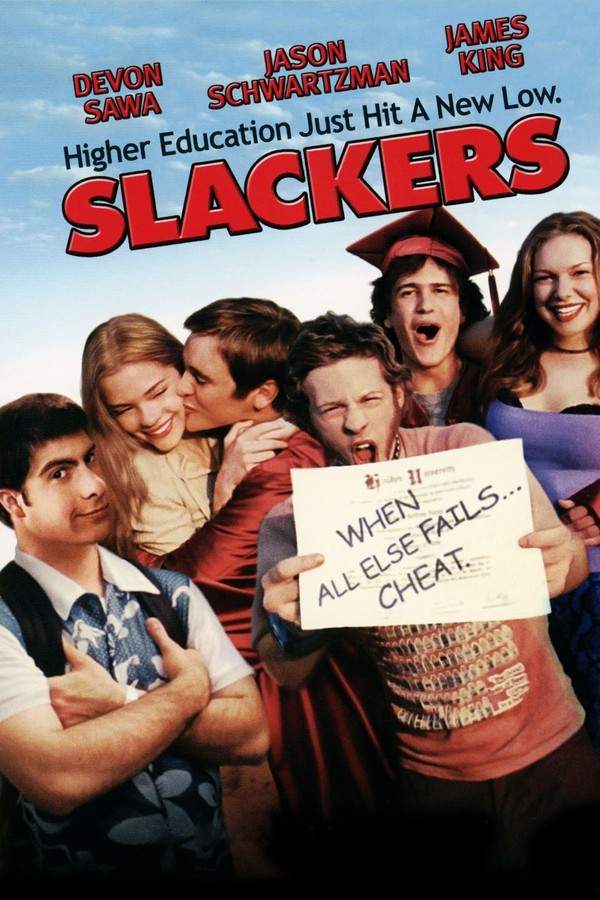
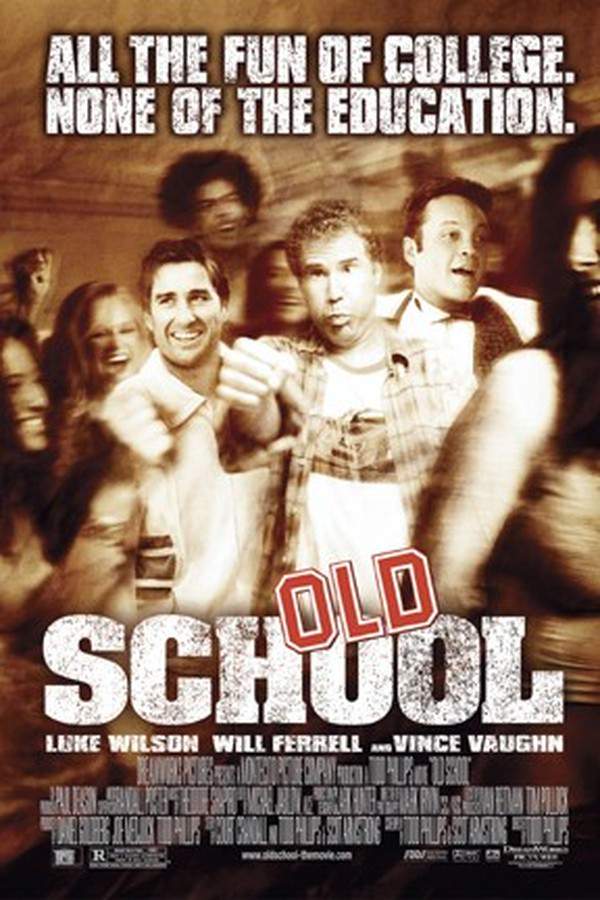

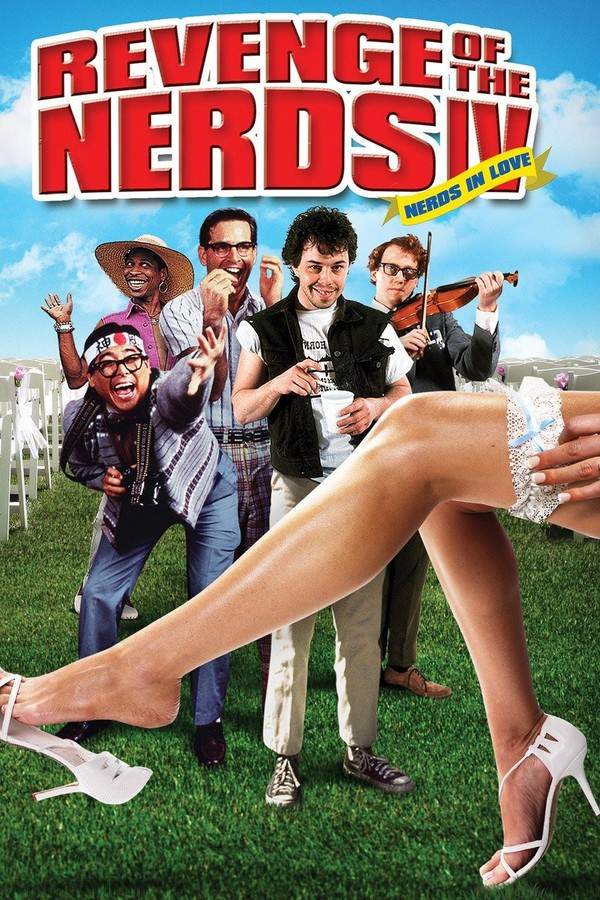


Featured on this page

What's After the Movie?
Not sure whether to stay after the credits? Find out!
Check out our other apps:

SAT Sphere
Build confidence for the Digital SAT.

Mori Atlas
Discover wild places worth protecting.

Luntero
Search smarter for a home in Amsterdam.

Plot Explained
Unravel movie endings and hidden clues.

Pokechamp
Dive into Pokémon data and battle logic.

Driving Theory
Get ready for your European theory test.

Movie Dust
Plan your next cinema trip with ease.

Musemap
Find art and culture as you travel.

Selkobase
Compare credentials before committing.

Local Manual
Turn an unfamiliar country into practical next steps.

Lernavi
Compare school systems before your next move.

GymRoam
Find a workout stop wherever your plans take you.
Explore Our Movie Platform
New Movie Releases (2026)
Famous Movie Actors
Top Film Production Studios
Movie Plot Summaries & Endings
Major Movie Awards & Winners
Best Concert Films & Music Documentaries
Movie Collections and Curated Lists
© 2026 What's After the Movie. All rights reserved.
Privacy Policy