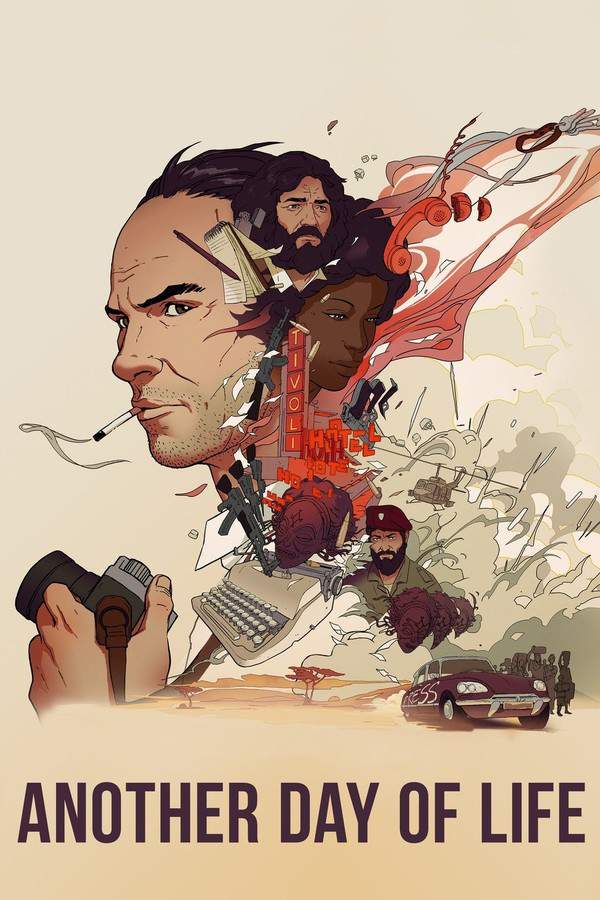
Another Day of Life 2019

Directed by
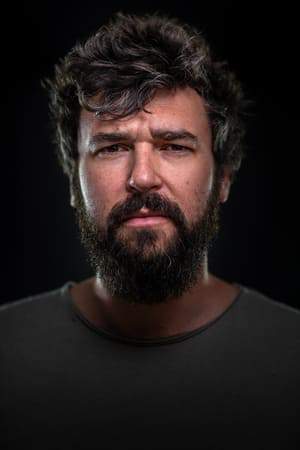
Damian Nenow
Made by

GKIDS
Where to Watch Another Day of Life
See current US streaming, rental, and purchase options for Another Day of Life (2019) via JustWatch.








Another Day of Life Plot Summary
Read the complete plot summary and ending explained for Another Day of Life (2019). From turning points to emotional moments, uncover what really happened and why it matters.
Just like the readers of the literary original, the audience embarks on a profound journey alongside Ryszard Kapuscinski in 1975 Luanda, the vibrant capital of Angola. At this pivotal moment, the country faces intense decolonization efforts following the successful Carnation Revolution. In a frantic exodus, Portuguese nationals hurriedly abandon the more upscale districts of Luanda, fearful of an imminent assault on the city. Their lives are reduced to packing their belongings into wooden crates as businesses close and law enforcement gradually vanishes, leaving heaps of rubbish strewn across the streets of the capital.
Amidst this chaos, Kapuscinski diligently files daily reports to the Polish Press Agency, capturing the haunting emptiness of the city. As the final days prior to independence unfold, various factions of the Angolan liberation movement engage in a fierce and protracted power struggle, determining who will control the impending republic. After much contemplation, Kapuscinski makes a daring decision: he ventures to the front lines, risking his own life to become the first journalist in the world to provide daily updates on the tumultuous conflict raging around him.
On the front lines, he grapples with immense pressure, experiencing terror and isolation as he navigates the battleground that resembles a game of Russian roulette—where even a slight misstep or an inappropriate greeting can spell death. The Angolan Civil War ceases to be merely another story for Kapuscinski; it transforms into a deeply personal narrative, brought to life by the valiant figures he encounters, such as the fierce fighter Carlota and commander Farrusco, whose lives intertwine with his own during his harrowing journeys.
Caught in an internal struggle, Kapuscinski finds himself torn between being a passive observer and the overwhelming need to engage with the human stories unfolding around him. His heart brims with compassion and empathy, compelling him to share the tales of those whose lives have been irrevocably altered by this conflict. This quest leads him to deeply interrogate the role of a war correspondent and the thin line between journalistic neutrality and active involvement. As he endeavors to reveal the authentic narrative of Angola, Kapuscinski experiences a transformative rebirth as both a person and a writer.
Mixing dynamic animation with intense action sequences, Another Day of Life masterfully weaves in documentary-style segments that allow viewers to reconnect with the characters 40 years after these historical events. This unique approach adds layers of depth and authenticity, enriching the animated world and making the storytelling all the more compelling.
Another Day of Life Timeline
Follow the complete movie timeline of Another Day of Life (2019) with every major event in chronological order. Great for understanding complex plots and story progression.
The Carnation Revolution
In 1975, the Carnation Revolution in Portugal sparked dramatic political changes in its former colonies, including Angola. This revolution allowed for a decolonization process to begin, fundamentally altering the trajectory of Angola's governance and society.
Exodus from Luanda
As the political landscape in Angola shifted, Portuguese nationals rushed to leave Luanda, fearing imminent violence. The upscale districts became ghost towns as families hurriedly packed their belongings into crates, illustrating the chaos of the moment.
The Haunting Emptiness
As the streets filled with debris and abandoned businesses, journalist Ryszard Kapuscinski began documenting the eerie silence of a city on the brink of transformation. His daily reports captured the atmosphere of fear and uncertainty pervading Luanda.
Power Struggles
The final days before Angolan independence were marked by intense power struggles among various factions of the liberation movement. Different groups vied for control of the future republic, creating an atmosphere of instability and conflict.
Kapuscinski's Decision
In a courageous act of journalism, Kapuscinski decided to venture to the front lines of the conflict in Angola. This decision transformed his role from a mere observer to an active participant in documenting the unfolding crisis.
Facing the Conflict
On the front lines, Kapuscinski encountered the terrifying realities of war, where each moment was fraught with danger. The absurdity of survival became apparent as he navigated the battlefield, feeling the weight of each decision he made.
Personal Connections
During his reporting, Kapuscinski met valiant fighters like Carlota and commander Farrusco, who humanized the conflict for him. These interactions deepened his understanding of the war's impact on individual lives and shaped his narrative approach.
Torn Between Roles
As he witnessed the brutality and heroism around him, Kapuscinski grappled with the duality of his role as a journalist. His compassion stirred an internal struggle between remaining neutral and becoming involved in the human stories unfolding around him.
A Quest for Authenticity
Driven by empathy, Kapuscinski sought to reveal the authentic narrative of the Angolan people. He interrogated the role of the war correspondent, wrestling with the ethical implications of his reporting.
Transformation as a Writer
Through this harrowing experience, Kapuscinski underwent a profound transformation, both personally and as a writer. The war changed his perceptions and beliefs, forging a deeper connection to the stories he encountered.
Return to the Past
The film *Another Day of Life* intertwines animation and documentary-style segments, revisiting the events 40 years later. This approach allows audiences to reconnect with the characters and histories of Angola, enriching the storytelling.
Legacy of the Conflict
The legacy of the Angolan Civil War looms large, with its impact still felt in contemporary Angolan society. The stories captured by Kapuscinski and presented in the film serve as a reminder of the resilience of those who lived through these turbulent times.
Another Day of Life Characters
Explore all characters from Another Day of Life (2019). Get detailed profiles with their roles, arcs, and key relationships explained.
Ryszard Kapuscinski
Ryszard Kapuscinski is portrayed as a determined and compassionate journalist navigating the chaos of war. He grapples with his dual role as an observer and participant in the unfolding drama, striving to uncover and share authentic stories of those affected by the Angolan Civil War. His experiences lead to personal transformation and a profound understanding of journalism's impact.
Carlota
Carlota is depicted as a fierce fighter in the Angolan liberation movement, embodying strength and determination. She represents the countless individuals willing to risk their lives for freedom, showcasing both her bravery and the personal cost of the ongoing conflict. Her interactions with Kapuscinski illuminate the deeply intertwined fates of the journalist and those he covers.
Farrusco
Farrusco is a commanding figure in the Angolan liberation struggle, characterized by leadership and unwavering commitment to his cause. His relationship with Kapuscinski reveals the complexities of warfare and the emotional toll it takes on leaders and their followers. Farrusco's bravery and resolve are emblematic of the larger fight for independence in Angola.
Another Day of Life Settings
Learn where and when Another Day of Life (2019) takes place. Explore the film’s settings, era, and how they shape the narrative.
Time period
1975
The year 1975 marked a critical transitional period for Angola as it navigated through a decolonization process following the Carnation Revolution in Portugal. The political landscape was rife with conflict, ultimately leading to the Angolan Civil War. This era was characterized by a struggle for power among various factions, which significantly impacted the lives of its citizens.
Location
Luanda, Angola
Luanda is the capital of Angola, known for its vibrant culture and history. During the tumultuous period of decolonization in 1975, the city witnessed a significant exodus of Portuguese nationals as political and social upheaval gripped the nation. The streets were filled with the remnants of chaos, as businesses closed and the infrastructure began to crumble.
Another Day of Life Themes
Discover the main themes in Another Day of Life (2019). Analyze the deeper meanings, emotional layers, and social commentary behind the film.
📰
Journalism
The theme of journalism is central to the story, as Ryszard Kapuscinski faces the challenging role of a war correspondent. His decision to report from the front lines transforms his view from a mere observer to an engaged storyteller. Kapuscinski's journey explores the ethical dilemmas of reporting during conflict and the responsibility of journalists to convey truth amidst chaos.
💔
Human Struggles
Another Day of Life delves deep into the human stories impacted by war, highlighting the personal narratives of individuals like Carlota and Farrusco. The film showcases the emotional weight of conflict, revealing the dire consequences on families and communities. This theme emphasizes empathy, capturing the resilience of the human spirit even amid the most challenging circumstances.

Coming soon on iOS and Android
The Plot Explained Mobile App
From blockbusters to hidden gems — dive into movie stories anytime, anywhere. Save your favorites, discover plots faster, and never miss a twist again.
Sign up to be the first to know when we launch. Your email stays private — always.
Explore the mobile appAnother Day of Life Spoiler-Free Summary
Discover the spoiler-free summary of Another Day of Life (2019). Get a concise overview without any spoilers.
In the sweltering summer of 1975, Luanda pulses between crumbling colonial façades and the restless energy of a nation on the brink of self‑determination. The city’s streets are a collage of abandoned storefronts, hastily packed crates, and the hushed murmur of a populace waiting for a new dawn. The film paints this volatile landscape with a striking blend of hand‑drawn animation and grainy archival footage, creating a visual palette that feels both immediate and timeless. The atmosphere is charged with a low‑rumble of uncertainty, inviting the audience to feel the weight of history as it teeters on the edge of transformation.
At the heart of this volatile tableau walks Ryszard Kapuscinski, a celebrated Polish journalist whose reputation for fearless reporting precedes him. Kapuscinski arrives with a notebook full of questions and a resolve to capture the human stories hidden beneath the headlines. His internal struggle—to remain a detached observer while being pulled toward the lived realities of those around him—drives the film’s emotional core. He is both chronicler and participant, his pen poised to translate the chaos of war into words that might bridge the gap between distant readers and the immediacy of the front lines.
Along his journey, he encounters figures such as Carlota, a fierce local fighter, and Farrusco, a commanding presence whose paths intersect with his own. These characters are not villains but embodiments of resilience, each offering a different lens through which the conflict is humanized. Their interactions hint at deep bonds forming amidst the turmoil, underscoring the film’s focus on empathy over spectacle.
Through its hybrid storytelling—mixing documentary‑style reportage with expressive animation—the movie invites viewers to contemplate the delicate balance between truth and personal involvement. The tone remains urgent yet reflective, a haunting invitation to bear witness to a world where every whispered story holds the power to shape memory long after the guns fall silent.
Featured on this page

What's After the Movie?
Not sure whether to stay after the credits? Find out!
Check out our other apps:

SAT Sphere
Build confidence for the Digital SAT.

Mori Atlas
Discover wild places worth protecting.

Luntero
Search smarter for a home in Amsterdam.

Plot Explained
Unravel movie endings and hidden clues.

Pokechamp
Dive into Pokémon data and battle logic.

Driving Theory
Get ready for your European theory test.

Movie Dust
Plan your next cinema trip with ease.

Musemap
Find art and culture as you travel.

Selkobase
Compare credentials before committing.

Local Manual
Turn an unfamiliar country into practical next steps.

Lernavi
Compare school systems before your next move.

GymRoam
Find a workout stop wherever your plans take you.
Explore Our Movie Platform
New Movie Releases (2026)
Famous Movie Actors
Top Film Production Studios
Movie Plot Summaries & Endings
Major Movie Awards & Winners
Best Concert Films & Music Documentaries
Movie Collections and Curated Lists
© 2026 What's After the Movie. All rights reserved.
Privacy Policy