
Agnes of God 1985

Directed by

Norman Jewison
Made by

Columbia Pictures
Where to Watch Agnes of God
See current US streaming, rental, and purchase options for Agnes of God (1985) via JustWatch.








Agnes of God Plot Summary
Read the complete plot summary and ending explained for Agnes of God (1985). From turning points to emotional moments, uncover what really happened and why it matters.
In a Roman Catholic convent in Montreal, Quebec, the quiet of evening prayers is shattered when screams erupt from the room of Sister Agnes, Meg Tilly, a young novice. Agnes is found in her room bleeding, and in a basket lies a dead infant. The stark discovery sets off a chain of questions about what really happened in the confinement of the convent, where devotion and fear mingle in the dim corridors.
Sister Agnes is charged with manslaughter, and the case lands on the desk of the court psychiatrist Dr. Martha Livingston, Jane Fonda. Her mission is to determine whether Agnes is competent to stand trial. In their early interviews, Agnes claims she does not remember being pregnant or giving birth, and she reveals a startling limited understanding of how babies are conceived. Mother Superior Miriam, Anne Bancroft, the head of the convent, describes her as an “innocent” who has been kept sheltered from the world, insisting that Agnes could not have known what pregnancy was or who the father might be. The tension between protecting Agnes and uncovering the truth becomes a central drama of the investigation.
Mother Miriam recaps a troubling episode: Agnes stopped eating because she believed she was getting fat, then displayed stigmata on her hand that healed itself within a day. Agnes recounts a growing closeness with Sister Marie-Paul, the eldest nun, who supposedly shows her a “secret place”—a bell tower—that she later leads Livingston to see. The two women spar over family history, Agnes’s mother, and how much Agnes truly understands about sex and birth, underscoring a theme of naivety versus exposure to the world beyond the cloister.
Miriam insists that Agnes must have conceived on January 23, the night she burned her bedsheets and confessed they were “stained.” While the court’s gaze wanders across the convent grounds, Livingston discovers a barn off the property. A brief clash with a young Monsignor raises questions about faith, doubt, and the ability of a medical professional to treat Agnes with dignity when her beliefs are in conflict with reason. Livingston learns that Agnes’s mother suffered verbal and sexual abuse, and that Agnes is Miriam’s niece, a revelation that deepens the complicated web of loyalty, guilt, and family ties within the convent walls.
Permission to hypnotize Agnes is granted, but Miriam resists, fearing that such an intervention would strip away the girl’s innocence. Under hypnosis, Agnes admits she gave birth and that another nun knew about the pregnancy, though she refuses to identify the accomplice. A workroom in the convent hides a concealed staircase that leads to a tunnel opening into the barn, a detail an archivist explains is common in older convents to allow discreet movement between buildings during harsh winters. The conflict over the investigation intensifies as Miriam seeks to have Livingston removed; the court, however, keeps the doctor on the case.
A second round of hypnosis brings more dramatic revelations. Miriam acknowledges that she knew about the pregnancy and had placed the wastebasket in Agnes’s room, yet she continues to deny any role in the baby’s death. Under trance, Agnes recalls that on the night Sister Marie-Paul died, she was told by someone who had seen “Him” from the bell tower to meet “Him” in the barn. The recovered memories hint at a presence—human or divine—that overshadows the event. Then, suddenly, Agnes presents the stigmata again and bleeds, declaring that “He” raped her and that she hates God for it. The record indicates that Miriam was present at the birth but left briefly, and Agnes believes the baby was killed because it was a “mistake” like herself.
The trial culminates in a verdict of not guilty by reason of insanity, and Agnes is returned to the convent, where she will be visited by a doctor periodically. Before the judge, she reveals one final, haunting detail: she heard “Him” singing beneath her bedroom window for six nights in a row, and on the seventh night, he lay on top of her, implying that she may have been raped and impregnated by a trespasser. The case leaves open the possibility of further inquiries into faith, memory, and the marks left by trauma on a young woman who remains within the walls she knows as home.
Agnes of God Timeline
Follow the complete movie timeline of Agnes of God (1985) with every major event in chronological order. Great for understanding complex plots and story progression.
Evening prayers interrupted by screams
During evening prayers, the nuns hear screams from Sister Agnes's room. Agnes is found bleeding and a dead infant is discovered in a basket by Mother Superior Miriam. The shocking events set in motion the investigation and Agnes's arrest for manslaughter.
Sister Agnes charged and psychiatrist assigned
Sister Agnes is charged with manslaughter over the infant's death. Court psychiatrist Martha Livingston is assigned to determine if she is competent to stand trial. The case hinges on whether Agnes truly understands pregnancy and birth, or if her claimed naivety is a defense.
Agnes's initial interview and amnesia about pregnancy
In an initial interview, Agnes claims she does not remember being pregnant or giving birth and shows little understanding of how babies are conceived. Mother Miriam cautions Livingston that Agnes is innocent who was kept at home and sheltered from the world. The exchange hints at a mother daughter dynamic intended to protect a troubled girl.
Miriam asserts Agnes is naive and unaware
Mother Miriam tells Livingston that Agnes is innocent and could not have known what pregnancy was or who the father might be. She emphasizes that she kept Agnes naive to shield her from harsh truths. This testimony casts doubt on Agnes's own memory.
Weight fear and stigmata episode
Mother Miriam recalls an episode where Agnes stopped eating, fearing she was getting fat, and then displayed stigmata on her hand that healed within a day. The episode is used to illustrate Agnes's extraordinary experiences rather than ordinary medical or sexual knowledge. Livingston weighs how such phenomena relate to Agnes's mental state.
Friendship with Sister Marie-Paul and the bell tower
Agnes describes her friendship with Sister Marie-Paul, the oldest nun, who showed her a secret place, the bell tower. Agnes later guides Livingston to the bell tower, suggesting a hidden world within the convent. The secret place becomes a symbol of Agnes's concealed knowledge and possible trauma.
Conception date and bedsheet confession
Mother Miriam asserts that Agnes conceived on January 23, the night she burned her bedsheets confessing they were stained. She argues this proves a hidden pregnancy contrary to Agnes's claimed naivety. Livingston uses this to probe the timeline but remains cautious about the truth.
Hidden tunnel discovered
Livingston, while exploring the grounds, discovers a workroom with a concealed staircase leading to a tunnel that opens to the barn. An archivist explains that many old convents have secret tunnels to move between buildings during winter. The tunnel provides a hidden route that could connect Agnes's room to the barn.
Miriam opposes Livingston; courtroom decision
Mother Miriam attempts to have Livingston removed from the case, but Livingston appeals to court authorities and is retained. The power struggle shows the clash between institutional protection and investigative pursuit. The confrontation underscores the pressure to keep convent secrets.
Second hypnosis reveals pregnancy and potential ally
Livingston obtains a second court order to hypnotize Agnes. Under hypnosis, Agnes admits that she did give birth and that another woman in the convent knew about the pregnancy, but she refuses to identify the person. The revelation deepens the mystery of hidden involvement within the convent.
Marie-Paul's death and the bar encounter
Under questioning during hypnosis, Agnes describes that on the night Sister Marie-Paul died, she was told by a presence to meet Him in the barn. She experiences a possibly real encounter that culminates in stigmata and heavy bleeding. She declares that Him raped her and that she hates God.
Verdict and return to the convent
Agnes is found not guilty by reason of insanity and is returned to the convent, where a doctor can visit periodically. The court's decision reflects doubt about Agnes's culpability and the nature of her experiences. The verdict preserves the convent's status while ensuring ongoing care.
Final implication of a possible trespasser
The judge notes that Agnes heard a voice singing beneath her bedroom window for six nights, and on the seventh night, a male figure lay on top of her. The implication is that she may have been raped by a trespasser, complicating the interpretation of her pregnancy and trauma. The final image leaves uncertainty about the true source of her experiences.
Agnes of God Characters
Explore all characters from Agnes of God (1985). Get detailed profiles with their roles, arcs, and key relationships explained.
Mother Miriam Ruth (Jane Fonda)
The Mother Superior, fiercely protective of Agnes's 'innocence' and deeply controlling. She manipulates information, opposes exposing uncomfortable truths, and fights to keep Agnes ignorant of sexuality. Her authority within the convent drives much of the drama and moral ambiguity.
Dr. Martha Livingston (Anne Bancroft)
A court-appointed psychiatrist tasked with judging Agnes's competence to stand trial. She pursues the truth through interviews and hypnosis, challenging the convent's narratives. Her scientific approach clashes with religious dogma, highlighting tensions between medicine and faith.
Sister Agnes
A young novice whose stated ignorance about pregnancy raises questions of memory, trauma, and agency. Under hypnosis, she reveals a dangerous secret and a possible rape, complicating the innocence the convent claims to protect. Her fragile demeanor masks deeper abuse and fear.
Sister Marie-Paul (Oldest nun)
The oldest nun who holds long-standing insights into the convent's secrets. She guides Agnes toward a secret place (the bell tower) and embodies the tension between tradition and truth. Her presence foreshadows the impact of hidden histories.
Archivist
A role referenced in the story as someone explaining tunnels and the old convent's architecture. This character provides context for the secret passages that connect buildings and reveal hidden routes.
Monsignor (Young)
A youthful church official who debates faith and treatment with Dr. Livingston. His presence highlights the church's involvement in Agnes's fate and the friction between spiritual authority and modern medicine.
Agnes of God Settings
Learn where and when Agnes of God (1985) takes place. Explore the film’s settings, era, and how they shape the narrative.
Time period
Mid-1980s
The events unfold in a contemporary mid-1980s era, a time when psychiatric methods and legal proceedings intersect with traditional religious authority. The courtroom procedures and the use of hypnosis reflect the period's attitudes toward mental health and evidence. Social norms around gender, sexuality, and institutional power shape how the characters respond to Agnes's claims.
Location
Montreal, Quebec, Canada
A Roman Catholic convent sits in Montreal, providing a cloistered world where daily rituals govern life. The setting emphasizes the isolation of the nuns from the outside world while remaining tied to the urban surroundings. The grounds include a bell tower and a barn with hidden passages, underscoring secrecy and discipline.
Agnes of God Themes
Discover the main themes in Agnes of God (1985). Analyze the deeper meanings, emotional layers, and social commentary behind the film.
⛪️
Faith
Faith vs. evidence sits at the core of Agnes of God. The convent's rigid beliefs collide with the psychiatrist's scientific approach as they seek the truth about Agnes's pregnancy and possible assault. Hypnosis and confessions challenge what is considered sacred certainty, raising questions about belief, innocence, and accountability.
💔
Guilt
Guilt haunts multiple characters: Agnes's sense of being a 'mistake,' Mother Miriam's complicity, and the institution's burden of protecting or blaming the vulnerable. The narrative examines how memory, abuse, and institutional power shape feelings of responsibility and blame. Resolution hinges on uncovering buried guilt rather than denying it.
🍼
Motherhood
Motherhood is presented as both sacred duty and traumatic burden. The baby’s birth and death become a focal point for discussing control, sexuality, and the limits women face within the convent. The film questions whether motherhood is a voluntary choice or an imposed role under authority.

Coming soon on iOS and Android
The Plot Explained Mobile App
From blockbusters to hidden gems — dive into movie stories anytime, anywhere. Save your favorites, discover plots faster, and never miss a twist again.
Sign up to be the first to know when we launch. Your email stays private — always.
Explore the mobile appAgnes of God Spoiler-Free Summary
Discover the spoiler-free summary of Agnes of God (1985). Get a concise overview without any spoilers.
In the solemn, stone‑walled convent of Montreal, the quiet rhythm of prayer is suddenly disturbed by an unsettling accusation that threatens to upend the cloistered world. The story centers on Sister Agnes, a young novice whose sheltered life has been confined to the echoing corridors of faith, and Dr. Martha Livingston, a seasoned court‑appointed psychiatrist tasked with unraveling the delicate mystery that lies at the heart of the allegation. From the outset, the film establishes a tension between the immutable traditions of the religious community and the probing, evidence‑driven methods of modern psychology.
Dr. Livingston arrives at the convent carrying her own professional rigor and personal convictions, only to find herself navigating a labyrinth of secrecy, reverence, and unspoken histories. The atmosphere is thick with muted whispers, candlelight, and the weight of centuries‑old vows, creating a moody, almost gothic backdrop that amplifies the psychological stakes. As she begins to interview Sister Agnes, the nun’s bewildering claim of a “virgin birth” forces the doctor to confront the limits of rational explanation when faced with deeply held belief.
Guiding the investigation is Mother Superior Miriam, the austere matriarch of the convent who embodies both protection and control. Her presence underscores the institutional pressures that hover over the inquiry, hinting at a broader struggle between the church’s desire to preserve its sanctity and the legal system’s demand for truth. The film’s tone remains taut and contemplative, balancing moments of introspective quiet with an undercurrent of unease, leaving the audience to wonder how faith, memory, and authority will collide in the rooms where silence is both a refuge and a weapon.
Movies with Similar Twists and Themes
Uncover films that echo the narrative beats, emotional arcs, or dramatic twists of the one you're exploring. These recommendations are handpicked based on story depth, thematic resonance, and spoiler-worthy moments — perfect for fans who crave more of the same intrigue.
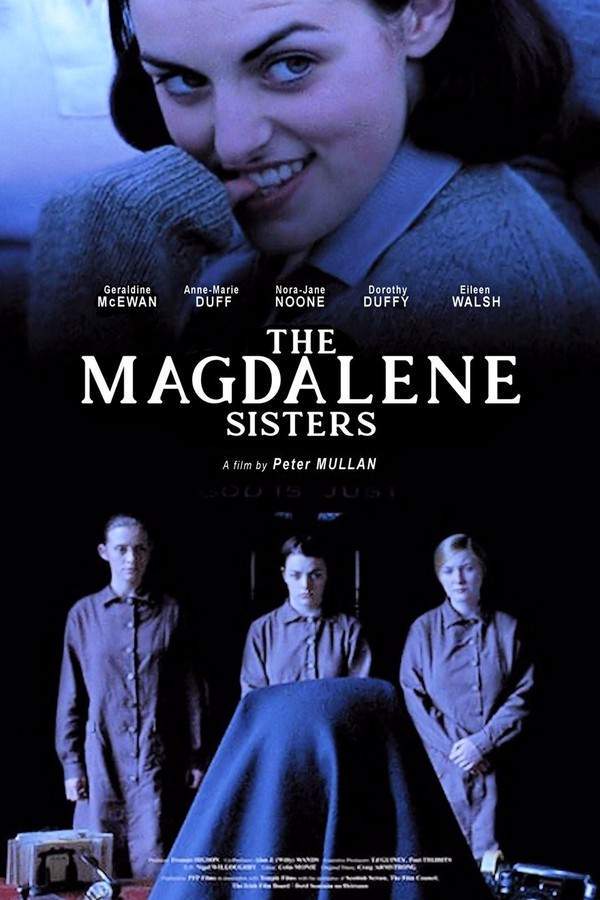
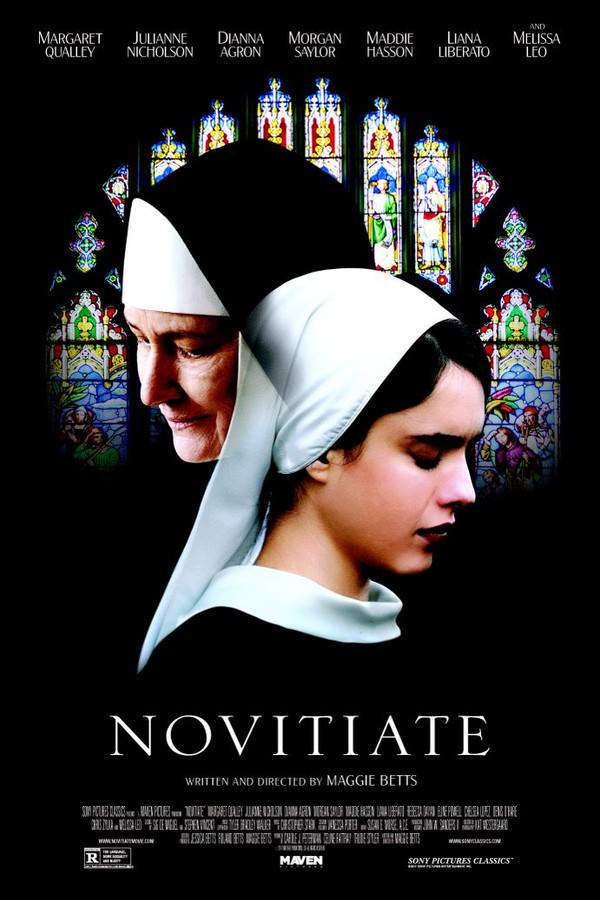







Featured on this page

What's After the Movie?
Not sure whether to stay after the credits? Find out!
Check out our other apps:

SAT Sphere
Build confidence for the Digital SAT.

Mori Atlas
Discover wild places worth protecting.

Luntero
Search smarter for a home in Amsterdam.

Plot Explained
Unravel movie endings and hidden clues.

Pokechamp
Dive into Pokémon data and battle logic.

Driving Theory
Get ready for your European theory test.

Movie Dust
Plan your next cinema trip with ease.

Musemap
Find art and culture as you travel.

Selkobase
Compare credentials before committing.

Local Manual
Turn an unfamiliar country into practical next steps.

Lernavi
Compare school systems before your next move.

GymRoam
Find a workout stop wherever your plans take you.
Explore Our Movie Platform
New Movie Releases (2026)
Famous Movie Actors
Top Film Production Studios
Movie Plot Summaries & Endings
Major Movie Awards & Winners
Best Concert Films & Music Documentaries
Movie Collections and Curated Lists
© 2026 What's After the Movie. All rights reserved.
Privacy Policy