
A Slave of Love 1976

Directed by
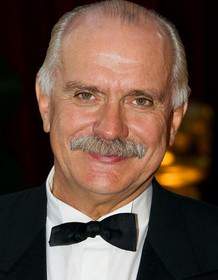
Nikita Mikhalkov
Made by

Mosfilm
A Slave of Love Plot Summary
Read the complete plot summary and ending explained for A Slave of Love (1976). From turning points to emotional moments, uncover what really happened and why it matters.
During the tumultuous autumn of 1918, amidst the chaos of the Russian Civil War, Olga Voznesenskaya, portrayed by Yelena Solovey, finds herself at the center of a story that blurs the line between cinema and reality. The film opens with Olga celebrating a significant triumph on the set of the silent movie Slave of Love alongside her co-star and lover, Yuri Bogatyryov. Their successful romantic comedy is a bright spot in a country ravaged by war and political upheaval—the Bolsheviks have just taken control of Moscow, prompting the film team to relocate to Odessa, seeking safety and a chance to continue their work away from the violence.
Olga, a talented yet often difficult star, is depicted as emotionally intense and deeply engrossed in her acting career. Her steadfast belief that her craft is an art form far removed from the turmoil around her creates a sense of detachment from the political chaos. Her lover Maksakov, played by Yevgeniy Markov, chooses not to accompany the crew to Odessa, leading to a temporary halt in filming—especially since Olga refuses to continue working without him, and the remaining film stocks have spoiled due to neglect.
Amidst this backdrop, Olga encounters Viktor Potozki, the camera operator played by Igor Klass, who quickly captures her attention. Their budding relationship adds a personal layer to the story as Olga becomes increasingly drawn to Viktor, whose quiet intensity and mysterious presence stand against the backdrop of political unrest. As the chaos intensifies, a new threat emerges: Fedotov, the local spy chief of the White Guard, portrayed by Rodion Nahapetov. Fedotov’s intrusions grow more frequent, revealing his suspicion and suspicion of the film crew, especially as arrests of Bolsheviks ripple through Odessa.
The arrival of additional actors and crew from Moscow reignites the production, bringing renewed energy and supplies, but also revealing the shifting tastes of the audience. Olga and Maksakov’s roles are reimagined—Maksakov, notably absent, is recast, and Olga finds herself resisting the modernized, more extravagant style demanded by viewers who are losing their appetite for traditional silent film. Despite her artistic integrity, Olga faces increasing pressure to conform to new cinematic trends, yet she remains steadfast in her dedication to genuine storytelling. Her emotional reaction when she storms off to a cinema, protesting that their production is a lie, is softened by the adulation of her fans who shower her with flowers, illustrating her complex relationship with fame and her audience.
The plot thickens when Viktor Potozki arrives late on set, seemingly intoxicated, but in truth, he is sober and deeply committed to exposing the brutal realities of the ongoing civil conflict. Fedotov is searching for Viktor because he secretly filmed the execution of a revolutionary, capturing White Guard atrocities that Viktor used to shed light on the harsh truths behind the propaganda. The footage, stored secretly in Viktor’s car, becomes a crucial piece of evidence, and Olga manages to rescue it just in time, recognizing the importance of this hidden film. She later watches the footage in private, witnessing harrowing scenes of shootings, hunger, and suffering—something that profoundly shakes her, shattering her previous detachment.
Throughout this ordeal, the film explores the powerful juxtaposition between Olga’s apolitical stance—symbolized by her focus on acting—and Viktor’s unwavering political commitment, risking everything to reveal the tragedies of war. As Viktor’s true motivations unfold, Olga begins to understand the depth of his conviction, and her feelings for him deepen. Their clandestine meetings, like the moment in a cozy café where Viktor passes her the secret film roll, symbolize a dangerous yet passionate connection. Tragically, just as Olga embraces these feelings, Viktor is shot dead by Fedotov’s men, leaving her devastated and confused.
In the aftermath, Olga tries to deliver the film to Bolshevik partisans, but they seem unaware of its significance. As the White Guard resurfaces, Fedotov appears again, leading to a violent confrontation where he is ultimately killed by Viktor’s comrades. They seize Olga and the precious film roll, whisking her away on a tram to safety. However, during the perilous journey, the driver, sensing imminent danger, jumps off and alerts the White Guard, igniting a frantic chase into the fog-filled streets. Olga, caught in the middle of this chaos, curses her pursuers as “beasts,” embodying her helplessness amid the upheaval.
What emerges is a story about the intersection of art, politics, and human emotion against the backdrop of a nation in conflict. Olga’s journey from a self-absorbed star to a woman bearing witness to brutal realities encapsulates the profound impact of war on individuals and the moral dilemmas faced by those caught in the crossfire. Her story highlights the dangerous truth behind revolutionary propaganda and the sacrifices made by those seeking to expose the truth, even at great personal risk. With the fog swallowing up her fate, Olga’s fate remains uncertain as she drifts into the shadows of a war-torn Odessa, embodying the tragic collision of cinema and reality in one of history’s most turbulent periods.
A Slave of Love Timeline
Follow the complete movie timeline of A Slave of Love (1976) with every major event in chronological order. Great for understanding complex plots and story progression.
Celebration of Olga Voznesenskaya's Triumph
Olga Voznesenskaya celebrates a successful performance in the romantic comedy 'Slave of Love' alongside her co-star and lover, Vladimir Maksakov. The film's cast and crew are optimistic about their work, but the political situation begins to influence their plans. The Bolsheviks have just taken control of Moscow, creating a tense atmosphere for everyone involved.
Film Team Moves to Odessa
Following the Bolsheviks' capture of Moscow, the film team moves south to Odessa to continue production away from the conflict. The move is driven by the need to avoid the ongoing fighting, but it also introduces challenges due to the political unrest and resource shortages. Olga remains committed to her work despite the turmoil around her.
Filming Halt and Olga’s Refusal to Continue
Filming in Odessa is temporarily halted when Maksakov refuses to join Olga and the rest of the crew, leading to the recasting of his role. Olga, who refuses to work without Maksakov, also refuses to continue filming, especially as the remaining film stocks have become spoiled. On set, she develops a romantic interest in the camera operator Viktor Potozki.
Introduction to Viktor Potozki
Olga gets to know Viktor Potozki, the camera operator, on the set, and she quickly develops feelings for him. Viktor's professionalism and charm draw her in amid the chaos of ongoing political upheaval. Alexandra’s emotional struggles reveal her vulnerability and desire for genuine connection.
Arrival of Support Personnel and Film Resumption
More actors and support staff from Moscow arrive with fresh supplies, allowing filming to resume. However, Maksakov remains absent, and his role is recast. The new production incorporates exotic elements that Olga and Maksakov previously rejected as artistically counter-productive. Her conflict with artistic ideals deepens as the film progresses.
Olga Withdraws After Overreaction
Olga overreacts to creative disagreements and runs off to a cinema, publicly denouncing their film as a lie. Despite her outburst, she is later mollified when her fans shower her with flowers, reaffirming her popularity and dedication to her craft with a renewed sense of purpose.
Viktor Arrives Drunk and Fedotov Appears
Viktor Potozki arrives late on set, apparently intoxicated, which raises suspicion. Soon after, Fedotov, the White Guard spy chief, begins searching the film crew for a camera operator who secretly filmed a revolutionary execution. Olga notices the tension and realizes the political danger at hand.
Revelation of Viktor’s Secret Filming
Viktor admits to Olga that he secretly filmed White Guard atrocities using supposedly spoiled film stock. In the footage, Olga witnesses the brutal realities of the civil war, including executions and suffering among refugees, which leaves her deeply disturbed and questioning her involvement.
Olga Saves Viktor and Watches the Footage
Olga successfully rescues Viktor after he is targeted by Fedotov and views the secret footage, which shocks her. She realizes the severity of the political conflict and the importance of the truth behind the images. Their connection deepens as she becomes more involved in his cause.
Olga and Viktor’s Alleged Romance
Olga and Viktor meet in a cafe where Viktor hands her a secret film roll. She is evidently falling in love with him, inspired by his political commitment and bravery. Their emotional bond is complicated by the dangerous situation they are caught in.
Potozki is Shot Dead
As Olga and Viktor leave the cafe, Viktor is suddenly shot dead by Fedotov’s men, leaving Olga heartbroken. His death signifies the dangerous and volatile atmosphere created by the civil war and his political activities. Olga is left to grapple with the loss and the truth of his actions.
Attempt to Pass the Film Roll to Bolsheviks
Olga tries to give the secret film roll to Viktor’s fellow Bolshevik partisans, but they do not recognize it. The struggle to secure and hide the footage highlights her growing involvement in the political conflict and her sense of responsibility.
Fedotov Reappears and is Shot
Fedotov and his men reappear at the film set, forcing Olga and her companions to defend themselves. The Bolshevik partisans arrive in time, shooting Fedotov and his men, and take Olga and the film roll away from the White Guard forces. The action underscores the violent chaos of the civil war.
Olga Escapes in a Tram
Olga is placed in a tram by the Bolshevik partisans, who force the driver to take her to her hotel amid the chaos. During the journey, the driver jumps off and alerts the White Guard, sparking a chase. Olga curses her pursuers and begins to disappear into the fog, symbolizing her escape from the violence.
A Slave of Love Characters
Explore all characters from A Slave of Love (1976). Get detailed profiles with their roles, arcs, and key relationships explained.
Olga Voznesenskaya
A talented but troubled silent film star, Olga is emotionally intense and deeply committed to her art. She is heavily influenced by her star persona, but her experiences during the civil war reveal her compassionate and courageous side as she becomes involved in political matters.
Viktor Potozki
The camera operator who secretly films White Guard atrocities, Viktor exemplifies political commitment and bravery. His dedication to exposing the truth ultimately costs him his life, embodying the sacrifice made by individuals fighting for justice.
Fedotov
A sinister White Guard spy chief, Fedotov is determined and cunning. His presence heightens the tension, representing the oppressive forces of counter-revolutionary violence and political repression.
A Slave of Love Settings
Learn where and when A Slave of Love (1976) takes place. Explore the film’s settings, era, and how they shape the narrative.
Time period
Autumn of 1918
The film is set during the Russian Civil War, a time marked by the fall of the Russian Empire and the rise of Bolsheviks and White forces. 1918 was a pivotal year, with widespread violence, shifting alliances, and social upheaval. The historical context reflects a period of chaos and ideological conflict that deeply influences the characters and plot.
Location
Odessa, Moscow
Odessa, a port city on the Black Sea, served as a crucial cultural and industrial hub during the early 20th century. Moscow, the political center of Russia, was the epicenter of the Russian Civil War, witnessing major upheavals and power struggles. Both cities played significant roles during this tumultuous period, influencing the storyline of the film.
A Slave of Love Themes
Discover the main themes in A Slave of Love (1976). Analyze the deeper meanings, emotional layers, and social commentary behind the film.
🩸
Violence
The movie explores violence carried out during the Russian Civil War, including executions, atrocities, and the chaos of armed conflicts. The footage shot secretly by Viktor Potozki highlights brutal acts committed by White Guard forces, emphasizing the brutal reality of war and political struggle.
🎭
Illusion
Olga’s reflection on her film as a 'lie' underscores the theme of illusion versus reality. The film examines the contrast between cinema as entertainment and the brutal truths of the real war. The characters grapple with authenticity, artistry, and the costs of their involvement in making art amid chaos.
💔
Love and Sacrifice
Olga’s affection for Viktor Potozki and her subsequent grief when he is killed reflect themes of love intertwined with sacrifice. The characters’ personal relationships are shaped and tested by the violence and political upheaval surrounding them, highlighting human resilience amid turmoil.

Coming soon on iOS and Android
The Plot Explained Mobile App
From blockbusters to hidden gems — dive into movie stories anytime, anywhere. Save your favorites, discover plots faster, and never miss a twist again.
Sign up to be the first to know when we launch. Your email stays private — always.
Explore the mobile appA Slave of Love Spoiler-Free Summary
Discover the spoiler-free summary of A Slave of Love (1976). Get a concise overview without any spoilers.
In the autumn of 1918, a fledgling film crew attempts to keep the magic of silent cinema alive while the Russian Civil War tears the country apart. Their dream of completing a melodramatic picture takes them from a newly seized Moscow to the volatile port city of Odessa, where the clatter of gunfire is a constant backdrop to the clatter of camera equipment. The world they inhabit is one of restless uncertainty, where every sunrise might bring a new front and every sunset a fleeting moment of artistic refuge.
Olga Voznesenskaya is the luminous star at the heart of the production, a woman whose devotion to her craft borders on obsession. Her fiery temperament and insistence that acting is a pure art form set her apart from the surrounding chaos, while her relationship with fellow lead Yuri Bogatyryv adds a personal strand to the already tangled web of responsibilities. Together they embody the fragile hope that art can survive even in the darkest of times.
The crew itself is a patchwork of personalities, each bringing a different perspective on what cinema should become in a country undergoing radical change. Their arrival in Odessa introduces fresh talent and new ideas, prompting a subtle clash between the timeless elegance of silent storytelling and the burgeoning appetite for more lavish, modern spectacles. It is here that Viktor Potozki, the quiet camera operator, becomes a quiet focal point, his intense dedication to the visual medium hinting at deeper currents beneath the surface of the production.
The film’s tone balances wistful nostalgia with a tense, almost palpable unease, reflecting a society caught between reverence for tradition and the relentless push of history. As the actors and technicians navigate shifting loyalties, fragile alliances, and the ever‑present specter of war, the audience is invited to glimpse a world where the line between performance and reality blurs, leaving behind a lingering question: can art truly endure when the world around it is disintegrating?
Featured on this page

What's After the Movie?
Not sure whether to stay after the credits? Find out!
Check out our other apps:

SAT Sphere
Build confidence for the Digital SAT.

Mori Atlas
Discover wild places worth protecting.

Luntero
Search smarter for a home in Amsterdam.

Plot Explained
Unravel movie endings and hidden clues.

Pokechamp
Dive into Pokémon data and battle logic.

Driving Theory
Get ready for your European theory test.

Movie Dust
Plan your next cinema trip with ease.

Musemap
Find art and culture as you travel.

Selkobase
Compare credentials before committing.

Local Manual
Turn an unfamiliar country into practical next steps.

Lernavi
Compare school systems before your next move.

GymRoam
Find a workout stop wherever your plans take you.
Explore Our Movie Platform
New Movie Releases (2026)
Famous Movie Actors
Top Film Production Studios
Movie Plot Summaries & Endings
Major Movie Awards & Winners
Best Concert Films & Music Documentaries
Movie Collections and Curated Lists
© 2026 What's After the Movie. All rights reserved.
Privacy Policy