Zombies: A Living History 2011


The film explores the deep roots of the zombie myth, showing that every culture has spawned its own version long before modern cinema. It examines historical illnesses that produced zombie‑like behavior and asks whether such outbreaks could ever be real. By confronting the idea of facing not a single undead creature but massive hordes, it challenges viewers to consider how humanity might survive such a scenario.


Does Zombies: A Living History have end credit scenes?
No!
Zombies: A Living History does not have end credit scenes. You can leave when the credits roll.
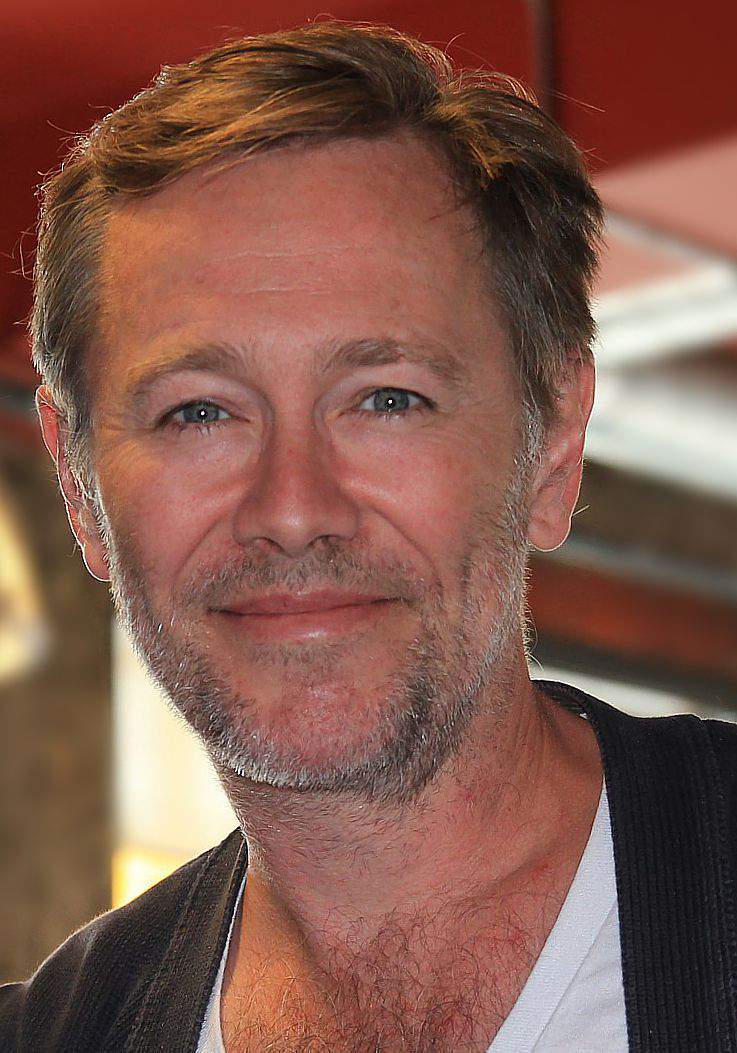
Meet the Full Cast and Actors of Zombies: A Living History
Explore the complete cast of Zombies: A Living History, including both lead and supporting actors. Learn who plays each character, discover their past roles and achievements, and find out what makes this ensemble cast stand out in the world of film and television.

External Links and Streaming Options
Discover where to watch Zombies: A Living History online, including streaming platforms, rental options, and official sources. Compare reviews, ratings, and in-depth movie information across sites like IMDb, TMDb or Letterboxd.



Take the Ultimate Zombies: A Living History Movie Quiz
Challenge your knowledge of Zombies: A Living History with this fun and interactive movie quiz. Test yourself on key plot points, iconic characters, hidden details, and memorable moments to see how well you really know the film.
Zombies: A Living History Quiz: Test your knowledge about the documentary "Zombies: A Living History" covering its content, historical references, and key facts.
In what year was the documentary "Zombies: A Living History" released?
Full Plot Summary and Ending Explained for Zombies: A Living History
Read the complete plot summary of Zombies: A Living History, including all major events, twists, and the full ending explained in detail. Explore key characters, themes, hidden meanings, and everything you need to understand the story from beginning to end.
Self Rebekah McKendry guides this provocative, accessible exploration of zombies, inviting viewers to consider a question that pops up across cultures and centuries: could the living dead ever become real? The film frames the topic in a calm, curious tone, balancing science, folklore, and pop culture to map out what zombies represent beyond the horror on screen. Narration by Peter Outerbridge threads the discussion together, while Max Brooks and Steven Schlozman contribute expert perspectives as themselves, grounding wild ideas in historical context and modern science. The result is a long, thoughtful journey that stays focused on the core questions: what makes the zombie concept endure, and what would it take to survive if such a threat ever appeared?
The film starts by separating myth from prophecy, suggesting that real-world science can produce behaviors that resemble a zombie outbreak. It emphasizes a stark reality: in a true scenario, you wouldn’t face a single creature, but countless bodies moving as a collective force. The discussion treats death as humanity’s deepest fear, then asks what it would mean if the dead could return—hungry, relentless, and difficult to control.
Across time and cultures, the undead show up in many forms. The documentary surveys a wide map of legends and beliefs to show how the idea has evolved:
- In the epic tales and myths of ancient civilizations, the concept of the dead returning to torment the living appears in many guises.
- In the 1960s and afterward, George Romero’s Night of the Living Dead is recognized as a watershed moment that popularized modern zombies, yet the film is not said to have invented the undead—far older mythologies and fearsome legends long predate it.
- The film traces parallel traditions: in Haiti, the word zombie stems from voodoo belief; in China, the Jiang Shi represents the living dead; in Arabia, the Ghoul appears as a dark, immoral force; in Norse and English folklore, creatures and revenants echo the same fear of the dead returning.
The program also walks through a broad historical arc to illuminate how societies have tried to keep the dead from returning too soon. It surveys old protective rites and techniques—burial methods, restraints, and rituals—designed to prevent reanimation, from locked coffins to careful burial practices, and it notes how archaeologists have sometimes found evidence of countermeasures, such as bodies buried with stones or other measures meant to deter return.
To understand the zombie idea fully, the film connects it to broader themes of fear and survival. It notes that cannibalism and the fear of being consumed are recurring motifs in myths and legends—from ancient stories to modern urban legends—and it situates zombies within that lineage. The narrative references mythic and literary touchpoints, including Prometheus and Pandora, the Golem, and Frankenstein, to highlight how human ambition and fear of the unknown have fed into the zombie trope as a cautionary tale about playing with life and death.
As the discussion shifts toward practical survival, the film lists long-standing tools and strategies that have figured in zombie fiction and real-world contingency thinking:
- Weapons and defenses spanning centuries, from bladed melee to improvised tools.
- Tactics that focus on mobility, protection of resources, and preserving community.
- The unsettling idea that, in a crisis, the real danger may be not the zombies themselves but how frightened people respond.
The documentary then considers the social and psychological dimensions of outbreaks. It frames plagues—past and present—as agents that destabilize societies and reveal human behavior under pressure. It ties historical pandemics to modern concerns, highlighting how fear can accelerate panic and how science and public health responses can shape outcomes. The piece draws a throughline from the ancient plagues that reshaped populations to contemporary concerns about new diseases and biothreats, using real-world examples of how societies have coped, or failed to cope, under pressure.
Along the way, the film anchors its exploration in famous moments of cultural anxiety, from 14th-century plagues to 20th-century outbreaks, and it notes how popular media has echoed these concerns. It points to the 2001 CDC memo on zombie preparedness as a cultural artifact that reflects ongoing interest in resilience, coordination, and the practical steps people might take to protect themselves when danger looms. The message loops back to a sobering takeaway: pandemics and emergencies test not just technologies and defenses, but the ethics, cooperation, and resolve of communities.
In the closing pages of the discussion, the film returns to the central premise: zombies are a mirror for human fears and a lens through which to study survival, cooperation, and the limits of control. The final tone is practical and humane: plan, fortify, and work together, because the threat—if it comes—may reveal more about how we act under fear than about the undead themselves. The closing line lingers with a practical nod to readiness and resolve: the journey ends with a hopeful note of preparedness—THE END and GOOD LUCK.

Coming soon on iOS and Android
The Plot Explained Mobile App
From blockbusters to hidden gems — dive into movie stories anytime, anywhere. Save your favorites, discover plots faster, and never miss a twist again.
Sign up to be the first to know when we launch. Your email stays private — always.
Explore the mobile appDiscover Film Music Concerts Near You – Live Orchestras Performing Iconic Movie Soundtracks
Immerse yourself in the magic of cinema with live orchestral performances of your favorite film scores. From sweeping Hollywood blockbusters and animated classics to epic fantasy soundtracks, our curated listings connect you to upcoming film music events worldwide.
Explore concert film screenings paired with full orchestra concerts, read detailed event information, and secure your tickets for unforgettable evenings celebrating legendary composers like John Williams, Hans Zimmer, and more.


Zombies: A Living History Other Names and Titles
Explore the various alternative titles, translations, and other names used for Zombies: A Living History across different regions and languages. Understand how the film is marketed and recognized worldwide.
Quick Links: Summary, Cast, Ratings, More

What's After the Movie?
Not sure whether to stay after the credits? Find out!
Check out our other apps:

SAT Sphere
Build confidence for the Digital SAT.

Mori Atlas
Discover wild places worth protecting.

Luntero
Search smarter for a home in Amsterdam.

Plot Explained
Unravel movie endings and hidden clues.

Pokechamp
Dive into Pokémon data and battle logic.

Driving Theory
Get ready for your European theory test.

Movie Dust
Plan your next cinema trip with ease.

Musemap
Find art and culture as you travel.

Selkobase
Compare credentials before committing.

Local Manual
Turn an unfamiliar country into practical next steps.

Lernavi
Compare school systems before your next move.

GymRoam
Find a workout stop wherever your plans take you.
Explore Our Movie Platform
New Movie Releases (2026)
Famous Movie Actors
Top Film Production Studios
Movie Plot Summaries & Endings
Major Movie Awards & Winners
Best Concert Films & Music Documentaries
Movie Collections and Curated Lists
© 2026 What's After the Movie. All rights reserved.
Privacy Policy