Vivarium 2019


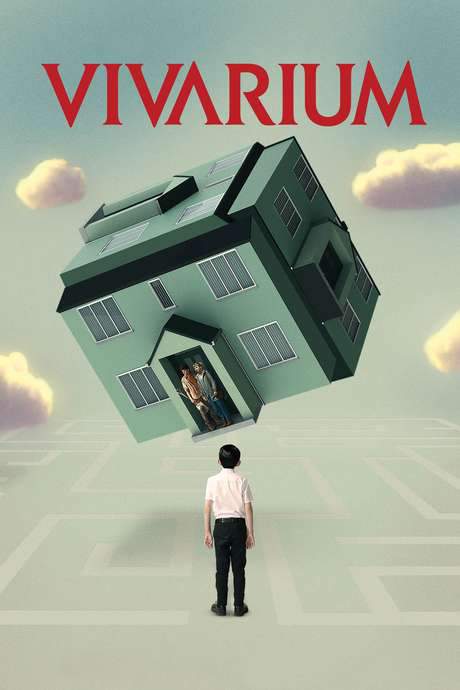
A young couple searching for their first home are led by a peculiar real estate agent to a strange, suburban development. They soon discover they can’t leave, and find themselves unexpectedly tasked with caring for a mysterious child. As they struggle to understand their situation and find a way out, the couple’s relationship is tested in this unsettling and surreal experience.


Does Vivarium have end credit scenes?
No!
Vivarium does not have end credit scenes. You can leave when the credits roll.
Where to Watch Vivarium
See current US streaming, rental, and purchase options for Vivarium (2019) via JustWatch.

Amazon Prime Video
HD
Amazon Prime Video with Ads
HD
Howdy Amazon Channel
HD
MovieSphere+ Amazon Channel
HD
Philo
HD
Hoopla
SD
Kanopy
HD
Amazon Prime Video Free with Ads
HD
The Roku Channel
HD
Tubi TV
SD
Amazon Video
HD
Apple TV Store
HD
Fandango At Home
HD
Google Play Movies
SD
YouTube
SD Streaming availability powered by 
Meet the Full Cast and Actors of Vivarium
Explore the complete cast of Vivarium, including both lead and supporting actors. Learn who plays each character, discover their past roles and achievements, and find out what makes this ensemble cast stand out in the world of film and television.





External Links and Streaming Options
Discover where to watch Vivarium online, including streaming platforms, rental options, and official sources. Compare reviews, ratings, and in-depth movie information across sites like IMDb, TMDb, Wikipedia or Rotten Tomatoes.







Ratings and Reviews for Vivarium
See how Vivarium is rated across major platforms like IMDb, Metacritic, and TMDb. Compare audience scores and critic reviews to understand where Vivarium stands among top-rated movies in its genre.

The Movie Echo Score
Vivarium presents a thought‑provoking premise rendered with confident direction and strong visual design, yet its narrative often stalls, leading to mixed reactions. Critics highlight the film's unsettling atmosphere and effective performances, while many viewers find the plot underdeveloped and the pacing sluggish. The overall impression is one of a bold concept hampered by uneven execution, resulting in a moderately positive aggregate rating.
The Movie Echo Score Breakdown for Vivarium

Art & Craft
In terms of art and craft, the film demonstrates purposeful direction and striking visual composition. Critics commend the opening sequence, production design, and consistent visual tone that reinforces the claustrophobic setting. While some viewers note a lack of dynamic variation, the technical execution overall supports the thematic intent, leaving a solid impression of craftsmanship.

Character & Emotion
Regarding character and emotion, the lead performances are frequently praised for their commitment and nuance. Critics and the few supportive users cite strong chemistry between the protagonists. However, a number of reviewers criticize the characters as inaccessible or under‑explored, suggesting the emotional core does not consistently engage the audience.

Story & Flow
The story and flow receive mixed feedback, with praise for originality but criticism for pacing and resolution. Some critics value the film's allegorical depth, while many viewers describe the plot as confusing, repetitive, or lacking payoff. This tension between innovative premise and uneven narrative cohesion results in a modest middle‑range score.

Sensory Experience
Sensory experience is highlighted as a strength, with consistent visual style and effective sound design reinforcing the film's unsettling mood. Critics point to the stark color palette and disciplined genre storytelling as enhancing immersion. Though viewer comments are sparse, the technical aspects generally succeed in creating a cohesive atmospheric experience.

Rewatch Factor
Rewatch factor is tempered by the film's polarizing reception. Some audiences appreciate the lingering mystery and thematic richness, indicating potential for repeat viewings. Conversely, many users find the narrative unsatisfying enough to deter revisits. The balance of intrigue and frustration yields a modestly positive but not compelling replay value.
Full Plot Summary and Ending Explained for Vivarium
Read the complete plot summary of Vivarium, including all major events, twists, and the full ending explained in detail. Explore key characters, themes, hidden meanings, and everything you need to understand the story from beginning to end.
Tom [Jesse Eisenberg] and Gemma [Imogen Poots], a couple with very different lives—him a landscaper, her a primary school teacher—begin with a quiet, unsettling omen from the natural world: a cuckoo’s brood parasitism that ends with them burying a hatchling. Their mundane moment soon shifts to something stranger as they visit a housing development called Yonder, where every house looks the same and the streets loop on forever. They are guided to house number 9 by an unusually polite but unnervingly observant real estate agent named Martin [Jonathan Aris], who even parrots Gemma’s own answer about whether they have children. The moment feels oddly personal, as if he’s probing their private lives with a calm, almost clinical efficiency. After the tour, Martin vanishes without explanation, leaving the couple rattled and unsure of what they saw.
When they try to leave Yonder, they inexplicably find themselves back at the same, identically arranged row of homes, trapped in an endless loop of identical streets that gnaws at their sense of direction. Their attempts to escape escalate into a trap that seems designed to consume time itself. With each failed exit, the world becomes more mechanical and uncanny, until their car’s fuel gauge hits zero and the landscape refuses to relent. They retreat into the house, hoping for a moment of safety, only to be pulled into an even stranger cycle: they sleep, wake, and discover that nothing has changed.
A strange box appears outside the house—this time filled with vacuum-sealed, flavorless food. Tom burns the house in a desperate bid for control, and the couple sleep again, this time on the pavement outside. When morning arrives, the fire has left no damage and a second box appears, this one containing an infant and a single instruction: raise the child to be released. The twist lands with the weight of a fable, turning their lives into a test they never volunteered for and forcing them to confront a future neither wanted nor understood.
Ninety-eight days pass in a rush of rapid, unsettling change. The child grows to the size of a ten-year-old, mimicking Tom and Gemma with eerie precision and shrieking when hungry. The infant is named or treated as a kind of possession by the parents: the child calls Gemma “Mother,” a term she rejects, while Tom refers to the child as “it.” They safeguard themselves in the garden, waiting for a visitor who never appears, while Tom digs a growing hole in the earth and becomes increasingly withdrawn. The Boy—an observer in the background, watching fractal, almost hypnotic patterns on television—begins to emerge into focus as a separate entity, a figure both present and alien in equal measure.
A moment of impulse and fear reshapes their tactics: Tom locks the Boy inside their car in an attempt to lure whoever is delivering the daily food, but Gemma’s empathy wins over fear and she releases him. Tom’s fixation on digging deepens, and he even drifts into sleep in the growing trench. The Boy vanishes for a time and returns with a strange book, full of symbols and drawings of humanoid figures with throat sacs. When Gemma asks the Boy to imitate the person who gave him the book, he answers with rasping sounds and inflates his own throat sacs, a stark image of the world’s strange rules.
As time passes, the Boy matures into a young adult form, while Tom’s health deteriorates. The Boy leaves each day, and Gemma follows in vain, always returning to number 9. The digging continues, and a disturbing discovery—a corpse sealed in a vacuum bag—deepens the sense of doom. The Boy eventually locks Gemma and Tom out of the house, and they sleep in the car, while Gemma pleads for medicine for Tom. The Boy cryptically suggests that perhaps “it’s time he was released.” Tom dies, and the Boy zips him into a vacuum bag and throws it into the hole they have dug.
Recognition dawns that release means death inside this grim loop. Gemma wounds the Boy with the pickaxe, and the Boy hisses before slipping into a labyrinth beneath the sidewalk. She follows him into a corridor of doors that open into multiple rooms in other houses, where more Boys and several strangers populate the eerie tableau, including one person who has taken their own life. Gemma is dragged back to number 9, weak and broken, while the Boy cleans the house and explains, in his own unsettling way, that mothers die after raising their sons. Gemma dies as she is zipped into a vacuum bag, and the Boy buries her alongside Tom, with the grass healing over the grave itself.
The Boy drives back to the real estate office, where an aged Martin lies on his deathbed. He offers the Boy his name tag before dying, and the final act is the Boy zipping Martin into a vacuum bag and dispatching him down a garbage chute disguised as a file drawer. When a new couple walks in the door, the Boy greets them just as Martin did, signaling that the cycle continues, unbroken and inexorable.

Coming soon on iOS and Android
The Plot Explained Mobile App
From blockbusters to hidden gems — dive into movie stories anytime, anywhere. Save your favorites, discover plots faster, and never miss a twist again.
Sign up to be the first to know when we launch. Your email stays private — always.
Explore the mobile appWatch Trailers, Clips & Behind-the-Scenes for Vivarium
Watch official trailers, exclusive clips, cast interviews, and behind-the-scenes footage from Vivarium. Dive deeper into the making of the film, its standout moments, and key production insights.
Cars Featured in Vivarium
Explore all cars featured in Vivarium, including their makes, models, scenes they appear in, and their significance to the plot. A must-read for car enthusiasts and movie buffs alike.
Vivarium Themes and Keywords
Discover the central themes, ideas, and keywords that define the movie’s story, tone, and message. Analyze the film’s deeper meanings, genre influences, and recurring concepts.

Unlock the World of Movies with Our Comprehensive Wiki
Dive into our Movie Wiki for in-depth film encyclopedia entries, including cast biographies, production trivia, plot synopses, behind-the-scenes facts, and thematic analyses. Whether you’re researching iconic directors, exploring genre histories, or discovering hidden easter eggs, our expertly curated movie database has everything you need to fuel your cinematic passion.

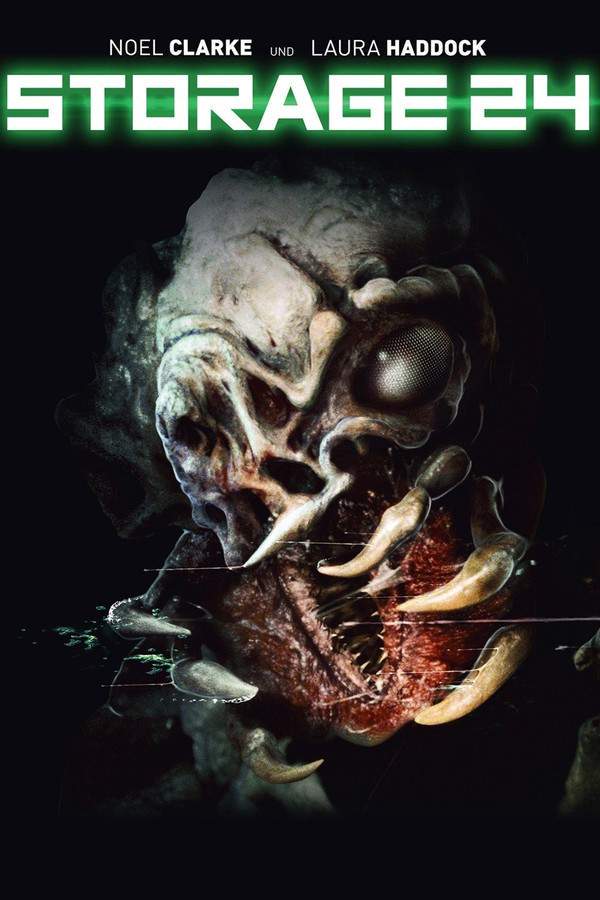
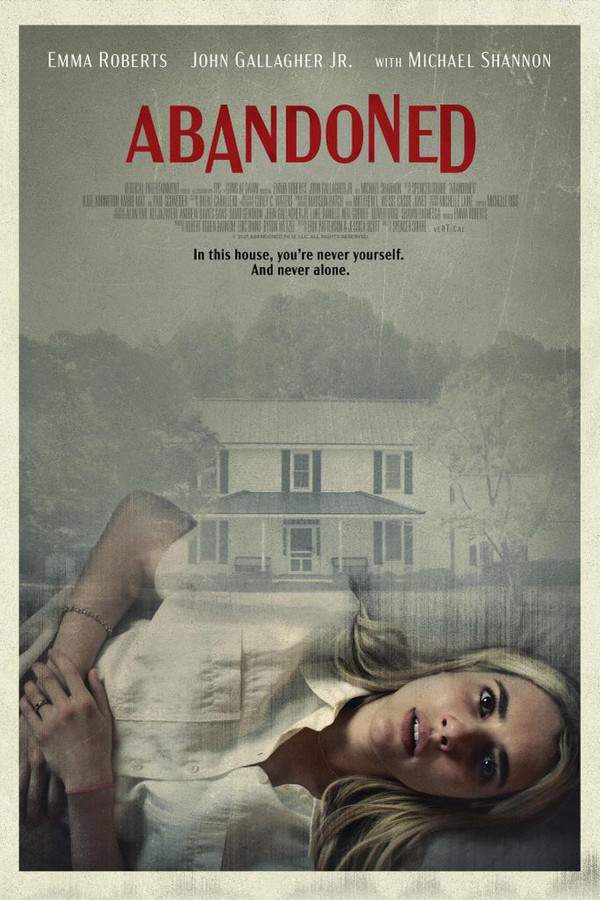
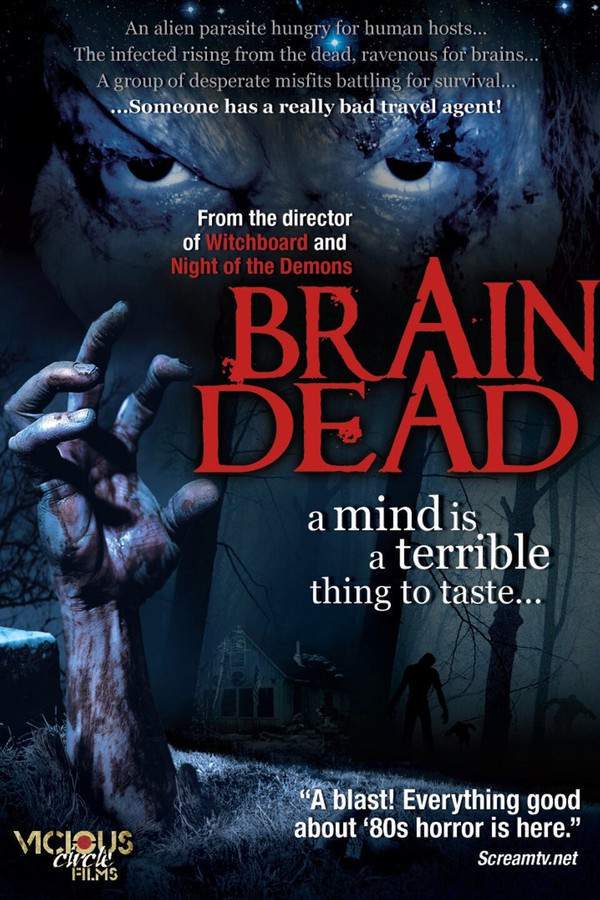
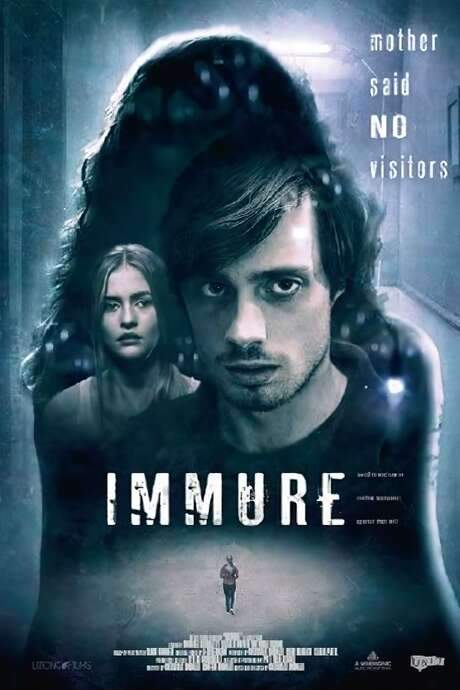
Similar Movies To Vivarium You Should Know About
Browse a curated list of movies similar in genre, tone, characters, or story structure. Discover new titles like the one you're watching, perfect for fans of related plots, vibes, or cinematic styles.





Quick Links: Summary, Cast, Ratings, More

What's After the Movie?
Not sure whether to stay after the credits? Find out!
Check out our other apps:

SAT Sphere
Build confidence for the Digital SAT.

Mori Atlas
Discover wild places worth protecting.

Luntero
Search smarter for a home in Amsterdam.

Plot Explained
Unravel movie endings and hidden clues.

Pokechamp
Dive into Pokémon data and battle logic.

Driving Theory
Get ready for your European theory test.

Movie Dust
Plan your next cinema trip with ease.

Musemap
Find art and culture as you travel.

Selkobase
Compare credentials before committing.

Local Manual
Turn an unfamiliar country into practical next steps.

Lernavi
Compare school systems before your next move.

GymRoam
Find a workout stop wherever your plans take you.
Explore Our Movie Platform
New Movie Releases (2026)
Famous Movie Actors
Top Film Production Studios
Movie Plot Summaries & Endings
Major Movie Awards & Winners
Best Concert Films & Music Documentaries
Movie Collections and Curated Lists
© 2026 What's After the Movie. All rights reserved.
Privacy Policy