
Virus (2019): Cast, Ratings, Box Office & Plot

Virus is a 2019 drama thriller directed by Aashiq Abu, starring Senthil Krishna Rajamani as Labour & Excise Minister of Kerala, Zakariya Mohammed and Kottayam Ramesh. It runs 2 hours 32 minutes and earned $626,930 worldwide. Its Echo Score is 77/100.
- Released
- Runtime
- 2h 32m (152 min)
- Director
- Aashiq Abu
- Original language
-
 Malayalam
 - Studio
- OPM Dream Mill Cinemas
- After the credits
- No No extra scene
What Is Virus About?
The premise of Virus without spoilers. The whole story is in the plot summary further down.
This film recounts the terrifying outbreak of the Nipah virus in Kerala. It depicts the real-life struggle and bravery of those who worked to contain the epidemic, highlighting the fear, fight, and survival against a deadly disease. The story focuses on the individuals who risked their lives to combat the virus and prevent further devastation.
Virus Themes & Keywords
· 17 tags- nipah virus
- contagious
- deadly virus
- kerala
- nipah
- airborne virus
- virus attack
- nurse
- doctor
- health
- world health organization
- virus
+5 more Show fewer
- epidemic
- infection
- outbreak
- contagion
- based on true story
Virus Cast & Characters
Senthil Krishna Rajamani leads the cast as Labour & Excise Minister of Kerala, with Zakariya Mohammed as Zakariya and Kottayam Ramesh as Medical College Superintendent. Directed by Aashiq Abu; 47 actors are credited in all.
- Director Aashiq Abu
- Senthil Krishna Rajamani as Labour & Excise Minister of Kerala
- Zakariya Mohammed as Zakariya
- Kottayam Ramesh as Medical College Superintendent
- Nilambur Ayisha as Enquiry Women in Medical College
Also Starring in Virus
· 43 more- Divya Gopinath Geetha
- Rima Kallingal Sister Akhila
- Rahman Dr. Salim
- Sreenath Bhasi Dr. Abid Rahman
- Kunchacko Boban Dr. Suresh Rajan
- Revathi Health Minister C K Prameela
- Tovino Thomas Paul V Abraham
- Indrajith Sukumaran Dr. Baburaj
- Parvathy Thiruvothu Dr. Annu
- Indrans Razak
- Joju George Babu
- Asif Ali Vishnu
- Sudheesh Radhakrishnan
- Dileesh Pothan Prakashan
- Soubin Shahir Unnikrishnan
- Zeenath Sister Akhila's mother
Show all 47 cast members Show fewer cast members
- Remya Nambeesan Raji
- Sharafudheen Sandeep
- Srikant Murali Prof. Emergency Department
- Basil Joseph Dr. Mithun
- Jinu Joseph Dr. John Jacob
- Binu Pappu Dr.Sudevan
- Lukman Avaran Dr. Sajith
- Shebin Benson Yahiya
- Sajitha Madathil Dr. Sreedevi
- Leona Lishoy Paul's Wife
- Vettukili Prakash Sadashivan
- Madonna Sebastian Dr. Sara Yakub
- Unnimaya Prasad Dr.Nirmala
- Sreedevi Unni Dr. Abid's mother
- Darshana Rajendran Anjali
- Jolly Chirayath Pradeep's mother
- Sarasa Balussery Khadeeja
- Neeraja Rajendran Unnikrishnan's Mother
- Poornima Indrajith Dr. Smrithy Bhaskar
- Savithri Sreedharan Jameela
- Ann Saleem Hafiya
- Deepa Thomas House Surgeon
- Dileesh Nair Person in news interview
- Ambika Rao Head Nurse
- Shani Prabhakaran Themselves
- Abhilash Mohan Themselves
- Abhinav Manikantan
Virus Reviews & Ratings
Our Echo Score gives it 77/100, strongest in sensory experience (85) and weakest in story & flow (68).
Virus Echo Score Breakdown
Virus garners praise for its ambitious reconstruction of a real‑world health crisis, delivering a blend of documentary rigor and dramatic tension. Critics and many viewers commend its direction, cinematography, and evocative soundtrack, while some note narrative congestion and uneven character focus. The film’s strong production values and resonant themes outweigh structural flaws, resulting in a largely positive reception that rewards attentive audiences.
Our own 0–100 rating, built from five aspects: art, character, story, the sensory experience and how well a film rewatches.
- Art & Craft 84
In terms of art and craft, the film excels through Aashiq Abu's measured direction and Rajeev Ravi's atmospheric cinematography, which together establish a credible documentary tone. Production design and editing sustain a steady rhythm during the early act, though later sections feel rushed. Overall, the visual and technical execution is solid, reinforcing the film's realistic ambition.
- Character & Emotion 72
Character and emotion receive mixed feedback; the ensemble cast delivers nuanced performances, with several actors highlighted for their authenticity. However, the crowded roster dilutes individual depth, making it harder for viewers to connect with specific protagonists. While the chemistry among the core group is credible, the sheer number of roles hampers sustained emotional resonance.
- Story & Flow 68
The story presents a compelling, non‑linear recounting of the Nipah outbreak, maintaining suspense and thematic relevance. Early pacing is engaging, yet later segments introduce numerous sub‑plots that strain coherence. Originality is evident in the doc‑fiction approach, but occasional narrative convolution reduces overall clarity and diminishes the impact of the climax.
- Sensory Experience 85
Sensory experience stands out with Sushin Shyam's haunting score, which consistently underscores tension and mood. Rajeev Ravi's cinematography offers an immersive visual palette, while sound design accentuates the clinical environment. The combination of music and visuals creates a cohesive aesthetic that enhances the film's realism.
- Rewatch Factor 75
Rewatch value is moderate to high; the film's realistic portrayal and layered narrative invite repeat viewings to appreciate subtleties. While some audiences may find the density of characters off‑putting, the suspenseful moments and strong technical components encourage revisiting. The lasting impression is one of respect for the subject matter rather than pure entertainment.
Virus Plot Summary
What happens in Virus from start to finish, spoilers included, with a timeline of 13 key events. The opening is below; the full summary is a 4-minute read.
Spoilers ahead
Zakariya Mohammed is infected and brought to the Government Medical College in Kozhikode, where he exhibits the sudden, severe symptoms of an unknown virus and dies within hours. Zakariya Mohammed was not alone for long—Geetha, Divya Gopinath, who was handling Zakariya’s CT scan, also contracts the illness as her blood pressure begins to swing unpredictably. The outbreak starts to ripple outward, and a nurse, Rima Kallingal who treated Zakariya, falls ill as well, underscoring how quickly the infection moves through a hospital system.
Full summary
The whole story of Virus, scene by scene
Virus Box Office
Virus grossed $626,930 worldwide.
Worldwide gross
$626.9K
- International
- $626.9K
Virus Trailers & Videos
The trailer of Virus.
How Well Do You Know Virus?
10 questions about the story, each with a hint if you get stuck. Pick an answer to see whether you were right.
Question 1 of 10
- Question 1: not answered
- Question 2: not answered
- Question 3: not answered
- Question 4: not answered
- Question 5: not answered
- Question 6: not answered
- Question 7: not answered
- Question 8: not answered
- Question 9: not answered
- Question 10: not answered
What specific virus caused the outbreak depicted in the film?
Virus Also Known As
6 alternative titles, including “Vírus” and “Nipah Virus”.
- Also known as
-
- Vírus
- Nipah Virus
- ไวรัส
- 바이러스
- 尼帕病毒
- Virus - Unsichtbarer Tod
Seen Virus?
Movies Like Virus
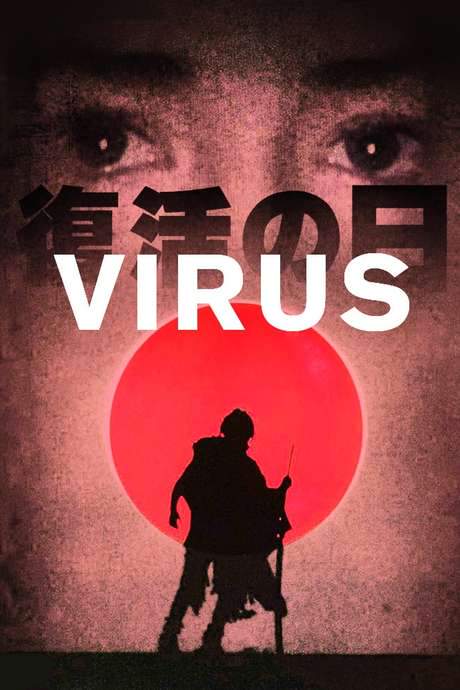
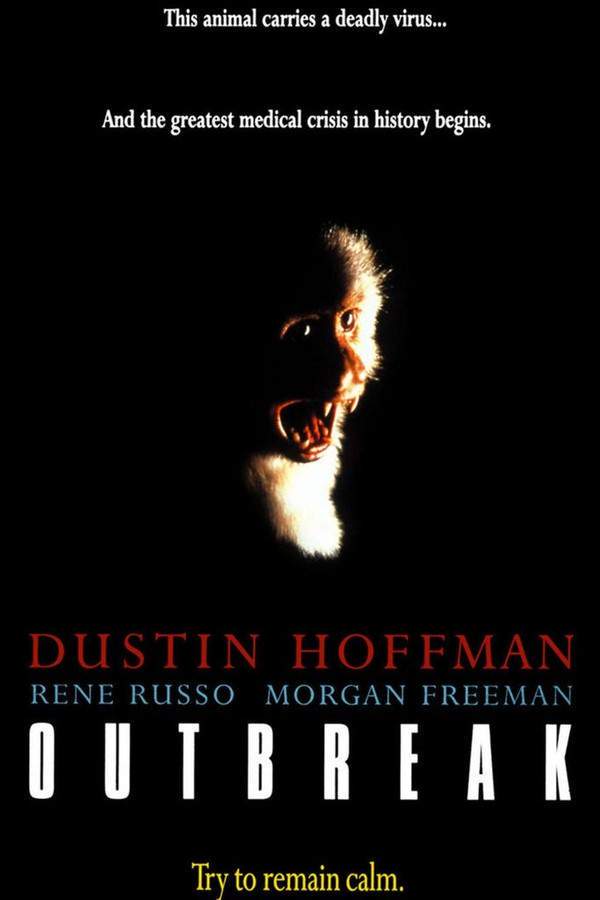
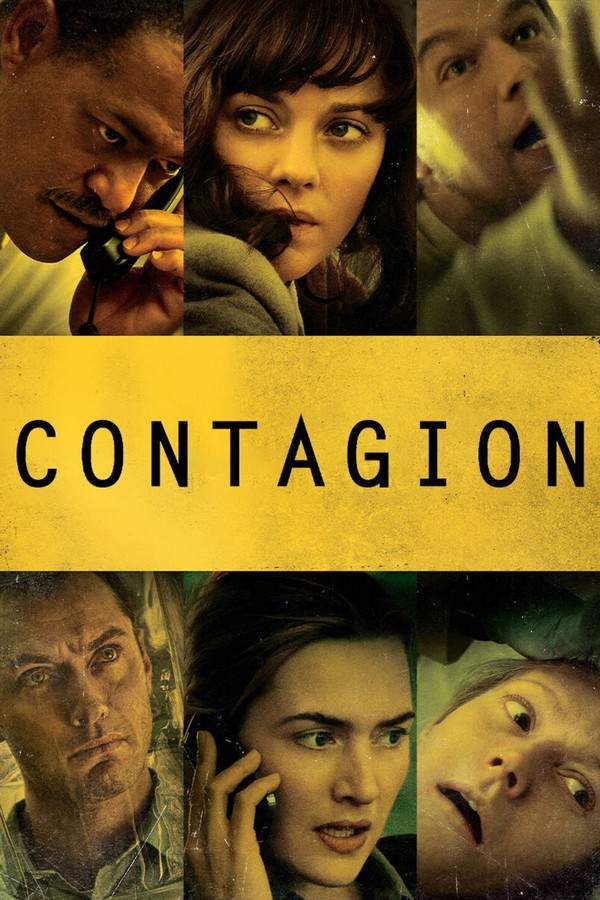
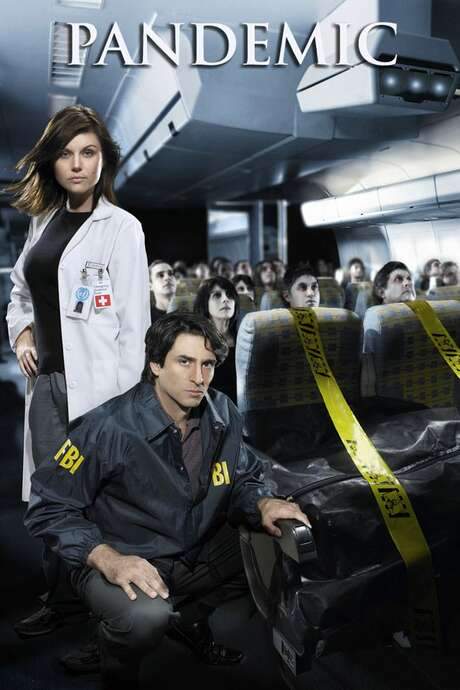
Films with a similar story, tone or audience, including Virus, Virus and Wirus.








Virus FAQ: Cast, Box Office & Runtime
Runtime, release date, director, cast, box office, post-credit scenes and language of Virus, each answered in a sentence.
How long is Virus?
Virus runs 2 hours 32 minutes (152 minutes).
When was Virus released?
Virus was released on June 7, 2019.
Who directed Virus?
Virus was directed by Aashiq Abu.
More films by Aashiq Abu Who is in the cast of Virus?
Virus stars Senthil Krishna Rajamani as Labour & Excise Minister of Kerala, Zakariya Mohammed as Zakariya and Kottayam Ramesh as Medical College Superintendent, among 47 credited actors.
How much did Virus make at the box office?
Virus grossed $626,930 worldwide.
Does Virus have a post-credit scene?
No. Virus has no extra scene during or after the credits.
What language is Virus in?
The original language of Virus is Malayalam.
Coming soon to your phone
The Plot Explained Movie Summary App
From blockbusters to hidden gems: plot summaries, endings explained and timelines on your phone. Save your favorites and never miss a twist again.
Be the first to know when it launches. Your email stays private, always. Learn more about the app
