Vidhyarambham 1990

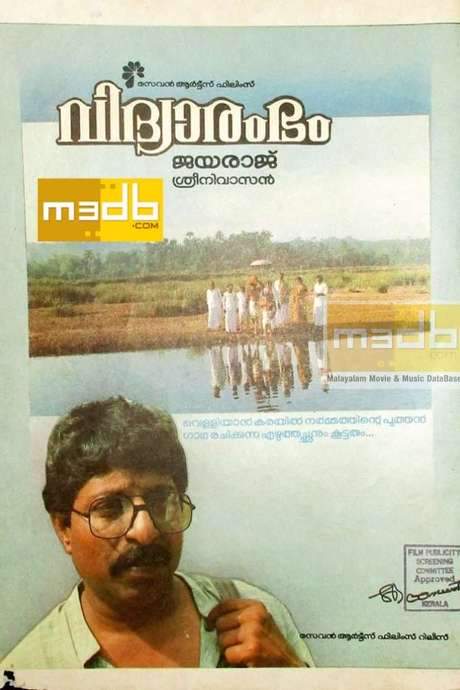
Released in 1990, this Indian Malayalam-language film was directed by Jayaraj and produced by G.P. Vijayakumar. It brings together a distinguished ensemble cast, headlined by KPAC Lalitha, Nedumudi Venu, Murali and Sankaradi, whose performances anchor the story. The narrative weaves everyday life with subtle humor, offering a vivid glimpse of Kerala’s cultural backdrop.


Does Vidhyarambham have end credit scenes?
No!
Vidhyarambham does not have end credit scenes. You can leave when the credits roll.
Meet the Full Cast and Actors of Vidhyarambham
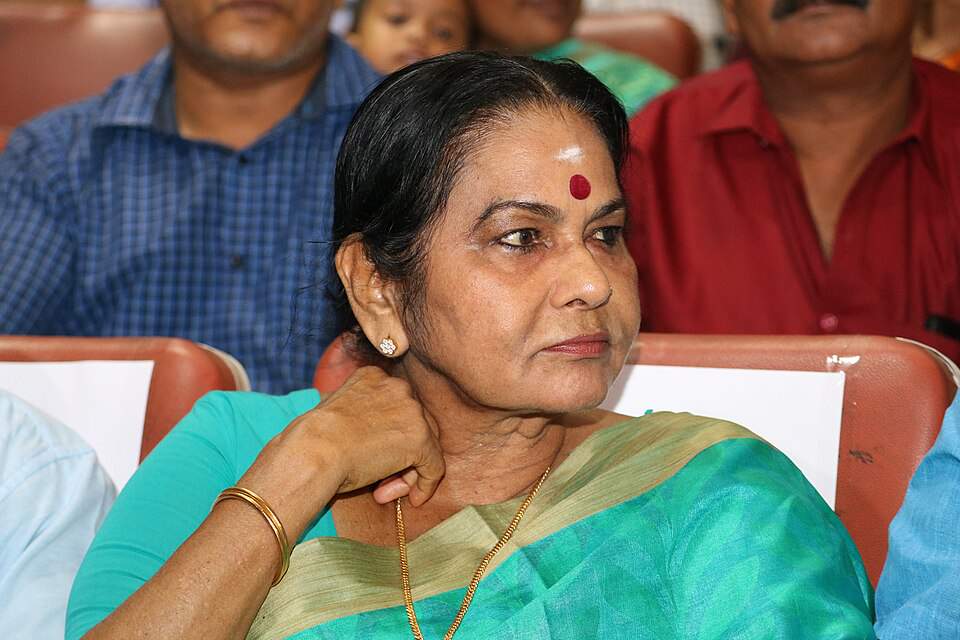
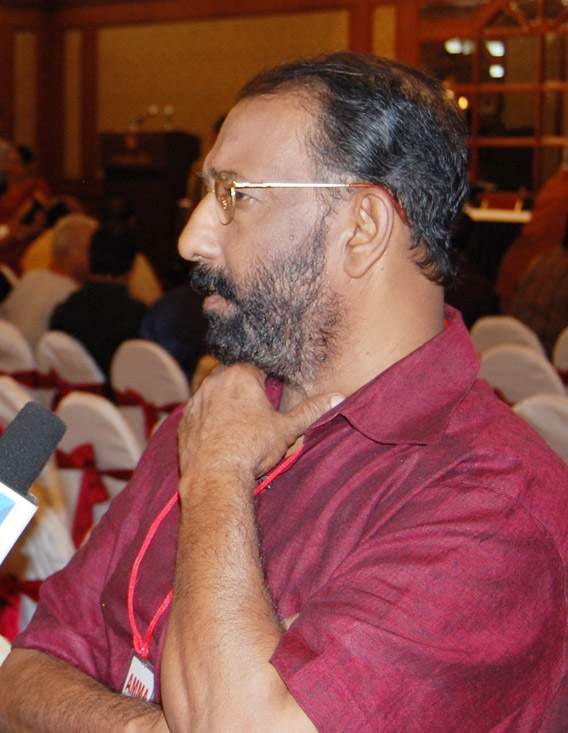
Explore the complete cast of Vidhyarambham, including both lead and supporting actors. Learn who plays each character, discover their past roles and achievements, and find out what makes this ensemble cast stand out in the world of film and television.

External Links and Streaming Options
Discover where to watch Vidhyarambham online, including streaming platforms, rental options, and official sources. Compare reviews, ratings, and in-depth movie information across sites like IMDb, TMDb, Wikipedia or Rotten Tomatoes.





Take the Ultimate Vidhyarambham Movie Quiz
Challenge your knowledge of Vidhyarambham with this fun and interactive movie quiz. Test yourself on key plot points, iconic characters, hidden details, and memorable moments to see how well you really know the film.
Vidhyarambham Quiz: Test your knowledge of the 1990 Malayalam film Vidhyarambham, its characters, plot twists, and themes.
What is the primary dream of Madhavan Ezhuthachan in the film?
Full Plot Summary and Ending Explained for Vidhyarambham
Read the complete plot summary of Vidhyarambham, including all major events, twists, and the full ending explained in detail. Explore key characters, themes, hidden meanings, and everything you need to understand the story from beginning to end.
Madhavan Ezhuthachan Nedumudi Venu has spent years envisioning a small but vital change for his native village: a local school so children won’t have to trek miles to a distant institution. The community is a mosaic of colorful characters who shape the village’s daily rhythm, from Koppath Bharghavan Nambiar, a patriotic freedom fighter, to Natarajan, a horse-cart driver, and R. K. Nedungadi, the President of a Hindu temple, with Govindan Nair, the ever-running postman, Venkitesan, Ezhuthachan’s loyal servant, and K. K. Jacob, an aimless hunter, all playing their parts in the village’s stories. Ezhuthachan lives with his wife, Bhanumathi KPAC Lalitha and their son, Prabhakaran Murali, who lives away from the family, adding a thread of distance to the close-knit fabric of home.
After a long struggle, the school finally receives official permission to operate. Ezhuthachan and his allies put in the hard yards to prepare the building—cleaning, renovating, and turning it into a usable space for education. To celebrate this milestone, they host a modest gathering with their friends and supporters, a moment of shared pride and hope for the village’s future. But the joy is cut short when Ezhuthachan suffers a stroke and dies, leaving the community to reckon with his dream in his absence.
The tragedy immediately ripples through the family’s fortunes. Ezhuthachan’s son, Prabhakaran, files for partition in the court, challenging what remains of the family’s holdings and threatening to derail the school’s future. Into this tension steps P. K. Sudhakaran [Sreenivasan], who arrives in the village determined to manage a personal financial fallout—he has spent a substantial sum on securing the teacher’s post and now faces the prospect of losing both money and opportunity. Sudhakaran’s arrival shifts the momentum of the narrative from a quiet village dream to a legal and moral contest that will test loyalties and the meaning of ownership.
In the courtroom, Sudhakaran’s lawyer presents a brisk, sharp case: Prabhakaran has already coerced the transfer of several properties and even a timber sawmill into his name, and on this basis, the school should not be granted to him. The opposing counsel argues that Ezhuthachan’s estate should be divided, and that Bhanumati and her mother deserve their rightful share as they are connected to Ezhuthachan’s legacy—even suggesting that Ezhuthachan’s second wife’s status could complicate the school’s transfer. Amid whispering corridors and public scrutiny, the case becomes a proxy for larger questions about legitimacy, inheritance, and the community’s future.
As the negotiations unfold, Prabhakaran seeks a compromise, rejecting the straightforward path to a clean resolution. Sudhakaran, initially firm, contemplates a settlement since the outcome seems uncertain, and he quietly reveals a troubling truth to Prabhakaran in a moment of intoxicated candor. The court then hears additional evidence from Prabhakaran’s advocate, which tilts the scales in their favor. Overwhelmed by remorse, Sudhakaran confesses his misstep to Bhanumati, prompting a pivotal moral turning point in the story. The revelation also exposes a deeper backstory: Bhanumati’s mother was not legally married to Ezhuthachan, and Bhanumati is not her daughter in the way the community assumed. This revelation is a catalyst that brings Ezhuthachan’s long-standing friendship with Bhanumati’s father into sharper relief, and it leads to a healing redefinition of family ties. Ezhuthachan, who had already lost his wife years earlier, steps forward to support the family, choosing to live with them as part of a broader, evolving kinship.
The following day brings another twist: Sudhakaran reveals to the village that the government has decided to take over the school, and he himself will be employed at the same site. This turn of events offers a glimmer of stability and continuity for everyone involved, and Sudhakaran uses the moment to urge Bhanumati and her mother to stay in the village rather than leave for uncertain opportunities elsewhere. The emotional stakes are high, but so are the communal ones, and the final act of the film affirms a sense of renewal. In a quiet, hopeful finale, the school is poised to reopen and to serve as a living testament to the village’s perseverance, with Sudhakaran and Bhanumati at its heart as the story moves toward a shared future.

Coming soon on iOS and Android
The Plot Explained Mobile App
From blockbusters to hidden gems — dive into movie stories anytime, anywhere. Save your favorites, discover plots faster, and never miss a twist again.
Sign up to be the first to know when we launch. Your email stays private — always.
Explore the mobile appDiscover Film Music Concerts Near You – Live Orchestras Performing Iconic Movie Soundtracks
Immerse yourself in the magic of cinema with live orchestral performances of your favorite film scores. From sweeping Hollywood blockbusters and animated classics to epic fantasy soundtracks, our curated listings connect you to upcoming film music events worldwide.
Explore concert film screenings paired with full orchestra concerts, read detailed event information, and secure your tickets for unforgettable evenings celebrating legendary composers like John Williams, Hans Zimmer, and more.


Unlock the World of Movies with Our Comprehensive Wiki
Dive into our Movie Wiki for in-depth film encyclopedia entries, including cast biographies, production trivia, plot synopses, behind-the-scenes facts, and thematic analyses. Whether you’re researching iconic directors, exploring genre histories, or discovering hidden easter eggs, our expertly curated movie database has everything you need to fuel your cinematic passion.
Quick Links: Summary, Cast, Ratings, More

What's After the Movie?
Not sure whether to stay after the credits? Find out!
Check out our other apps:

SAT Sphere
Build confidence for the Digital SAT.

Mori Atlas
Discover wild places worth protecting.

Luntero
Search smarter for a home in Amsterdam.

Plot Explained
Unravel movie endings and hidden clues.

Pokechamp
Dive into Pokémon data and battle logic.

Driving Theory
Get ready for your European theory test.

Movie Dust
Plan your next cinema trip with ease.

Musemap
Find art and culture as you travel.

Selkobase
Compare credentials before committing.

Local Manual
Turn an unfamiliar country into practical next steps.

Lernavi
Compare school systems before your next move.

GymRoam
Find a workout stop wherever your plans take you.
Explore Our Movie Platform
New Movie Releases (2026)
Famous Movie Actors
Top Film Production Studios
Movie Plot Summaries & Endings
Major Movie Awards & Winners
Best Concert Films & Music Documentaries
Movie Collections and Curated Lists
© 2026 What's After the Movie. All rights reserved.
Privacy Policy