Uu Kodathara Ulikki Padathara 2012


A 2012 Indian Telugu film, UKUP, was written and directed by Sekhar Raja and produced by Lakshmi Manchu. The film stars Manoj Manchu and blends socio and fantasy elements into its narrative. It explores themes of societal issues with a touch of magical realism, offering a unique and engaging cinematic experience for audiences.


Does Uu Kodathara Ulikki Padathara have end credit scenes?
No!
Uu Kodathara Ulikki Padathara does not have end credit scenes. You can leave when the credits roll.
Meet the Full Cast and Actors of Uu Kodathara Ulikki Padathara
Explore the complete cast of Uu Kodathara Ulikki Padathara, including both lead and supporting actors. Learn who plays each character, discover their past roles and achievements, and find out what makes this ensemble cast stand out in the world of film and television.

Lakshmi Manchu
Amrutha Valli
Prabhu
Rayudu
Sonu Sood
Phanindra Bhoopathi
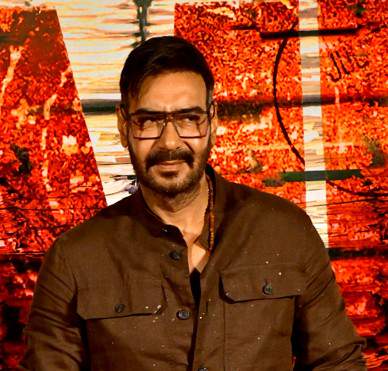
Ajay
Tantrik
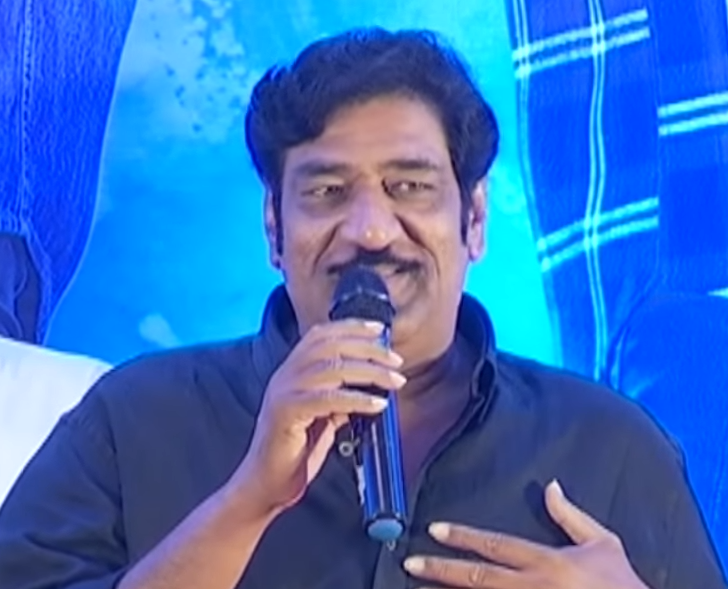
Raghu Babu
Derala Satthi Babu
Raja Ravindra
Doctor
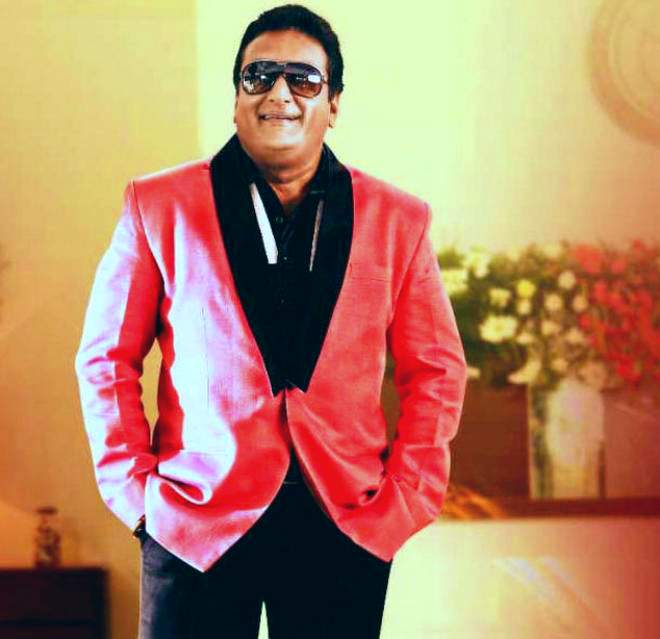
Prudhviraj
Siddha
Manchu Manoj
Manoj
Chalapathi Rao
Raja Rao
Srinivasa Reddy
Sreenu
Dharmavarupu Subramanyam
Utsava Murthy
Praveen
Lavudu
Suhasini Maniratnam
Suguna
Gollapudi Maruti Rao
Venkat Rao
Nandamuri Balakrishna
Rudramaneni Narasimha Rayudu
Aishwarya Bhaskar
Rajyalakshmi
Abhinaya Sri
Dolla Savitri
Nizhalgal Ravi
Manoj's Father
Ragini
Utsava Murthy's Wife
Deeksha Seth
Jagadhamba
Sai Kumar
Bujji
Prabhas Sreenu
Cable Keshav
Richard Rishi
Rishi Kumar
Meena Vasu
Jagadha's Mother
Preethi Asrani
Rayudu's Family Member
Prabha
Rishi's Mother
Simer Motiani
Jagadhamba
Panchi Bora
Visalakshi
Madhumitha
Vishalakshi
External Links and Streaming Options
Discover where to watch Uu Kodathara Ulikki Padathara online, including streaming platforms, rental options, and official sources. Compare reviews, ratings, and in-depth movie information across sites like IMDb, TMDb, Wikipedia or Rotten Tomatoes.





Take the Ultimate Uu Kodathara Ulikki Padathara Movie Quiz
Challenge your knowledge of Uu Kodathara Ulikki Padathara with this fun and interactive movie quiz. Test yourself on key plot points, iconic characters, hidden details, and memorable moments to see how well you really know the film.
Uu Kodathara Ulikki Padathara Quiz: Test your knowledge of the 2012 Telugu film Uu Kodathara Ulikki Padathara with these ten questions ranging from easy to difficult.
Who is the heir of Gandharva Mahal at the beginning of the story?
Full Plot Summary and Ending Explained for Uu Kodathara Ulikki Padathara
Read the complete plot summary of Uu Kodathara Ulikki Padathara, including all major events, twists, and the full ending explained in detail. Explore key characters, themes, hidden meanings, and everything you need to understand the story from beginning to end.
Gandharva Mahal sits as a living relic of a centuries-old Rudramaneni dynasty, its walls steeped in history and legends. Today, the palace’s heir, Rayudu, has slipped from the grandeur of the past and now ekes out a living in the outhouse, sharing life with his wife and two daughters, Visalakshi and Jagadhamba. To keep the family afloat, he rents out parts of the sprawling estate to people with a range of temperaments, hoping the steady flow of tenants will steady the household. Yet not everyone respects the gate he holds open; some tenants abuse his generosity and his quiet hold over the place, testing his patience and his authority.
Enter Manoj, a spirited newcomer who arrives as a tenant with a sharp eye and a can-do energy. It doesn’t take him long to notice the elderly beggar wandering the grounds, Amrutha Valli Amrutha Valli, and he quietly aligns with her. Together they weave a plan that starts with a staged scare—a fake horror act that unsettles the other tenants and binds Amrutha to Manoj’s cause. Rayudu, meanwhile, moves ahead with plans to secure Visalakshi’s future, arranging a marriage alliance and even considering the palace itself as a dowry, a strategic move that could change the balance of power within Gandharva Mahal.
As Manoj’s influence grows, he pushes the tenants to stay put despite Rayudu’s calls for vacancy. The peace is fragile, however, because Manoj and Jagadhamba clash repeatedly, hinting at deeper tensions between them. Then a dramatic night arrives: Manoj strikes Rayudu with a bloodied nose and claims that a supernatural force now roams the palace, warning Rayudu never to leave the place. Rayudu suspects the figure is none other than the spirit of his father, Narasimha Rayudu, and begins to turn the pages of a long, painful history.
In flashback, the tale reveals Narasimha Rayudu as a revered arbiter who was worshipped as a protective force of the land. He loved Gandharva Mahal with a fatherly affection for his sister Jagadhamba and a complicated bond with Phanindra Bhoopathi, who presents himself as a down-and-out suitor. Narasimha Rayudu, loyal to his family, ends up giving away substantial portions of his wealth—half of what he owns, including the Gandharva Mahal, to his sister and a quarter to his trusted ally Seshayya. Phanindra Bhoopathi, meanwhile, seethes with desire for Amrutha, the woman Narasimha Rayudu admires, and believes he can claim her if only he can seize control of what the king once protected.
Phanindra Bhoopathi’s ambition drives him to a brutal act: he murders Jagadhamba and stages it as a suicide, then makes a new attempt to abduct Amrutha inside Gandharva Mahal. Narasimha Rayudu erupts in fury, but Bhupati’s betrayal runs deeper—Seshayya dies in a bout of conflict, and Narasimha Rayudu himself is slain by Bhupati’s treachery. Before his breath leaves him, Narasimha Rayudu warns that Gandharva Mahal belongs to him and to no one else.
With Narasimha Rayudu’s haunting legacy echoing through the corridors, Amrutha sinks into beggary, and the palace’s fate hangs in a precarious balance. The unfolding drama centers on Visalakshi’s wedding, which is being prepared under Manoj’s watchful eye. Rushi, the bridegroom, arrives with his kin, but Bujji Bujji, his duplicitous maternal uncle, schemes to squat the palace and turn it into a hotel, hoping to seize the documents that would cement ownership. The night brings a supernatural reminder: Narasimha Rayudu’s soul unsettles the room, and Rushi’s mother contemplates canceling the wedding. Manoj, however, persuades them to hold the line and recovers the crucial documents that could secure the estate.
A wizard is summoned by Bujji after detecting the presence of Narasimha Rayudu and Bhupati within the palace. Guided by Narasimha Rayudu’s ancient wisdom, the wizard traps Bhupati’s vengeful soul, buying time for the living to resolve the modern crisis. Yet Rayudu’s family saga grows more tangled when Rayudu learns of Manoj’s romance with Jagadhamba; Manoj reveals a surprising truth: he is the grandson of Seshayya, sent by Suguna to aid Rayudu and protect Gandharva Mahal Suguna.
As the layer upon layer of deceit and history unfolds, Manoj confesses that the entanglement of Narasimha Rayudu’s soul with Bhupati’s spirit is all part of a larger plan to safeguard the palace. Bujji, feeling outmatched, strikes Manoj and destroys the bottle that contains Bhupati’s soul, trusting the wizard’s deception over the truth. Bhupati’s spirit then incarnates inside Rishi’s body, wreaking havoc and forcing a brutal confrontation. In the heat of battle, Narasimha Rayudu, still tethered to the living world, seizes Manoj’s body to fight back, while the wizard works feverishly to steer events toward a resolution.
Amrutha’s sacrifice becomes the turning point: she gives her life to release Bhupati’s soul from the living world, allowing the living to find peace—at least for a moment. In the end, the weddings prevail: Manoj and Jagadhamba, and Rushi and Visalakshi unite, binding their futures to the legacy of Gandharva Mahal. The final image lingers on Narasimha Rayudu, seated and smoking a cigar, a stoic reminder that the guardian of Gandharva Mahal will endure, watching over the palace for all time.

Coming soon on iOS and Android
The Plot Explained Mobile App
From blockbusters to hidden gems — dive into movie stories anytime, anywhere. Save your favorites, discover plots faster, and never miss a twist again.
Sign up to be the first to know when we launch. Your email stays private — always.
Explore the mobile appDiscover Film Music Concerts Near You – Live Orchestras Performing Iconic Movie Soundtracks
Immerse yourself in the magic of cinema with live orchestral performances of your favorite film scores. From sweeping Hollywood blockbusters and animated classics to epic fantasy soundtracks, our curated listings connect you to upcoming film music events worldwide.
Explore concert film screenings paired with full orchestra concerts, read detailed event information, and secure your tickets for unforgettable evenings celebrating legendary composers like John Williams, Hans Zimmer, and more.


Uu Kodathara Ulikki Padathara Other Names and Titles
Explore the various alternative titles, translations, and other names used for Uu Kodathara Ulikki Padathara across different regions and languages. Understand how the film is marketed and recognized worldwide.
Quick Links: Summary, Cast, Ratings, More

What's After the Movie?
Not sure whether to stay after the credits? Find out!
Check out our other apps:

SAT Sphere
Build confidence for the Digital SAT.

Mori Atlas
Discover wild places worth protecting.

Luntero
Search smarter for a home in Amsterdam.

Plot Explained
Unravel movie endings and hidden clues.

Pokechamp
Dive into Pokémon data and battle logic.

Driving Theory
Get ready for your European theory test.

Movie Dust
Plan your next cinema trip with ease.

Musemap
Find art and culture as you travel.

Selkobase
Compare credentials before committing.

Local Manual
Turn an unfamiliar country into practical next steps.

Lernavi
Compare school systems before your next move.

GymRoam
Find a workout stop wherever your plans take you.
Explore Our Movie Platform
New Movie Releases (2026)
Famous Movie Actors
Top Film Production Studios
Movie Plot Summaries & Endings
Major Movie Awards & Winners
Best Concert Films & Music Documentaries
Movie Collections and Curated Lists
© 2026 What's After the Movie. All rights reserved.
Privacy Policy