Totally Awesome 2006


After the Gunderson family moves, siblings Charlie, Lori and Max try to fit into a new high school. They pursue dance battles, teenage crushes, popularity, and a hidden scientific talent while befriending a quirky Japanese gardener. The VH1‑produced film piles neon ’80s references, humor and an exaggerated plot that celebrates the era’s clichés.


Does Totally Awesome have end credit scenes?
No!
Totally Awesome does not have end credit scenes. You can leave when the credits roll.
Meet the Full Cast and Actors of Totally Awesome
Explore the complete cast of Totally Awesome, including both lead and supporting actors. Learn who plays each character, discover their past roles and achievements, and find out what makes this ensemble cast stand out in the world of film and television.

Lucie Guest
Deb

James Hong
Mr. Yamagashi

Chris Kattan
Gabriel

Ben Stein
Self - The Narrator
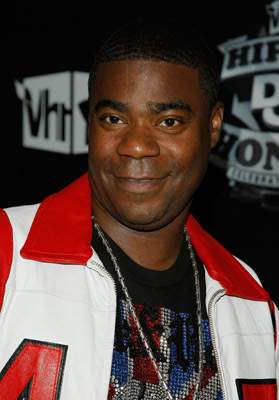
Tracy Morgan
Darnell

Mikey Day
Charlie Gunderson
Joey Kern
Kipp
Dominique Swain
Lori Gunderson
Brittany Daniel
Kimberly
Tone Loc
Tone Loc
Kurt Evans
TV Announcer
Bijou Phillips
Karelynn
Richard de Klerk
Werewolf / Nick
James Purcell
Kimberly's Dad
Wanda Cannon
Kimberly's Mom
Teryl Rothery
Mrs. Gunderson
David James Lewis
Agent Johnson
Andrew Francis
Zeke
Mark Gibbon
Coach Cutter
Yan-Kay Crystal Lowe
Pretty Girl
Marc Menard
Kipp's Boy #2
Greg Kean
Mr. Gunderson
Adam Thomas
Kipp's Boy #1
Nicki Clyne
Billie
Lisa Marie Caruk
Kimberly's Friend #2
Stephen Dimopoulos
Principal Picker
Kelly Dowdle
Charlotte
Owen Walstrom
Mr. Phillips
Trevor Heins
Maxamillion Gunderson
Kimberley Warnat
Kimberly's Friend #1
Kevin Sateri
Alan
Zara Taylor
Daphne
Kate McClafferty
Emily Walkers
External Links and Streaming Options
Discover where to watch Totally Awesome online, including streaming platforms, rental options, and official sources. Compare reviews, ratings, and in-depth movie information across sites like IMDb, TMDb, Wikipedia or Rotten Tomatoes.






Full Plot Summary and Ending Explained for Totally Awesome
Read the complete plot summary of Totally Awesome, including all major events, twists, and the full ending explained in detail. Explore key characters, themes, hidden meanings, and everything you need to understand the story from beginning to end.
Ben Stein, Ben Stein introduces the film as a long-lost comedy from the 1980s, gently hinting that a lot of the humor may land differently in 2006. The opening frames set a breezy, road-trippy tone, as the Gunderson family heads off on a cross-country journey toward a new home. On this voyage, Charlie Gunderson, Mikey Day, is portrayed as boyishly confident, with a smile that masks a restless curiosity about life beyond his small-town orbit. His sister Lori Gunderson, Dominique Swain, brings artistry and grace to the mix, while their younger sibling Maxamillion Gunderson, Trevor Heins, occupies a world of thought with a razor-sharp intelligence that hints at bigger things simmering beneath the surface.
From the very first day of school in their new town, Charlie discovers that popularity is a fragile thing. He is pegged as the least popular senior, a label that sticks in the social tapestry of his new environment. In the midst of this, Billie—an amiable, observant friend—offers to show him the ropes and gives him an illuminating crash course in the town’s clique dynamics. The quick, social calculus of who fits where becomes a minor but persistent obstacle in Charlie’s attempt to carve out a place for himself, and the interaction underscores a broader theme of how quickly social status can shape a teenager’s choices and confidence.
Meanwhile, Lori’s arrival stirs another kind of rebellion. She is stunned to learn dancing is banned in the town, a suppression that clashes with her blossoming talent and love of movement. The only sanctioned outlet for rhythm and release seems to be the clandestine dance sessions held in the garage of Gabriel, the town’s janitor and a former dance instructor. Gabriel, played by Chris Kattan, becomes a pivotal figure in Lori’s plan to revive dancing in their community. Lori’s clandestine outings, propelled by a growing affection for Gabriel, set off a chain of clever moves designed to reintroduce a sense of freedom and self-expression through dance.
At the same time, Charlie channels his energy into winning the attention of Kimberly, the popular girl who captures the imagination of many of his peers. Kimberly is embodied by Brittany Daniel, and she is linked, in the narrative, with her athletic boyfriend Kipp, portrayed by Joey Kern. The plot threads weave together as Charlie agrees to take on a high-stakes challenge: he vows to outdo Kipp in the upcoming school decathlon, a contest that tests physical prowess, strategy, and a growing sense of personal commitment. Billie quietly harbors her own unspoken feelings for Charlie, adding a layer of quiet longing to the social dynamics that drive the character interactions.
The town’s rhythms are further complicated by the arrival of a mysteriously capable mentor to Charlie. The story frames a training arc that pairs him with Yamagashi, the discreet Japanese gardener whose meticulous, almost technical approach to practice helps Charlie push past self-doubt and reach for something beyond his current limits. Yamagashi is brought to life on screen by James Hong, whose presence adds a note of wry wisdom to the athletic struggle at the heart of Charlie’s quest. This mentoring thread blends with the social stakes of school popularity, as Charlie tries to translate his effort on the field into a move that might win Kimberly’s attention and perhaps alter the town’s social map.
As the Gunderson siblings navigate these personal quests, Max’s story runs on a parallel, almost technocratic track. The highly advanced home computer that Max works on becomes a magnet for attention, eventually drawing the gaze of the CIA. Max’s focus and ingenuity hint at larger implications beyond the town’s social dances, suggesting that the family’s move is about more than just a new address; it’s about stepping into a broader world of information and possibility. This strand of the plot complements the comedic surface with a sense of curiosity and mystery, underscoring how a family’s ordinary transition can intersect with extraordinary interests.
Throughout the film, the narration provided by Ben Stein anchors a wink at nostalgia, as the opening frames remind viewers that this story is a reminder of a bygone era’s humor—an effect that becomes even more pronounced as the characters chase their dreams in a town that socializes around rules, reputations, and the occasional rebellious surge of dance. The interplay between the dated jokes and the timeless ambitions of adolescence creates a tonal balance that the film leans into, balancing warmth with humor while keeping a steady sense of curiosity about where each character will land as their cross-country journey unfolds.
In this ensemble coming-of-age tapestry, the Gunderson family embodies different facets of growth: Charlie’s bid to gain social footing and romantic interest; Lori’s quiet resistance to a restricted culture and her bold collaboration with a former dancer in Gabriel; Max’s quiet revolution through his computer that hints at a future beyond the town’s borders; and Billie’s perceptive, sometimes unspoken loyalties that highlight the complexity of teenage friendships. The film gathers its energy from these interlacing threads, presenting a world where ambition meets tradition, where covert dances in a garage become acts of defiance, and where a cross-country trip becomes a journey not just across miles but toward a more defined sense of self.
As the credits roll on this offbeat comedy, the film’s mood lingers with the sense that humor, nostalgia, and a dash of mischief can still find a way to unfold in a world that has moved on since the 1980s. The characters leave an imprint of resilience: Charlie learning to navigate a new social ecosystem with the help of friends and mentors, Lori defiantly restoring a form of expression that the town tried to suppress, and Max pushing the boundaries of what a single home computer can illuminate for a curious mind. It’s a story about adaptation, reinvention, and the small moments of discovery that come when a family dares to chase what truly matters, even if the world around them isn’t quite ready for it.

Coming soon on iOS and Android
The Plot Explained Mobile App
From blockbusters to hidden gems — dive into movie stories anytime, anywhere. Save your favorites, discover plots faster, and never miss a twist again.
Sign up to be the first to know when we launch. Your email stays private — always.
Explore the mobile appWatch Trailers, Clips & Behind-the-Scenes for Totally Awesome
Watch official trailers, exclusive clips, cast interviews, and behind-the-scenes footage from Totally Awesome. Dive deeper into the making of the film, its standout moments, and key production insights.
Cars Featured in Totally Awesome
Explore all cars featured in Totally Awesome, including their makes, models, scenes they appear in, and their significance to the plot. A must-read for car enthusiasts and movie buffs alike.
Totally Awesome Other Names and Titles
Explore the various alternative titles, translations, and other names used for Totally Awesome across different regions and languages. Understand how the film is marketed and recognized worldwide.
Quick Links: Summary, Cast, Ratings, More

What's After the Movie?
Not sure whether to stay after the credits? Find out!
Check out our other apps:

SAT Sphere
Build confidence for the Digital SAT.

Mori Atlas
Discover wild places worth protecting.

Luntero
Search smarter for a home in Amsterdam.

Plot Explained
Unravel movie endings and hidden clues.

Pokechamp
Dive into Pokémon data and battle logic.

Driving Theory
Get ready for your European theory test.

Movie Dust
Plan your next cinema trip with ease.

Musemap
Find art and culture as you travel.

Selkobase
Compare credentials before committing.

Local Manual
Turn an unfamiliar country into practical next steps.

Lernavi
Compare school systems before your next move.

GymRoam
Find a workout stop wherever your plans take you.
Explore Our Movie Platform
New Movie Releases (2026)
Famous Movie Actors
Top Film Production Studios
Movie Plot Summaries & Endings
Major Movie Awards & Winners
Best Concert Films & Music Documentaries
Movie Collections and Curated Lists
© 2026 What's After the Movie. All rights reserved.
Privacy Policy