Three Quarter Moon 2011


Hartmut Mackowiak, a German taxi driver, tries to help 6 year old Turkish girl to find her mother.


Does Three Quarter Moon have end credit scenes?
No!
Three Quarter Moon does not have end credit scenes. You can leave when the credits roll.
Meet the Full Cast and Actors of Three Quarter Moon
Explore the complete cast of Three Quarter Moon, including both lead and supporting actors. Learn who plays each character, discover their past roles and achievements, and find out what makes this ensemble cast stand out in the world of film and television.
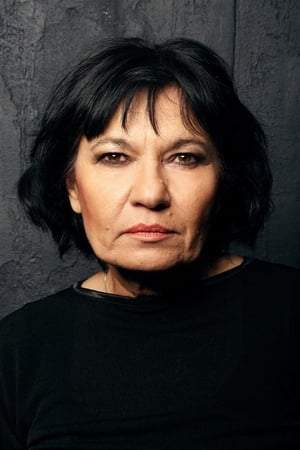
Özay Fecht
Grandmother Nezahat

Marie Leuenberger
Verena Mackowiak
Elmar Wepper
Hartmut Mackowiak
Siegfried Terpoorten
Thorsten Seiler
Ercan Karaçaylı
Izmir
Albert Kitzl
Herr Arslan
Ivan Anderson
Gülen
Mercan-Fatima Türköglu
Hayat
Katja Rupé
Christa Mackowiak
Hans Stadlbauer
Volvo-Driver
Bernd Regenauer
Karl-Heinz
Joachim Zons
Ambulance Man
Gabi Geist
Neighbour
External Links and Streaming Options
Discover where to watch Three Quarter Moon online, including streaming platforms, rental options, and official sources. Compare reviews, ratings, and in-depth movie information across sites like IMDb, TMDb, Wikipedia or Rotten Tomatoes.






Full Plot Summary and Ending Explained for Three Quarter Moon
Read the complete plot summary of Three Quarter Moon, including all major events, twists, and the full ending explained in detail. Explore key characters, themes, hidden meanings, and everything you need to understand the story from beginning to end.
Hartmut Mackowiak [Elmar Wepper] is a seasoned taxi driver who clings to firm habits and blunt honesty. He is not a family man—his wife Christa [Katja Rupé] left him—and he lives alone, content with doing his job properly and speaking his mind. A man of routine, he moves through days with a practical, if sometimes gruff, outlook, rarely opening up to the world beyond the cab and his own thoughts.
One day, a Turkish businesswoman hires him for a ride, heading to visit her mother in Nuremberg. She brings along her six-year-old daughter Hayat [Mercan-Fatima Türköglu], hoping the child will get to know her grandmother, who lives in Germany. The moment the girl gets inside his taxi, Hartmut notices something different in the way she watches the world—Hayat seems to treat the vehicle as a safe, moving space where she can momentarily forget the weight of her situation. Soon Hayat is left in the care of her grandmother, but the reality of aging and frailty catches up quickly.
The grandmother, Nezahat [Özay Fecht], is overwhelmed by the responsibility, and her health falters. A stroke shatters the fragile balance of care, leaving Hayat feeling abandoned and suddenly adrift. With Hayat suddenly in need and nowhere else to turn, the young girl’s thoughts drift back to the taxi driver who had shown her a kind of quiet steadiness. She begins to see Hartmut as a refuge—someone who might understand the loneliness that has crept into her life far from home. The moment is pivotal: Hayat’s perception of the world, and Hartmut’s own stubborn view, begin to shift in small, almost unnoticeable ways.
The tension between Hartmut’s hard-edged, solitary existence and Hayat’s vulnerable, searching presence begins to thaw him. He is startled to realize that he is capable of forming a bond with someone who speaks a different language, someone who asks him to slow down and listen. Hayat’s trust, courage, and resilience gradually reveal a side of him that had long been dormant, one that is open to new textures of life and unfamiliar perspectives.
As the days unfold, Hartmut’s perspective broadens beyond his own routines. He discovers that he is not too old to make friends or to see the world through a lens he had never considered before. The taxi becomes a small stage for change, a place where a stubborn man can learn to let others in and where a young girl can find a steady adult she can rely on. This unlikely companionship brings about a gentler, more hopeful approach to life, and it even prompts Hartmut to rethink his relationship with his wife—the life he thought was fixed begins to bend toward something softer, more connected.
Throughout the story, the narrative gently explores how care can cross cultural boundaries and how quiet acts of kindness can alter the routes we travel in life. The film’s core is a quiet, patient transformation: a man who once spoke only his mind learns to speak more sincerely with his heart, guided by a child who teaches him that trust can grow where you least expect it. In the end, the tale remains faithful to its simple premise: meaningful change can arrive from the most unassuming places, and the road you take can reveal a new kind of family when you least anticipate it.

Coming soon on iOS and Android
The Plot Explained Mobile App
From blockbusters to hidden gems — dive into movie stories anytime, anywhere. Save your favorites, discover plots faster, and never miss a twist again.
Sign up to be the first to know when we launch. Your email stays private — always.
Explore the mobile appDiscover Film Music Concerts Near You – Live Orchestras Performing Iconic Movie Soundtracks
Immerse yourself in the magic of cinema with live orchestral performances of your favorite film scores. From sweeping Hollywood blockbusters and animated classics to epic fantasy soundtracks, our curated listings connect you to upcoming film music events worldwide.
Explore concert film screenings paired with full orchestra concerts, read detailed event information, and secure your tickets for unforgettable evenings celebrating legendary composers like John Williams, Hans Zimmer, and more.


Three Quarter Moon Other Names and Titles
Explore the various alternative titles, translations, and other names used for Three Quarter Moon across different regions and languages. Understand how the film is marketed and recognized worldwide.
Quick Links: Summary, Cast, Ratings, More

What's After the Movie?
Not sure whether to stay after the credits? Find out!
Check out our other apps:

SAT Sphere
Build confidence for the Digital SAT.

Mori Atlas
Discover wild places worth protecting.

Luntero
Search smarter for a home in Amsterdam.

Plot Explained
Unravel movie endings and hidden clues.

Pokechamp
Dive into Pokémon data and battle logic.

Driving Theory
Get ready for your European theory test.

Movie Dust
Plan your next cinema trip with ease.

Musemap
Find art and culture as you travel.

Selkobase
Compare credentials before committing.

Local Manual
Turn an unfamiliar country into practical next steps.

Lernavi
Compare school systems before your next move.

GymRoam
Find a workout stop wherever your plans take you.
Explore Our Movie Platform
New Movie Releases (2026)
Famous Movie Actors
Top Film Production Studios
Movie Plot Summaries & Endings
Major Movie Awards & Winners
Best Concert Films & Music Documentaries
Movie Collections and Curated Lists
© 2026 What's After the Movie. All rights reserved.
Privacy Policy