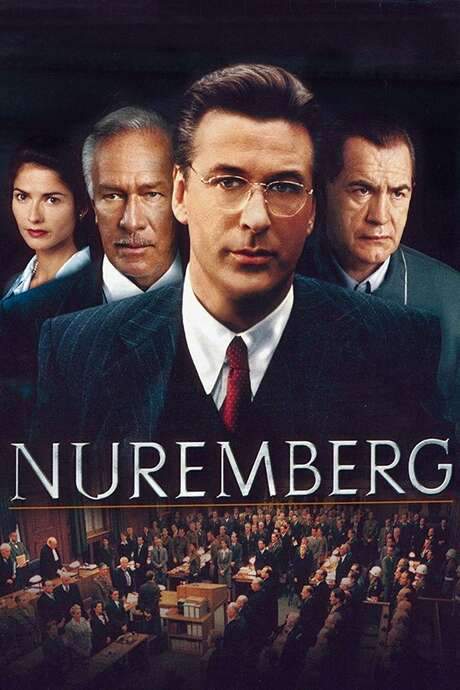
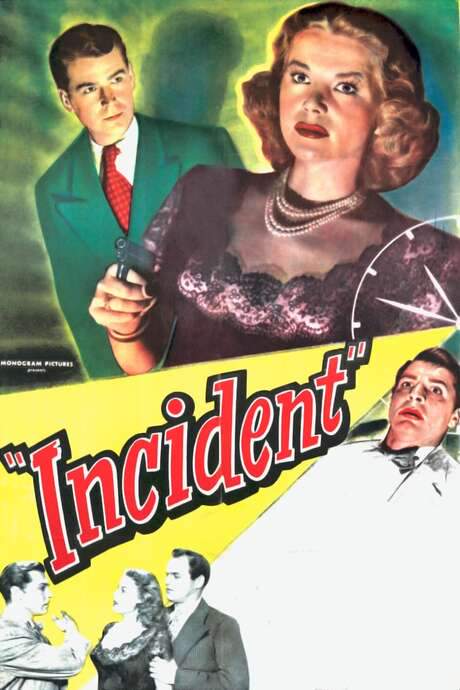
The Incident 1990


When a German officer held at a U.S. Army POW camp in the fictional Colorado town of Bremen is charged with murder, reluctant small‑town attorney Harmon Cobb takes the case. He must defend the Nazi prisoner amid wartime suspicion, while the town’s only doctor, played by Barnard Hughes, dies, forcing Cobb to confront the moral dilemma of representing a man viewed as devil.


Does The Incident have end credit scenes?
No!
The Incident does not have end credit scenes. You can leave when the credits roll.
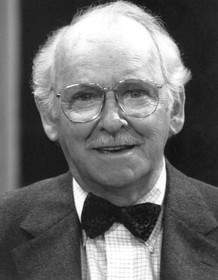
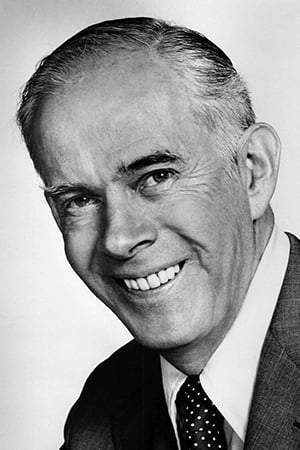
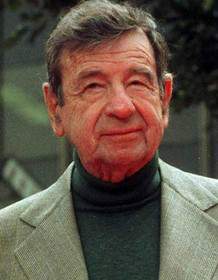
Meet the Full Cast and Actors of The Incident
Explore the complete cast of The Incident, including both lead and supporting actors. Learn who plays each character, discover their past roles and achievements, and find out what makes this ensemble cast stand out in the world of film and television.



External Links and Streaming Options
Discover where to watch The Incident online, including streaming platforms, rental options, and official sources. Compare reviews, ratings, and in-depth movie information across sites like IMDb, TMDb, Wikipedia or Rotten Tomatoes.






Take the Ultimate The Incident Movie Quiz
Challenge your knowledge of The Incident with this fun and interactive movie quiz. Test yourself on key plot points, iconic characters, hidden details, and memorable moments to see how well you really know the film.
The Incident (1990) Quiz: Test your knowledge of the 1990 courtroom drama "The Incident" with these ten multiple‑choice questions ranging from easy to challenging.
Which profession does Harmon Cobb hold in the film?
Full Plot Summary and Ending Explained for The Incident
Read the complete plot summary of The Incident, including all major events, twists, and the full ending explained in detail. Explore key characters, themes, hidden meanings, and everything you need to understand the story from beginning to end.
In 1944, in Lincoln Bluff, a fictional small Colorado town, the Second World War is still raging when the town’s only doctor, George Hansen, Barnard Hughes is murdered at local US Army Camp Bremen, which holds German prisoners of war. Harmon Cobb, Walter Matthau, a local lawyer, is coerced by Judge Bell into defending Sergeant Geiger, Peter Firth, the German prisoner accused of killing the doctor. Cobb has no desire for Geiger to be acquitted, and his own wartime anti-German sentiment—coupled with a son serving as an American soldier fighting the Germans—complicates his stance. To preserve his self-respect as an ethical attorney, Cobb begins to build a nominal defense by asking several of Geiger’s POW subordinates to act as character witnesses. When all refuse to testify, Cobb even asks Geiger to pull rank to get them on the stand, but Geiger refuses to expose the POWs to the consequences of testifying. Moreover, Geiger angrily accuses Cobb of being uninterested in the illegal activities in the camp and suggests he investigate the death of prisoner Ernst Schmidt, who supposedly died of “natural causes.”
In court, POW Sergeant Riefenstahl testifies that Geiger is a member of the Nazi party sworn to “kill as many Americans for Hitler” as he can. Cobb’s sympathy toward defending Geiger is further dampened when he receives word during the trial that his son has been killed in action, resulting in a trial delay of two weeks. When Officer Wallace, William Schallert comes to Cobb with a letter from the murdered doctor written on the day of his death, Cobb begins to suspect that not only is Geiger innocent, but Hansen’s death is only the tip of the iceberg in illicit operations at Camp Bremen.
During the hiatus, Cobb digs deeper. When asked for a subpoena, Judge Bell warns Cobb against trying to build an actual case, saying that he specifically appointed Cobb as defense attorney because he expected Cobb, inexperienced in such cases, to lose the case. The judge declares that he will sentence Geiger to hang. Astounded at the judges’ unethical behavior, Cobb whines to Officer Wallace that he is being used as the court jester. Wallace advises Cobb to disrupt and dig deeper at the camp to expose the illegal beatings and deaths of POWs being countenanced by Major Lilly. Cobb and Wallace arrive at the camp to review Hansen’s medical records of eight prisoners who died of “natural causes.” Corporal Sweazy, the MP at the gate, will not initially let them pass without consulting Major Lilly until they inform Sweazy that they have a court order to investigate Lilly. Sweazy then confides that Major Lilly allows prisoner gangs of “Lager Gestapo” to patrol the inside of the camp, terrorizing and even killing recent POWs who criticize Hitler or suggest that the war is being lost. Riefenstahl, who testified in court against Geiger, is the leader of the Lager Gestapo. Sweazy is reluctant to testify, however, since the last MP who attempted to expose the system had stolen property planted in his locker and ended up in the stockade with inmates hostile to MPs. Cobb reasons to Sweazy that if exposed, Major Lilly would be unable to retaliate.
Back in the courtroom, when Cobb attempts to introduce exculpatory evidence for Geiger, the judge orders Cobb into his chambers, but Robert Carradine Domsczek, the prosecutor, objects to being excluded. In his chambers, the judge baldly tells them that he will sentence Geiger to hang in exchange for three American airmen who have been tried and sentenced to hang in Germany. A condemned Geiger is to be exchanged for the condemned Americans. Both Cobb and Domsczek are appalled at the disregard for Geiger’s possible innocence, and prosecutor Robert Carradine Domsczek informs the judge that if he does not permit the exculpatory evidence, he will object in court to force a mistrial. With Domsczek’s complicity, Cobb presents witnesses and evidence in court to expose the beating murder of Ernest Schmidt as well as other prisoners by the Lager Gestapo with the complicity of Hansen and Major Lilly. Riefenstahl killed Hansen, who was about to expose the illegal activities, and then framed his nemesis, Geiger, for the murder. Geiger is subsequently found innocent.

Coming soon on iOS and Android
The Plot Explained Mobile App
From blockbusters to hidden gems — dive into movie stories anytime, anywhere. Save your favorites, discover plots faster, and never miss a twist again.
Sign up to be the first to know when we launch. Your email stays private — always.
Explore the mobile appWatch Trailers, Clips & Behind-the-Scenes for The Incident
Watch official trailers, exclusive clips, cast interviews, and behind-the-scenes footage from The Incident. Dive deeper into the making of the film, its standout moments, and key production insights.
Cars Featured in The Incident
Explore all cars featured in The Incident, including their makes, models, scenes they appear in, and their significance to the plot. A must-read for car enthusiasts and movie buffs alike.
The Incident Themes and Keywords
Discover the central themes, ideas, and keywords that define the movie’s story, tone, and message. Analyze the film’s deeper meanings, genre influences, and recurring concepts.
The Incident Other Names and Titles
Explore the various alternative titles, translations, and other names used for The Incident across different regions and languages. Understand how the film is marketed and recognized worldwide.
Similar Movies To The Incident You Should Know About
Browse a curated list of movies similar in genre, tone, characters, or story structure. Discover new titles like the one you're watching, perfect for fans of related plots, vibes, or cinematic styles.



Quick Links: Summary, Cast, Ratings, More

What's After the Movie?
Not sure whether to stay after the credits? Find out!
Check out our other apps:

SAT Sphere
Build confidence for the Digital SAT.

Mori Atlas
Discover wild places worth protecting.

Luntero
Search smarter for a home in Amsterdam.

Plot Explained
Unravel movie endings and hidden clues.

Pokechamp
Dive into Pokémon data and battle logic.

Driving Theory
Get ready for your European theory test.

Movie Dust
Plan your next cinema trip with ease.

Musemap
Find art and culture as you travel.

Selkobase
Compare credentials before committing.

Local Manual
Turn an unfamiliar country into practical next steps.

Lernavi
Compare school systems before your next move.

GymRoam
Find a workout stop wherever your plans take you.
Explore Our Movie Platform
New Movie Releases (2026)
Famous Movie Actors
Top Film Production Studios
Movie Plot Summaries & Endings
Major Movie Awards & Winners
Best Concert Films & Music Documentaries
Movie Collections and Curated Lists
© 2026 What's After the Movie. All rights reserved.
Privacy Policy